Evaluation Scheme
National certification protocols for compostable materials in Australia establish specific requirements for products intended to break down in home composting environments. Compliance with AS 5810 means that the material under test must biodegrade within twelve months at temperatures between twenty and thirty degrees Celsius. It also restricts the presence of heavy metals and other toxic residues in the resulting compost.
Performance Metric
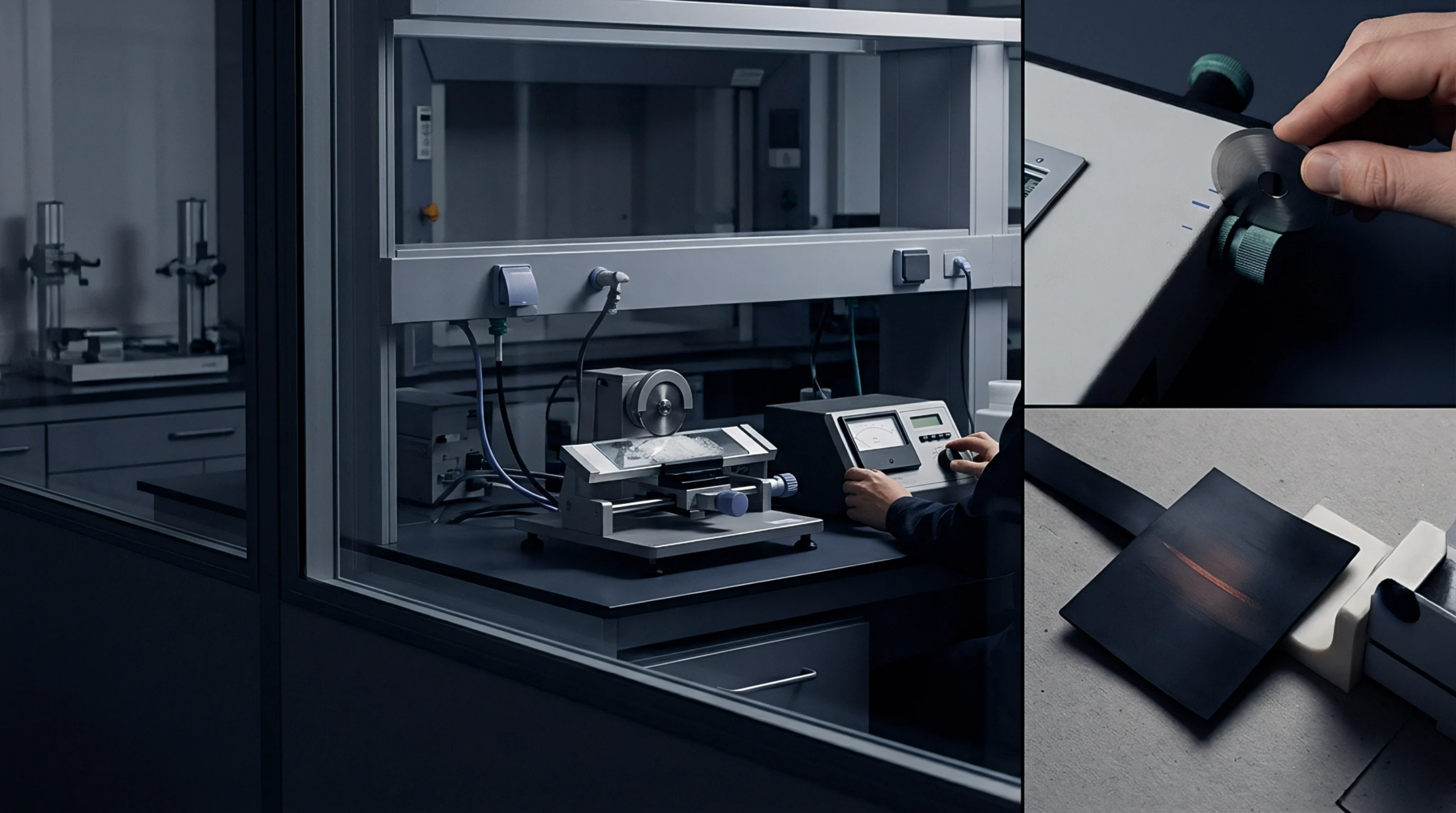
Chemical analyses and disintegration runs confirm that the material breaks down physically and chemically under domestic conditions. Under AS 5810, the substrate must undergo biodegradation testing to verify that it does not harm plants or soil worms. This requires measuring plant growth and survival rates in soil mixed with the composted packaging.
Laboratory protocols determine whether any persistent fragments remain after a defined period of exposure to the home composting pile environment. Soil samples are analyzed for trace elements, ensuring that no harmful substances contaminate the ground or inhibit the natural growth cycle of garden vegetation.
Processing Distinction
Commercial waste processing differs from domestic waste processing because of the lower temperatures maintained in typical backyard compost bins. Certified boards and films that meet AS 5810 are designed to degrade without requiring the elevated heat of municipal facilities. Converting plants use this standard to qualify their flexible linings and barrier boards for the Australian domestic retail market, which increasingly demands verifiable home compostability.