Separation Method
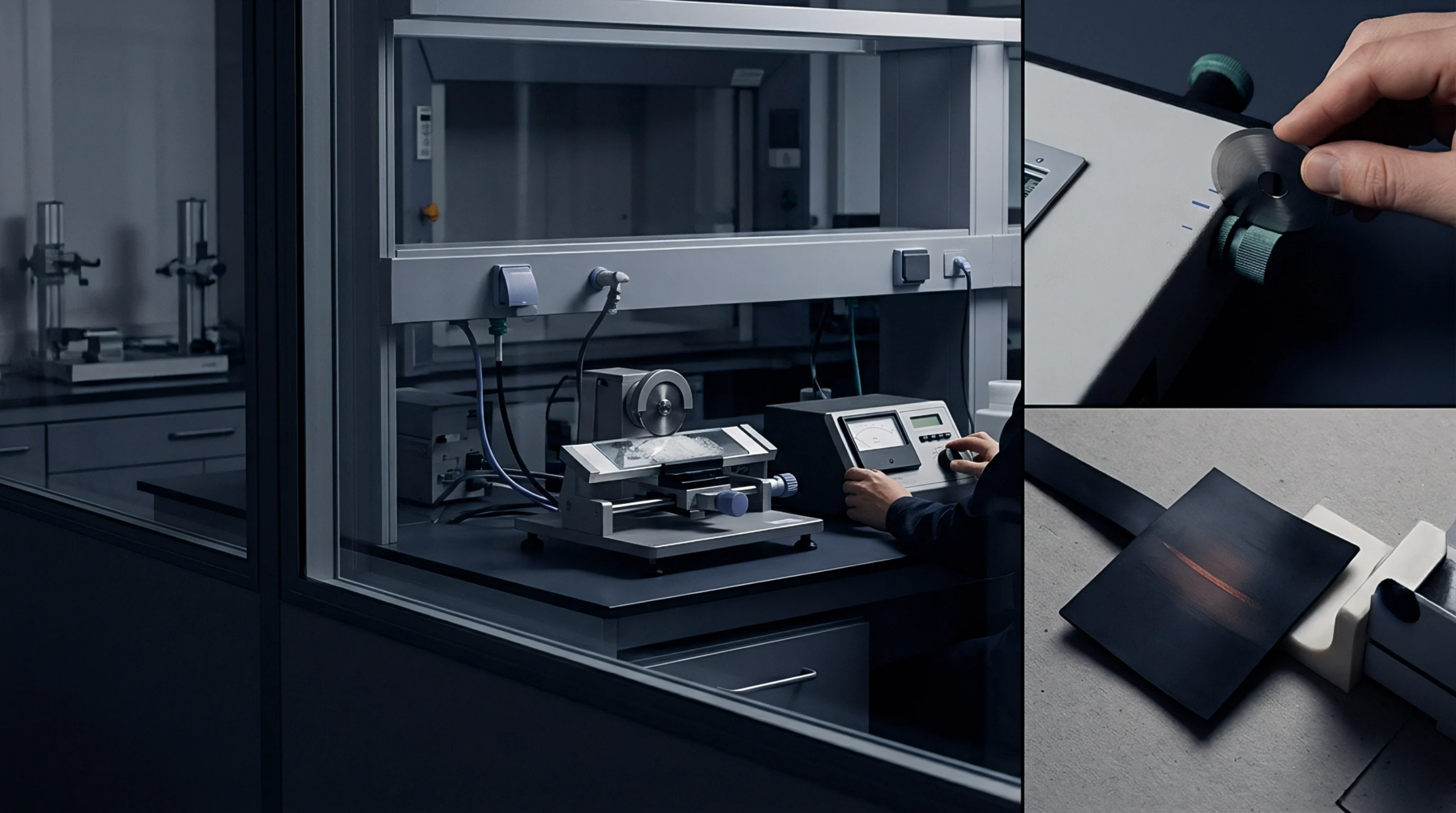
Chromatographic analysis of chemical components within a laboratory environment allows for the detailed characterization of polymers used in packaging adhesives and coatings. Practitioners utilize gel permeation chromatography to separate molecules based on their size as they pass through a porous stationary phase. This technique provides a distribution of the molecular weights within a sample.
Molecular Analysis
The process works by dissolving the polymer in a suitable solvent and injecting it into a column filled with tiny gel beads. Large molecules cannot enter the pores of the beads and elute from the column more quickly than smaller molecules. Detectors at the end of the column record the concentration of the molecules as they emerge at different times.
This data is used to calculate the polydispersity index of the material. Variations in the molecular weight distribution can affect the flow properties and the bonding strength of the adhesive. High resolution results allow for the identification of low molecular weight fractions that might migrate into food.
Testing Validity
Sample preparation must be carefully controlled to ensure that the polymer is completely dissolved without degrading the chains. Differences in the choice of solvent or the temperature of the column can lead to inconsistent results. The method identifies the specific molecular profile of a raw material to ensure it meets the technical specification.
It serves as a tool for quality control and the investigation of material failures.