Surface Energy Alteration Mechanics in Polyolefin Films under Friction Cycles
Friction cycles mechanically strip oxidized surface layers and accelerate polar group reorientation, causing rapid dyne loss across polyolefin films.
Friction cycles mechanically strip oxidized surface layers and accelerate polar group reorientation, causing rapid dyne loss across polyolefin films.

Interfacial fracture toughness in laminated paperboard depends on substrate z-direction fiber strength, controlled corona energy, and scoreline strain management.
Polyurethane soft-touch films provide superior scratch resistance and score fold integrity compared to BOPP but require higher temperature control and lower web yields.

Interfacial shear strain from thermal mismatch drives delamination; controlling cooling gradients and dyne levels prevents bond failure at crease lines.

Foil adhesion succeeds when polymer film surface energy exceeds forty-two dynes per centimeter and sizing chemistry matches the polar surface component.
Mitigate polymer swap risks by pairing ATR-FTIR incoming resin screening with enforceable supplier contracts capping liability to full downstream food loss.
Interfacial peel strength verification in metallized foils mandates ninety-degree fixture isolation to prevent substrate yield and accurately measure metal-polymer bond mechanics.

Pass order determines surface energy, registration accuracy, recyclability, and unit scrap rates across multi-step print converting runs.

Polyurethane tactile films trade high material costs for self-healing elastomeric scuff resistance, requiring precise thermal nip control and high dyne levels.

Single-sided plastic lamination causes heavy converting scrap and triggers severe EU EPR eco-modulation tariffs when plastic film mass exceeds 5 percent.
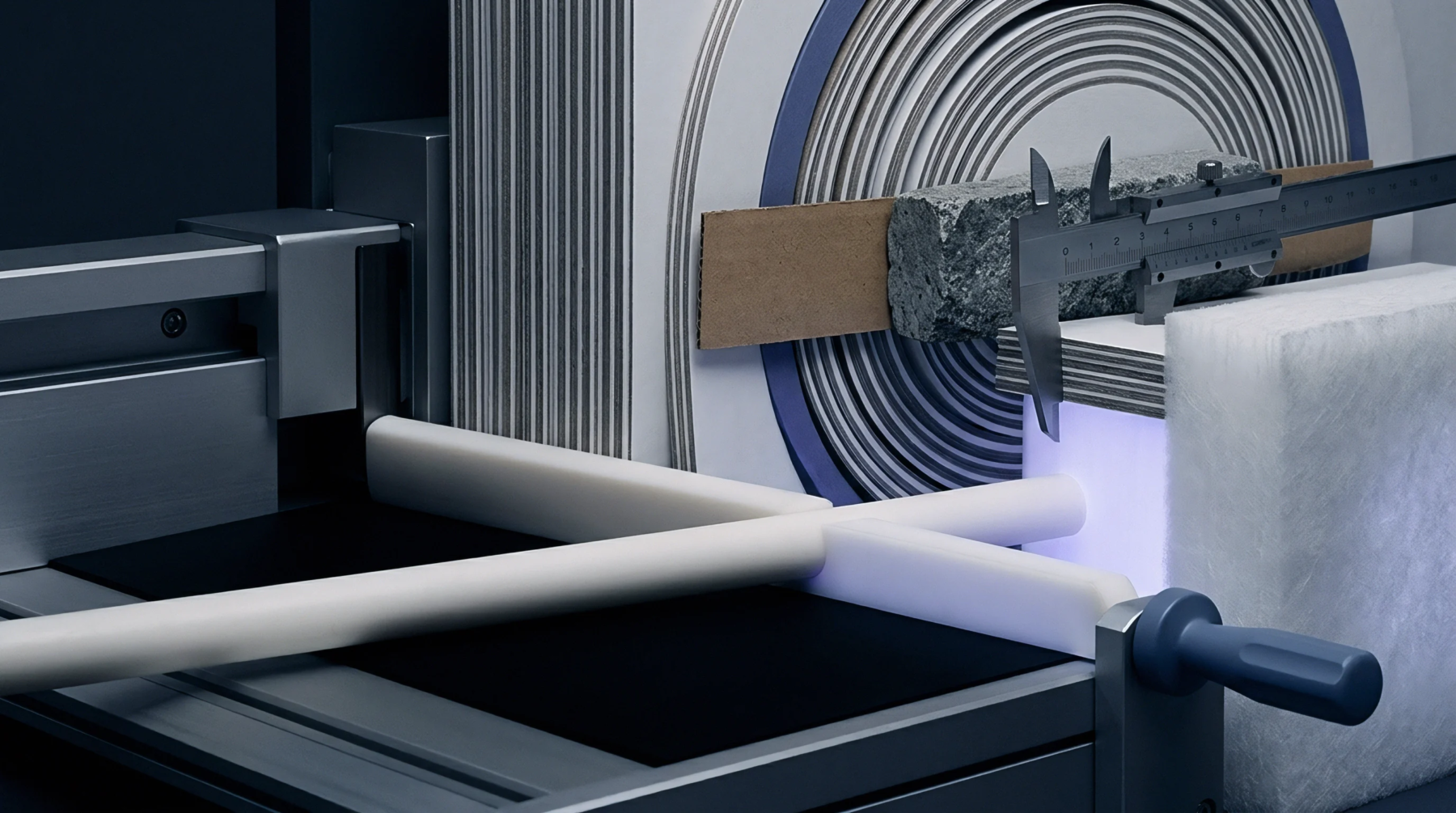
Calibrating matrix channel width to rule thickness plus 1.6 times composite caliper prevents matte skin fracture on co-extruded film laminated paperboard.

Matt lamination cracks at the crease because silica matting inclusions reduce film elongation capacity, requiring expanded matrix channels to lower folding strain.

Soft touch lamination scuffing stems from micro-layer shear deforming under friction, resolved by specifying nano-composite film chemistry and strict gloss drift limits.

Digital spot UV beats hot foil stamping on setup costs below 3,400 B2 sheets at 5% coverage, beyond which low foil area costs surpass high fluid burn.
Expertise is a utility, not a secret. sentiention™ publishes its working knowledge as open reference: intelligence layer covering the materials it sources, the markets it enters, and the reference that serves both.