Polyurethane Soft Touch Film Selection for Folding Cartons
Polyurethane soft-touch films provide superior scratch resistance and score fold integrity compared to BOPP but require higher temperature control and lower web yields.

Polymer
Soft-touch film finishes on folding cartons rely on elastomeric coatings to balance tactile warmth with physical durability. Traditional biaxially oriented polypropylene (BOPP) soft-touch films achieve a velvety feel using matte additive resins or extruded topcoat micro-structures. Polyurethane thermal lamination films apply aliphatic or aromatic polyurethane (PU) formulations onto polyester (PET) or polyolefin carrier webs.
Their underlying polymer chains differ in crosslinking density, viscoelastic profile, and surface free energy, shaping how the finished carton handles mechanical stress and light exposure.
Aliphatic Formulations and Tactile Microstructure
Coating synthetic polyurethane elastomers directly onto biaxially oriented base sheets creates a micro-textured surface that scatters specular light reflections while absorbing shear energy. Aliphatic polyurethanes combine polyols with aliphatic diisocyanates, such as hexamethylene diisocyanate or isophorone diisocyanate. Lacking aromatic rings in the polymer backbone, they resist photo-oxidative breakdown under sunlight or store display lighting.
This keeps aliphatic soft-touch films visually stable over long storage periods, preserving neutral ΔE values across pale pastel and solid black print runs.
Micro-texture geometry governs how the finished boardstock feels to the touch. Surface profilometry of high-performance polyurethane soft-touch film shows an average roughness (Ra) between zero point four and zero point eight microns. Because aliphatic polyurethane is elastomeric, surface peaks give slightly under finger pressure without deforming permanently.
This yields a warm, velvety finish with low kinetic friction, avoiding the chalky sensation common in high-filler matte coatings.
| Substrate Chemistry | Film Thickness (microns) | 60-Degree Gloss (GU) | Static Friction (CoF) | Elongation at Break (%) | UV Stability (ΔE at 100 hrs) |
|---|---|---|---|---|---|
| Aliphatic Polyurethane (TPU/PET) | 18 – 22 | 1.2 – 2.5 | 0.28 – 0.35 | 220 – 310 | < 0.8 |
| Aromatic Polyurethane (TPU/BOPP) | 15 – 20 | 1.5 – 3.0 | 0.32 – 0.42 | 180 – 250 | 3.5 – 6.2 |
| Matte BOPP Soft-Touch | 15 – 18 | 2.0 – 4.5 | 0.45 – 0.60 | 120 – 160 | 1.1 – 1.8 |
| Soft-Touch PET Film | 12 – 15 | 1.0 – 2.2 | 0.30 – 0.38 | 80 – 110 | 0.5 – 1.0 |
Aromatic Elastomers and Color Shift Dynamics
Ambient ultraviolet light breaks chemical bonds within MDI-derived polyurethane chains, forming quinoid chromophores that shift the film’s appearance toward yellow. Aromatic polyurethanes rely on methylene diphenyl diisocyanate or toluene diisocyanate, lowering resin costs while retaining initial soft-touch feel. However, the aromatic rings absorb ultraviolet wavelengths between two hundred ninety and three hundred fifty nanometers, triggering chain scission that causes visible yellowing on white or unprinted paperboard.
A aromatic polyurethane film exposed to one hundred hours of accelerated QUV weathering exhibits a color shift exceeding four point five ΔE units on unprinted solid bleached sulfate board.
Cartons made from coated recycled board (CRB) or solid bleached sulfate (SBS) and printed in deep black or dark brand colors tend to hide light photo-yellowing. Even so, thermal yellowing during hot-roll press lamination remains a risk for aromatic films if web speeds drop below running targets. Operating heating nip rollers above one hundred twenty-five degrees Celsius induces thermal oxidation in aromatic chains, dulling deep shadows and shifting neutral greys toward red-yellow hues before the roll reaches the cooling drum.
Visual dulling on dark printed boardstock is often attributed to ambient warehouse moisture rather than hydrolytic softening of the polyurethane resin.
Grip
Adhesion between the film layer and printed paperboard relies on thermal bonding or reactive liquid adhesives. Cartons undergoing tight creasing, foil stamping, or gluing need high interfacial bond strength. Matching the extrusion backing chemistry to the substrate and maintaining steady nip conditions prevents delamination along cut edges and score lines during high-speed converting.
Thermal Extrusion Layers and Surface Tension
Wetting at the interface between ethylene acrylic acid copolymer and solid bleached sulfate board requires surface energy levels above 40 millinewtons per meter at the corona treater. Thermal lamination films co-extrude a heat-activatable adhesive layer onto the soft-touch base, using low-density polyethylene (LDPE), ethylene-vinyl acetate (EVA), or ethylene acrylic acid (EAA). Polyurethane base films backed with EAA show stronger chemical adhesion to hydrophobic UV-cured inks than standard EVA layers.
Surface energy governs both initial wet-out and long-term bond strength. Corona treatment oxidizes ink resins on the printed sheet, raising surface tension enough for molten polymer to flow. Untreated offset or digital ink films show low surface energy from twenty-eight to thirty-two dynes per centimeter, resisting thermal adhesive flow and leaving a weak mechanical bond that fails under scoring stress.
Nip Temperature and Pressure Profiles
Thermal laminating rollers running at 115 degrees Celsius melt the low-density polyolefin backing, pressing molten adhesive into the paperboard’s open surface pores. A solid structural bond requires balancing roll temperature, line speed, and pneumatic nip pressure. Chrome-plated heating cylinders need temperature control within two degrees Celsius across the barrel face to prevent uneven heat distribution and spotty bond failure.
Linear nip pressure controls how adhesive spreads across printed solids. Too much pressure squeezes molten thermal resin toward sheet margins, starving the central image area and forming micro-bubbles. Too little force prevents resin from penetrating the fiber network, yielding a weak peel strength that degrades as board moisture equilibrates.
Lamination operational failures show distinct physical symptoms during post-press processing:
- Interfacial Delamination at Fold Lines stems from low lamination nip temperatures that prevent the EAA adhesive backer from flowing fully over dense ink coverage.
- Sheet Curling along the Web Axis points to excessive web tension or unbalanced temperatures between the top and bottom nip rollers.
- Blistering under Spot UV Varnish Pass occurs when trapped residual solvent or moisture in the boardstock boils under high-temperature UV drying lamps.
- Edge Lifting in Folder-Gluer Feeder results from low corona treatment on the board face, dropping dry peel strength below two Newtons per fifteen millimeters.
Inadequate corona treatment during lamination can cause complete debonding at the folder-gluer, turning finished carton blanks into non-recyclable scrap before they ever ship.

Score
Bending paperboard through ninety or one hundred eighty degrees stretches the outer lamination film while compressing inner paper fibers. Low-elongation films crack along the hinge line, tearing printed ink and exposing raw fiber. Polyurethane films offer high tensile elongation, allowing the lamination layer to deform plastically along the crease without surface fractures or optical haze.
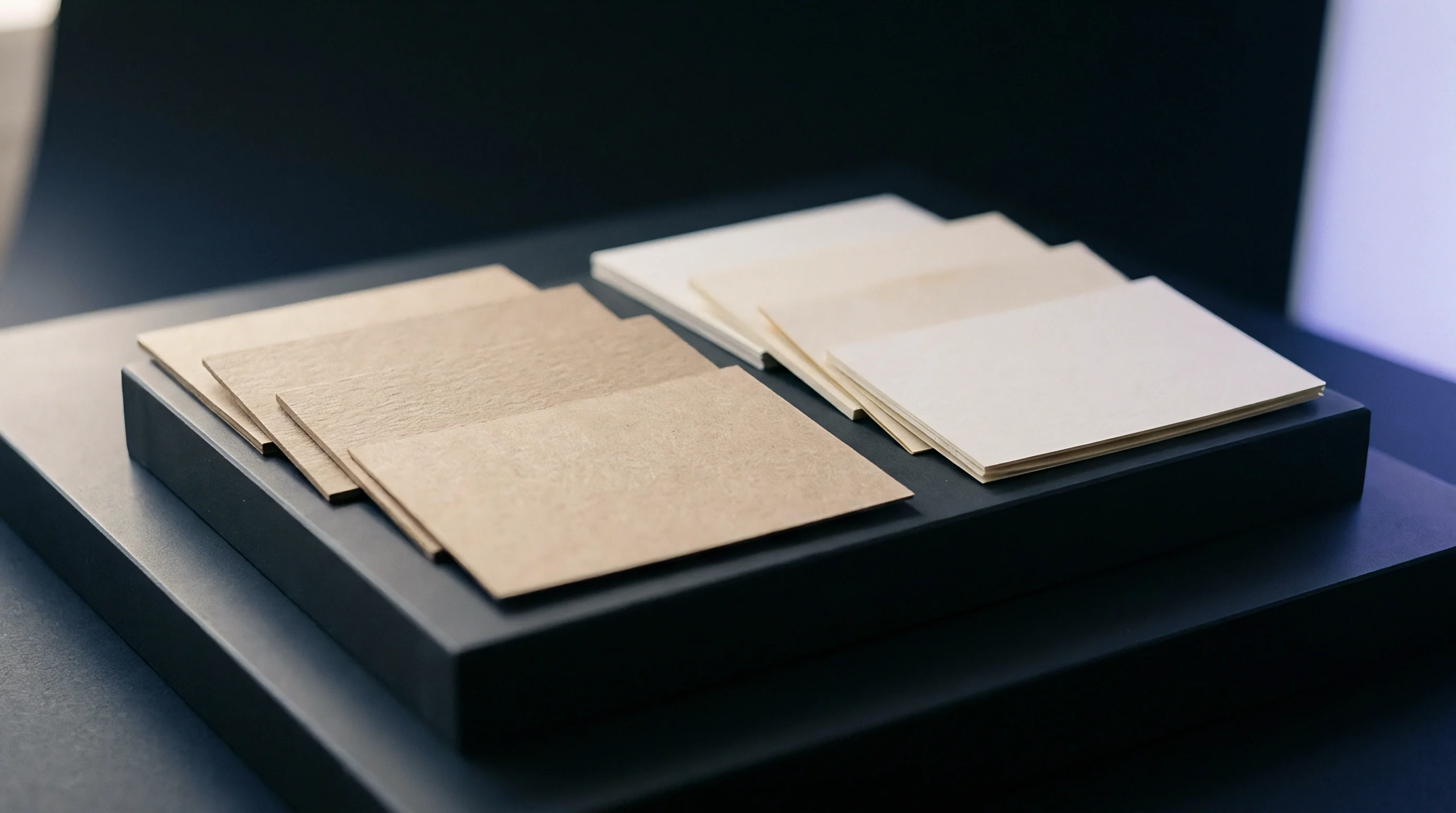
Which Scoring Rule Geometry Prevents Haze Flaking?
Pairing a rounded male crease blade with a counter-die channel width equal to one point five times paperboard thickness plus film caliper suppresses micro-crazing across the folded bead. Converting soft-touch cartons requires tailored die-cutting tooling. Standard scoring practices using sharp rule profiles create stress concentrations that shear soft-touch coatings.
Using male rules with a minimum crown radius of zero point seven one millimeters distributes strain evenly across the polyurethane sheet.
Applying a counter-matrix channel width calculated as one point six times board caliper plus twice film thickness eliminates score cracking on three hundred fifty micron solid bleached sulfate board.
Counter-matrix material directly affects fold clarity. Creasing matrix made from resin-bonded laminated paper or precision-milled steel channels produces smooth hinge deformation. Flexible PVC matrix strips compress under impression force, widening the creasing groove over long production runs and creating inconsistent fold resistance on automatic packaging lines.
Elongation under Strain and Matrix Depth Calculations
Thermoplastic polyurethane films stretch up to three hundred percent before failing, absorbing localized stress along the crease hinge. By comparison, standard matte polypropylene films show tensile elongation at break between one hundred and one hundred forty percent. When paperboard fibers collapse under the score line during folding, polypropylene film hits its elastic limit, creating micro-fractures that show as white lines along dark fold edges.
Correct scoring parameter adjustments follow a strict engineering sequence during tool setup:
- Determine total composite thickness by measuring boardstock caliper and adding top coating and lamination film thickness in microns.
- Calculate female matrix channel depth matching exactly one hundred percent of composite sheet thickness to set proper bead height.
- Select male creasing rule thickness corresponding to two point rule size for board calipers under four hundred microns or three point rule size for heavier substrates.
- Verify female channel width using the formula of board thickness multiplied by one point five plus rule thickness plus double the film thickness.
Sizing the female creasing channel slightly wider than standard board recommendations keeps the surface film from tearing along primary structural folds.
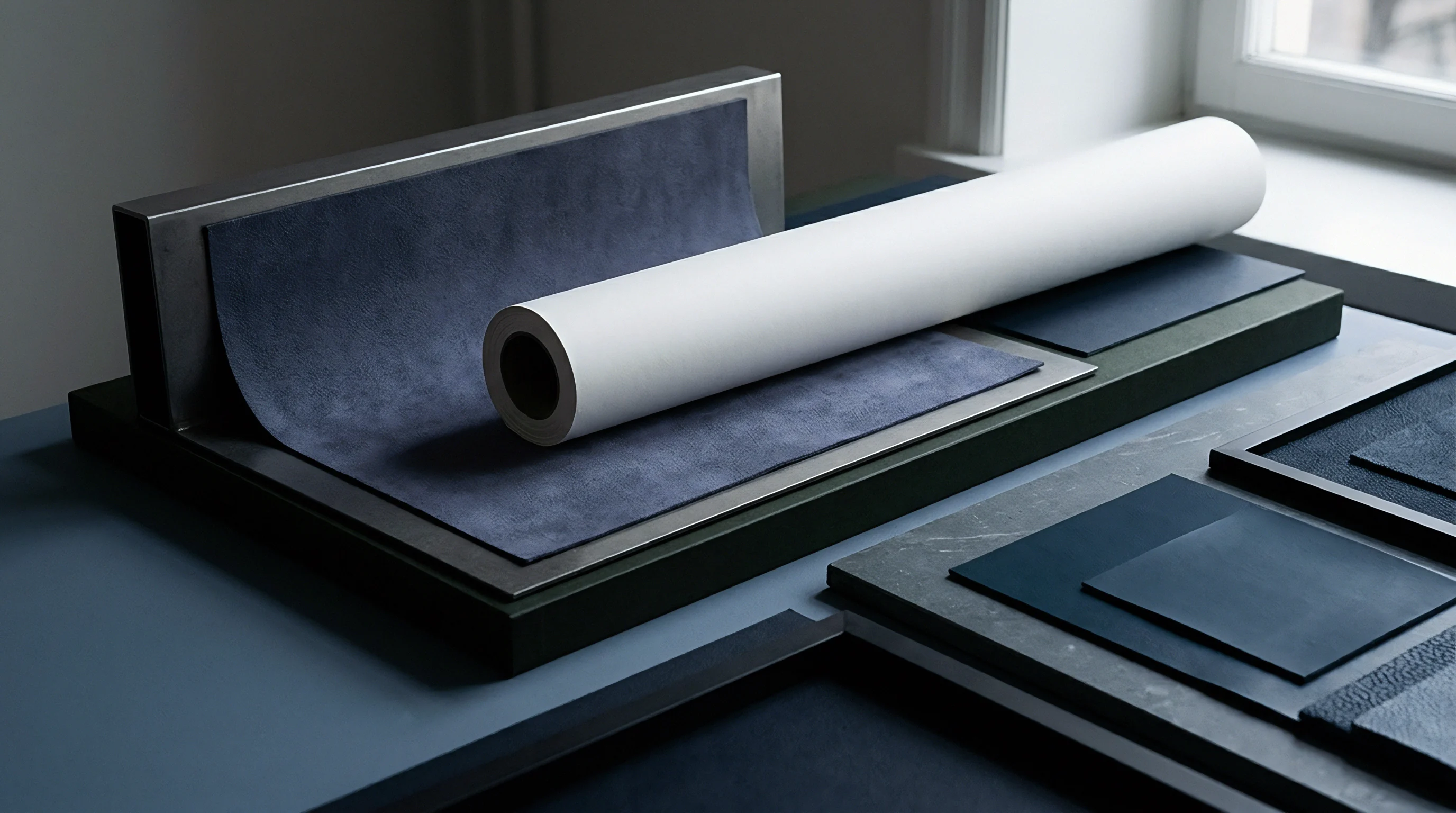
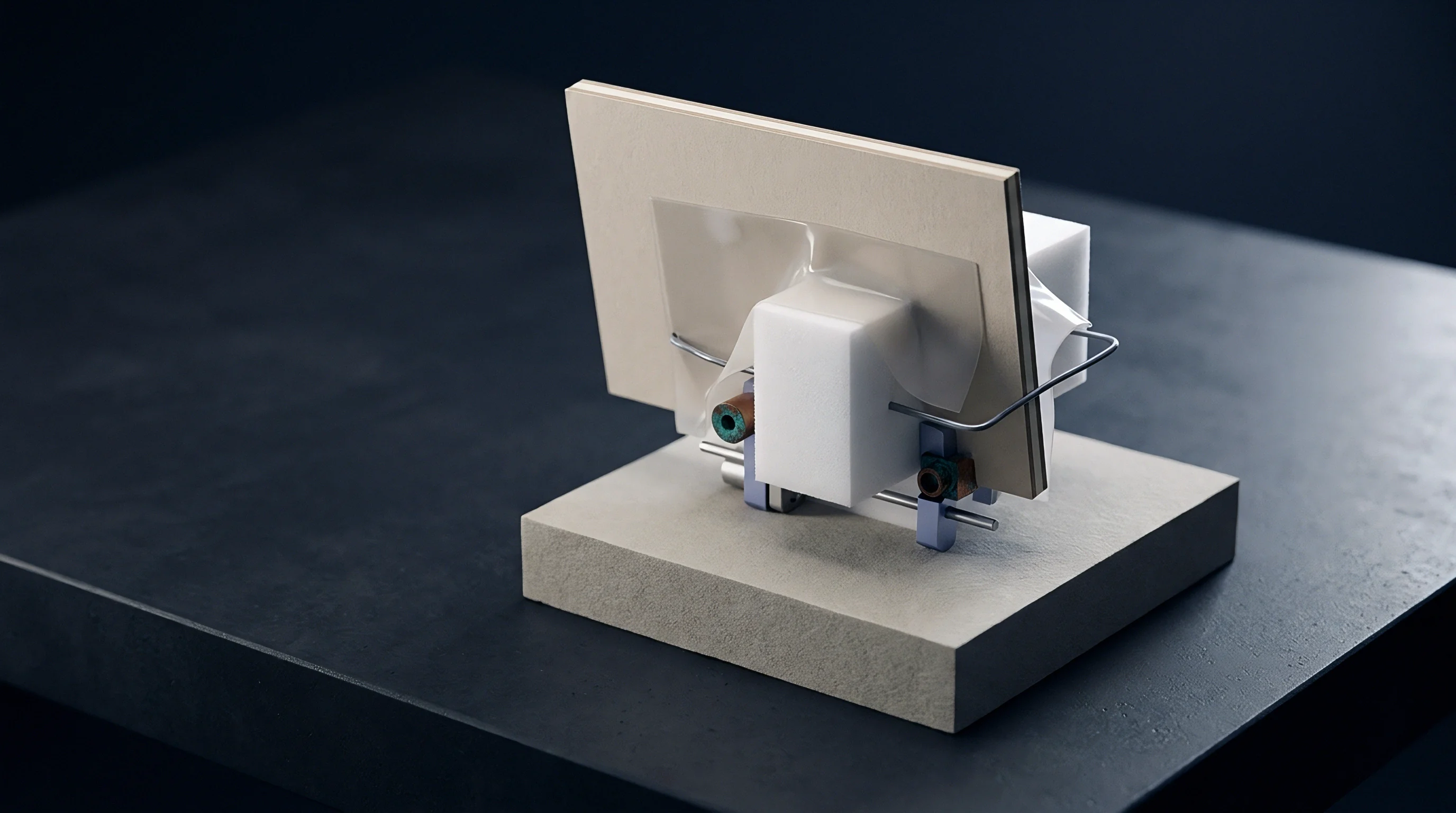
Scratch
Transit damage on premium folding cartons usually shows up as bright marring, burnishing, or visible dulling. Because soft-touch matte surfaces rely on micro-rough topography, they are particularly vulnerable to friction. Polyurethane elastomers offer elastic recovery that allows surface peaks to spring back after localized shear pressure, whereas rigid polypropylene or acrylic coatings permanently deform or break.

Surface Energy and Static Friction Metrics
Measuring kinetic resistance on a sled tester yields coefficients between zero point two five and zero point three five for crosslinked soft-touch films. Slide angle testing and horizontal plane coefficient of friction (CoF) instruments quantify how cartons slide against one another. Uncoated matte surfaces often show static friction values above zero point six zero, causing carton blanks to bind in automatic erector magazines.
Polyurethane soft-touch formulations blend in micronized wax dispersions or silicone additives to balance tactile warmth with slip performance. Keeping static friction below zero point three five lets folded cartons slide smoothly past one another under transit vibration without scuffing. Managing surface energy also prevents ink transfer and set-off when unvarnished sheets sit under heavy stack pressure on pallets.
| Film Topcoat Chemistry | Sutherland Load (lbs) | Cycles Completed | Receptor Sheet Type | Visual Abrasion Rating | Gloss Increase (GU) |
|---|---|---|---|---|---|
| Crosslinked Aliphatic PU | 4.0 | 1000 | Unprinted Kraft | No Visible Damage | < 0.3 |
| Standard Aliphatic TPU | 4.0 | 500 | Unprinted Kraft | Slight Surface Polish | 0.8 |
| Matte BOPP Soft-Touch | 2.0 | 250 | Unprinted Kraft | Moderate Marring | 2.4 |
| Uncrosslinked Aromatic PU | 4.0 | 500 | Unprinted Kraft | Heavy Scuffing / Dulling | 3.1 |

Transit Abrasion and Sutherland Testing Conditions
Standardized rub testing with a four-pound block over five hundred cycles simulates carton movement inside corrugated master shippers during long-haul freight. ASTM D5264 and TAPPI T830 standards specify Sutherland Rub Tester procedures for printed packaging. Under dry rub testing, polyurethane soft-touch laminates show minimal surface polishing compared to traditional matte films.
Wet rub testing with water or alcohol-water mixtures measures coating resistance to spills and humid logistics environments. Uncrosslinked soft-touch topcoats absorb water under rubbing, swelling the resin matrix and leaving a permanent milky haze. Fully cured crosslinked aliphatic polyurethane resists solvent penetration, retaining optical density and tactile feel after wet friction exposure.
Whether aliphatic polyurethane topcoats retain ultra-low friction levels after sustained exposure to temperatures above forty degrees Celsius in shipping containers remains under study.

Compliance
Applying soft-touch lamination to consumer folding cartons demands compliance with strict chemical safety regulations and end-of-life recovery protocols. Food packaging sets strict limits on migratable monomer residues and volatile organic compounds. Meanwhile, global recycling schemes penalize composite materials that hinder paper fiber repulping or leave non-separable plastic fragments in recovered pulp streams.
European Union Food Contact Regulations
Article 3 of Regulation 1935/2004 requires that materials intended for food contact must not transfer constituents in amounts that endanger human health or alter organoleptic qualities. Polyurethane soft-touch films on indirect food contact cartons must comply with Regulation 10/2011 chemical positive lists. Isocyanate monomer residues, specifically free monomeric MDI or TDI, must stay below toxicological limits to prevent primary aromatic amine formation.
Specific Migration Limits (SML) govern additives, crosslinkers, and photoinitiators in printed and laminated paperboard structures. Overall migration limit (OML) testing with food simulants like Isooctane, 10% Ethanol, and 3% Acetic Acid verifies chemical inertness. Thermal lamination layers also serve as functional barriers, retarding the migration of mineral oil saturated hydrocarbons (MOSH) and mineral oil aromatic hydrocarbons (MOAH) from recycled board fibers into dry food.
Deinking Guidelines and Pulp Repulpability
Laboratory disintegration testing under standard INGEDE protocol 11 checks whether film breaks into pieces larger than two hundred microns for mechanical screening. Modern paperboard mills use mechanical hydropulpers to separate cellulosic fibers from plastic laminates. High-strength polyurethane films resist shredding into micro-plastic fines during pulping, remaining intact as continuous sheets that screen out cleanly on slotted coarse screens.
Determining the plastic film mass fraction relative to total package weight dictates recycling fee tiers under extended producer responsibility schemes. European CEPI guidelines and PTS-RH 021/97 certification protocols establish repulpability thresholds. Plastic film content over five percent total dry weight triggers a non-recyclable classification or higher waste disposal tariffs across European Union member states.
Step-by-step regulatory verification for soft-touch folding cartons follows a structured qualification pathway:
- Obtain raw material declarations of compliance from polyurethane film manufacturers confirming conformity with EU 10/2011 and FDA 21 CFR 175.105.
- Perform overall migration limit testing on converted carton samples using ten percent ethanol for two hours at seventy degrees Celsius.
- Screen for primary aromatic amines to verify total migration stays under zero point zero one milligrams per kilogram of food simulant.
- Submit finished laminated carton samples to certified laboratories for PTS repulpability testing to obtain official recycling classification.
Section 4.2 of EN 13430 penalizes laminated board containing non-separable plastic films that exceed five percent total dry weight, lowering the carton’s certified repulpability score.

Tally
Evaluating the economics of polyurethane soft-touch films requires converting reel unit costs into yield per square meter and total run costs. Pricing film by weight obscures density differences between polymer chemistries. Polyurethane has a higher resin density than polyolefins, reducing coverage yield per kilogram and pushing up net finished packaging costs.

Yield Calculations and Density Differences
Polyurethane lamination films have a mass density of one point two grams per cubic centimeter, reducing coverage per kilogram compared to polypropylene. Standard biaxially oriented polypropylene soft-touch film has a density of zero point nine one grams per cubic centimeter. Evaluating a twenty-micron film thickness illustrates the yield gap between the two chemistries.
Standard volumetric yield equations show this clearly. For a 20-micron film, polypropylene yields 54.9 square meters per kilogram, whereas polyurethane yields 41.6 square meters per kilogram. Buying soft-touch film on a weight basis yields twenty-four percent less surface coverage per kilogram with polyurethane, directly driving up material costs per thousand finished cartons.
Make-Ready Waste and Total Run Cost Models
Setting up a thermal lamination pass can consume up to seventy-five boardstock sheets while heating rolls and synchronizing line speed. On short packaging runs of three thousand cartons, make-ready scrap represents a noticeable share of total project cost. Higher raw film prices amplify the financial loss from setup spoilage during thermal adjustments.
A commercial job cost model for a B2 folding carton run illustrates the cost difference between film chemistries. Consider a lot size of 10,000 sheets measuring 500 x 700 mm (total net area 3,500 square meters) printed on 350 gsm SBS boardstock with full ink coverage. Reel pricing sits at $3.20 per kg for matte soft-touch BOPP versus $8.50 per kg for high-grade thermal polyurethane (TPU/PET) film.
| Cost Parameter | Matte BOPP Soft-Touch | Aliphatic TPU Soft-Touch | Cost Delta ($) |
|---|---|---|---|
| Film Density (g/cm³) | 0.91 | 1.20 | +0.29 |
| Film Caliper (microns) | 18 | 20 | +2.0 |
| Specific Yield (m²/kg) | 61.0 | 41.6 | -19.4 |
| Total Film Mass Required (kg) | 57.4 | 84.1 | +26.7 |
| Raw Film Material Cost ($) | $183.68 | $714.85 | +$531.17 |
| Lamination Make-Ready Waste (sheets) | 50 | 75 | +25 |
| Total Laminated Pass Cost per 1k Sheets ($) | $42.50 | $98.20 | +$55.70 |
Between the higher reel price and lower physical yield per kilogram, thermal polyurethane soft-touch film adds roughly twelve to fifteen dollars per thousand finished B2 folding cartons compared to standard soft-touch polypropylene finishes.