Evaluating Surface Energy Decay in Thermal Polyurethane Film Lamination
Evaluating surface energy decay in thermal TPU lamination requires measuring polar force components to ensure bond strength before heat and pressure passes.

Mechanism
Polymer chain mobility in thermoplastic polyurethane films causes rapid surface restructuring after corona discharge treatment. Raw thermoplastic polyurethane consists of alternating hard segments from diisocyanate reactions and soft segments derived from polyester or polyether polyol chains. This block copolymer structure leaves a heterogeneous surface morphology with an initial total surface energy of 32 to 34 millinewtons per meter.
Electric discharge treatment bombards the film with high-energy electrons, breaking carbon-hydrogen bonds to form free radicals that react with atmospheric oxygen. The process grafts polar functional groups ~ mostly hydroxyl, carbonyl, carboxyl, and ester linkages ~ onto the polymer backbone, temporarily raising total surface energy to 48 or 52 millinewtons per meter.
This elevated surface energy state degrades during storage. Polyurethane soft segments have low glass transition temperatures, often between minus forty and minus twenty degrees Celsius at atmospheric pressure. At room temperature, these flexible polymer chains rotate freely around their molecular axes.
Driven to minimize interfacial free energy against ambient air, the film undergoes hydrophobic recovery: polar groups created by corona treatment turn inward toward the bulk matrix, while non-polar hydrocarbon chains rotate back to the surface. That reorientation reduces the active chemical bonding sites available to thermal lamination adhesives.
Polar Group Restructuring in Extruded Films
These structural shifts in the primary polymer matrix happen alongside additive migration. Extruded thermoplastic polyurethane formulations usually contain internal slip agents, anti-blocking compounds, and processing aids such as erucamide, oleamide, or low-molecular-weight waxes ~ species engineered for limited compatibility with the polyurethane matrix. After extrusion and surface treatment, these additives migrate through the amorphous soft-segment network toward the film surface, forming a weak boundary layer over the treated zone that masks polar sites and drops measured surface energy.
Decay rates follow non-linear kinetics tied to the resin grade’s hard-to-soft segment ratio. Polyether-based polyurethanes lose surface energy faster than polyester-based variants because ether linkages give the backbone greater mobility. At room temperature, polyether films lose up to six millinewtons per meter of surface energy within forty-eight hours.
Polyester grades resist soft-segment rotation longer, dropping roughly three to four millinewtons per meter over the same window. Storage conditions compound the effect; higher warehouse temperatures provide the activation energy for faster chain mobility and additive diffusion.
Decay testing under standard atmosphere shows polyether polyurethane films lose 8 millinewtons per meter of surface energy within 72 hours when held at 35°C in master roll format.
Pressure gradients within tightly wound rolls further destabilize surface energy. Compressive pressure near the aluminum or paperboard core of a mill roll can reach three to five bar, forcing tight contact between the treated face and the untreated back of the film. Polar groups on the treated side then form hydrogen bonds across the interface, causing blocking or transferring migratory additives from the reverse side.
As a result, surface treatment near the core degrades up to forty percent faster than on the tension-relieved outer wraps of the exact same production lot.
Thermally Induced Migration of Soft Segment Oligomers
Storage heat strongly accelerates decay kinetics. When a wound film roll experiences ambient temperatures over thirty degrees Celsius during transit or warehousing, the added thermal energy increases soft-segment mobility, letting unbound oligomers and residual synthesis catalysts migrate to the surface. The surface concentration of oxygen-containing functional groups drops exponentially as temperature climbs, following an Arrhenius-type dependency where the rate constant for surface restructuring doubles with every ten-degree Celsius increase above room temperature.
Humidity plays an underappreciated secondary role in polar decay. Water molecules penetrate hydrophilic soft segments and compete for hydrogen-bonding sites created by corona treatment. This absorbed moisture plasticizes the surface layer, lowering local glass transition temperatures and accelerating molecular motion.
Unwrapped film rolls stored in high relative humidity lose polar surface energy faster, even while the dispersive component holds steady. X-ray photoelectron spectroscopy confirms a continuous drop in the atomic oxygen-to-carbon ratio within the outer five nanometers of the film over time.
| Film Chemistry | Storage Temp (°C) | Storage RH (%) | Initial Total SE (mN/m) | 7-Day Total SE (mN/m) | 30-Day Total SE (mN/m) | Polar Fraction at 30 Days (%) |
|---|---|---|---|---|---|---|
| Polyester TPU (85 Shore A) | 23 | 50 | 50.2 | 45.8 | 42.1 | 18.4 |
| Polyester TPU (85 Shore A) | 40 | 80 | 50.2 | 40.3 | 36.5 | 11.2 |
| Polyether TPU (85 Shore A) | 23 | 50 | 51.5 | 43.1 | 38.2 | 12.6 |
| Polyether TPU (85 Shore A) | 40 | 80 | 51.5 | 37.8 | 34.1 | 6.8 |
| Aliphatic TPU (90 Shore A) | 23 | 50 | 48.8 | 46.2 | 44.0 | 22.1 |
Total surface tension drops sharply over the first seventy-two hours after treatment before leveling off toward an equilibrium baseline. That baseline represents the native surface energy of the untreated resin formulation plus whatever permanently fixed oxidized species remain. Converters attempting thermal lamination on rolls stored past this decay transition run into poor wet-out and low interlayer bond strength, because the adhesive layer cannot establish proper molecular contact once the polar component falls below critical wetting thresholds.
Film rolls shipped with an initial treatment specification above forty-four millinewtons per meter are often expected to remain processable for six months, though thermodynamic decay driven by soft-segment polyol mobility compromises surface energy much sooner.


Dyne
Evaluating surface tension on thermoplastic polyurethane requires isolating polar and dispersive force components. Standard lab practice relies on contact angle goniometry via the Owens-Wendt-Rabel-Kaelble method, which separates total surface energy into two distinct thermodynamic parameters. Dispersive interactions stem from London dispersion forces present in all polymers, whereas polar interactions arise from hydrogen bonding, dipole-dipole interactions, and Lewis acid-base relationships generated by surface functionalization.
Thermal polyurethane lamination relies mainly on this polar component to establish chemical bonding with ethylene-vinyl acetate or polyurethane-based thermal adhesives during processing.
Dyne inks made to standard test protocols offer a fast field check, but they obscure critical changes in surface chemistry. These liquid mixtures ~ usually composed of ethoxyethanol and formamide ~ measure total wetting tension rather than individual force vectors. When an operator runs a dyne pen across a polyurethane film surface, the solvent component can swell or dissolve low-molecular-weight additives on the surface layer.
That interaction shifts the liquid-solid contact angle during application, yielding an artificially high dyne reading that fails to track real bond strength on the production line.

Laboratory Goniometry against Field Test Fluids
Goniometric contact angle analysis uses probe liquids with known surface tension characteristics, specifically ultrapure water, diiodomethane, and ethylene glycol. Water has a high polar surface tension component of 51.0 millinewtons per meter out of a total 72.8 millinewtons per meter. Diiodomethane acts as a purely dispersive liquid, with zero polar contribution and a total surface tension of 50.8 millinewtons per meter.
Measuring sessile drop contact angles for these two liquids allows direct calculation of the film’s solid surface energy components through linear regression equations.
Field dyne solutions miss subtle additive blooming that drops polar energy while keeping total surface energy high. A polyurethane film surface contaminated with migrated erucamide slip agent might show a total dyne reading of forty millinewtons per meter because its dispersive component remains elevated. Goniometric evaluation reveals that the polar component on this surface has collapsed from fourteen millinewtons per meter down to two millinewtons per meter.
Thermal adhesives applied to this surface cannot form polar-polar chemical bonds, leading to immediate or latent peel failure under test conditions.
- Weak Boundary Layer Formation created by migrated low-molecular-weight waxes prevents intimate adhesive contact, causing interfacial delamination under low mechanical peel stress.
- Polar Component Collapse reduces thermodynamic work of adhesion below the threshold needed to bridge micro-roughness gaps on printed paperboard substrates.
- Fluid Swelling Interference during dyne ink application dissolves surface contaminants, generating false positive wetting indications on severely aged film stock.
- Contact Angle Hysteresis Expansion signals uneven surface oxidation levels across the web, leading to variable bond strength along the machine direction of the laminated roll.
Advancing and receding contact angles offer clear insight into surface energetic heterogeneity. Advancing angles track how a growing liquid droplet wets a fresh polymer surface, while receding angles track dewetting as liquid is withdrawn. The difference between these values defines contact angle hysteresis.
Freshly corona-treated polyurethane shows low hysteresis, marking a smooth, uniformly oxidized surface. As the film ages and undergoes hydrophobic recovery, hysteresis widens significantly ~ often expanding from ten degrees up to thirty degrees ~ signaling a patchy surface energy distribution that leads to localized micro-delamination under stress.

Polar Component Ratios in Polyurethane Adhesion
Adhesion performance depends heavily on matching the polar-to-dispersive ratio of the film surface with that of the thermal adhesive. Polyurethane thermal adhesive films and extruded ethylene-vinyl acetate tie layers carry specific polar requirements for interfacial spreading. Wetting will not occur spontaneously unless the total surface energy of the solid film exceeds that of the molten adhesive and the polar force component of the film matches that of the adhesive melt.
The work of adhesion (Wa) quantifies the thermodynamic energy required to separate the solid polyurethane film from the solidifying adhesive layer. Expressed through the Dupre equation modified for polar and dispersive components, the relationship shows that losing film polar energy causes a non-linear drop in total adhesion energy. When the film polar component drops below fifteen percent of total surface energy, the thermodynamic work of adhesion drops past the critical threshold needed for fiber-tear failure on paperboard, shifting the failure mode entirely to clean interfacial peel.
Contact angle goniometry confirms that a polar surface energy component below 6 mN/m guarantees interfacial adhesive failure regardless of total surface tension readings.
Roughness changes caused by aggressive corona treatment can also distort measurement accuracy. Heavy spark discharge micro-pits the soft polyurethane film, increasing true surface area relative to projected geometric area. Under Wenzel relationships, surface roughness amplifies the apparent contact angle of a wetting liquid; on an oxidized surface, it lowers the apparent angle and gives an impression of higher chemical reactivity than actually exists.
Advanced optical profilometry combined with drop shape analysis isolates geometric roughness factors from true thermodynamic surface chemistry, preventing misinterpretation of aged, over-treated film stock.
A dyne reading derived from solvent-based test fluids offers no guarantee of bond integrity when the underlying surface suffers from polar decay.
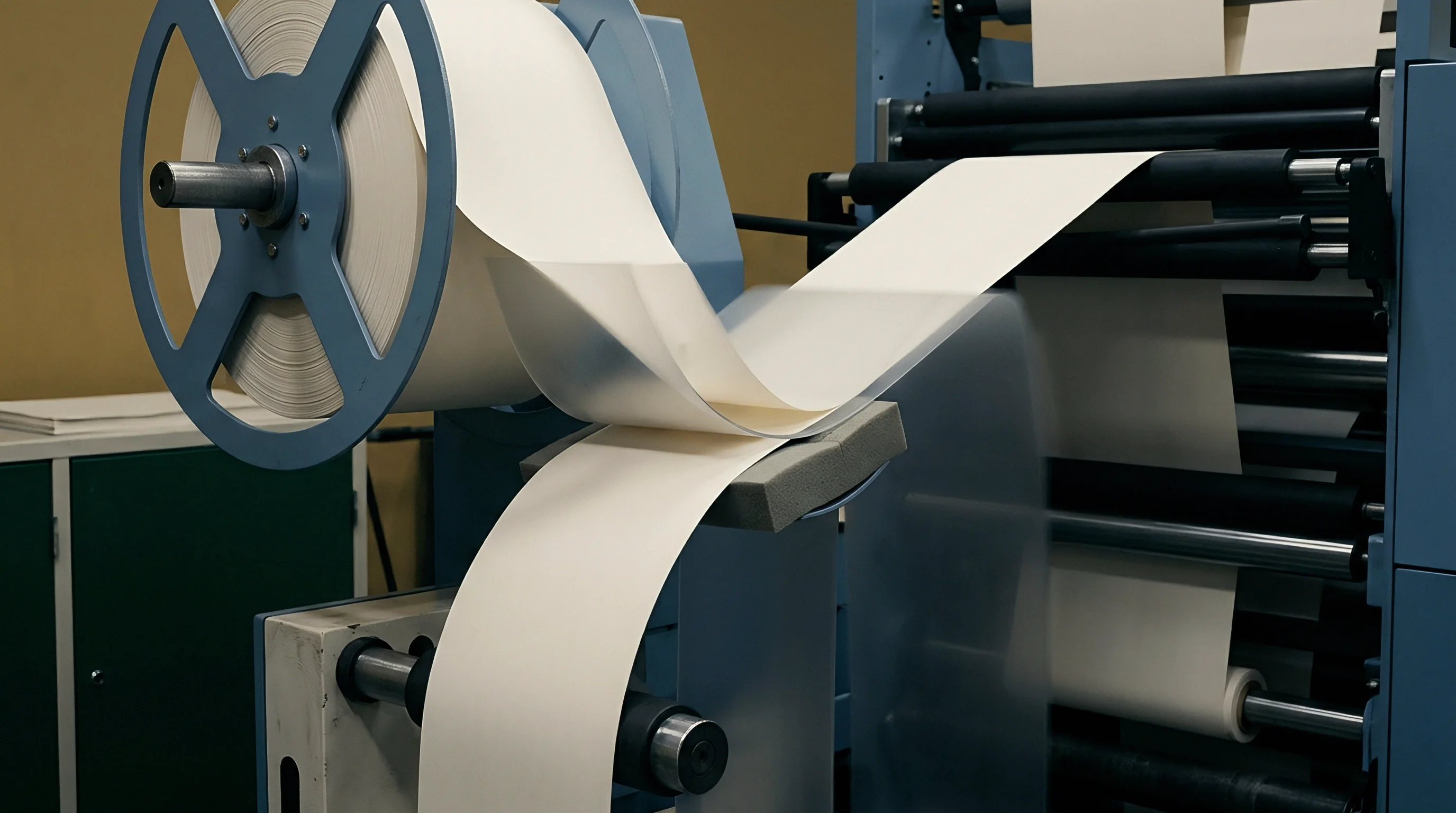
Heat
Thermal lamination of polyurethane films requires tight control over interface temperature, mechanical pressure, and web dwell time. The laminator nip assembly transfers thermal energy from a heated chrome steel roll through the polyolefin or polyurethane film layer down to the adhesive interface. Polyurethane films exhibit distinct thermal sensitivity compared to oriented polypropylene or polyester films.
Soft-segment domain mobility rises sharply as interface temperatures approach eighty degrees Celsius, altering the mechanical modulus of the film while influencing interfacial bond development.
Temperature profile management across the calender roll nip dictates adhesive flow and wet-out. The thermal adhesive layer ~ frequently composed of ethylene-vinyl acetate with vinyl acetate content between twenty-eight and forty percent, or a low-melting polyurethane copolymer ~ must reach its softening point to flow into substrate surface contours. For standard thermal films, the interface temperature must reach ninety-five to one hundred fifteen degrees Celsius under pressure.
Higher nip temperatures lower adhesive viscosity, enhancing physical mechanical interlocking with the printed substrate board.

Calender Roll Dynamics and Interface Temperatures
Nip pressure compresses the molten adhesive layer against the decaying film surface, forcing tight molecular contact across the web width. Steel-to-rubber roll combinations apply localized line pressures typically set between twenty and fifty Newtons per millimeter. This mechanical compression forces air out of interfacial micro-voids, maximizing real contact area.
Excessive nip pressure on soft polyurethane films causes lateral web stretching and machine-direction stress accumulation, leading to post-lamination sheet curl or dimensional instability after slitting.
Web dwell time within the thermal nip determines the heat transfer volume delivered to the adhesive interface. Dwell time depends directly on production line speed and nip contact length. At line speeds exceeding forty meters per minute, the dwell time within a standard twenty-millimeter nip width drops below thirty milliseconds.
This brief exposure limits heat penetration through thicker polyurethane films (fifty microns and above), preventing the adhesive from reaching optimal melt viscosity unless calender roll surface temperatures are elevated to compensate.
Heat exposure during the lamination pass accelerates residual surface energy decay kinetics on unbonded regions of the film web. High calender roll temperatures supply thermal energy that triggers rapid hydrophobic recovery in treated film zones that do not achieve immediate full contact with the adhesive layer. If the film surface energy has already degraded prior to entering the heated nip, elevated thermal energy cannot fully restore chemical reactivity.
The thermal energy simply increases chain mobility, allowing polar functional groups to bury deeper into the bulk film structure away from the adhesive interface.
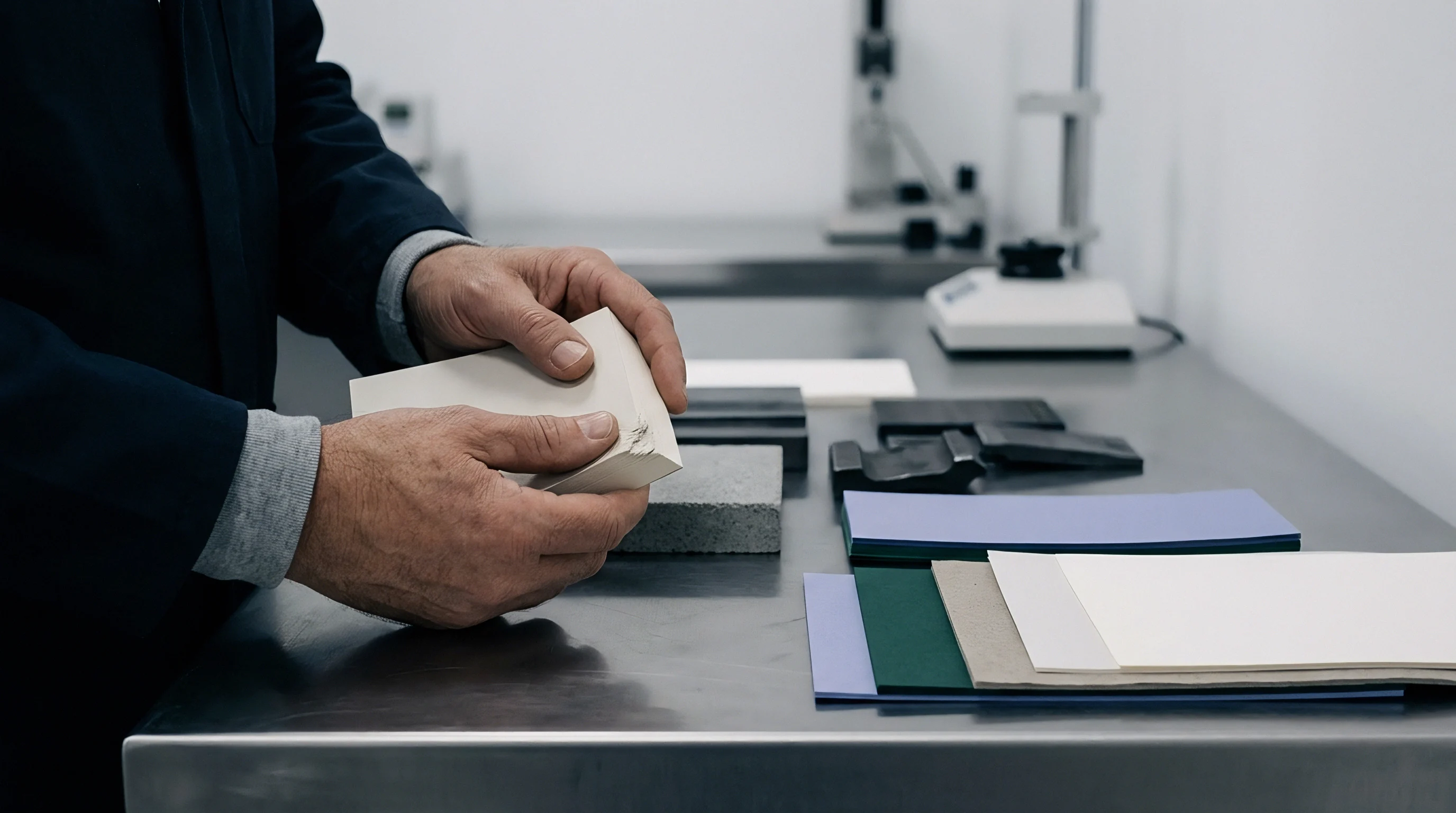
Soft Block Mobility during High Temperature Compression
Soft segment polyurethane blocks undergo reversible thermal softening within the lamination nip. This softening lowers the storage modulus (G’) of the film, allowing it to deform conformally over raised printed features, such as heavy ink film deposits or metallic foil stampings. However, if the surface energy of the polyurethane film has decayed significantly, this mechanical conformity creates a false impression of good adhesion.
The film conforms closely to the substrate topography under heat and pressure, but lacks the polar chemical bonds required to resist peel forces after cooling.
| Film Surface State | Nip Surface Temp (°C) | Nip Line Pressure (N/mm) | Line Speed (m/min) | Initial Peel Strength (N/25mm) | 14-Day Peel Strength (N/25mm) | Observed Failure Mode |
|---|---|---|---|---|---|---|
| Fresh (>48 mN/m, Polar >14) | 105 | 30 | 35 | 14.2 | 15.8 | Substrate Fiber Tear |
| Aged (42 mN/m, Polar 8.5) | 105 | 30 | 35 | 9.1 | 5.4 | Interfacial Adhesive Peel |
| Aged (42 mN/m, Polar 8.5) | 125 | 45 | 20 | 11.8 | 7.2 | Interfacial Adhesive Peel |
| Severely Aged (<38 mN/m, Polar <4.0) | 130 | 50 | 15 | 6.2 | 2.1 | Clean Film Delamination |
Cooling zone control following the heated nip assembly fixes the crystalline structure of the thermal adhesive and sets the final bond strength. Rapid chilling using a chilled roller set to fifteen degrees Celsius locks the adhesive into an amorphous, high-tack state before contraction stresses develop. Uncontrolled, slow cooling at room temperature allows secondary crystallization within ethylene-vinyl acetate adhesives, generating internal shrinkage stresses that pull the adhesive layer away from a degraded, low-energy polyurethane film surface.
Thermal nip contact below 100°C combined with an aged film surface measuring under 40 mN/m results in bond strength loss exceeding 60 percent within 14 days of converting.
Thermal stress accumulation within the laminated construction becomes apparent during conversion processes like die-cutting, scoring, and folding. As the laminate returns to ambient temperature, differential thermal expansion coefficients between the polyurethane film, thermal adhesive layer, and cellulose paperboard substrate generate internal shear forces at the interface. If the thermodynamic surface energy of the film was deficient at the time of thermal compression, these residual shear stresses cause post-converting edge lifting or tunneling along crease lines.
Increasing nip compression and temperature beyond standard operating limits rarely compensates for severe surface energy loss without inducing heat-related film distortion.

Ink
Substrate surface chemistry largely dictates the ultimate bond integrity of laminated thermal polyurethane films. Printed paperboard carriers introduce complex chemical interfaces consisting of cellulose fibers, mineral coatings, pigment binders, offset inks, varnish resins, and anti-setoff additives. Polyurethane thermal films applied over offset or digitally printed sheets must form a continuous bond across both unprinted coating areas and heavy ink solids.
Volatile compounds, unreacted monomers, and surface additives in the ink layer interact directly with the polyurethane film interface.
Sheetfed offset inks cure through a combination of solvent absorption into the board substrate and oxidative polymerization of vegetable oils and alkyd resins. This oxidative drying mechanism generates volatile byproducts, including aldehydes, ketones, and carboxylic acids, while utilizing metal catalysts like cobalt and manganese octoates. When thermal polyurethane film is applied over offset inks that have not fully cross-linked, these trapped volatile organic compounds and active catalyst residues migrate into the polyurethane film interface.
These compounds plasticize the thermal adhesive and attack the polar bonds at the polyurethane surface, inducing progressive bond degradation over weeks of storage.

Anti Setoff Powders and Alkyd Resin Interactions
Anti-setoff starch powders present a physical barrier to film lamination adhesion. Spray powders based on natural food starches or coated calcium carbonate particles are applied to fresh offset sheets to prevent ink transfer in the delivery pile. Particle size distributions range from fifteen to forty-five microns.
When the laminated polyurethane film encounters these particles under heat and pressure, the starch grains become embedded at the adhesive interface. Each powder particle creates a micro-void where the adhesive cannot touch the substrate, reducing real contact surface area by up to thirty percent on heavily dusted sheets.
Powder particles also adsorb ambient moisture, forming weak boundary spots directly beneath the film. Vacuum sheet cleaning equipment positioned immediately upstream of the laminator nip removes loose powder, but embedded or electrostatically bound particles remain attached to the ink film. Thermal adhesives applied over heavy powder deposits show severe strength degradation during T-peel testing, with failure initiating precisely at the powder particle clusters.
- Inspect printed sheet surfaces under angled lighting to quantify anti-setoff powder density and identify localized dusting spikes.
- Measure ink dry state using solvent rub resistance testing according to standard laboratory methods to confirm complete oxidative cross-linking.
- Perform contact angle measurements on unprinted versus printed zones of the cured sheet to baseline substrate wetting behavior.
- Execute drawdown test passes with the selected thermal polyurethane film stock to evaluate immediate fiber-tear performance before launching full production.
UV-curable offset and flexographic inks present distinct chemical compatibility challenges. These inks cure via free-radical polymerization of acrylate monomers initiated by photoinitiators exposed to ultraviolet radiation. Incomplete UV curing leaves residual acrylate monomers and unreacted photoinitiator species on the printed surface.
Acrylate monomers possess high solubility in thermoplastic polyurethane soft segments. Following lamination, these unreacted monomers diffuse into the polyurethane film layer, swelling the interface and destroying polar adhesion forces established during the thermal pass.
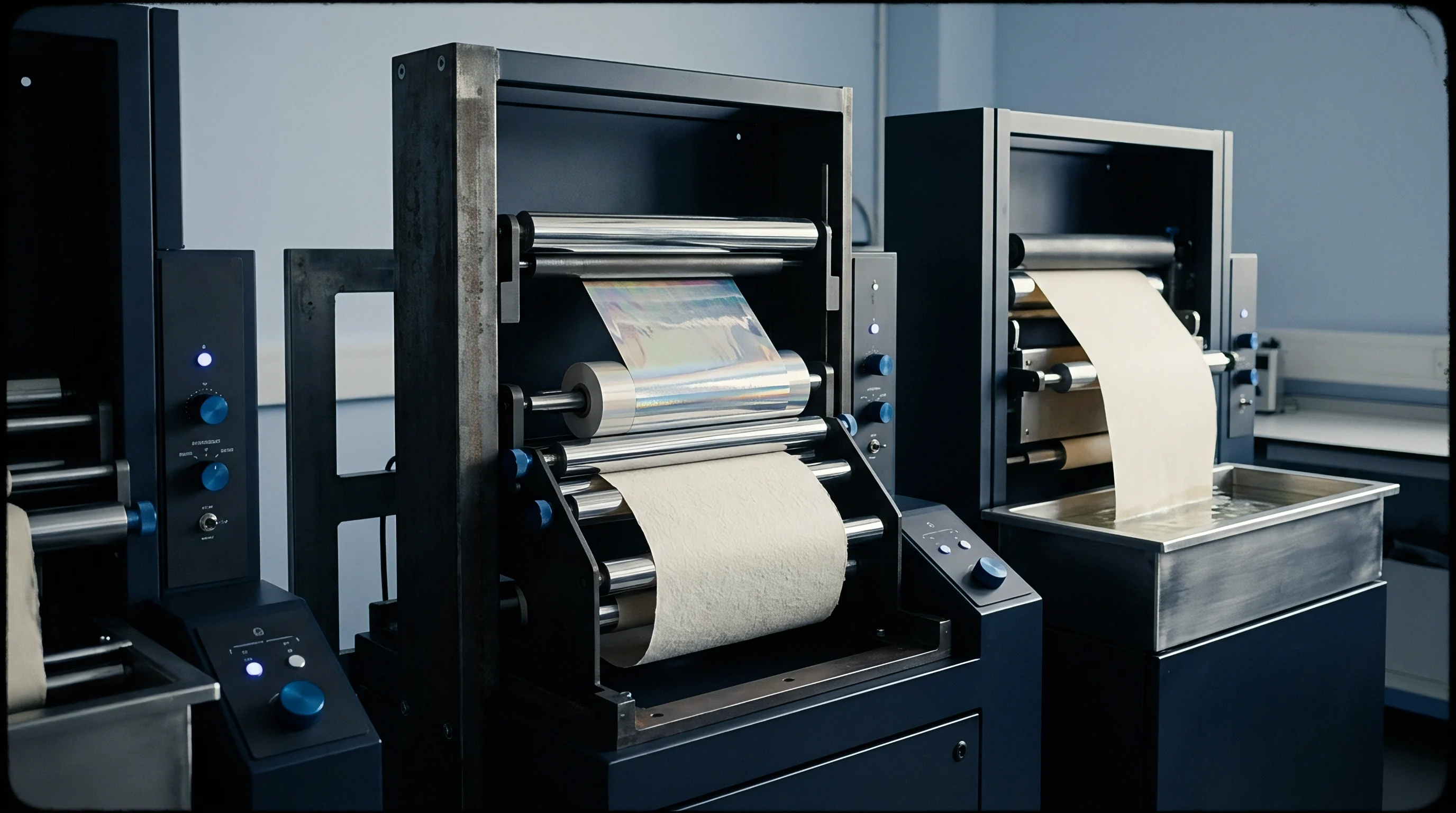
Digital Toner Wax Migration to the Laminate Interface
Digital electrophotographic printing systems introduce low-melting synthetic waxes directly onto the substrate surface. Toners used in liquid and dry electrophotography contain polyethylene waxes, carnauba waxes, or silicone oils added to promote clean release from fuser rollers. These wax additives migrate to the top surface of the toner deposit during the high-temperature fusing pass, creating a hydrophobic layer with surface energy values as low as twenty-two to twenty-six millinewtons per meter.
Thermal polyurethane film applied over digital toner deposits encounters severe wetting failure due to this low-energy wax film. The molten thermal adhesive cannot wet out the liquid toner layer, causing complete delamination over heavy toner coverage areas while adhesion over unprinted board margins remains strong. Specialized digital thermal films incorporate modified adhesive layers containing resin tackifiers designed to dissolve surface waxes during the heated nip pass.
Standard polyurethane thermal films applied over un-primed digital toner surfaces inevitably suffer total adhesion loss within seventy-two hours of converting.
Silicone additives used as defoamers or slip agents in water-based overprint varnishes present an equally severe hazard. Organo-modified siloxanes migrate rapidly to the air-varnish interface during drying, lowering surface tension to prevent cratering and improve rub resistance. If a converter applies thermal polyurethane film over a siliconized water-based varnish, the siloxane layer acts as a permanent release agent.
Thermal adhesives cannot penetrate or dissolve the silicone network, resulting in zero peel resistance across the varnished areas.
Ignoring print dry times and failing to audit anti-setoff powder application rates destroys lamination bond integrity, forcing costly manual sorting, total job rejection, and non-recoverable material waste.


Audit
Verifying surface energy stability requires a structured inline and offline monitoring protocol across the entire converting chain. Master roll stock must undergo incoming quality control testing before release to production lines. Storage duration, thermal history, and atmospheric conditions must be tracked continuously using integrated warehouse management protocols.
Relying on supplier certificate of analysis documentation without secondary bench verification exposes converting operations to severe batch failure risks.
Predictive decay modeling provides a framework for managing film roll inventory. Decay kinetics follow an exponential retention equation where surface energy at time t depends on initial post-treatment energy, baseline equilibrium energy, and a temperature-dependent rate constant k. Formulated as:
SE(t) = SEinfty + (SE0 – SEinfty) · e-kt
Operators can plot mathematical decay curves for specific film grades stored under known warehouse conditions. Calculating rate constants across various temperature bands allows pre-determining the maximum allowable storage shelf-life for a roll before it must be routed to an inline corona re-treatment station.
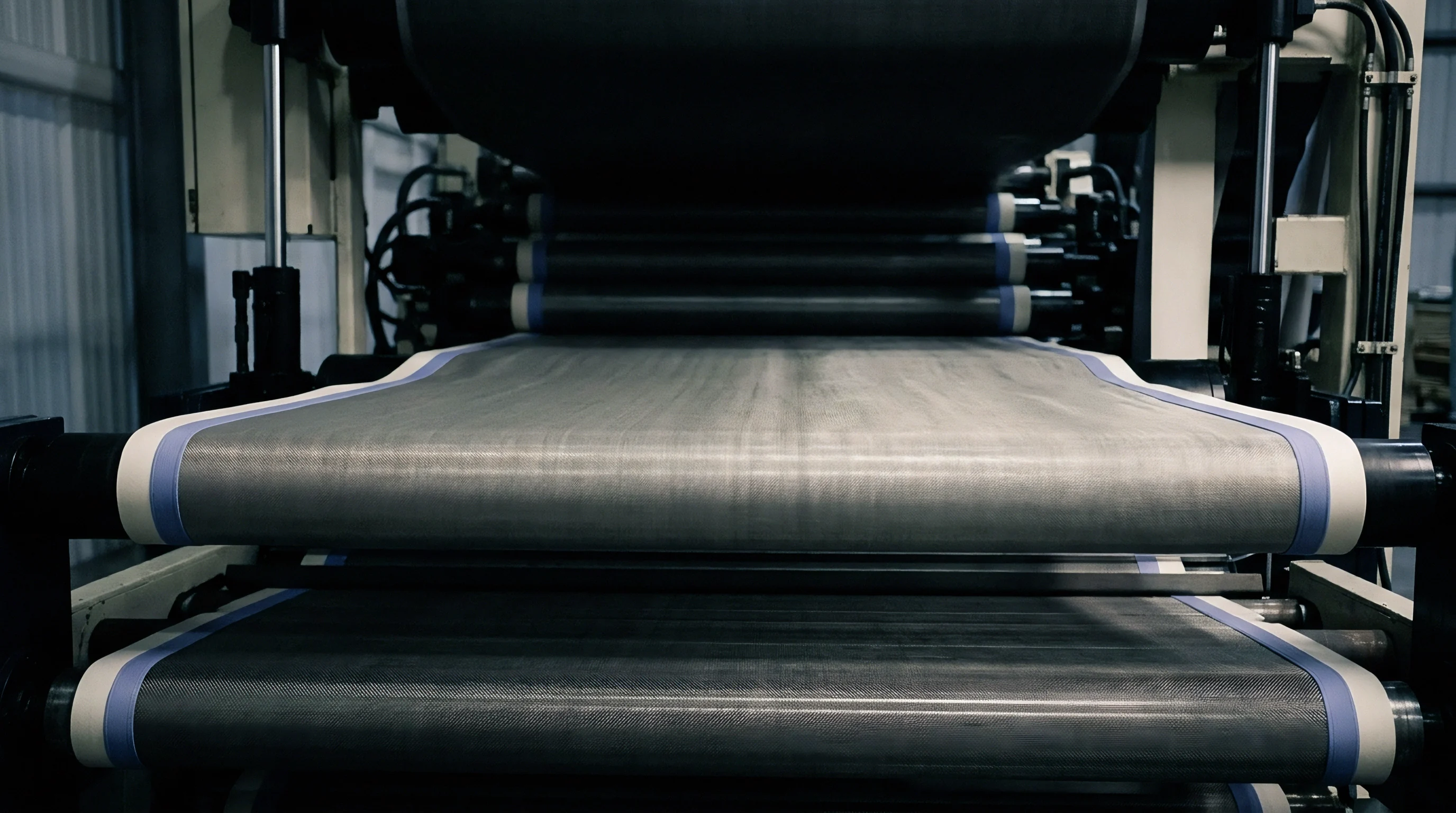
Predictive Decay Curve Modeling for Inventory Management
Testing protocols must standardize atmospheric conditioning prior to measurement. ISO 187 defines standard conditioning parameters of twenty-three degrees Celsius and fifty percent relative humidity. Polyurethane film samples taken from stored master rolls must sit within this controlled atmosphere for a minimum of four hours to eliminate surface moisture variations before contact angle or dyne testing.
Testing unconditioned samples directly from cold or humid storage environments generates highly erratic surface tension data that obscures true surface decay states.
Sample positioning across the roll width must capture edge-to-center performance gradients. Surface energy decay frequently progresses faster along outer roll edges exposed to ambient humidity and air exchange than within the compressed core center. Technicians must sample across five designated web positions: operator edge, operator shoulder, center, drive shoulder, and drive edge.
A roll exhibiting acceptable energy levels in the center but decayed edges will cause edge-flashing delamination along the converted web margins.
| Film Formulation Class | Storage Temp Environment (°C) | Target Process SE Threshold (mN/m) | Maximum Holding Time (Days) | Recommended Retest Frequency (Days) | Inline Corona Power Requirement (kW) |
|---|---|---|---|---|---|
| Standard Polyester TPU | 15 – 20 | 42.0 | 60 | 14 | 1.5 |
| Standard Polyester TPU | 28 – 35 | 42.0 | 18 | 3 | 2.2 |
| Soft Polyether TPU | 15 – 20 | 42.0 | 30 | 7 | 2.0 |
| Soft Polyether TPU | 28 – 35 | 42.0 | 7 | 1 | 3.5 |
| Low-Slip Aliphatic TPU | 15 – 20 | 44.0 | 90 | 30 | 1.0 |
Qualifying film lots requires testing immediate and post-aging peel performance. Adhesion testing performed immediately post-lamination via ASTM D903 180-degree peel method or FINAT FTM 1 90-degree peel method provides an initial baseline, but does not capture latent delamination risks. Laminated test samples must undergo accelerated aging within an environmental chamber set to sixty degrees Celsius and eighty percent relative humidity for seventy-two hours.
Post-aging peel tests reveal whether polar decay or additive migration will degrade the interface over extended product distribution cycles.

Which Surface Treatment Retention Threshold Prevents Post-Lamination Polyurethane Debonding?
Maintaining a minimum polar surface energy component of nine millinewtons per meter alongside a total surface energy threshold of forty-two millinewtons per meter prevents post-lamination debonding across all standard offset and flexographic paperboard applications. When incoming film stock registers below this target during receiving audits, the material must be flagged for corona re-treatment or restricted to low-stress secondary packaging jobs. Setting receiving thresholds above production line minimums builds a safety buffer against secondary decay during work-in-progress holding periods.
- Incoming Roll Surface Energy Verification using contact angle goniometry ensures raw material meets baseline polar specifications before assignment to production.
- Environmental Storage History Logging tracks cumulative thermal exposure to identify accelerated additive migration risks in stored roll inventory.
- Accelerated Chamber Sample Aging exposes laminated test pull-offs to heat and moisture to verify long-term bond stability prior to full press run sign-off.
- Inline Treatment Power Calibration correlates dielectric discharge output with line speed to guarantee uniform surface energy restoration during re-pass processing.
Inline atmospheric plasma or corona treater integration provides the most direct protection against surface decay issues. Mounting a dielectric barrier discharge treater unit directly on the laminator unwind section allows re-oxidizing the film surface seconds before it enters the thermal calender nip. Discharge densities between fifteen and thirty Watt-minutes per square meter restore surface energy levels to fifty-two millinewtons per meter, reversing thermodynamic hydrophobic recovery and stripping away weak boundary layers created by additive migration.
Quality assurance contracts must incorporate standard rejection clauses specifying that incoming film rolls displaying total surface energy below forty-two millinewtons per meter or polar force components below eight millinewtons per meter measured under ISO 187 atmospheric conditions shall be deemed non-conforming goods subject to full credit or immediate replacement at the supplier’s expense.

Recourse
Financial exposure resulting from unmitigated surface energy decay manifests in material scrap, customer rejections, line downtime, and contractual indemnity claims. Lamination failures rarely show during the initial press run; latent debonding usually develops after laminated sheets undergo folding, scoring, die-cutting, embossing, or temperature cycling during transit. A batch of packaging cartons that delaminates at a retail fulfillment center triggers costly reverse logistics, total product repacking, and severe commercial penalties for the packaging converter.
Scrap arithmetic demonstrates the extreme asymmetry between prevention costs and failure costs. Installing an inline corona re-treatment station on a standard 1020-millimeter thermal lamination line requires a capital investment of approximately thirty-five thousand to fifty thousand euros. Conversely, a single rejected job run of fifty thousand luxury folding cartons laminated with aged, unverified thermoplastic polyurethane film carries direct costs that easily exceed forty thousand euros in combined paperboard stock, ink passes, machine time, and scrap disposal fees.

Tooling and Rework Cost Sensitivity Analysis
Converting stressed laminated board amplifies latent adhesive flaws. High-speed die-cutting machines crush board edges under hundreds of tons of mechanical pressure, forcing shear stresses directly through the lamination bond interface. If the polyurethane film surface energy decayed prior to lamination, the impact of the cutting rule causes immediate micro-delamination along every cut line.
Subsequent folding at ninety or one hundred eighty degrees stretches the outer polyurethane film layer, generating high tensile stress that peels the compromised adhesive away from the board fibers.
Embossing and foil stamping passes apply severe localized heat and mechanical deformation to the laminated surface. Deep-draw embossing tools push the polyurethane film to its elongation limits. When applied over a decayed surface with inadequate polar bonding, the stretched film snaps away from the debossed channels over time, producing bubbles and visible surface clouding.
Reworking these defective units is impossible, leaving total job scrapping as the only operational alternative.
Implementing inline corona treatment increases per-unit lamination costs by less than two-tenths of a cent while eliminating a seven-percent baseline job reject rate caused by film surface decay.

Financial Calculation of Inline Treatment Retrofits
Calculating the true landed cost of lamination quality control involves weighing waste rates against capital expenditure amortization. Assuming a high-volume converting plant processes two million square meters of thermal polyurethane film annually, a thirty-five-thousand-euro inline corona treater amortized over five years represents an operational cost of less than four-tenths of a cent per square meter. Factoring in energy consumption and routine electrode maintenance adds less than one-tenth of a cent per square meter to line running costs.
The financial return becomes compelling when evaluated against waste reduction. Unverified film stock causes an average spoilage rate of three to five percent across variable storage conditions. On high-value substrates like virgin solid bleached sulfate board combined with specialty polyurethane films, material costs exceed one euro per square meter.
Eliminating just one percent of material spoilage through inline treatment quality control recovers the total capital investment of the treater retrofit within twelve months of continuous operation.
Converters must establish clear legal liability protocols with substrate and film supply partners. Purchase dockets must explicitly define required surface treatment levels upon arrival, maximum allowable additive bloom limits, and shelf-life energy retention guarantees. When raw material suppliers know their stock is audited via standard contact angle goniometry upon receipt, delivery of marginal or severely aged film inventory decreases dramatically across the supply chain.
Storage protocol enforcement must mirror raw material intake rigor. Maintaining climate-controlled storage zones held strictly between eighteen and twenty-two degrees Celsius with fifty percent relative humidity prevents premature soft-segment relaxation and extends usable roll shelf life. Film rolls must remain in their original vacuum-sealed moisture-barrier wrapping until the precise moment of mounting onto the laminator unwind stand.
Unwrapped rolls exposed to ambient shop floor humidity and temperature fluctuations over weekend shutdowns suffer rapid polar surface decay, turning a qualified material lot into a prime cause of sudden production line failure.