Dynamic Soft Segment Mobility and Thermally Accelerated Hydrophobic Recovery Kinetics in Extruded Thermoplastic Polyurethane Film Extrusion
Dynamic soft segment mobility drives thermal hydrophobic recovery in extruded TPU, demanding roll core cooling below 30°C to avert lamination failure.

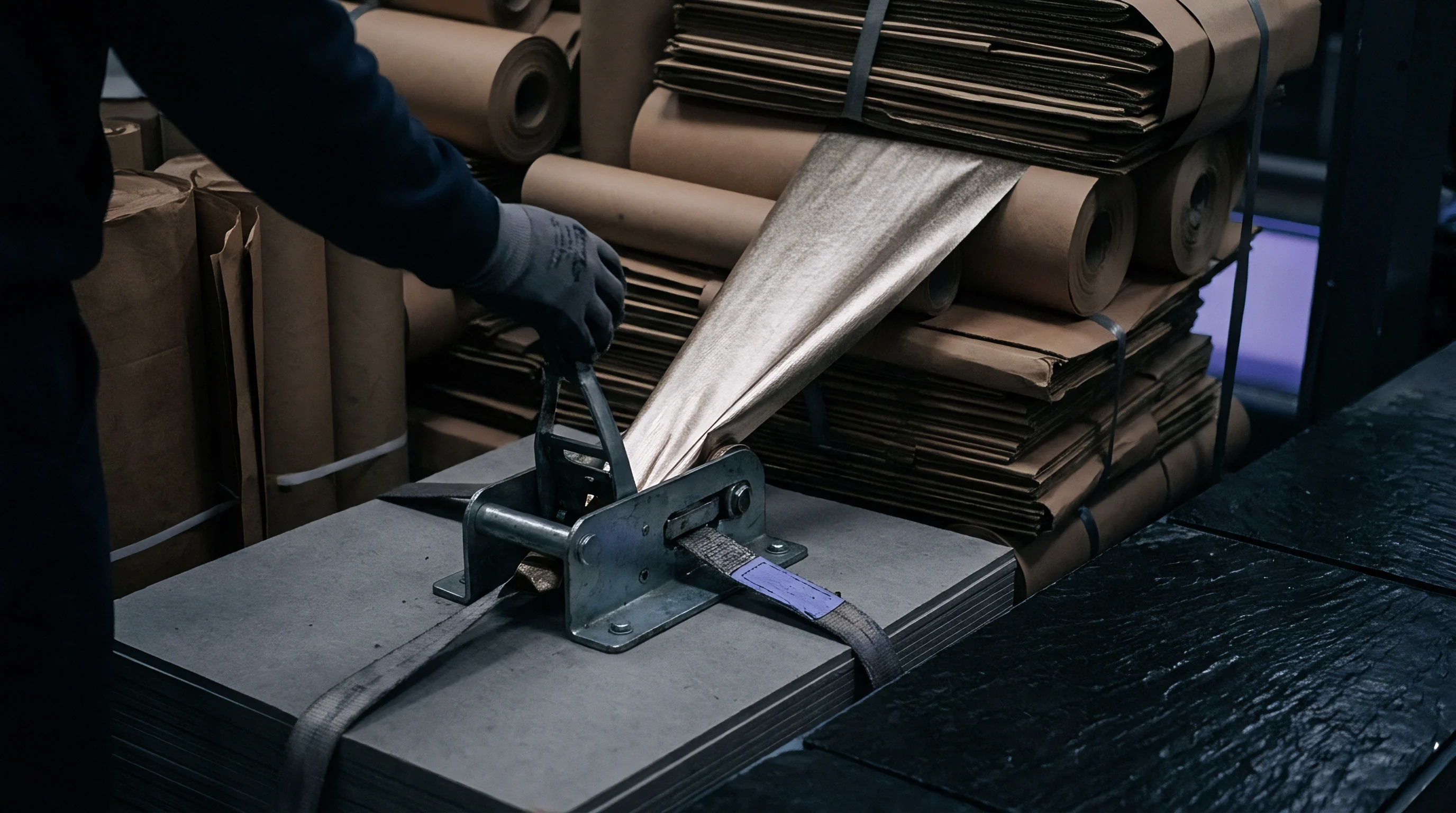
Quench
Cast line chill rolls fix the baseline morphology of extruded thermoplastic polyurethane before secondary converting lines unroll the web. Polyether and polyester aromatic formulations leave the flat die lip at temperatures between 195 and 215 degrees Celsius. Molten polymer encounters the primary chrome casting roll conditioned between 15 and 35 degrees Celsius.
This sudden thermal drop arrests polymer chains in non-equilibrium conformations. Hard segments built from 4,4-diphenylmethane diisocyanate and 1,4-butanediol chain extenders freeze rapidly into disordered domains. Simultaneously, flexible polyether or polyester soft segment blocks retain high chain compliance.
The glass transition temperature of these soft segments sits between minus 45 and minus 20 degrees Celsius. Ambient slitting floor conditions remain forty to sixty degrees above that soft block glass transition.
Surface energy measurements taken immediately after cast roll pin-off show wet-out values exceeding 44 dynes per centimeter on untreated web surfaces. The sudden cooling forces urethane carbonyls, ether linkages, and ester dipoles toward the outermost three nanometers. Contact angle goniometry using deionized water indicates initial advancing angles between 62 and 68 degrees.
Freshly extruded rolls wound under these conditions appear receptive to solventless polyurethanes, waterborne acrylic primers, and vacuum metallizing. That receptive state decays rapidly inside the wound master roll. Internal roll winding pressures ranging from 0.4 to 1.2 megapascals combine with core retention temperatures exceeding 40 degrees Celsius.
An unchilled master roll core accelerates chain relaxation before the web ever reaches the slitter rewinder.
Polyether soft segments possess extreme segmental rotation along aliphatic carbon-oxygen backbones. Rotational energy barriers across carbon-oxygen ether bonds average 4.2 kilojoules per mole. Carbon-carbon bonds in standard polyolefins demand more than 12 kilojoules per mole to undergo similar conformational adjustments.
The low steric hindrance of tetramethylene oxide units permits rapid spatial reorientation. When ambient thermal energy supplies continuous vibrational excitation, high-energy polar functional groups retreat beneath the surface. Low surface energy methylene groups flip toward the air interface.
The film develops a non-wetting skin while resting in warehouse staging racks.
Does Die Land Shear Predetermine Soft Phase Exposure?
Extrusion die geometry imposes severe velocity gradients across the molten web caliper before the polymer contacts the chill roll. Wall shear rates inside the die land frequently exceed 450 reciprocal seconds during high-throughput runs. High molecular weight chains stretch along the machine direction under this shear field.
Hard domain segregation kinetics stall until the melt clears the die exit. Once external stress vanishes in the air gap, elastic recovery forces drive soft aliphatic segments toward surfaces of high curvature.
Cooling rates govern the depth of phase separation across the film caliper. A rapid water-quench or a low-temperature chrome chill roll pins the extended chains before secondary microphase separation completes. Slow cooling on warm chill rolls permits hard segments to associate into crystalline lamellae, pushing remaining soft domains into isolated amorphous regions.
The resulting film exhibits lower immediate surface tension because aliphatic groups migrate freely while the matrix cools slowly.
Cooler chill roll faces yield higher starting surface energies that decay faster during conversion.
Segregation
Microphase separation in thermoplastic polyurethanes stems from thermodynamic incompatibility between polar hard blocks and non-polar soft blocks. Flory-Huggins interaction parameters between aromatic urethane segments and polyether polyols range from 0.28 to 0.45 at processing temperatures. This positive interaction parameter promotes spontaneous demixing during the cooling cycle.
Segmental demixing occurs concurrently with surface energy minimization. The atmosphere surrounding the cooling film exhibits a surface energy near zero dynes per centimeter. The thermodynamic system drives species with the lowest cohesive energy density directly to the film-air boundary.
| Polyol Backbone Type | Glass Transition Celsius | Initial Water Contact Angle | Aged Water Contact Angle | Equilibrium Dyne Level |
|---|---|---|---|---|
| Polytetramethylene Ether Glycol 1000 | -52 | 64 deg | 88 deg | 34 dynes/cm |
| Polytetramethylene Ether Glycol 2000 | -68 | 61 deg | 94 deg | 31 dynes/cm |
| Polybutylene Adipate Polyester 1000 | -38 | 68 deg | 82 deg | 38 dynes/cm |
| Polycaprolactone Polyester 2000 | -44 | 66 deg | 85 deg | 36 dynes/cm |
| Polycarbonate Diol 1000 | -22 | 71 deg | 79 deg | 40 dynes/cm |
Polyester-based urethanes demonstrate slower migration kinetics than polyether grades. Ester dipoles generate higher cohesive energy density along the chain backbone, restricting segmental rotation. Polycarbonate diols introduce rigid carbonate linkages that depress mobility even further.
Chain stiffness suppresses the rate of hydrophobic segment emergence at room temperature. Polyether formulations based on polytetramethylene ether glycol display the opposite tendency. The ether linkages pivot effortlessly, allowing non-polar tetramethylene segments to populate the air interface within hours of winding.
Molecular weight distributions within the polyol raw material control the speed of this migration. Short polyol chains possess lower free volume and higher cross-linking density through hydrogen bonding with adjacent urethane linkages. Higher molecular weight polyols contain long, dangling segments detached from hard domain crystalline physical crosslinks.
These tethered soft segments rotate outward without pulling urethane groups toward the hostile low-energy air boundary. Analytical depth profiling by angle-resolved X-ray photoelectron spectroscopy shows that carbon-carbon aliphatic signatures jump forty percent within forty-eight hours, while nitrogen signatures drop toward zero within the upper two nanometers.
Resin blenders often attribute poor print receptivity to unreacted monomer slip rather than admit their polyol architecture permits rapid surface reorganization.


Inversion
Hydrophobic recovery describes the thermodynamically driven return of a modified polymer surface to its lowest energetic state. Extruders install high-output corona treaters or atmospheric dielectric barrier discharge units directly inline after the chill roll section. Corona ionization generates ozone, atomic oxygen, and hydroxyl radicals that strike the passing web.
These species rupture surface aliphatic bonds, grafting carboxylic, carbonyl, and phenolic functionalities onto the film skin. Surface tension spikes immediately to 52 or 56 dynes per centimeter, facilitating ink spread and adhesive wetting.
Thermal acceleration radically compresses the timescale of surface inversion. Film stored in warm distribution hubs or processed through heated drying tunnels loses treatment efficiency according to Arrhenius kinetics. Activation energies for soft block rotational relaxation in polyether polyurethanes fall between 55 and 75 kilojoules per mole.
A temperature rise from 20 degrees Celsius to 50 degrees Celsius multiplies the rate of hydrophobic inversion by a factor of eight to twelve. The grafted polar groups turn inward, burying themselves into the bulk polymer matrix to hydrogen-bond with hard segment urethane nodes.
ASTM D2578 test ink beads into discontinuous islands when roll skin temperatures exceed 45 degrees Celsius for more than six hours.
The kinetics of this rotational inversion follow a modified Kohlrausch-Williams-Watts stretched exponential decay function. Surface wetting energy decays according to the equation:
Delta Gamma(t) = Delta Gamma(0) exp(-(t / tau)^beta)
The variable Delta Gamma represents the difference between instantaneous surface energy and thermodynamic equilibrium surface energy. The relaxation time constant tau captures the mobility of the soft segments at a given absolute temperature. The stretching parameter beta reflects the broad distribution of local chain environments in segmented block copolymers.
In polyether films, beta values sit between 0.35 and 0.50, documenting extreme heterogeneity in local segmental relaxation rates.
- Inline Corona Discharge introduces reactive oxygen species that generate polar functional sites across the uppermost macromolecular layer.
- Thermal Energy Absorption lowers the energetic barrier for segmental rotation, accelerating conformational changes within seconds of web heating.
- Macromolecular Inward Rotation draws oxygenated hydrophilic groups beneath the skin to establish internal hydrogen bonds with adjacent urethane dipoles.
- Hydrophobic Facet Reorientation positions non-polar aliphatic chains along the gas interface to satisfy surface free energy minimization criteria.
- Equilibrium Plateau Lock terminates major rotational adjustments once the film skin reaches its native thermodynamic free energy boundary.
Storage humidity modifies these relaxation kinetics. Ambient water molecules diffuse into the hydrophilic hard segments, plasticizing the hydrogen-bonded network. Dissolved water depresses the glass transition temperature of the interphase region between hard and soft domains.
Film stored in high-humidity facilities undergoes faster hydrophobic recovery despite the polar nature of water vapor. Water clusters break inter-chain hydrogen bonds, liberating previously anchored segments to undergo rotational rearrangements.

Can Surface Passivation Inhibit Spontaneous Chain Inversion?
Chemical cross-linking provides one physical barrier against chain rotation. Introducing tri-functional isocyanates during compounding ties soft segment ends into rigid three-dimensional networks. Cross-linking restricts segmental sweep radius and raises the effective activation energy for inversion.
The converting line preserves higher dyne retention over extended storage periods, but the film sacrifices elongation at break and elastic recovery performance. The converter trades mechanical compliance to protect surface chemistry.
Physical aging also introduces subtle morphology shifts that alter recovery pathways. Annealing rolls below the hard segment melting transition permits secondary crystallization of MDI units. Well-ordered crystalline blocks immobilize the anchor points of adjacent soft segments.
When soft segments are pinned at both ends by crystalline hard domains, rotational relaxation decelerates. The extent to which controlled chill-roll annealing can balance surface stability against downstream lamination tack remains unresolved under continuous web tension.

Lamination
Downstream dry-bond and solventless laminations fail when hydrophobic recovery occurs between extrusion and converting passes. Film converters pairing polyurethane films to printed paperboard or metallized barrier films encounter unexpected bond separation along web edges. Primerless solventless polyurethanes rely on chemical co-reaction and intimate molecular contact with surface functional sites.
When the film skin flips to an aliphatic paraffin-like barrier, the liquid adhesive cannot wet out evenly. Microscopic contact angles rise, trapping microscopic air voids along the lamination nip line.
| Pre-Nip Web Temperature | Time In Drying Tunnel | Surface Energy At Nip | Initial Tack Strength | Cured 180-Degree Peel |
|---|---|---|---|---|
| 22 Celsius | 0 seconds | 48 dynes/cm | 4.2 N/15mm | 12.8 N/15mm |
| 40 Celsius | 15 seconds | 42 dynes/cm | 3.1 N/15mm | 9.4 N/15mm |
| 60 Celsius | 15 seconds | 37 dynes/cm | 1.8 N/15mm | 4.6 N/15mm |
| 80 Celsius | 15 seconds | 32 dynes/cm | 0.6 N/15mm | 1.2 N/15mm (Delamination) |
Laminator ovens configured to dry solvent-based primers or inks often provoke the very failure they intend to prevent. Web temperatures climbing through 70 degrees Celsius inside tunnel zones activate immediate soft segment mobility. Solvent evaporation removes surface volatile carriers, but radiant heat drives polar ink receptors downward before cross-linking adhesive reaches the nip point.
The converting pass deposits adhesive onto a newly non-polar skin. Adhesive bond values drop from destructive substrate failure levels down to smooth interface peeling.
Hot drying passes drive polar functional groups subsurface before laminating adhesives complete initial green bonding.
Tension variations across the laminator web path aggravate interfacial failure. Extruded thermoplastic polyurethane features low tensile modulus at elevated temperatures. Web elongation exceeding two percent under mechanical draw thins the film caliper and disrupts surface functional density.
Stretched soft segments undergo stress-induced orientation, aligning non-polar backbones along the machine direction. This mechanical stretching lowers the barrier for polar groups to rotate inward away from the strained interface.
Standard quality agreements governed by ISO 11339 specify 180-degree peel resistance thresholds that convert questionable adhesive receipts into immediate material chargebacks.

Spoilage
Calculations for line waste during polyether film conversion expose the severe financial penalty of unchecked hydrophobic recovery. Consider an industrial converting order running a 1,200 millimeter web width of 50-micron polyether thermoplastic polyurethane. The plant aims to produce 50,000 linear meters laminated to 250 grams per square meter solid bleached sulfate cartonboard.
The line runs at a target throughput of 150 meters per minute using a two-component polyurethane solventless adhesive costing 4.80 dollars per kilogram applied at 1.8 grams per square meter.
Raw polyurethane film arrives priced at 5.50 dollars per kilogram, yielding a film material cost of 0.33 dollars per linear meter. The printed cartonboard base stock represents 0.72 dollars per linear meter. Fixed machine hourly burden rates stand at 380 dollars across the laminator, slitter, and die cutter passes.
Make-ready protocols scrap 400 meters of substrate during initial web threading, adhesive metering calibration, and registration verification. That initial setup consumes 420 dollars in scrap materials and machine run time.
Hydrophobic surface decay introduces running scrap that multiplies make-ready baselines. Web rolls held in non-climate-controlled storage for twelve days drop from 46 dynes down to 34 dynes per centimeter. The operator discovers edge peel failure during the first-off roll inspection.
The lamination line halts. The web path requires re-threading through an inline auxiliary corona treater to restore dyne levels above 42 dynes per centimeter. Re-treating degraded film introduces severe pinholing and thermal web deformation if line speeds drop below 60 meters per minute.
Running waste climbs from a budgeted 2.5 percent up to 8.2 percent across the 50,000-meter job ticket. The extra 2,850 meters of spoiled multi-layer lamination scrap destroys 2,992 dollars in unrecoverable raw materials. Added machine run hours consume 1,805 dollars in unbudgeted press time.
Disposal of the combined polyether-cartonboard web generates hazardous land fees of 120 dollars per tonne because the crosslinked adhesive prevents clean repulping under EN 13430 guidelines. Modulated packaging recovery fees penalize the resulting composite structure as unrecyclable under European Packaging and Packaging Waste rules, adding 0.04 dollars per finished carton in extended producer responsibility liabilities.
Neglecting roll staging temperature profiles destroys gross converting margins through unrecoverable multi-layer delamination scrap.