Paper Resistance
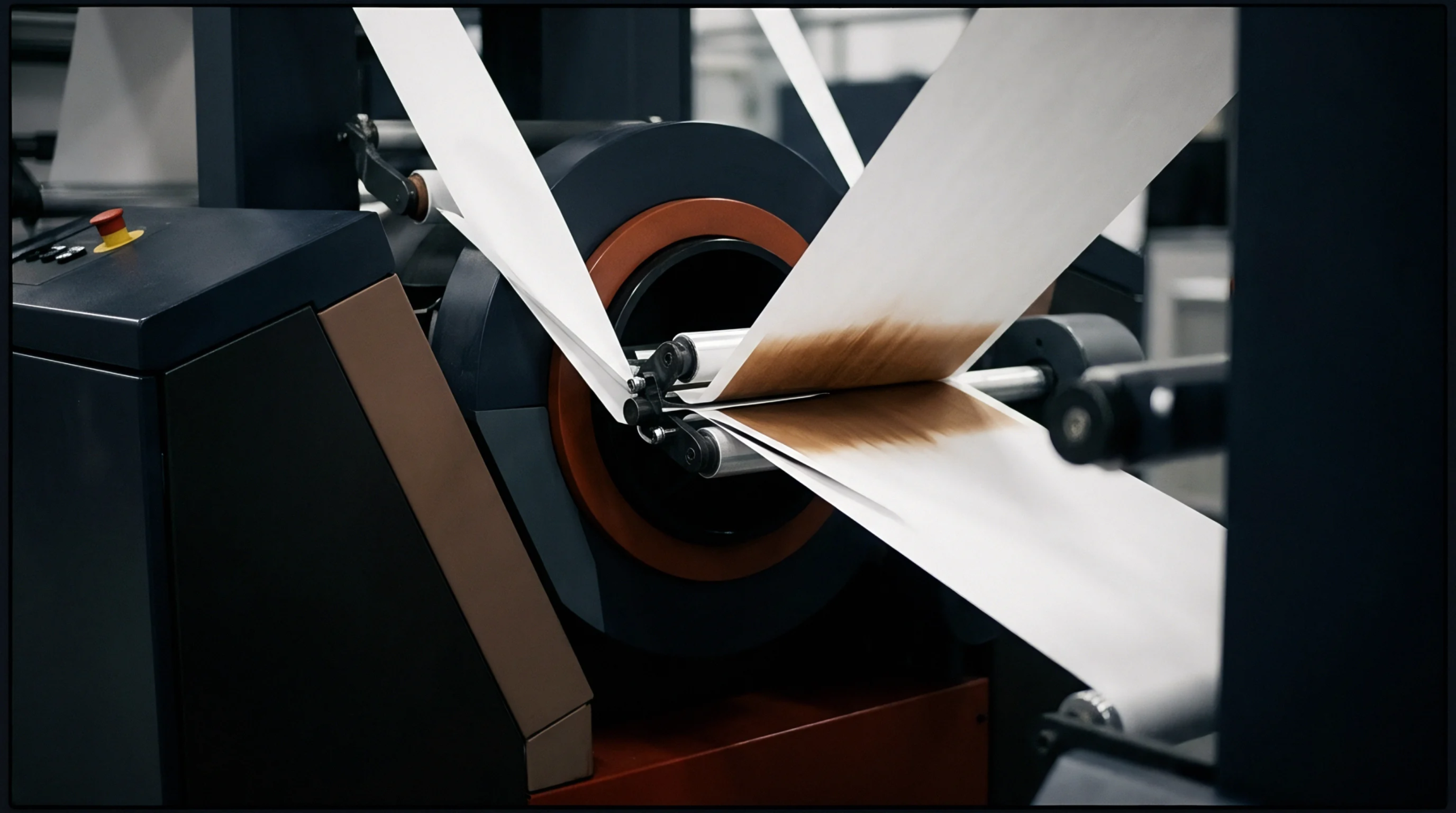
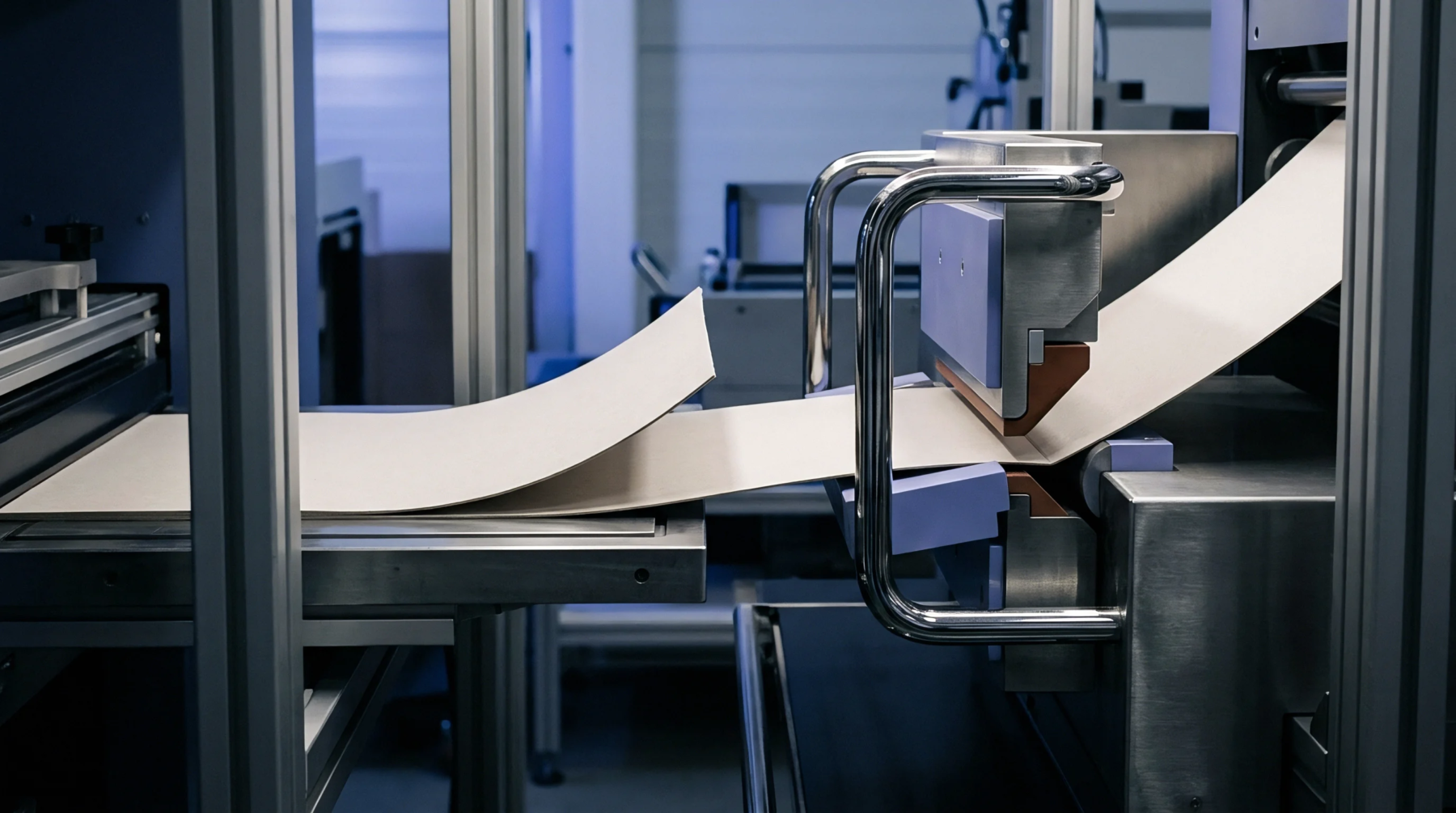
Resistance against bending moments defines the mechanical integrity of a substrate as it encounters the physical forces inherent in high speed converting machinery. Flexural rigidity measures this performance characteristic by quantifying the torque required to deflect a specific sample of card or paper stock under standardized conditions. Mills calculate the value by multiplying the Young modulus of the sheet by its moment of inertia, a combination that accounts for both the intrinsic material strength and the thickness of the structure.
High values signify a sheet that resists folding or collapsing during gravity fed processes. Low values describe a stock that conforms easily to curved surfaces but potentially lacks the structural support required for heavy packaging applications. This property determines how a box performs when stacked in a warehouse or how a sheet feeds through a printer nip without jamming or distorting under pressure.
Production Parameter
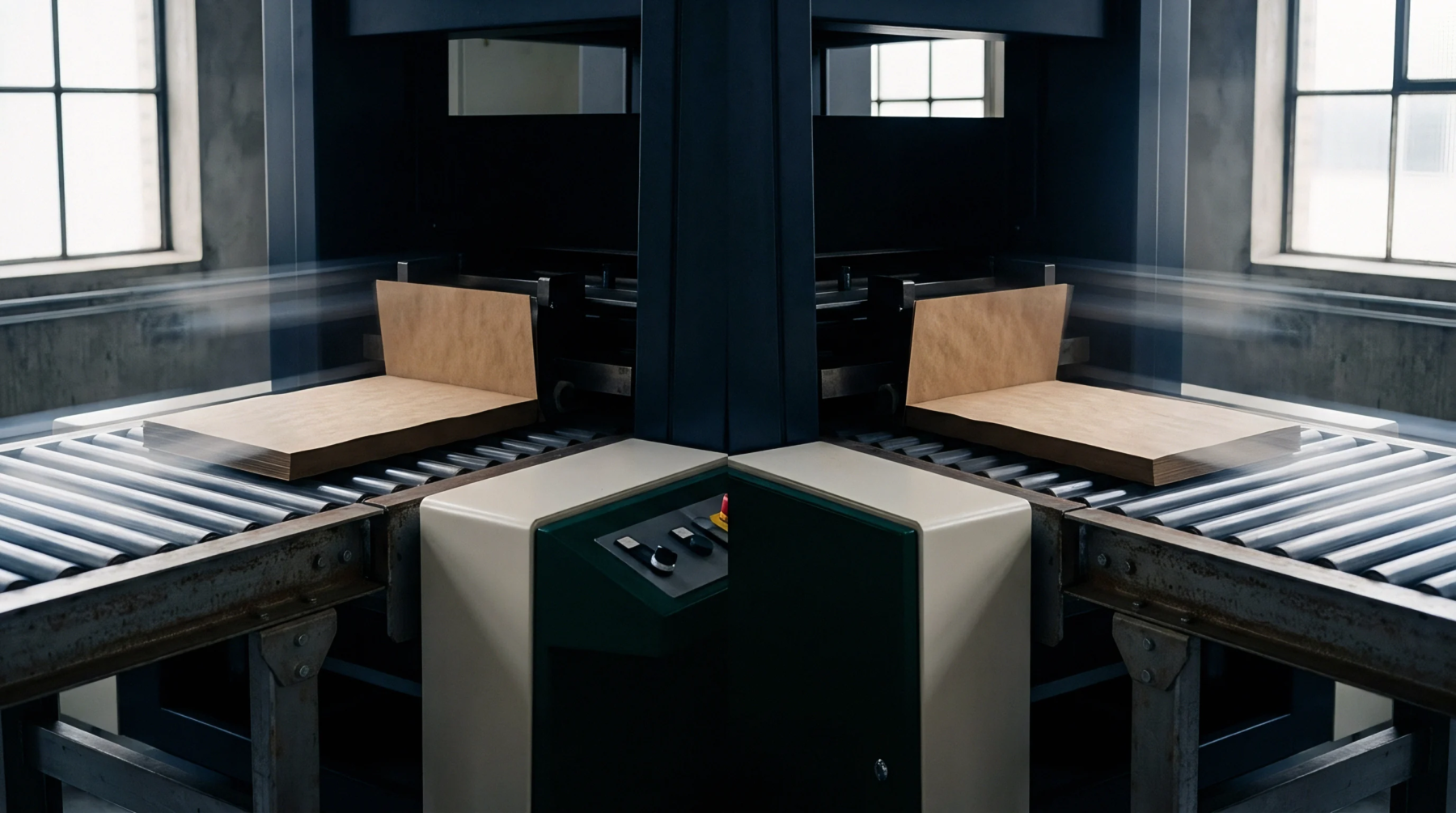
Conversion lines utilize these stiffness ratings to calibrate vacuum transport systems and folder gluer settings. Operators adjust the suction force or the mechanical clearance of feed rollers when flexural rigidity deviates from established technical targets. Excessive stiffness prevents the sheet from wrapping around cylinders or forming precise score lines, creating fracture points in the surface coating.
Insufficient stiffness allows the material to buckle or slide out of alignment, causing interruptions in automated filling lines. Each grade of board requires a specific stiffness profile to maintain a balance between durability and ease of mechanical manipulation.
Tolerance Testing
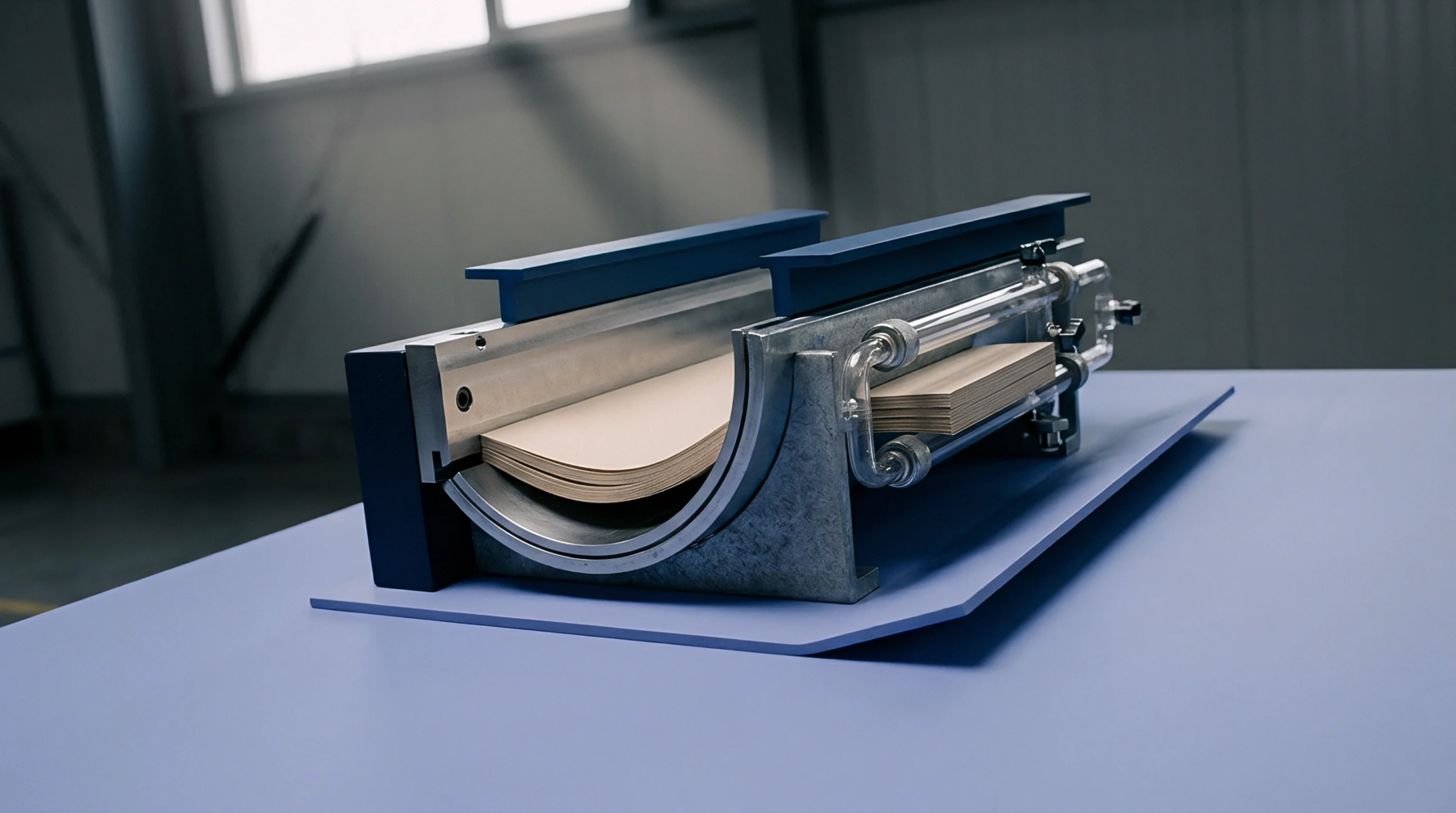
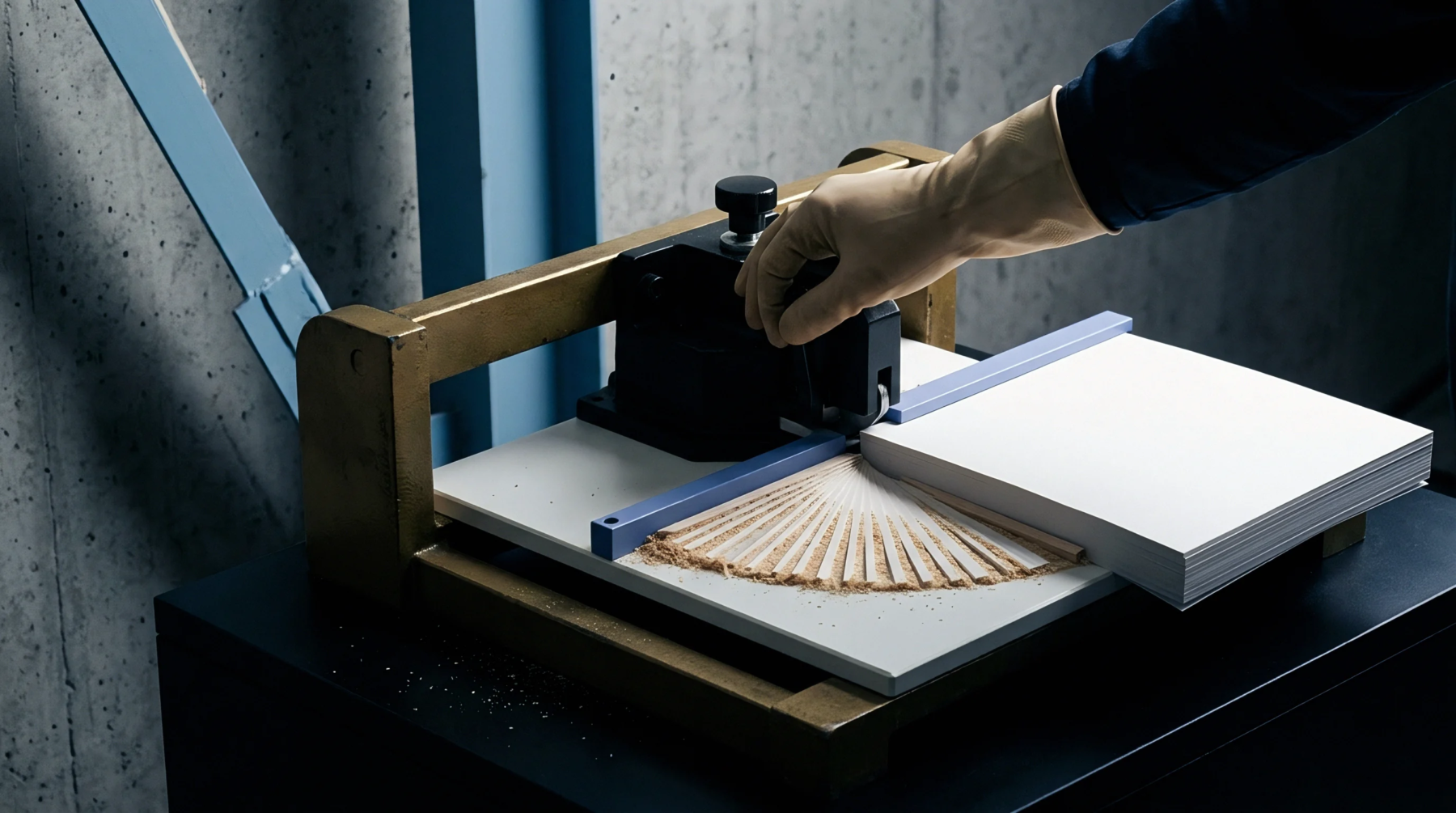
Quality control laboratories evaluate samples by applying a constant force to one end of a test piece and measuring the angular deflection. Instruments track the deflection across a calibrated arc, producing a readout that engineers convert into physical units of force per unit width. Variability in fibre orientation or humidity levels directly affects the result, requiring technicians to condition samples in a controlled atmosphere before testing begins.
Accurate readings demand that the sample remains perfectly flat before the commencement of the load. A stable fibre matrix creates the necessary resistance to bending, ensuring that the finished product maintains its shape throughout the intended lifecycle.