Production Mechanism
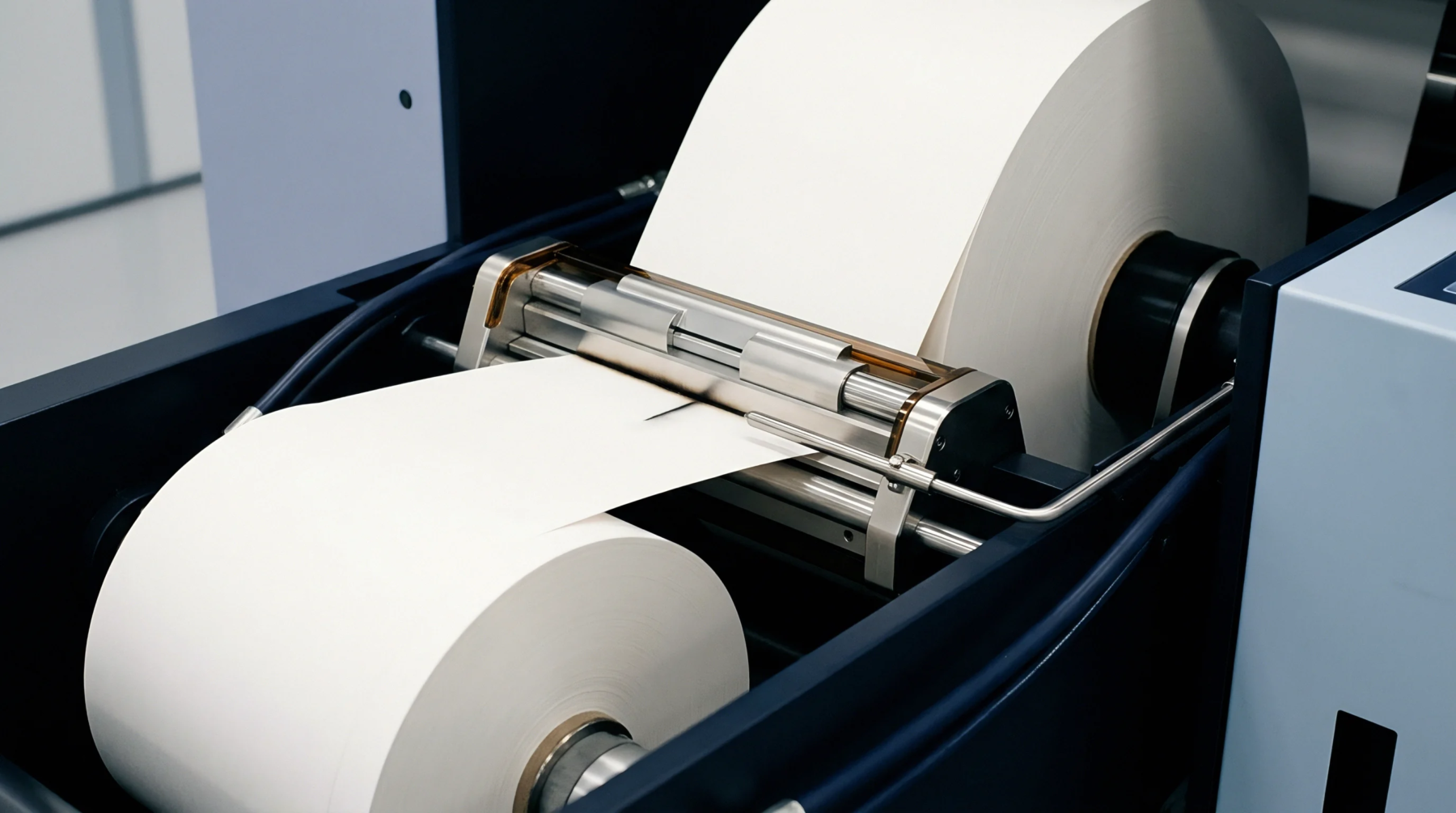
Chemical impregnation followed by high-temperature mechanical refining describes the fundamental nature of this fiber class. The chemithermomechanical pulp category denotes a specific mechanical transformation process where wood chips undergo sodium sulfite treatment to soften the lignin before mechanical defibration under pressure occurs. This physical modification changes the internal structure of cellulose fibers to increase bulk while maintaining higher opacity than pure chemical varieties.
Moisture removal takes place through heat during the disc refining phase, which allows for stable sheet formation on paper machines. Mill outputs under this category remain consistent across wide batches, and the process control focuses on energy inputs during defibration and chemical concentration levels.
Fiber Characteristic
Strength and bulk properties define the performance envelope of chemithermomechanical pulp within the broader market for newsprint or board layers. Short fiber segments generated during mechanical shear promote excellent coverage across the substrate, which improves surface uniformity for high speed ink application. This fiber morphology provides stiffness that converters require for corrugated medium or folding boxboard projects where structural integrity dictates the success of the package.
Paper mills select this material to replace expensive bleached kraft fibers because the pulp retains lignin that contributes to overall opacity. Variations in chemical retention affect the brightness of the sheet, and production teams adjust the chemical dose to balance cost with visual quality requirements. High intensity refining creates a finer surface texture for coated applications, while lower intensity yields a coarser profile for inner layers in multi-ply board.
Operational Boundary
Performance limitations arise from the high lignin content that persists within the fiber matrix. Chemithermomechanical pulp yields yellowing over time if exposed to ultraviolet light, which restricts the usage of these fibers to products with short life cycles or inner secondary packaging roles. Printing presses operating with high tension might experience fiber pulling because these fibers demonstrate lower bonding strength than chemical alternatives.
Accurate testing of drainage rates prevents machine downtime during the water removal stage in the forming section of a paper mill. Proper sizing agents provide the necessary barrier for water resistance in converted goods, as the native fiber surface absorbs moisture quickly without protective treatments. Surface roughness dictates the maximum print resolution that a final substrate achieves under standard press conditions.