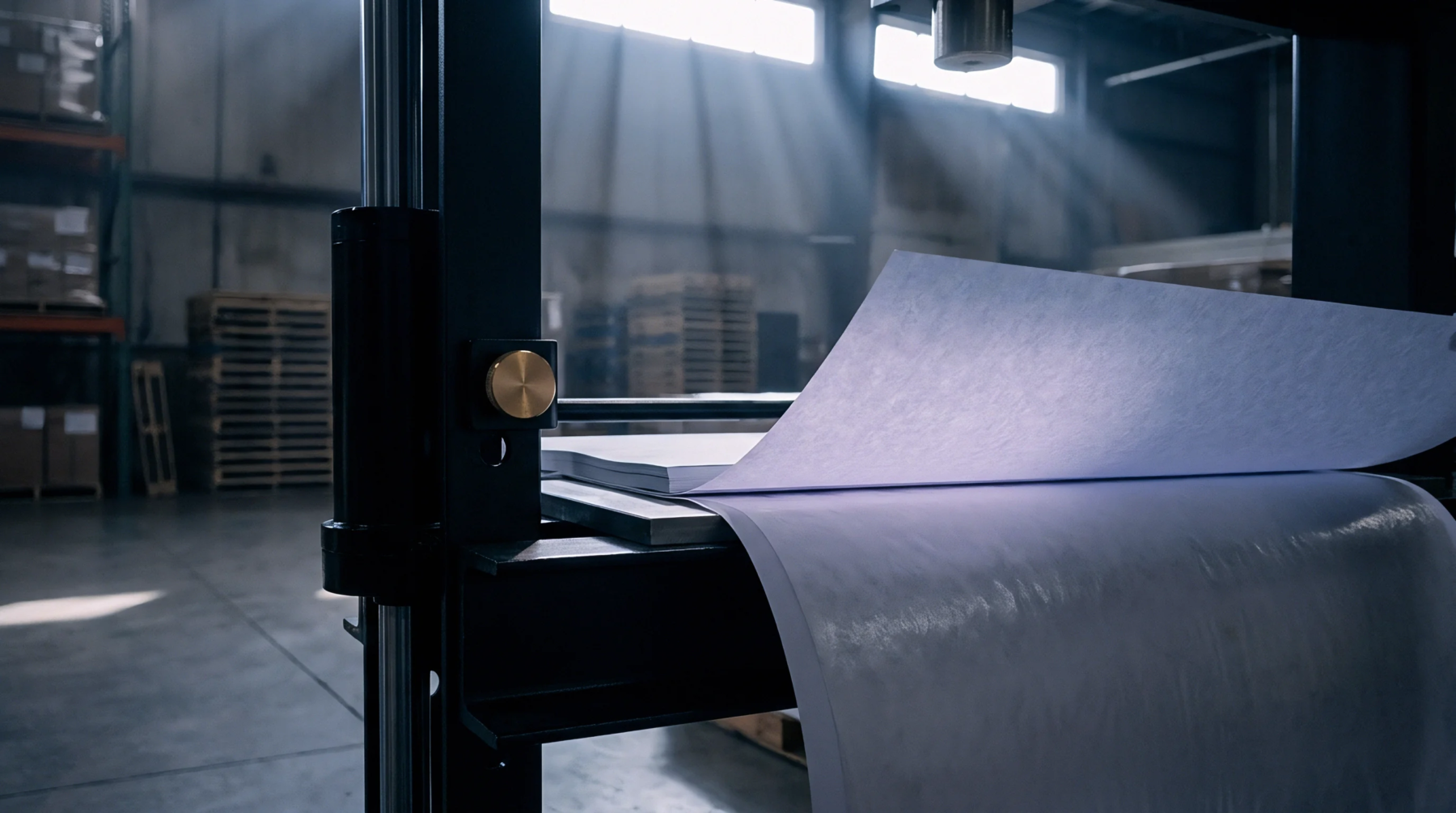
Optimizing Calender Moisture Profiles for Board Bulk Retention
Retain board bulk and bending stiffness by applying surface moisture gradients to lower outer ply glass transition temperatures before soft nip compression.
Retain board bulk and bending stiffness by applying surface moisture gradients to lower outer ply glass transition temperatures before soft nip compression.
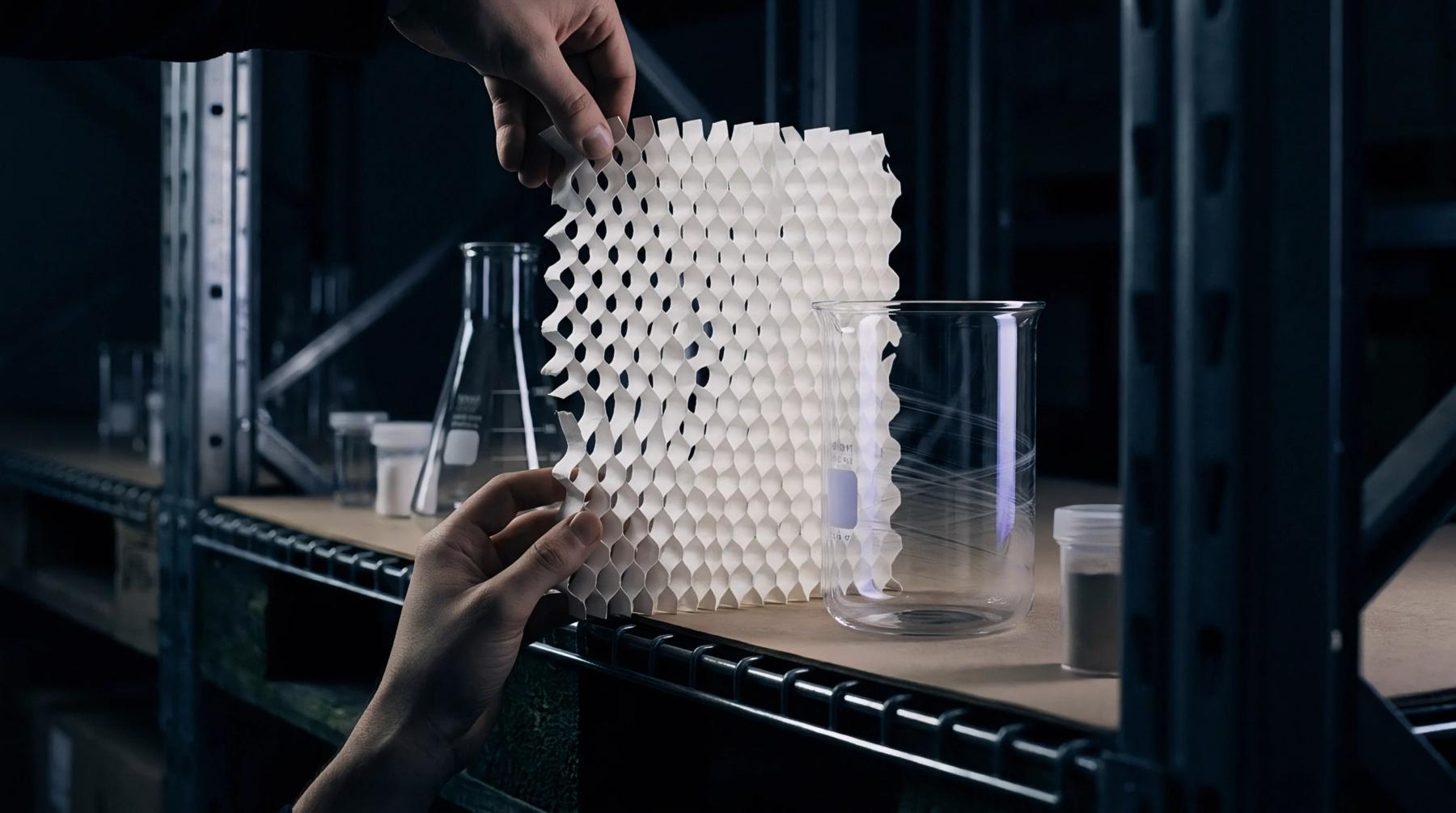
Dynamic stiffening at rotary converting speeds forces delamination failure modes, requiring tuned counter clearances to protect outer carton liners from rupture.
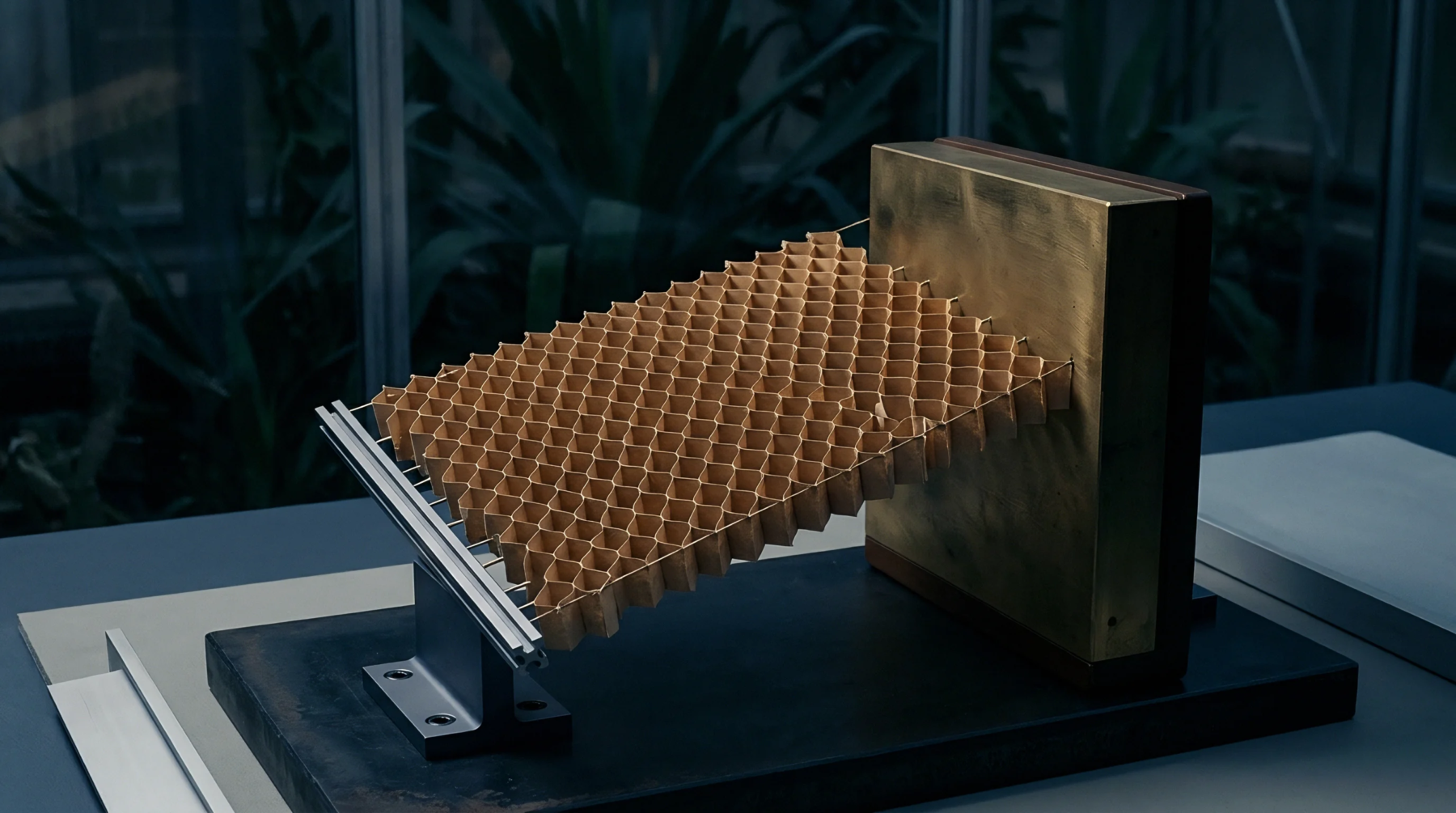
Dynamic Mechanical Analysis quantifies z-axis caliper loss under dynamic converting loads to prevent carton collapse and protect structural bending stiffness.
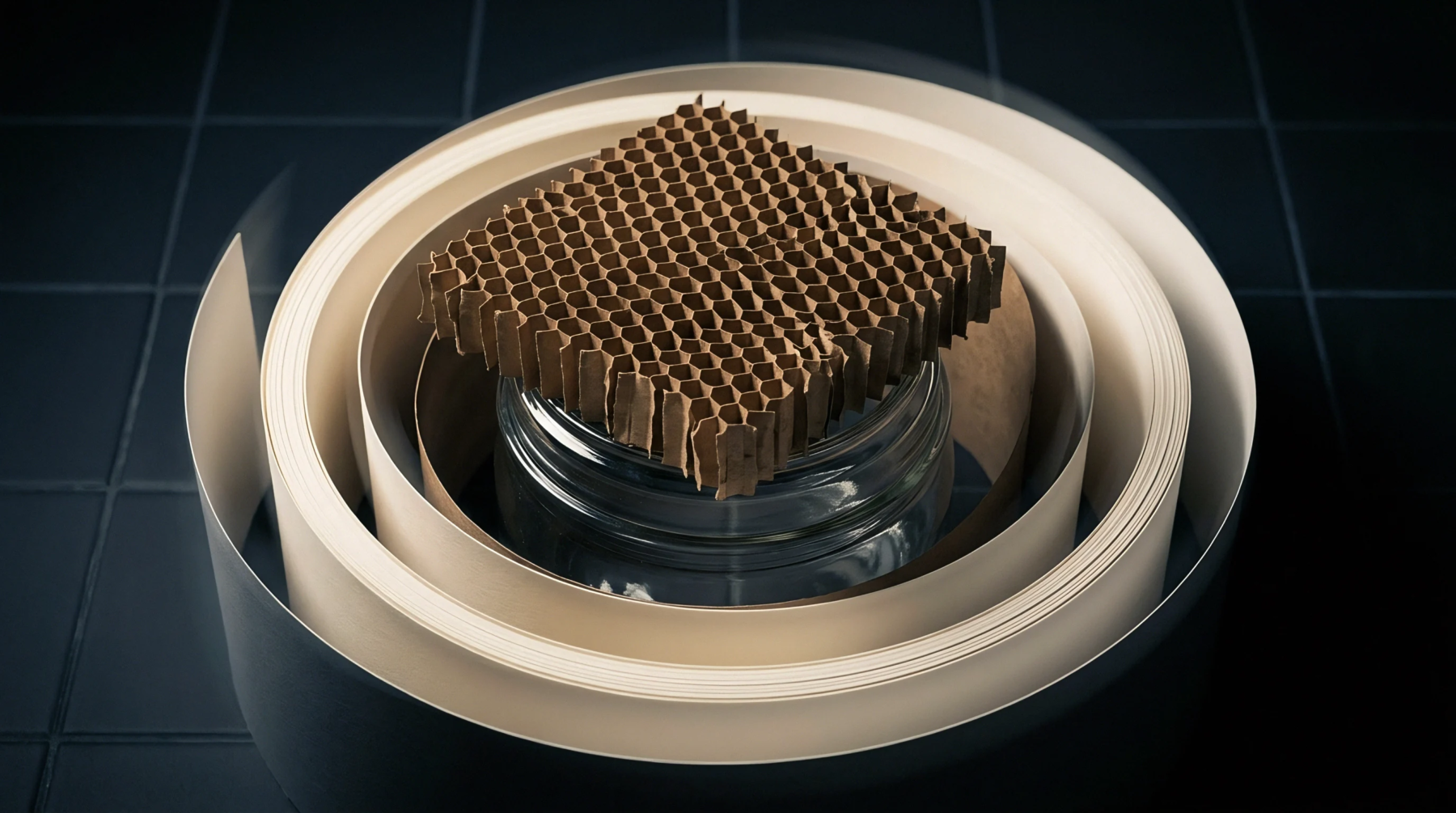
Middle ply CTMP bulk provides structural moment of inertia, while short-span compression bench testing quantifies network collapse risks under load.
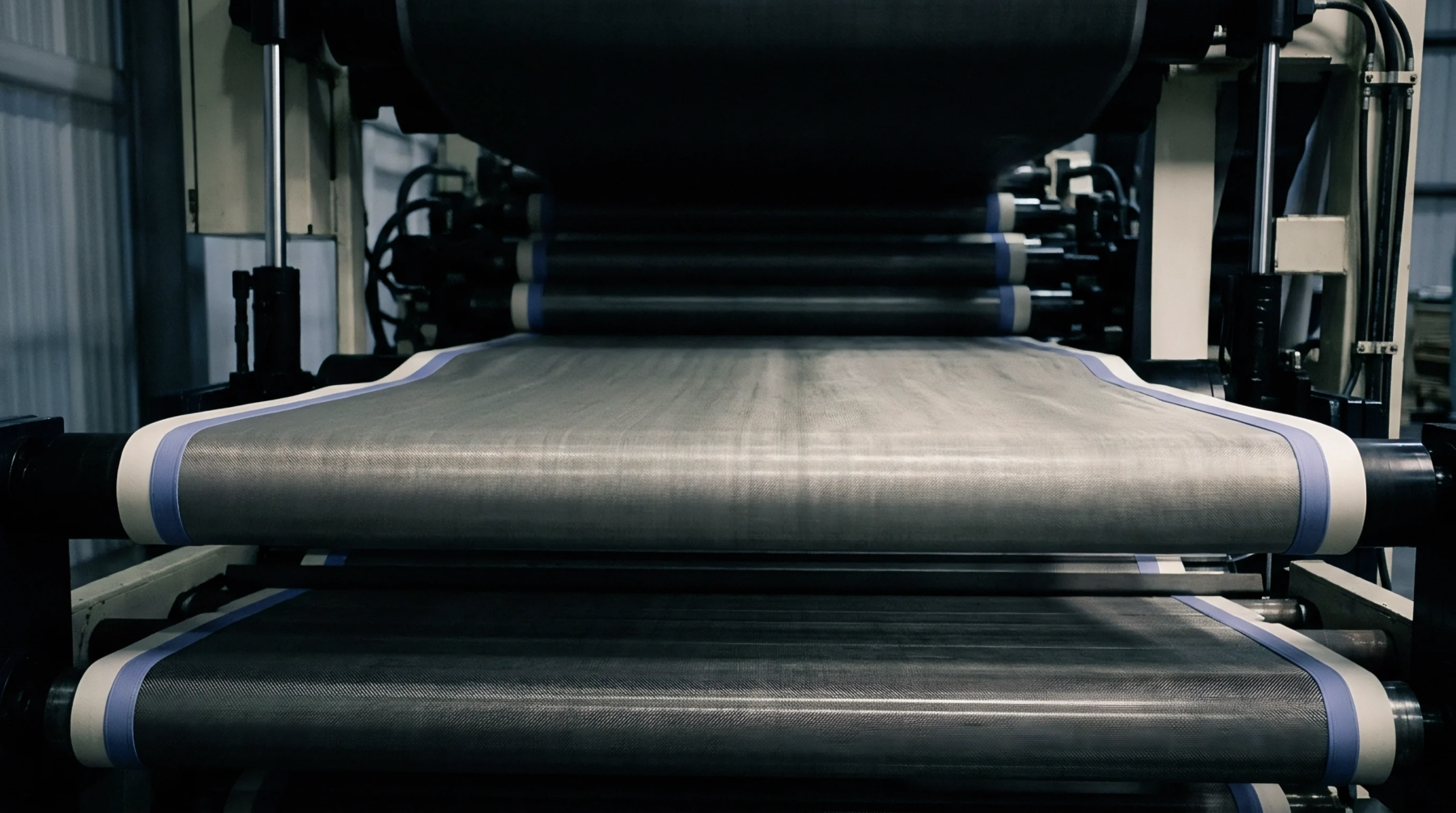
Moisture-gradient calendering plasticizes outer chemical skins while keeping mechanical cores dry, maximizing FBB bending stiffness and yield.
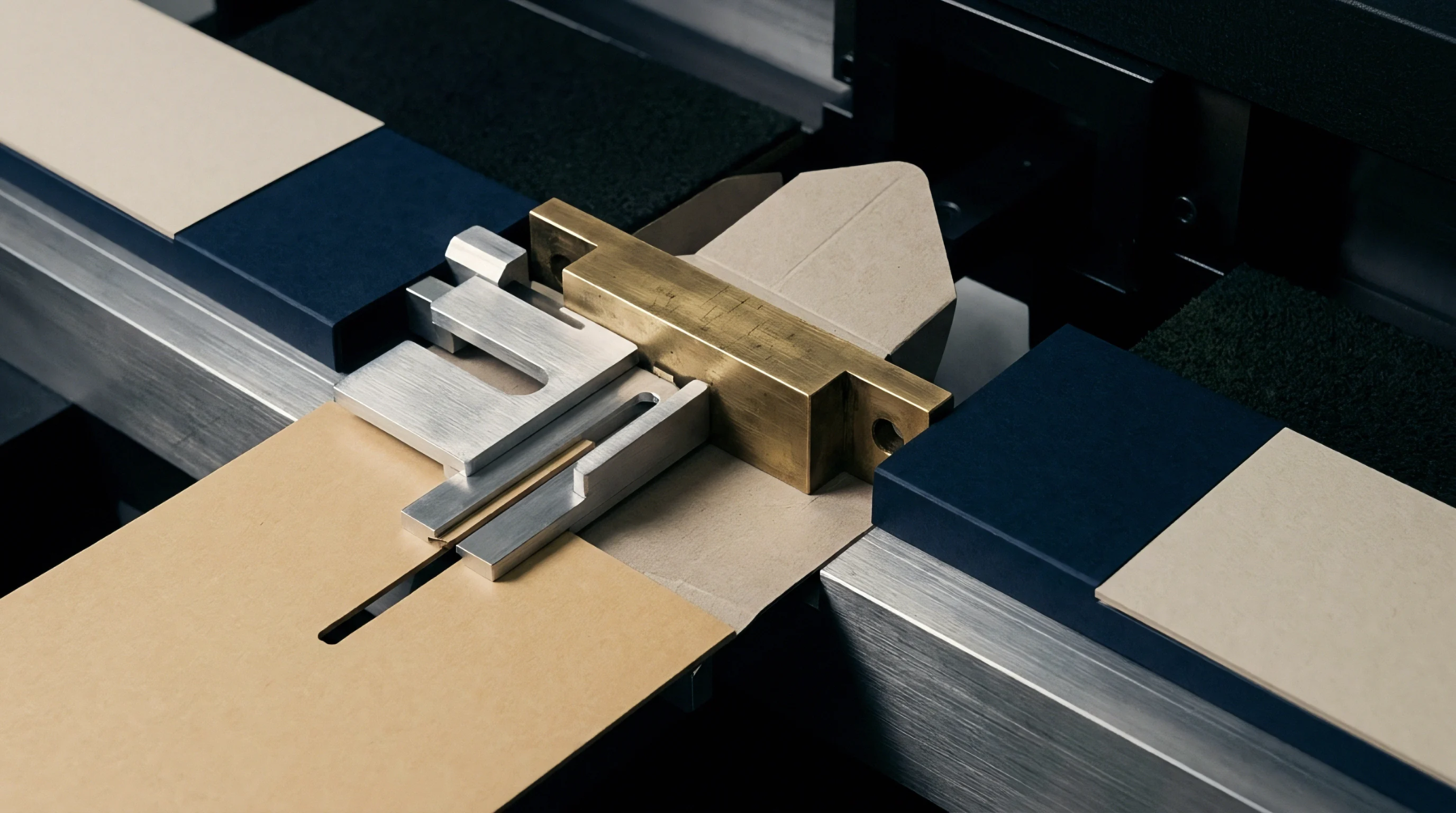
Dynamic mechanical analysis optimizes folding boxboard caliper retention by quantifying out-of-plane storage modulus decay in CTMP cores under high-speed converting loads.
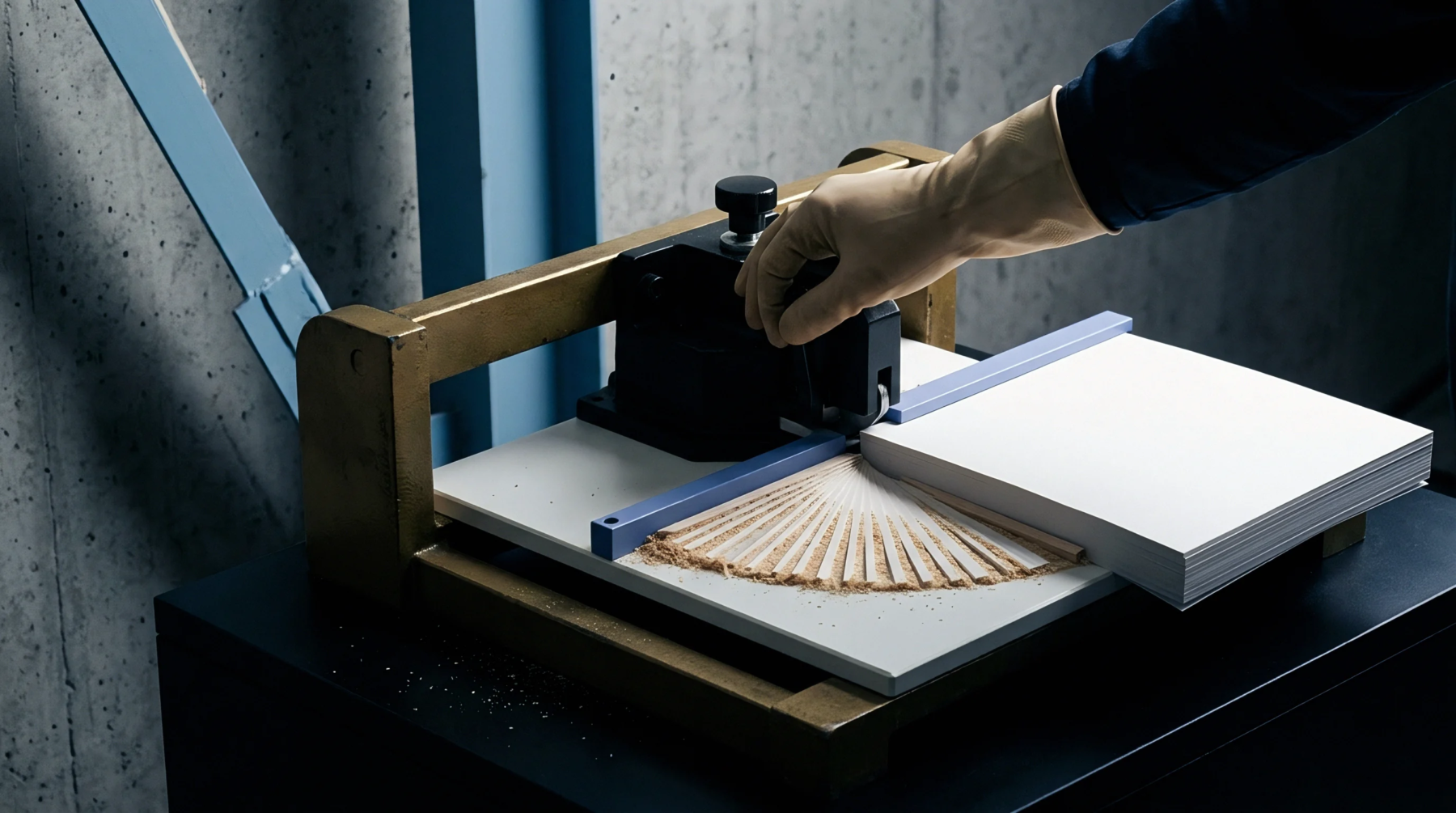
Preserving folding boxboard bending stiffness during weight reduction relies on maintaining mechanical core bulk while elevating outer ply elastic modulus.
Expertise is a utility, not a secret. sentiention™ publishes its working knowledge as open reference: intelligence layer covering the materials it sources, the markets it enters, and the reference that serves both.