Directional Stiffness
Ratio of tensile or compressive stress to corresponding strain measured perpendicular to the plane of a paperboard sheet defines structural rigidity along the thickness dimension. In mechanical paper testing, z-axis modulus quantifies elastic resistance of internal fiber bonds when forces attempt to compress or separate individual plies. Because wood fibers align primarily in machine and cross directions during web formation, out-of-plane stiffness remains significantly lower than in-plane elastic moduli.
Fiber refining and internal sizing agents directly influence this directional stiffness property.
Delamination Factor
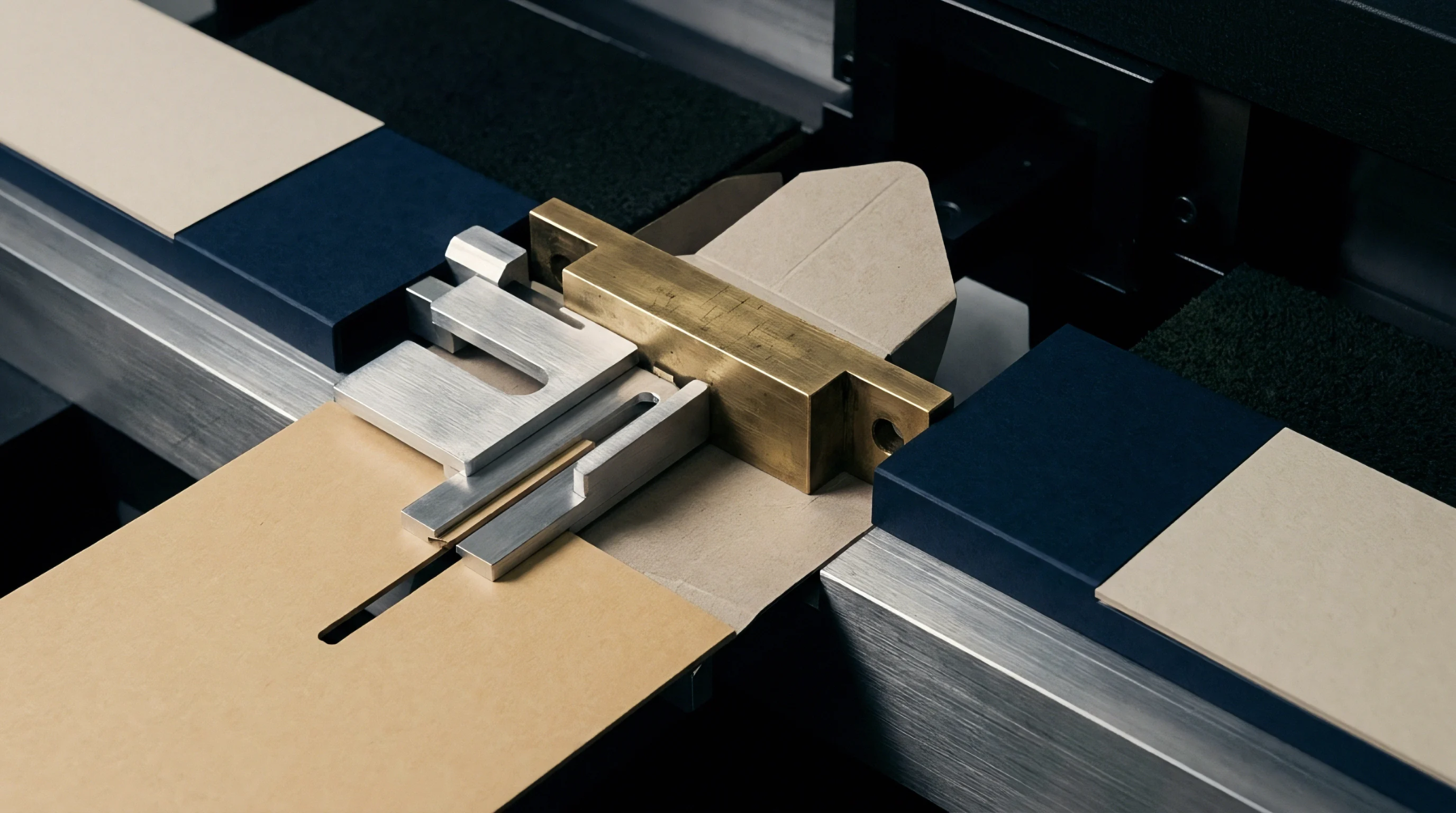
Tensile forces applied normal to the board surface evaluate the mechanical strength of internal ply interfaces during converting operations. Low z-axis modulus values indicate weak inter-ply bonding, exposing paperboard to internal delamination when sticky inks pull on surface coatings during high-speed printing nips. Double-sided adhesive tape fixtures bond sheet surfaces to rigid metal blocks to transmit pure tensile loads during testing.
High mechanical pulp content in middle plies reduces inter-fiber hydrogen bonding, decreasing thickness-direction modulus compared to solid bleached chemical sheets. Fiber length distribution and starch additions adjust z-axis structural integrity.
Conversion Constraint
High compressive loads in calendering and printing presses compress low-modulus paperboard grades, reducing caliper and bending resistance. Maintaining adequate z-axis modulus prevents permanent thickness loss during heavy ink coverage or foil stamping runs. Lower stiffness leads to structural failure in heavy packaging applications.