Moisture Sensitivity
Environmental failure in cellulose-based substrates represents the gradual loss of mechanical strength caused by fluctuating moisture and temperature. In packaging applications, hygrothermal fatigue occurs when paperboard undergoes repeated cycles of absorption and desorption, leading to micro-cracking in the fibre network. These shifts in relative humidity cause the hydrophilic fibres to expand and contract repeatedly.
The resulting localized stress concentrations weaken the adhesive bonds between the individual wood fibres.
Degradation Mechanism
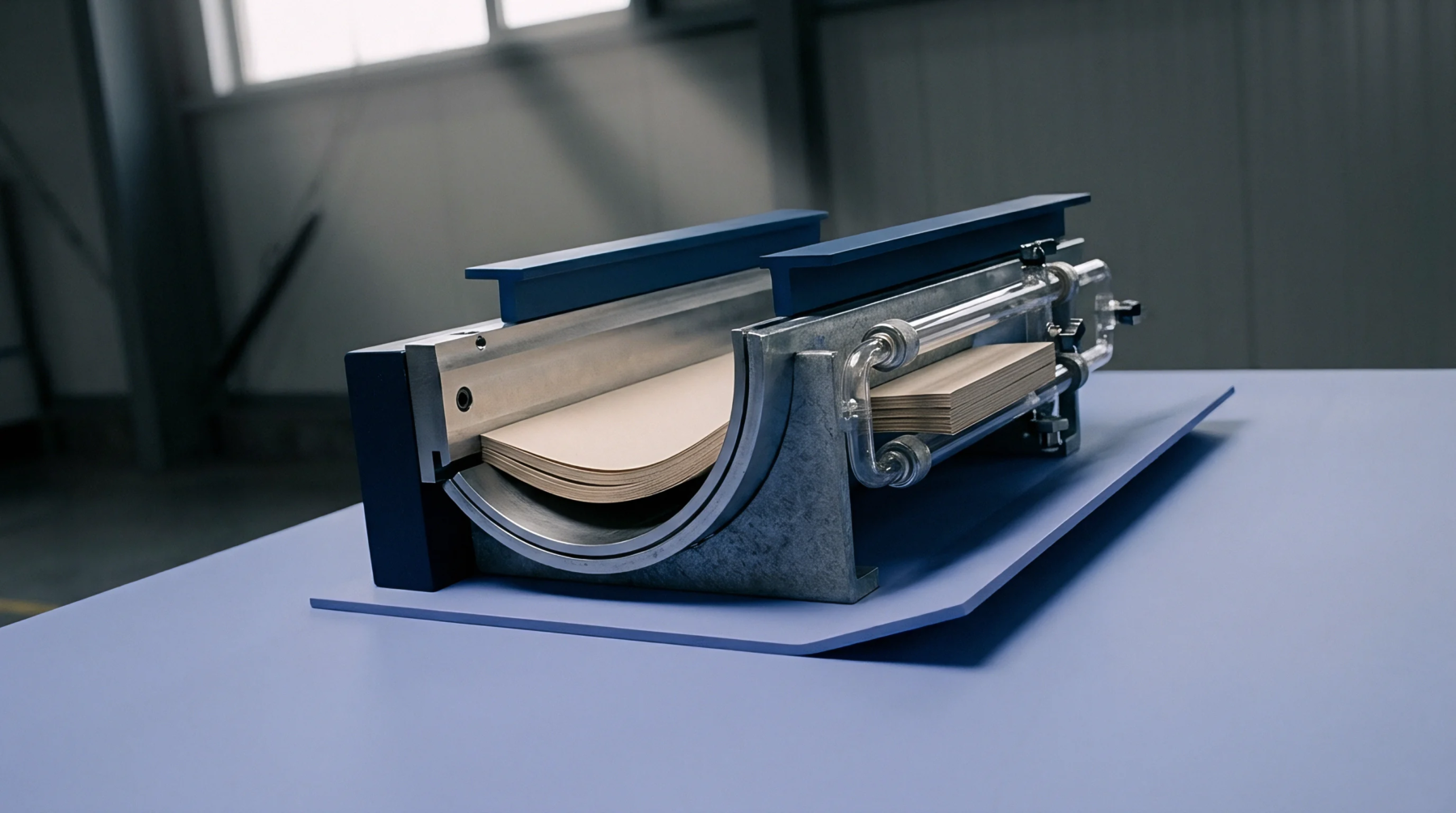
Physical testing of paperboard samples exposes how alternating wet and dry states accelerate structural collapse. During moisture absorption, water molecules disrupt the hydrogen bonding between cellulose chains, causing the cell walls to swell. When the substrate dries, the shrinking fibres do not return to their original configurations, which creates permanent micro-voids in the paper matrix.
Every subsequent cycle reduces the compressive strength of the corrugated box, making it vulnerable to crushing under static warehouse loads. This mechanical decline depends heavily on the rate of environmental transition and the density of the recycled fibres.
Endurance Limit
Preventive design in packaging engineering establishes thresholds where environmental cyclic loading no longer causes catastrophic box failure. Surface coatings and polymer barriers slow the rate of moisture transfer into the fibrous core. These protective layers delay the onset of hygrothermal fatigue by stabilizing the internal moisture content.
Standardized compression testing under cyclic climate conditions validates the effectiveness of these board treatments before bulk distribution.