
Commercial Landed Cost Variance Mechanics and De Inkability Fee Surcharges in Packaging Grade Substitution
Commercial landed cost variance depends on sheet yield, press spoilage, and EPR de-inkability fee surcharges triggered by grade substitution.
Commercial landed cost variance depends on sheet yield, press spoilage, and EPR de-inkability fee surcharges triggered by grade substitution.
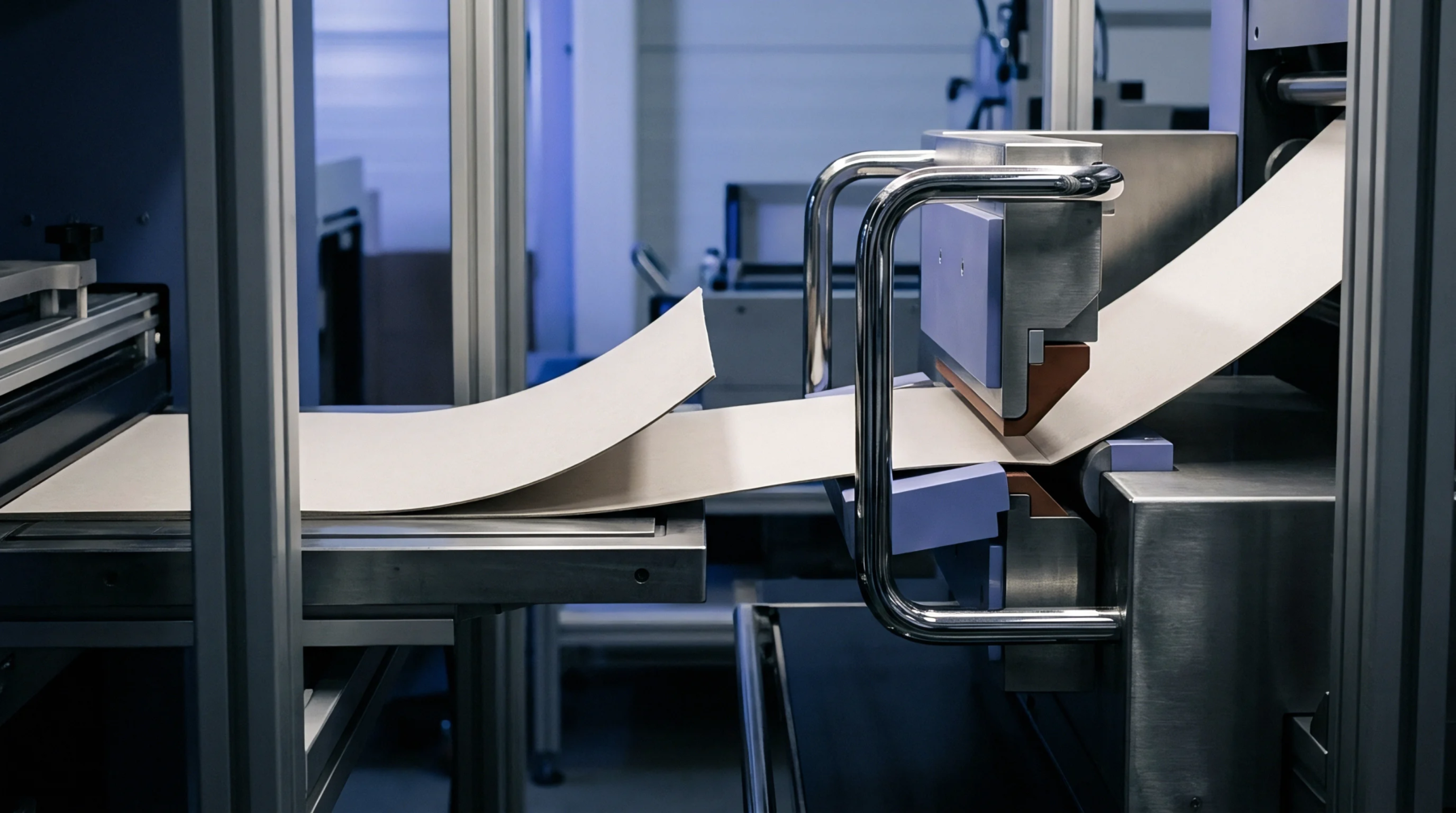
Inline decurling bar penetration forces mechanical yield in paper fibers while reverse dampening restores moisture loss to eliminate single-sided lamination curl.

Inline optical displacement calibration requires dynamic differential sensing and spatial encoder synchronization to eliminate web flutter and thermal drift errors.
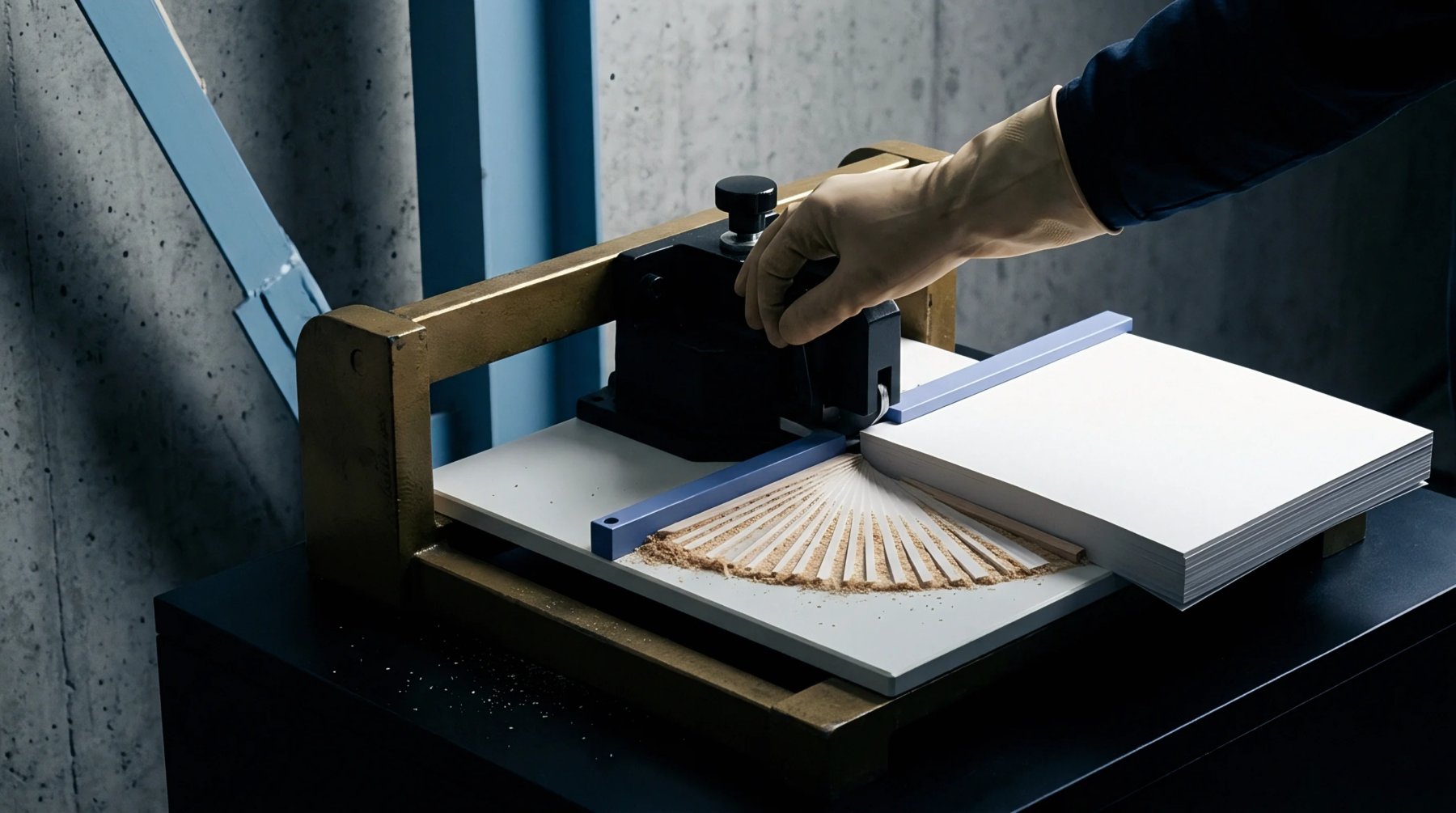
Preserving folding boxboard bending stiffness during weight reduction relies on maintaining mechanical core bulk while elevating outer ply elastic modulus.
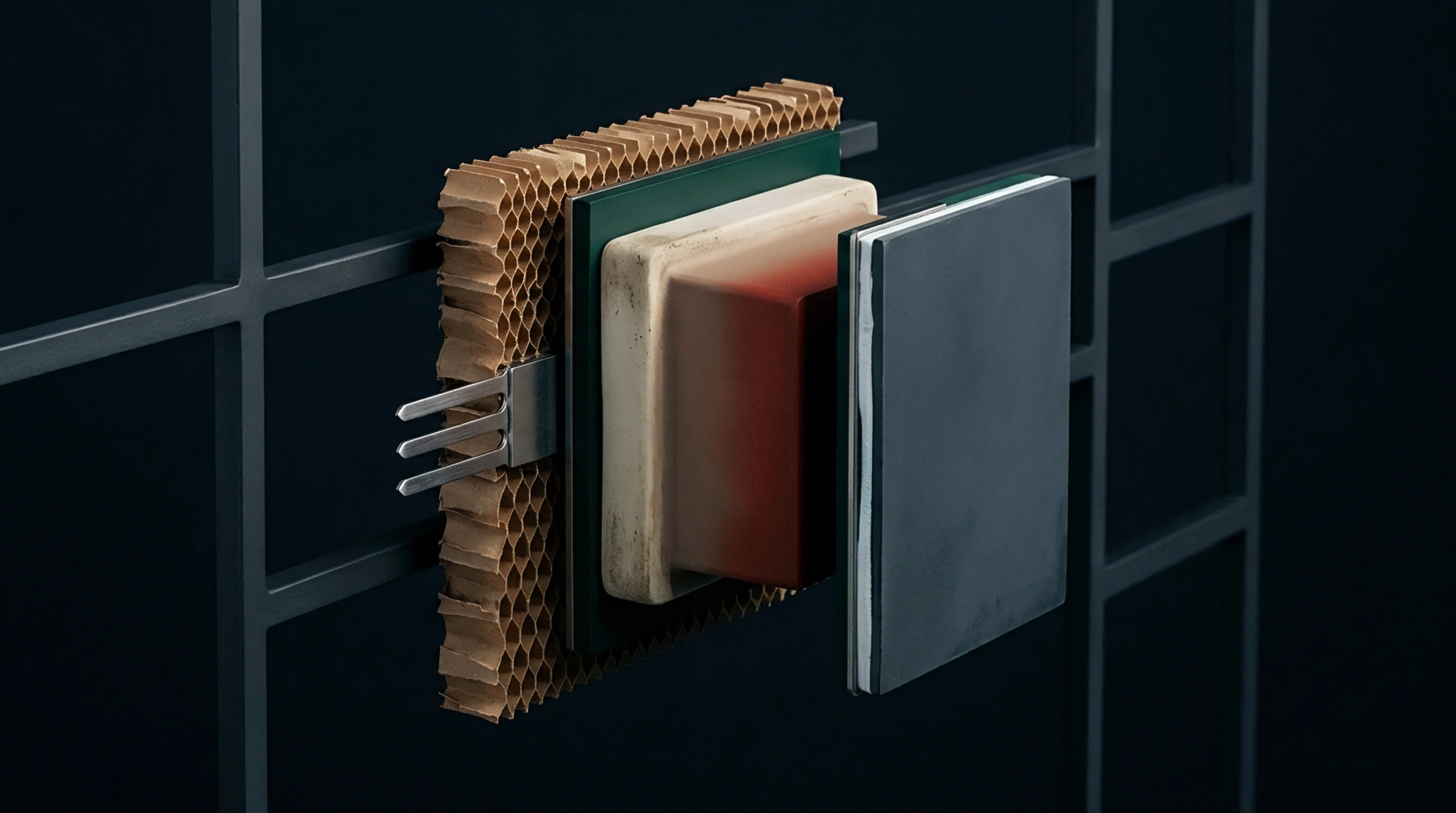
Optimizing CTMP core sulfonation and bulk yields lower grammage boxboard that maintains flexural rigidity while reducing landed carton cost.

Predicting downgauged boxboard creep buckling under cyclic tropical humidity requires integrating mechano-sorptive strain compliance into structural failure models.
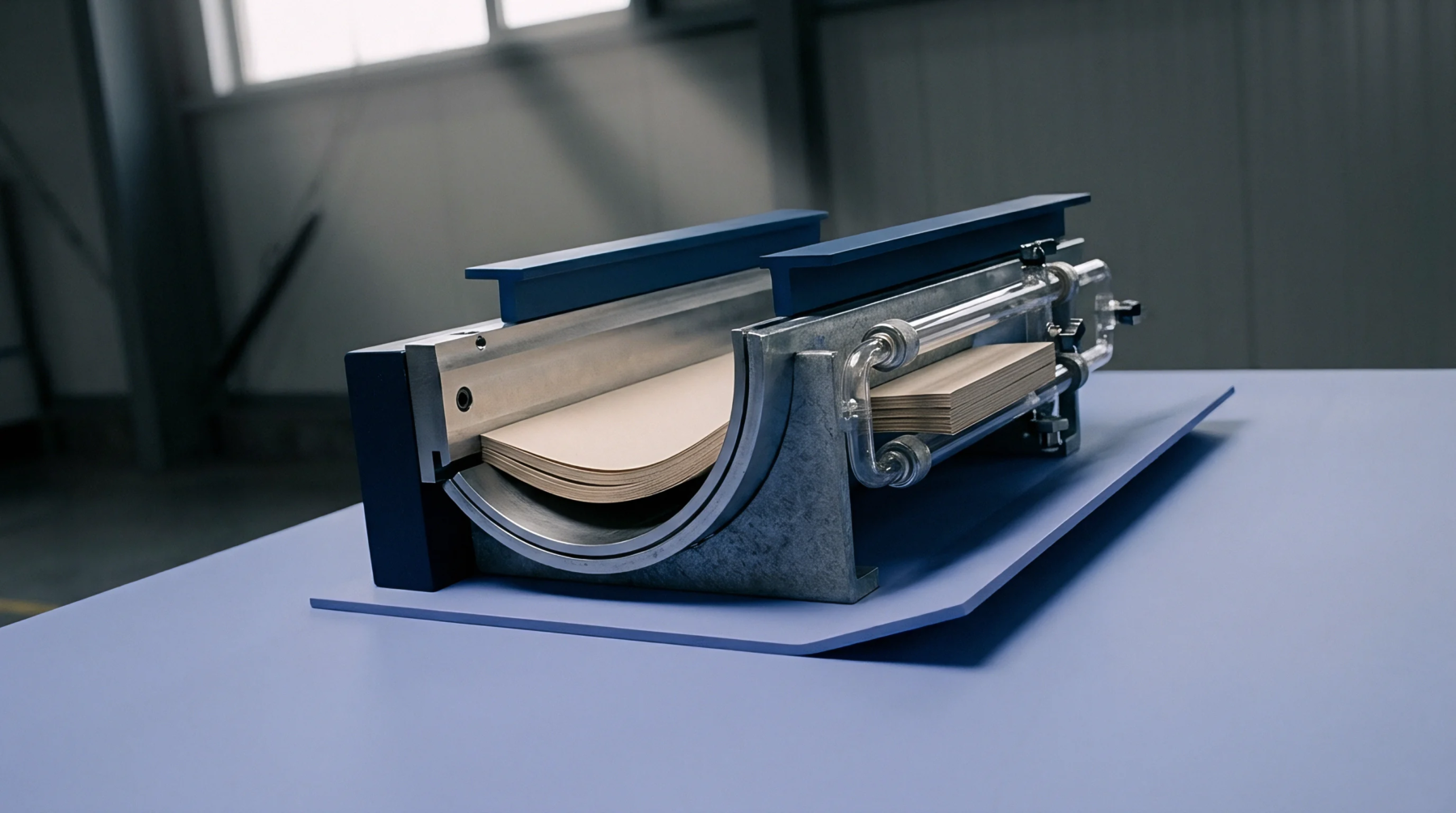
Imposition layouts that nest cartons across grain directions reduce parent sheet trim but induce bimodal stiffness variance and high-speed feeder jams.
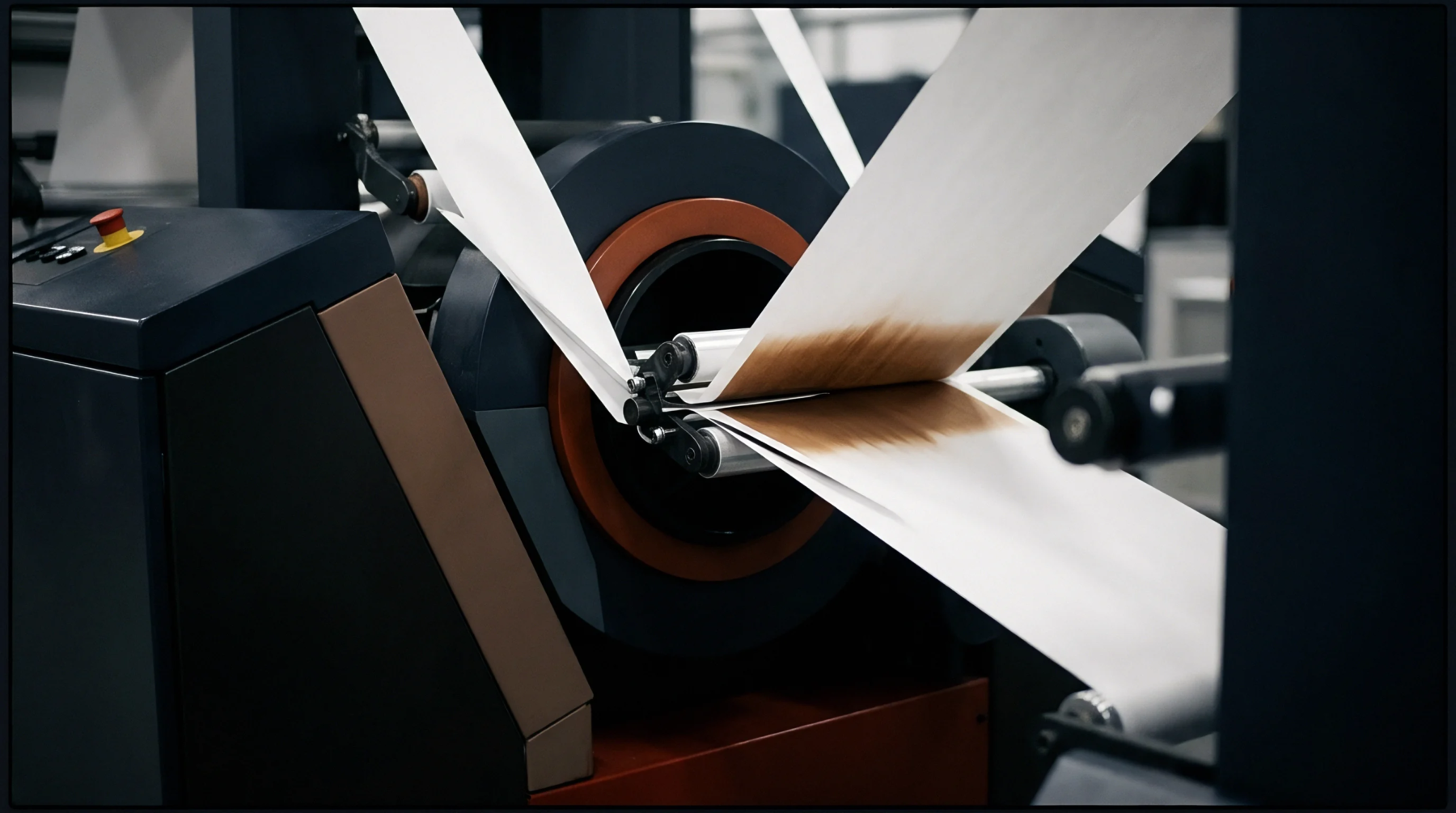
Active dual-beam telecentric triangulation eliminates web flutter noise by maintaining constant optical magnification and canceling out-of-plane displacement in real time.

Hardwood pulp substitution increases sheet density but reduces caliper, dropping bending stiffness cubically and eroding high-speed converting line speed headroom.

Core layer mechanical pulp distribution controls folding boxboard bulk and bending stiffness, enabling weight reduction while preserving box structural integrity.

Single-sided lamination curl stems from differential thermal shrinkage of polymer film opposing moisture-driven hygroexpansion across anisotropic board fibers.
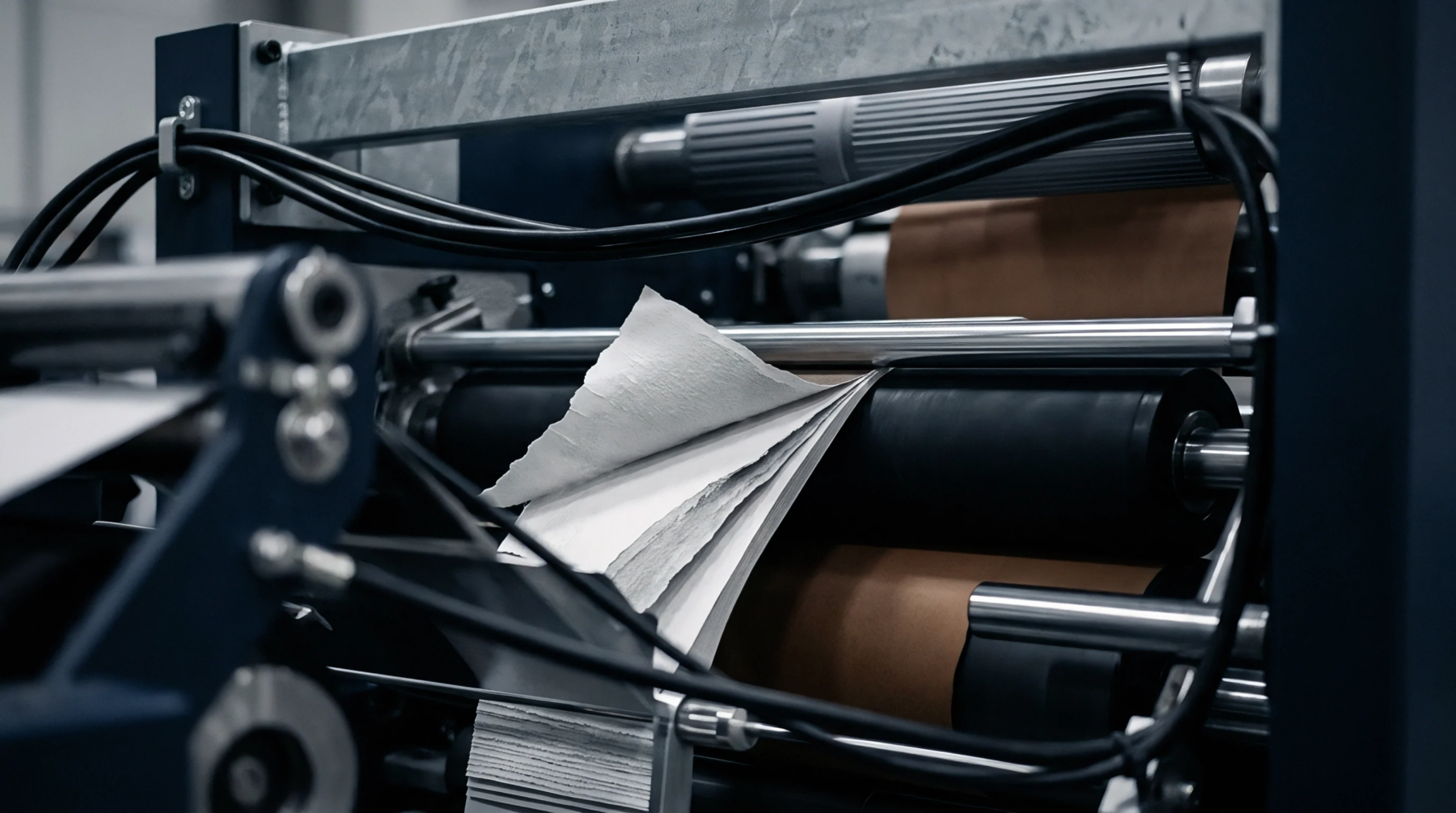
Dynamic mechanical analysis identifies hemicellulose moisture thresholds that prevent score cracking during high speed converting of mechanical pulp middle plies.
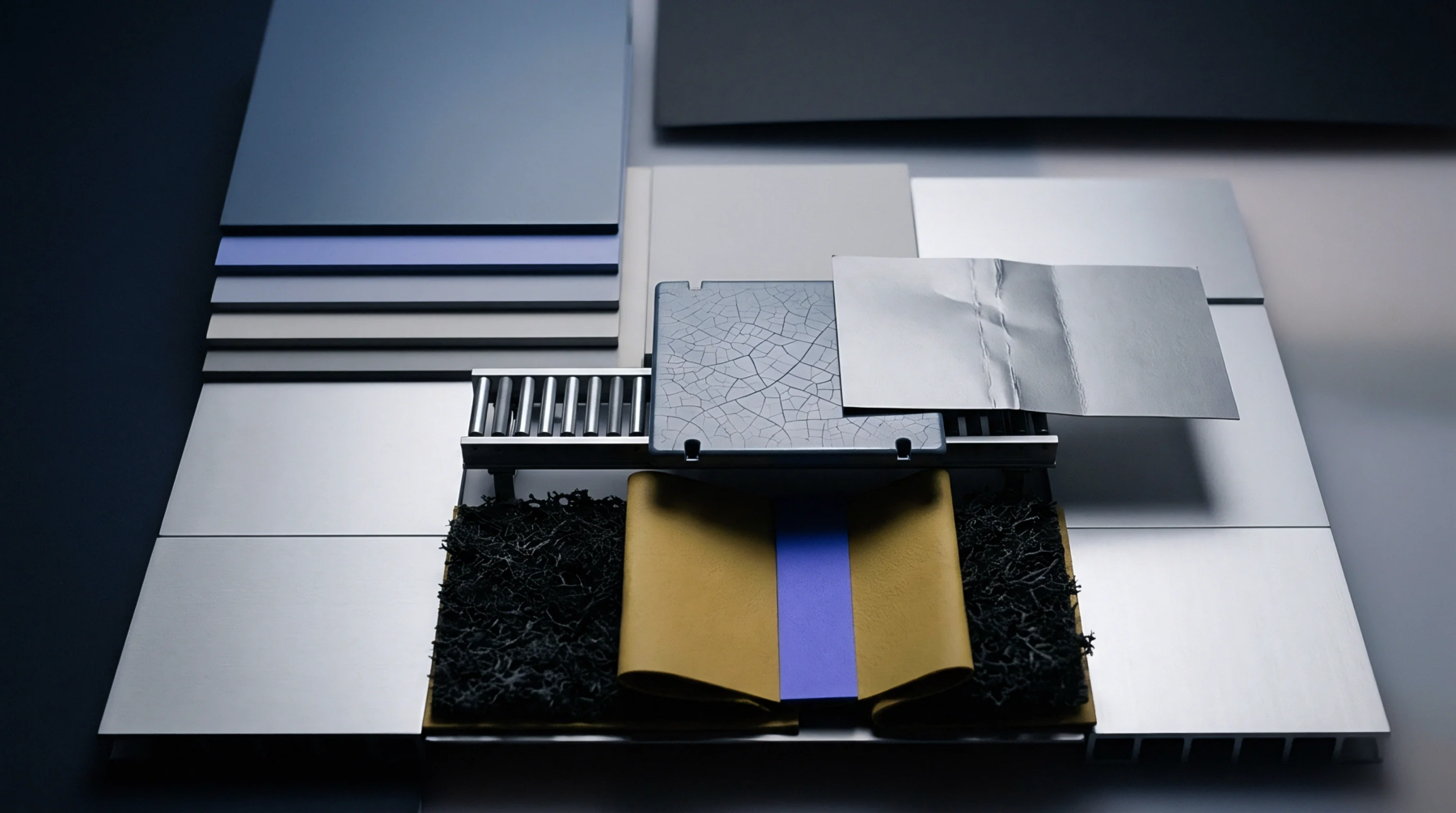
Controlled low energy refining of middle ply mechanical pulp yields superior Z direction tensile development without caliper loss in multi ply boxboard.

Paperboard flexural rigidity depends on the cube of caliper, requiring exact ISO 2493 or TAPPI T 489 instrument alignment and strict 23°C/50% RH conditioning.
Predicting package panel bulge demands measuring multi-ply out-of-plane shear stiffness C44 via ultrasonic wave dispersion to prevent high-speed line failures.
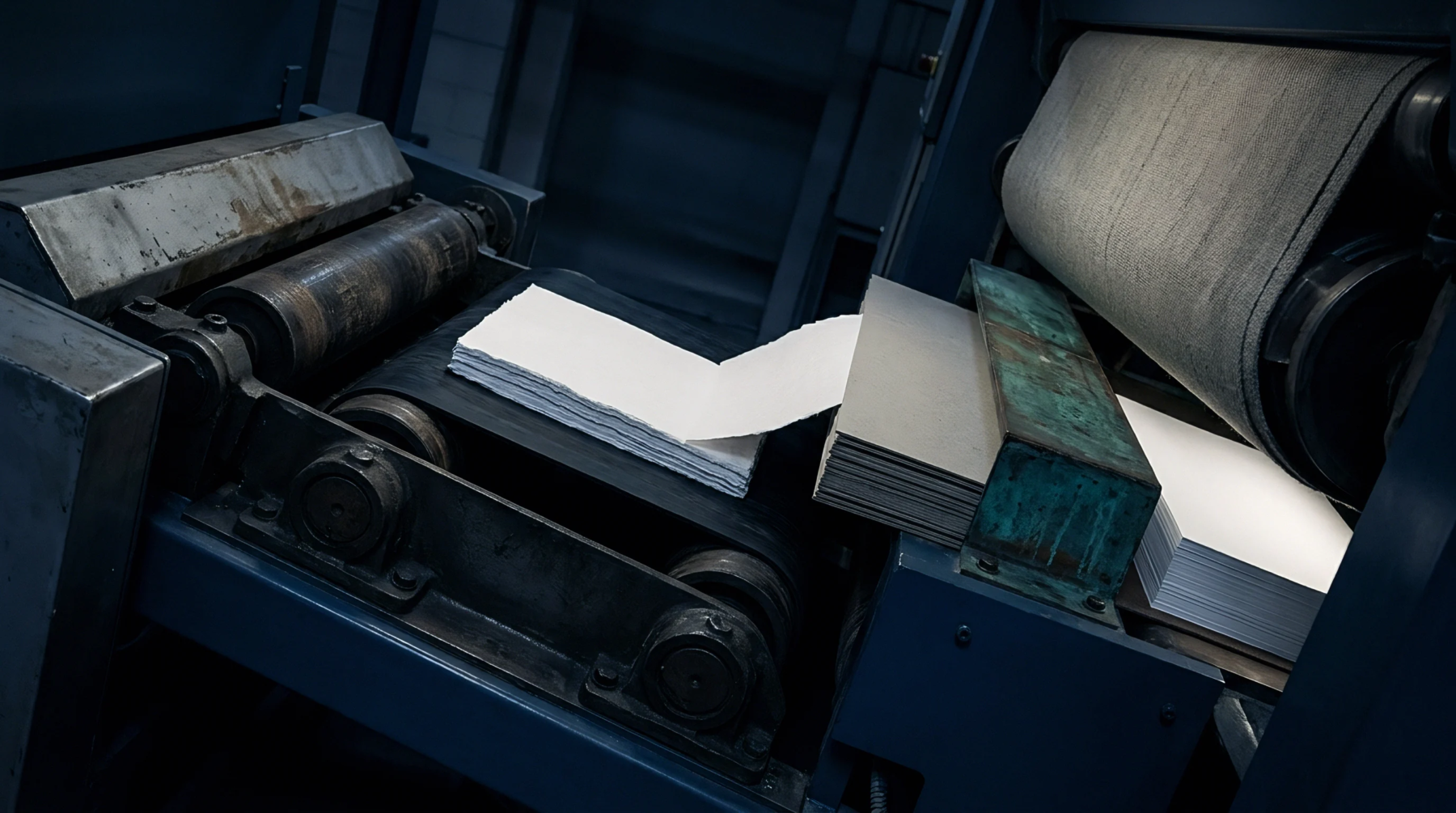
Dynamic pass line vibration cancellation restores laser caliper gauge resolution down to sub-micron accuracy by eliminating phase-lag z-axis position errors.

Predictive stiffness loss modeling prevents folder-gluer waste by adjusting crease depth and binder chemistry to compensate for high-speed dynamic strain.

Chemithermomechanical core compliance modeling predicts time-dependent box compression decay under changing humidity by coupling viscoelastic Prony series with shear kinematics.

BCTMP cores lower basis weight for target stiffness, but elevated humidity plasticizes lignin, accelerating score memory loss and risking carton wall bulge.
Paperboard moisture equilibrium dictates converting stability: matching substrate sorption hysteresis to hall humidity prevents carton cracking and register loss.

Inter-ply shear energy dissipation in recycled calipers depends on wet-end starch bonding to prevent outer liner cracking during scoring operations.

Analytical differential stress modelling balances thermal film shrinkage against board hygroexpansion to prevent post-converting carton curl inversion.

Recycled paperboard loses flexural stiffness through fiber hornification and caliper collapse, demanding strict cubic-thickness specification over basis weight.

Dual-axis decurling restores sheet flatness by plastic strain but degrades recycled board bending resistance by 12 to 23 percent via core ply micro-delamination.
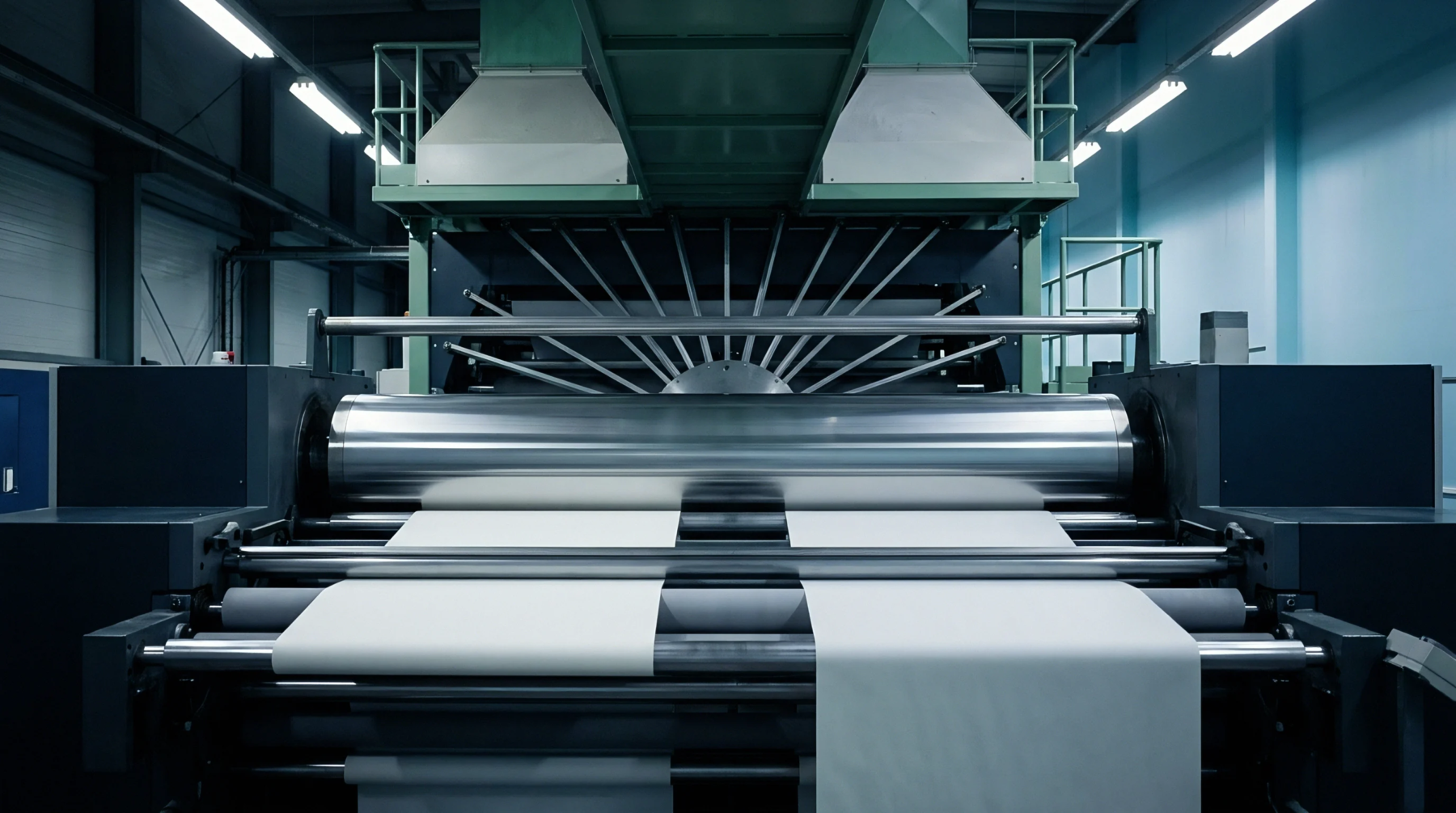
Dynamic web aeroelastic flutter corrupts non-contact caliper sensors, demanding mathematical frequency-domain transfer functions to preserve true sheet yield.

Dynamic phase shift algorithms separate thermal web creep from surface relief, eliminating false thickness readings that ruin barrier packaging runs.
Structuring multi-ply recycled linerboard into density-optimized layers increases flexural rigidity and prevents score cracking while optimizing yield.
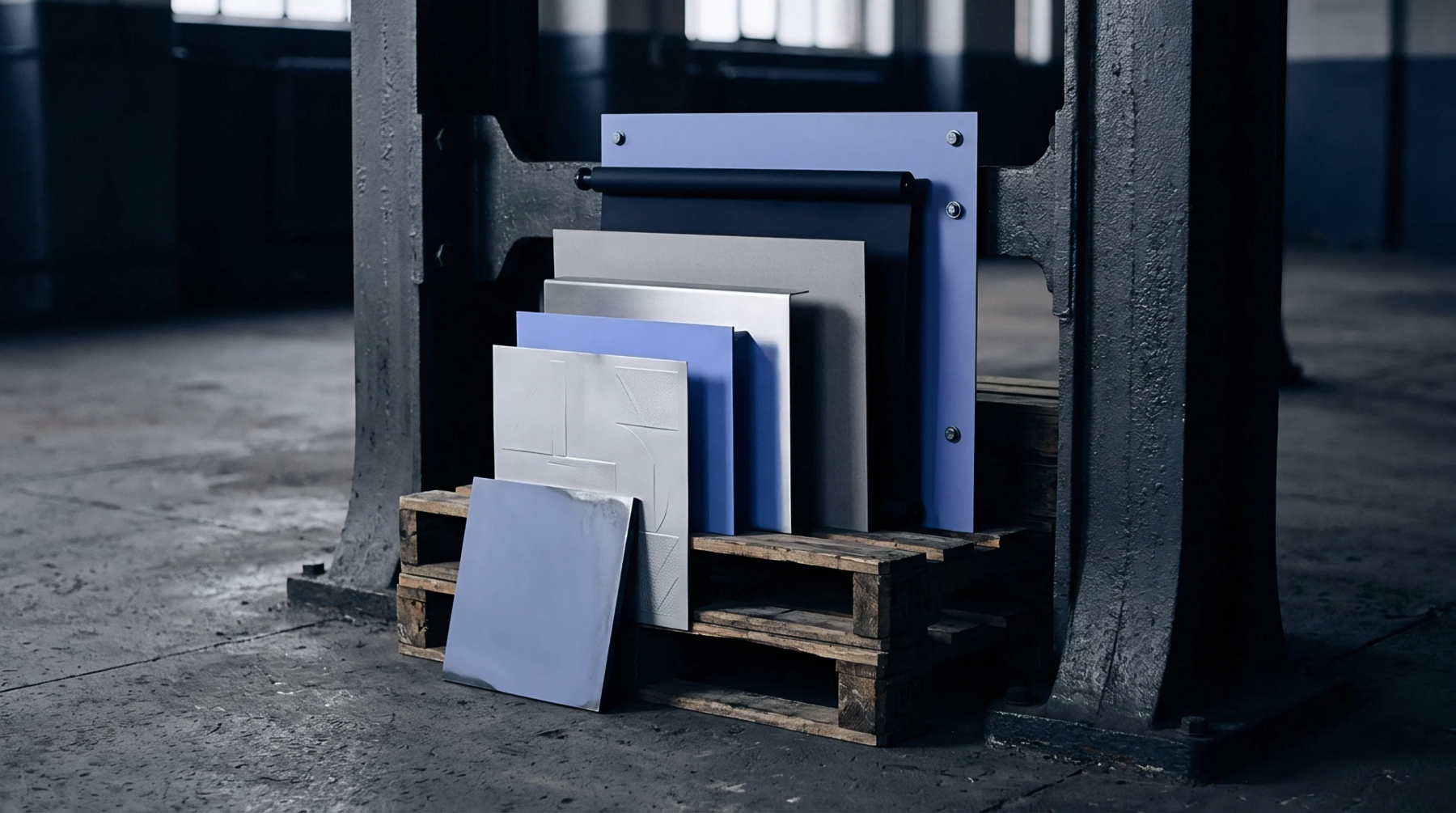
Dynamic resonance overlooks plastic slip; static two-point bending captures the true 25 percent rigidity loss occurring under moisture desorption hysteresis.
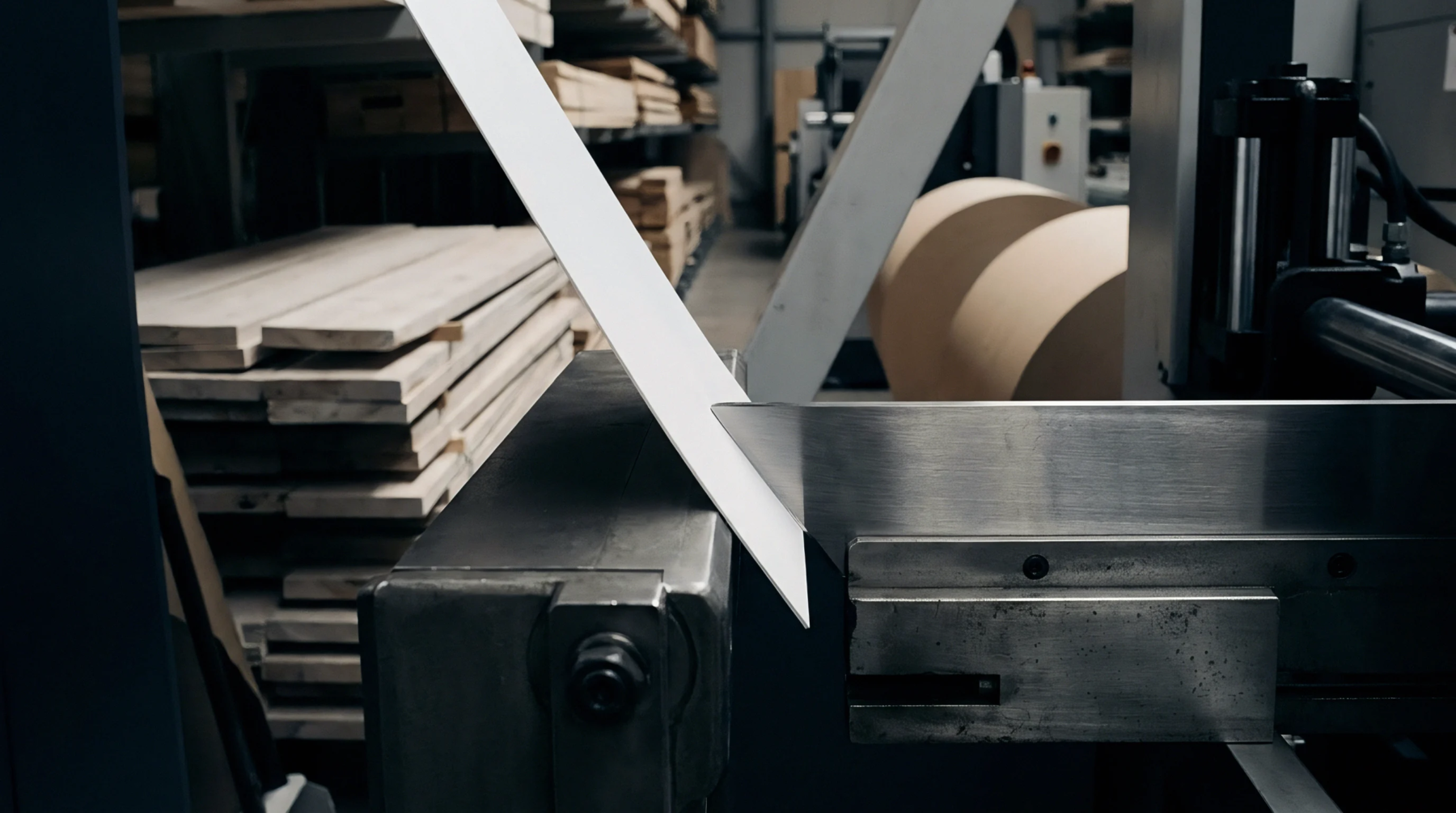
High-speed mechanical creasing forces barrier polymer thinning, elevating crease gas permeation and reducing package shelf life unless scoring geometry is optimized.

Mindlin plate corrections eliminate deflection prediction errors in high-yield packaging cores by accounting for transverse shear deformation in low-density plies.
Expertise is a utility, not a secret. sentiention™ publishes its working knowledge as open reference: intelligence layer covering the materials it sources, the markets it enters, and the reference that serves both.