Adhesion Assessment
Quality control metrics in the labelling industry track the physical separation of a substrate from a curved surface. The edge lift measurement quantifies the distance a label corner travels away from its container when the internal stiffness of the material overcomes the bond strength of the adhesive. This value is expressed in millimetres and is recorded after a set period of time in a controlled environment.
Testing Procedure
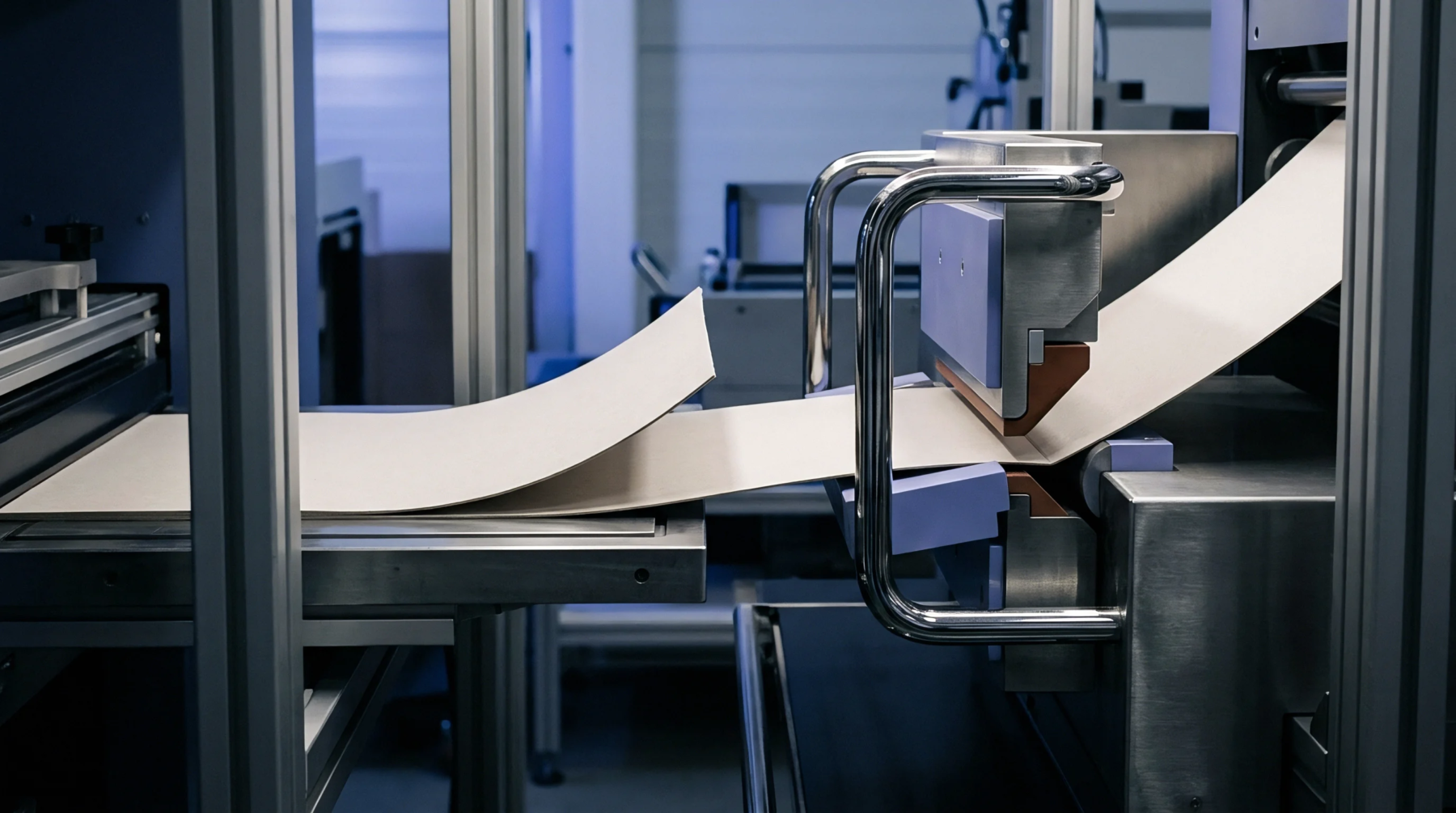
Standardized trials involve applying a sample to a glass or plastic cylinder of a specific diameter to observe the reaction of the face stock. During the edge lift measurement, a technician observes the point where the tension in the paper or film causes the adhesive to fail at the perimeter. This phenomenon often occurs because the material wants to return to its flat state.
High-tack adhesives are used to resist this force, but the thickness of the laminate also plays a significant part in the result. If the material is too rigid, it will pull away regardless of the glue strength.
Storage Condition
Temperature and humidity influence the stability of the bond during the life of the product. An edge lift measurement performed in a cold room often yields different results than one conducted in a tropical chamber. Labels on small diameter vials are most susceptible to this type of failure.