Material Equilibrium
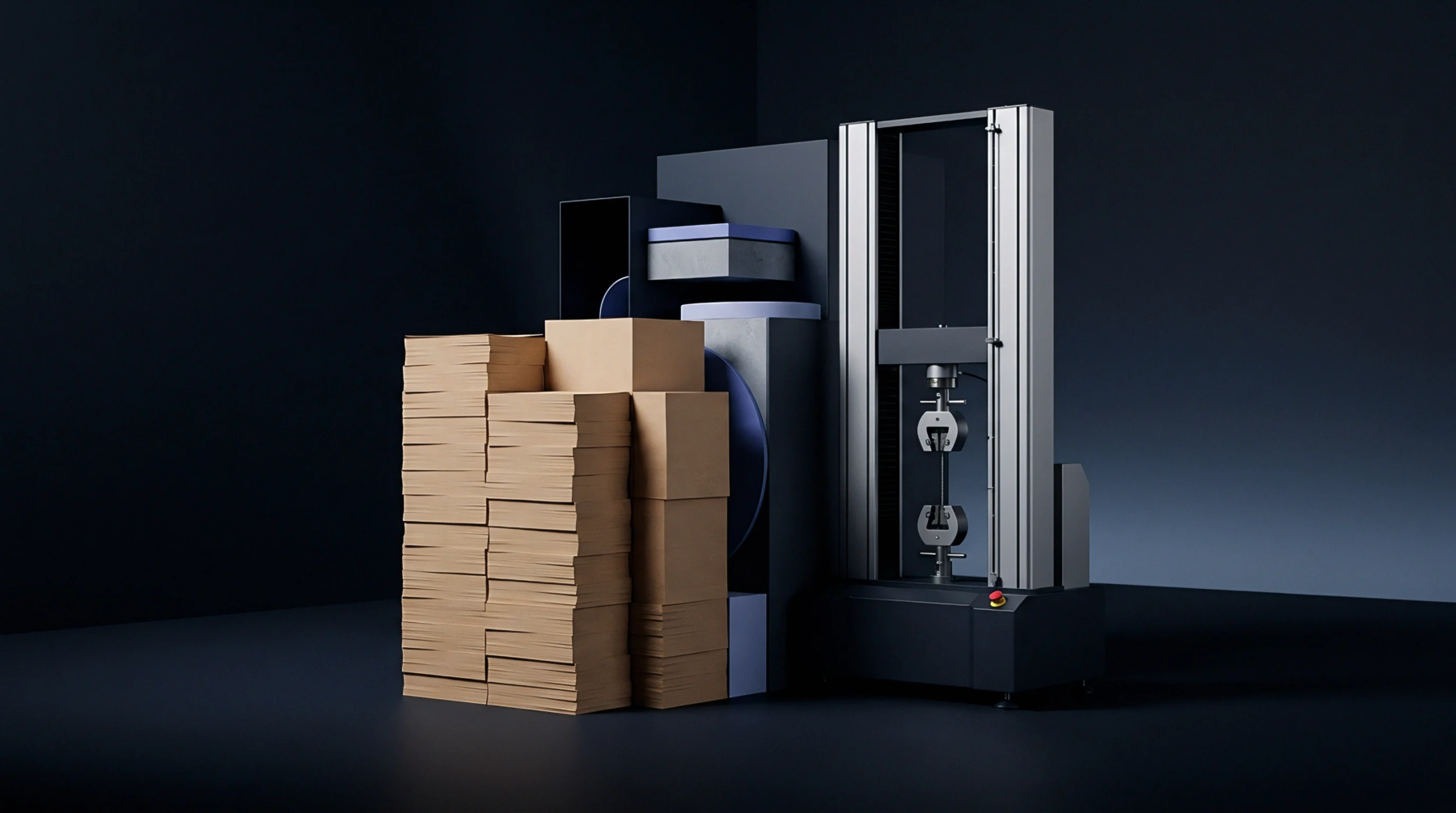
Time-dependent deformation occurs when a polymer substrate experiences a sustained force. Viscoelastic relaxation describes how internal stresses dissipate through molecular chain rearrangement as the material moves toward a state of rest. This process defines the capacity of a plastic film or fibrous sheet to regain dimensions after the removal of mechanical tension.
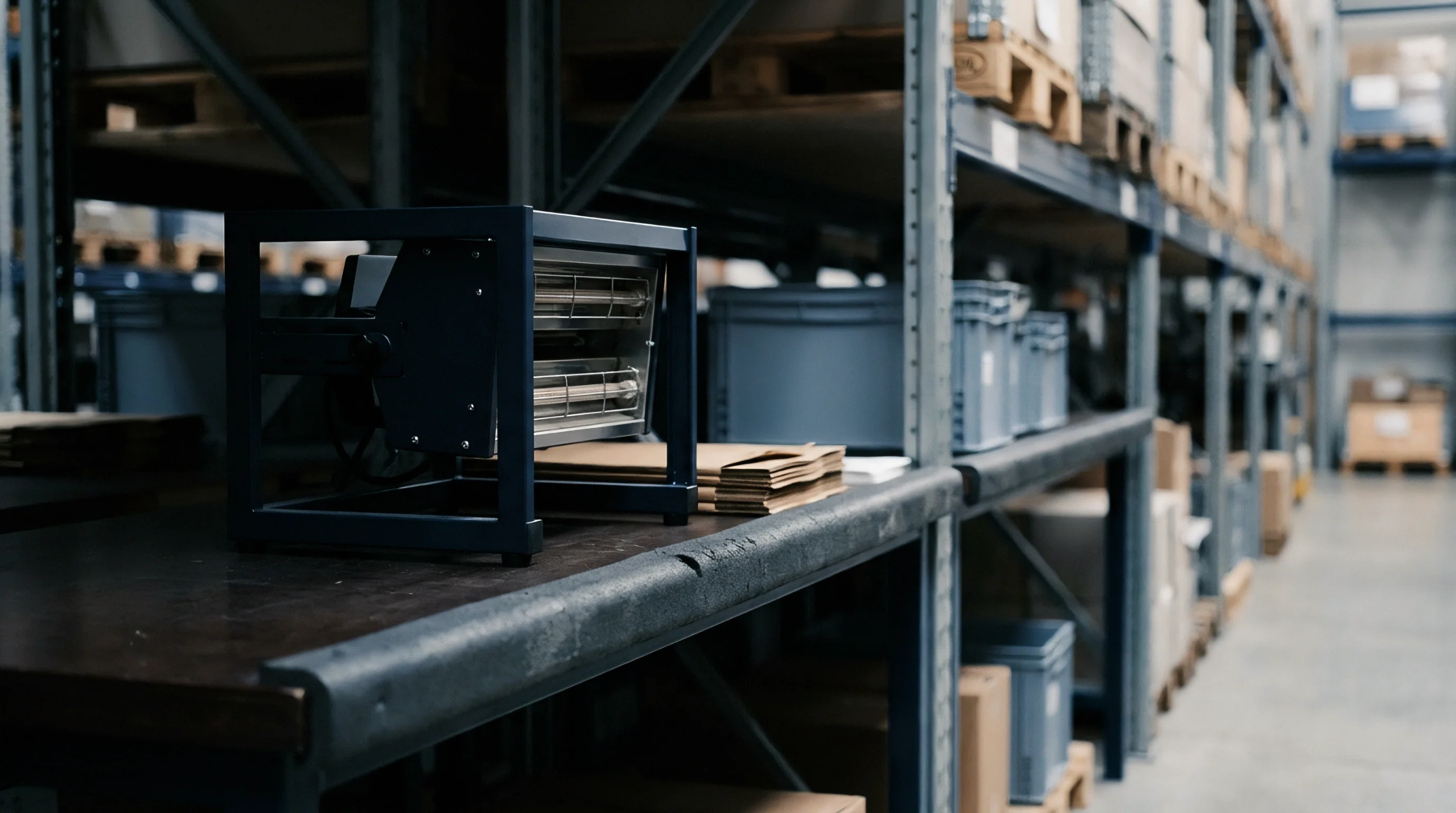
Converters monitor this behavior to prevent long-term shrinkage or warping in storage environments.
Stress Decay
Polymer chains disentangle at varying rates based on chemical composition and environmental temperature. Molecular friction hinders the movement of these chains as they slide past one another under load. A higher ambient temperature increases the mobility of the chains and accelerates the dissipation of strain energy.
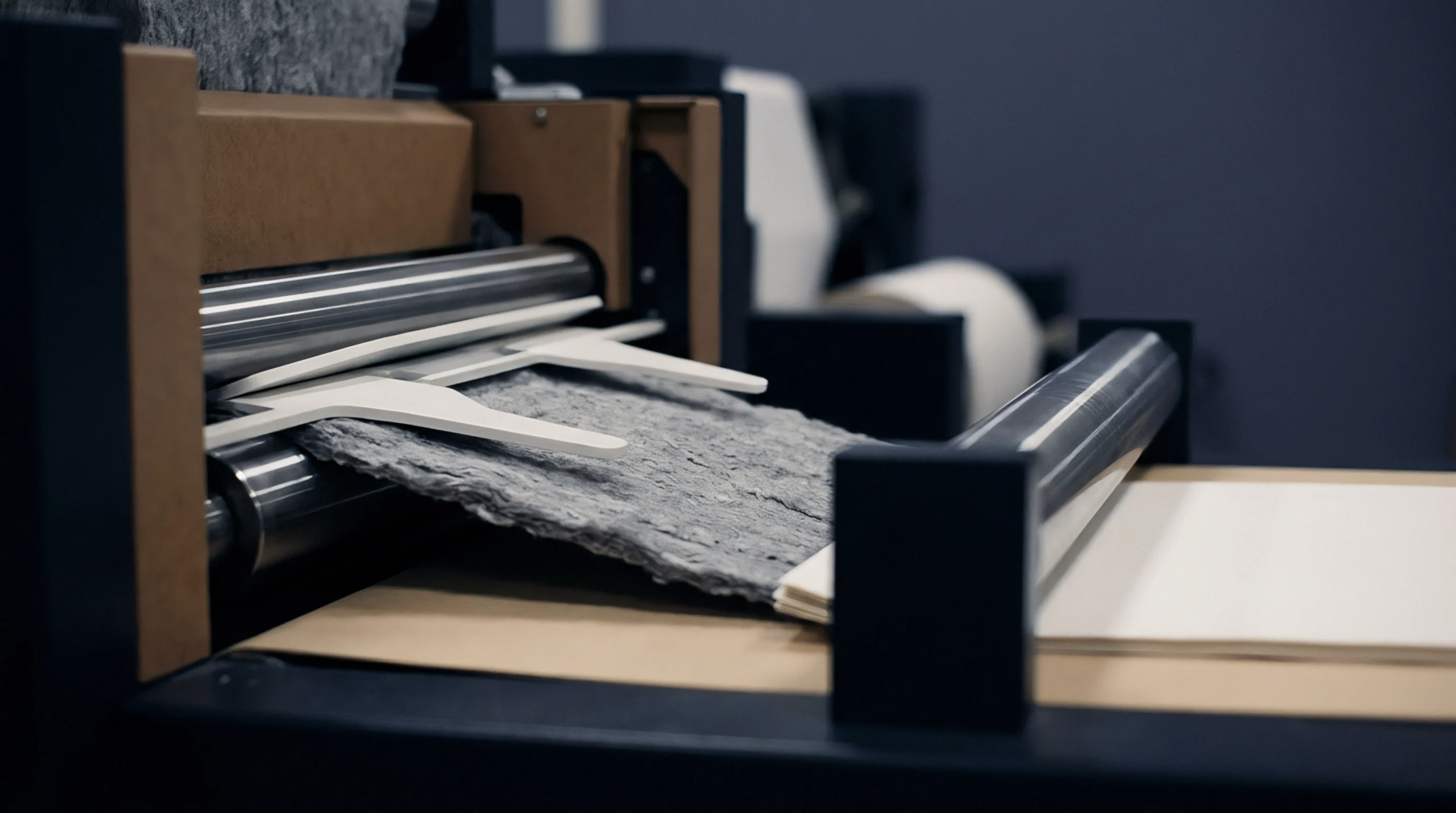
Manufacturers evaluate this temporal degradation to predict the permanence of folds or the stability of lamination bonds. Precise control over heating stages during the finishing of synthetic sheets limits the residual energy that triggers delayed deformation.
Processing Tolerance
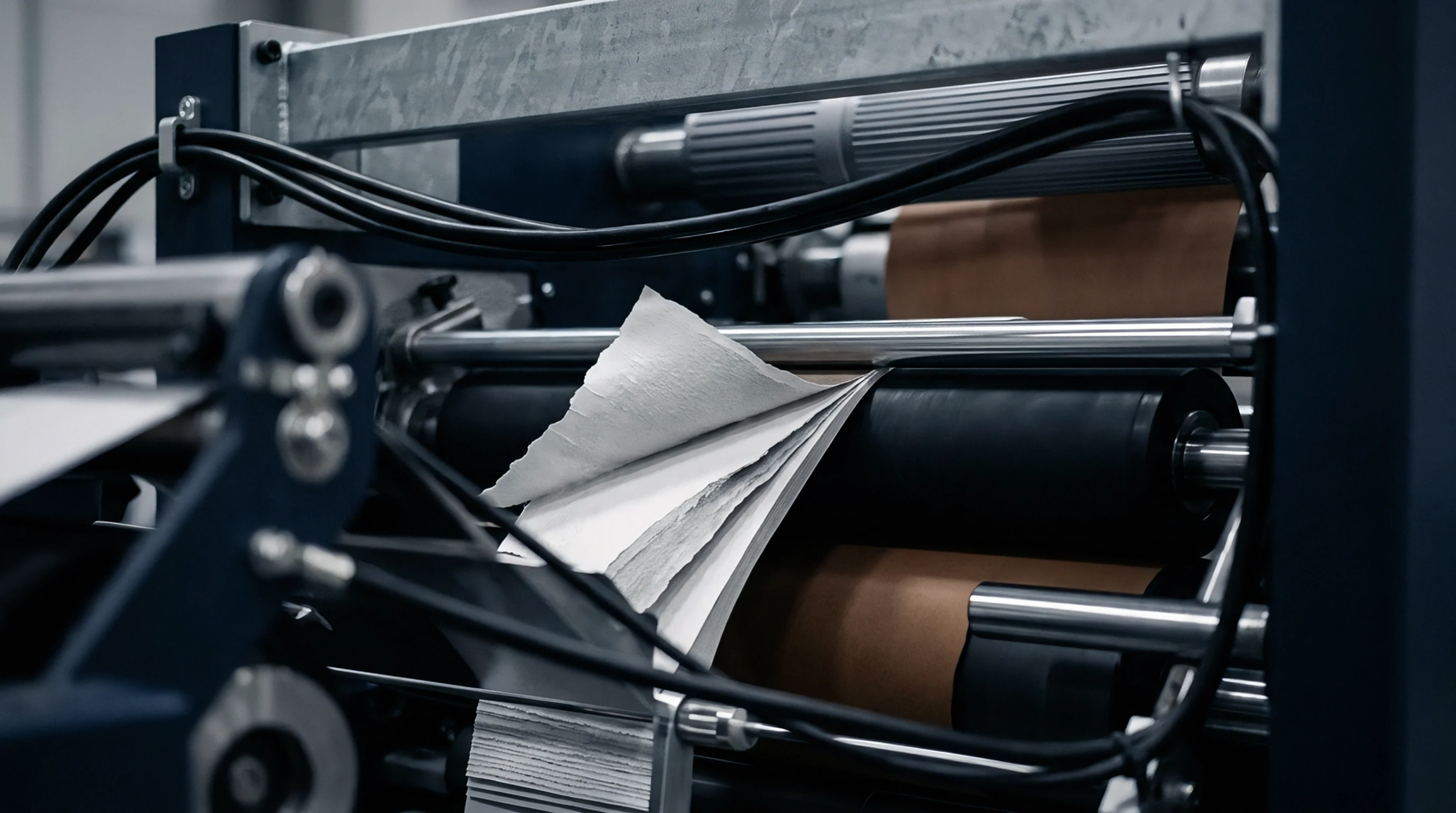
Feed systems on high-speed conversion lines exert transient pressure that threatens the registration of printed stock. Uniform material response remains necessary to ensure that tension spikes do not induce permanent elongation or feed errors. Sensors detect minor deviations in web tension during start and stop sequences to compensate for the delayed return to equilibrium.
Accurate mechanical profiling allows operators to adjust roll settings and prevent the accumulation of strain in the finished package. Proper management of temporal deformation avoids dimensional drift throughout the lifecycle of the product.