High Speed Dynamic Strain Rate Thresholds for Polyolefin Micro Perforation in Secondary Fibers
Exceeding polyolefin dynamic strain rate thresholds during micro-perforation causes brittle layer fracturing and severe z-direction secondary fiber delamination.
Shear
Pin perforating high-speed moving webs of polyolefin-laminated secondary fiberboard subjects the multi-layer composite to severe localized deformation rates. At converting velocities exceeding 400 meters per minute, mechanical punch tools impart local strain rates ranging from 2,500 to 25,000 reciprocal seconds within the immediate contact zone. Secondary paperboard substrates derived from recovered post-consumer furnishes possess reduced fiber lengths, high filler burdens, and lower z-directional tensile strength than virgin kraft stocks.
When an oscillating die or heated rotary pin strikes the polyolefin barrier skin, the rate of mechanical energy application dictates whether the synthetic polymer yields cleanly or cracks brittly, while simultaneously governing the extent of shear delamination inside the underlying recycled fiber matrix.

Viscoelastic Behavior under Rapid Punch Impact
Polyolefin coatings such as low-density polyethylene and linear low-density polyethylene exhibit pronounced strain-rate sensitivity due to their macromolecular relaxation dynamics. At quasistatic strain rates below 10 reciprocal seconds, the polymer chains reptate and slide past one another, allowing elongation above 300 percent before local necking and ductile failure occur. Increasing the strain rate beyond 1,000 reciprocal seconds restricts molecular mobility, elevating the yield stress of the polyolefin layer from an ambient 12 megapascals to over 45 megapascals.
The rapid transition reduces the ultimate elongation at break to less than 15 percent, forcing the film into a glass-like stress response during high-speed mechanical needle penetration.
When the polyolefin layer undergoes this rate-induced stiffening, the punch force required to breach the synthetic barrier increases exponentially. The rapid impulse shock transfers directly into the secondary fiber core, which exhibits little viscoelastic yield capacity. Secondary fibers composed of recycled corrugated containerboard or mixed recovered papers typically display z-directional tensile strengths between 150 and 300 kilopascals under TAPPI T 541 testing.
High dynamic contact forces exceed this internal cohesion limit, causing inter-ply shear cleavage before the perforating tool fully penetrates the substrate thickness.
Standard laboratory tensile tests conducted at 20 millimeters per minute fail to predict polyolefin film rupture mechanics under dynamic perforating strain rates above 5,000 reciprocal seconds at 23 degrees Celsius.
Ductile to Brittle Transition Mechanics
Temperature and strain rate operate as coupled variables governing the failure morphology of extruded polyethylene and polypropylene barrier layers. According to the time-temperature superposition principle, increasing the deformation rate by two orders of magnitude shifts the ductile-to-brittle transition temperature upward by approximately 18 degrees Celsius. Rotary micro-perforation lines operating in unconditioned converting facilities during winter months operate dangerously close to this brittle boundary.
A high strain rate punch event at 15 degrees Celsius converts an otherwise ductile 25-micron polyethylene film into an extremely brittle membrane, generating micro-cracks that radiate outward from the perforation perimeter.
Micro-crack initiation destabilizes the physical structure of the secondary fiber sheet. Secondary fibers possess shortened individual fiber lengths averaging 0.8 to 1.2 millimeters, compared to virgin softwood fibers exceeding 2.5 millimeters. Under high strain rate impact, micro-cracks in the polyolefin layer act as stress concentration nodes that propagate down into the shortened fiber matrix.
The crack tip drives transverse shear delamination, peeling the barrier film away from the top paper layer and creating clean fiber pick defects along the web run.
| Polyolefin Grade | Strain Rate (s⁻¹) | Dynamic Yield Stress (MPa) | Failure Mode | Perforation Edge Quality |
|---|---|---|---|---|
| Low Density Polyethylene (LDPE) | 500 | 18.4 | Ductile Necking | Smooth rolled rim |
| Low Density Polyethylene (LDPE) | 5,000 | 38.2 | Viscoelastic Yield | Slight burr formation |
| Low Density Polyethylene (LDPE) | 15,000 | 54.1 | Brittle Fracture | Radiating micro-cracks |
| Linear Low Density (LLDPE) | 15,000 | 41.8 | Ductile Shear | Clean circular punch |
| Polypropylene Copolymer (PP) | 10,000 | 68.5 | Shatter Fracture | Severe delamination, fiber pick |
Incorrectly matching line speed to the strain rate capability of the film stock causes immediate converting scrap, substrate web breaks, and permanent barrier failure across the finished batch.
Needle
Mechanical pin perforation systems rely on precise geometric contact between rotating needle rolls and matching anvil sleeves. As pin tip diameters shrink below 200 microns to produce breathable micro-perforations, tool entry velocity becomes the dominant parameter governing edge quality. A 150-micron steel needle striking a moving web at 8 meters per second displacement speed generates an instantaneous shear zone within the secondary fiber composite.
Control over web tension, needle tip geometry, and anvil clearance determines whether the perforation remains open or closes immediately due to elastic recovery of the polyolefin skin.
Mechanical Pin Micro Perforation Dynamics
Rotary pin systems utilize cold or heated needle configurations to punch micro-porous arrays into barrier-laminated board. Cold needle punching relies entirely on high strain rate mechanical shear to rupture the substrate. Under cold mechanical punching, the elastic modulus of the polyolefin coating forces significant elastic recovery after tool withdrawal, reducing the effective hole diameter by up to 60 percent of the pin tip dimension.
Heated needle systems mitigate elastic recovery by introducing localized thermal energy, which lowers the yield stress and relaxes the strain rate sensitivity of the polymer film during impact.
Heat transfer from the needle tip into the polyolefin layer occurs within a millisecond contact window. At web velocities of 500 meters per minute, contact residence time drops below 0.5 milliseconds. Thermal diffusion into the polyethylene skin requires sufficient dwell time to raise the local temperature above the polymer melting point of 115 degrees Celsius.
When contact time falls short of the thermal diffusion threshold, mechanical shear dominates the hole formation process, driving severe dynamic strain rate fractures into the secondary fiber base.
What Strain Rates Trigger Polyolefin Brittle Transition?
Extruded low-density polyethylene films on recycled linerboard transition from ductile yield to brittle failure when local shear strain rates exceed 12,000 reciprocal seconds at standard operating temperatures of 23 degrees Celsius. Exceeding this boundary alters the failure mechanics of the perforation hole. Instead of forming a smooth, raised melt-rim that reinforces the hole perimeter, the brittle polyolefin layer shatters into irregular jagged segments.
These sharp edges catch against guide rolls downstream, instigating catastrophic web breaks during high-speed packaging operations.
Secondary paperboard substrates compound the mechanical instability of micro-perforated films. Recycled fibers undergo severe hornification during repeated drying cycles, rendering individual pulp fibers stiff and brittle. When the perforating needle displacement rate exceeds 5 meters per second, the stiffened secondary fibers cannot bend or deform elastically around the penetrating pin tip.
The needles snap the rigid short fibers, generating fine paper dust that accumulates inside the rotary tool assemblies and fouls the punch die clearances.
- Burr wall elevation creates pronounced thickness spikes along the web edges, inducing severe roll telescoping during rewinding operations when hole rim heights exceed 45 microns.
- Inter-layer fiber pick occurs when brittle polyethylene fractures detach top-sheet secondary fibers, transferring loose particulate onto downstream flexographic printing plates.
- Pinhole perimeter tearing develops when local strain rates exceed the dynamic tear propagation resistance measured under ASTM D1922 guidelines.
- Elastic hole occlusion reduces gas permeability across packaged agricultural produce boards when punch velocities fail to induce permanent viscous deformation in the barrier layer.
Extrusion suppliers frequently claim that higher melt flow index resins automatically eliminate web splitting during high-speed pin conversion, ignoring the reality that secondary fiber delamination is driven primarily by z-directional mechanical shear force rather than polymer melt viscosity.
Matrix
Secondary fiber furnishes present unique structural challenges during dynamic punching due to their heterogeneous composition. Recycled paperboard contains variable proportions of old corrugated containers, de-inked pulp, and post-consumer newsprint. High ash content, originating from calcium carbonate and clay fillers, reduces the number of active hydrogen bonds between pulp fibers.
Under dynamic dynamic load conditions, lower bond density reduces the fracture toughness of the fiber matrix, leaving the sheet susceptible to z-directional cleavage under high-speed mechanical needle impact.
Inter Fiber Bonding in Secondary Furnishes
Hydrogen bonding provides the primary source of internal cohesion within paper networks. Secondary fibers undergo mechanical shortening during repulping, reducing average fiber-to-fiber contact area by 30 to 50 percent compared to virgin furnishes. Furthermore, residual contaminants such as micro-stickies, wax residues, and starches create localized weak points within the fiber network.
When a high-speed perforating needle impacts the surface, shear stress propagates radially away from the penetration point until it reaches these weakly bonded inter-ply interfaces.
Internal bond strength measured by TAPPI T 541 provides direct correlation with delamination resistance during high-speed punching. Secondary paperboard grades possessing z-directional tensile strength below 200 kilopascals suffer extensive internal delamination zones surrounding each micro-perforation hole. The delamination zone manifests as an internal void where the top layer lifts away from the core plies.
Under barrier lamination, these voids trap moisture and atmospheric oxygen, invalidating the targeted breathability performance of the micro-perforated packaging system.

Delamination Resistance around Perforation Zones
Substrate thickness and density modulate the distribution of impact energy across the secondary fiber sheet. Higher bulk board structures cushion the dynamic force of the perforating pin, spreading energy over a wider volumetric area. Denser boards, produced via heavy wet pressing or surface calendering, transmit the mechanical impulse cleanly through the z-axis.
The lack of acoustic damping in dense recycled board spikes the peak impact force, accelerating polyolefin layer cracking when tool strain rates exceed critical thresholds.
Quantifying the spatial extent of delamination around perforation holes requires ultrasonic damage analysis or low-voltage scanning electron microscopy. Micro-perforation defects expand significantly when board ash content exceeds 14 percent by weight. Mineral fillers do not form hydrogen bonds with wood fibers, acting instead as stress raisers under dynamic dynamic loading conditions.
Keeping ash content low and adding strength resins such as cationic polyacrylamide restores inter-fiber cohesion, containing the micro-perforation impact zone to within 50 microns of the pin diameter.
A qualification sequence establishes line stability before committing high-volume secondary board runs to high-speed micro-perforation converting.
- Determine the z-directional tensile strength of the raw secondary paperboard substrate in accordance with TAPPI T 541 conditioning rules at 23 degrees Celsius and 50 percent relative humidity.
- Measure total inorganic ash content via high-temperature combustion according to ISO 1762 to verify filler loading levels remain beneath 12 percent by mass.
- Mount sample sheets onto a laboratory dynamic drop-weight impact tester capable of achieving strain rates from 1,000 to 20,000 reciprocal seconds.
- Perform pin penetration trials across incremental impact velocity steps, recording needle force displacement curves via piezoelectric load sensors.
- Inspect perforated samples under optical microscopy to measure micro-crack propagation lengths and rim burr height dimensions.
| Furnish Grade | Ash Content (%) | Z-Tensile Strength (kPa) | LDPE Film Thickness (µm) | Burr Height (µm) |
|---|---|---|---|---|
| Virgin Kraftliner | 1.2 | 410 | 20 | 18 |
| Testliner Grade 1 (High OCC) | 6.5 | 280 | 20 | 29 |
| Testliner Grade 2 (Mixed Waste) | 11.8 | 210 | 20 | 48 |
| Recycled Chipboard (High News) | 16.4 | 145 | 20 | 76 |
| Coated Recycled Board (CRB) | 18.2 | 130 | 25 | 92 |
Secondary board furnishes possessing z-directional tensile strength below 180 kilopascals suffer severe inter-ply cleavage when mechanical pin penetration velocity exceeds 6 meters per second.
Polyolefin film adhesion to secondary board scales directly with surface fiber contact area, meaning coarse recycled furnishes demand higher coat weights to prevent interfacial debonding under rapid tool impact.

Rupture
Evaluating multi-layer substrate failure requires analyzing kinetic energy transfer during micro-perforation events. High-speed mechanical punching converts mechanical energy into plastic work, elastic strain energy, and surface fracture energy within both the polyolefin coating and secondary paperboard substrate. When the rate of kinetic energy input exceeds the rate of viscoelastic dissipation, localized energy accumulation forces catastrophic layer rupture.
Dynamic mechanical analysis allows converting engineers to map polymer relaxation spectra against operational press speeds to identify safe processing envelopes.

Dynamic Mechanical Analysis and Strain Rate Limits
Dynamic mechanical analysis measures storage modulus and loss modulus of polyolefin barrier films as functions of temperature and deformation frequency. Oscillating test modes reveal the glass transition temperature and alpha-relaxation events associated with crystalline polymer domains. Shifting measurement frequencies from 1 Hertz to 1,000 Hertz models the material response observed under actual high-speed rotary pin converting.
As frequency increases, the loss tangent peak shifts toward higher temperatures, narrowing the ductile processing window for extruded film layers.
Linear low-density polyethylene modified with metallocene catalysts displays superior dynamic toughness compared to conventional autoclave low-density polyethylene. The narrow molecular weight distribution and short-chain branching of metallocene polyolefins preserve chain mobility under high strain rates. Under impact strain rates of 15,000 reciprocal seconds, metallocene polyethylenes retain ultimate elongation values above 45 percent, preventing brittle cracking along hole perimeters.
Blending 20 to 30 percent metallocene resin into standard low-density polyethylene extrusion formulations elevates the critical dynamic strain rate threshold without inflating raw material expenditure past commercial limits.

Energy Dissipation in Laminated Substrates
A worked comparative analysis illustrates energy dissipation mechanics across two polyolefin barrier formulations laminated to a 250 g/m² recycled board substrate. Assume a high-speed rotary perforating line operating at 600 meters per minute line speed, generating a punch displacement velocity of 10 meters per second through a pin tip diameter of 180 microns. The local deformation zone width equals 50 microns, yielding an operational dynamic strain rate of 200,000 reciprocal seconds within the polyolefin barrier skin.
Case A utilizes a standard 25-micron low-density polyethylene coating with a dynamic yield stress of 52 megapascals at 200,000 reciprocal seconds. Case B utilizes a 25-micron blended coating comprising 70 percent low-density polyethylene and 30 percent metallocene linear low-density polyethylene, exhibiting a dynamic yield stress of 38 megapascals under identical strain conditions. Mechanical energy imparted per perforation hole is calculated via integration of the punch force over the barrier thickness path.
For Case A, the peak dynamic force required to shear the stiffened low-density polyethylene layer reaches 1.32 newtons per pin tip. The impulse transfers 33 microjoules of energy into the top layer of the secondary paperboard over a pulse duration of 2.5 microseconds. Because the dynamic shear strength of the short secondary fibers equals 0.45 newtons, the peak tool force exceeds the fiber matrix resistance by 193 percent.
High excess force drives dynamic micro-cracks 120 microns laterally into the surrounding paperboard matrix, causing extensive fiber pick and surface layer delamination.
For Case B, the metallocene-blend coating yields at a lower dynamic peak force of 0.96 newtons per pin tip, transferring 24 microjoules of energy into the paper core. The dynamic punch force exceeds the secondary fiber matrix shear resistance by 113 percent, representing a 41 percent reduction in excess strain energy compared to Case A. Micro-crack propagation length drops to under 25 microns, preserving surface ply integrity around the perforated aperture and maintaining composite structural bond strength.
- Dynamic tear propagation resistance specified under ASTM D1922 must not drop below 2.8 millinewtons per micron of barrier film thickness across the machine direction.
- Pin tip radius limits must remain between 12 and 18 microns to ensure clean shear initiation without generating excessive compression stresses in secondary fiber plies.
- Interfacial bond strength governed by ASTM D903 must equal or exceed 150 newtons per meter to prevent film delamination during high-frequency mechanical punching.
- Substrate moisture content specified under ISO 287 must be maintained between 6.5 and 8.0 percent to preserve secondary fiber flexibility under localized punch impact.
According to EN 13430 packaging recovery standards, micro-perforated multi-layer boards remain fully recyclable provided polyolefin barrier content stays below nine percent of total pack mass.
The standard procurement specification for high-speed micro-perforated packaging grades establishes that barrier layer delamination exceeding 50 microns from the perforation edge invalidates the delivered roll lot certification.

Margin
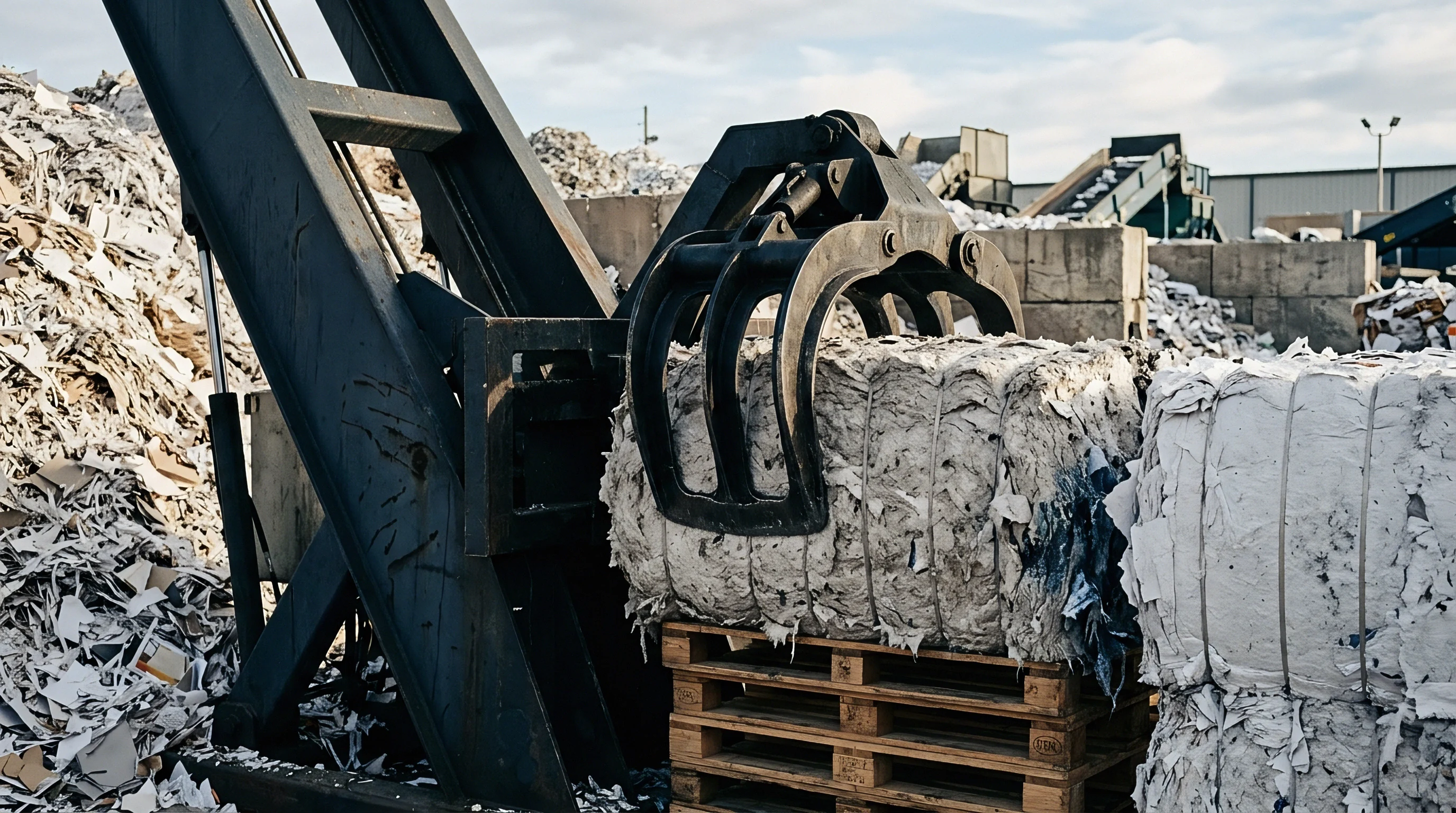
Managing dynamic strain rate thresholds directly controls converting profitability on high-speed barrier packaging lines. Secondary paperboard substrates offer raw material cost savings of 20 to 35 percent compared to solid bleached sulfate virgin boards. However, unmanaged micro-perforation defects erode these material savings through high scrap rates, frequent line stoppages, and downstream packaging machinery failures.
Converting efficiency relies on establishing robust operational windows where machine speed, film chemistry, and fiber quality intersect cleanly.
Yield Loss and Converter Spoilage Metrics
Converter waste during micro-perforation operations originates from three primary defect modes: pinhole perimeter tearing, roll edge burst, and fiber pick debris accumulation. When local strain rates exceed polyolefin failure thresholds, micro-tears along hole perimeters propagate during tensioned rewinding. A web tension spike of 150 newtons per meter on a fractured micro-perforated sheet causes immediate cross-machine web breaks.
Rewind web breaks force line shutdowns, costing an average of 45 minutes of press downtime per occurrence.
Accumulated fiber dust creates additional hidden commercial losses. Secondary fiber pick releases short, unbonded cellulose particulates into mechanical pin perforator assemblies. Fiber dust mixes with ambient polyolefin slip additives, clogging needle tips and packing tight anvil clearance voids.
Clogged pins generate incomplete holes, causing packaging line rejections due to failed package breathability specifications. Cleaning clogged rotary dies requires stopping production lines every four to six operating hours, destroying net plant overall equipment effectiveness.
Landed Cost Penalty of Fiber Pick Micro Defects
Financial evaluation of substrate selection requires calculating net landed packaging cost per thousand units rather than base board price per metric tonne. High failure rates during dynamic micro-perforation shift the optimal economic choice toward higher-quality secondary linerboard grades or resin-modified laminates. A low-cost recycled board that suffers a five percent waste rate during high-speed converting costs significantly more per delivered packaging unit than a premium secondary sheet running at one percent total scrap.
Optimizing secondary board furnish quality through wet-end strength resin additions increases base substrate pricing by approximately 35 to 50 dollars per metric tonne. However, elevated z-directional tensile strength allows converting lines to accelerate from 350 meters per minute to 550 meters per minute without crossing the dynamic delamination failure threshold. The resulting 57 percent increase in operational throughput lowers fixed converting overhead per unit, easily absorbing the higher initial substrate expenditure.
| Substrate & Barrier Profile | Line Speed (m/min) | Perforation Defect Rate (%) | Downtime Loss ($/Tonne) | Net Landed Cost ($/1,000 Packs) |
|---|---|---|---|---|
| Standard CRB / LDPE Film | 350 | 5.8 | 84.50 | 14.20 |
| Standard CRB / LDPE Film | 550 | 12.4 | 182.10 | 17.85 |
| High-Z Testliner / LDPE Film | 550 | 2.1 | 30.80 | 11.90 |
| High-Z Testliner / Metallocene Blend | 650 | 0.4 | 5.80 | 10.45 |
Running high-speed micro-perforation lines with metallocene-modified polyethylene barrier films lowers total converting scrap losses below 0.5 percent at line speeds exceeding 600 meters per minute.
Whether secondary fiber mills can consistently deliver z-directional tensile strengths above 250 kilopascals while increasing post-consumer recycled content remains an open technical challenge for the packaging supply chain.