Interfiber Bond Disruption and Mechanical Modulus Decay in Humid Converting Environments
Elevated humidity causes gas-phase moisture sorption that disrupts interfiber hydrogen bonds, reducing sheet elastic modulus and causing converting failure.
Elevated humidity causes gas-phase moisture sorption that disrupts interfiber hydrogen bonds, reducing sheet elastic modulus and causing converting failure.

Matrix channel width equals creasing rule thickness plus board caliper multiplied by grade constants ranging from 1.4 for SBB to 1.7 for WLC.

Predicting interfacial delamination thresholds in recycled boxboard requires quantifying Mode II shear fracture toughness and adjusting crease matrix channel dimensions to prevent hinge failure under cyclic loading.

Interfibrillar swelling in recycled board plies generates interface shear stresses that fracture coatings and degrade stacking strength under cyclic humidity.

Cyclic microclimates degrade recycled paperboard inter-ply shear strength through moisture expansion mismatch and starch bond mechanical fatigue.
Rapid shear creasing requires tailored interply delamination toughness to prevent liner fracturing while reducing folding torque on high-speed lines.
Multi-ply layering of post-consumer containerboard optimizes flexural stiffness and crush resistance by concentrating long fibers in outer faces.

Cross direction creasing of chemical pulp requires expanding matrix channel width to 1.5 to 1.7 times board caliper plus rule width to prevent liner cracking.

Matching counter matrix channel width to rule thickness plus 1.5 to 1.7 times board caliper prevents clay coating rupture and stabilizes carton score stiffness.

Matching dynamic Scott Bond energy above 120 J/m² prevents high-speed folder-gluer delamination and reduces net carton cost through lower line scrap.

Maximum surface temperature limits during high-speed paperboard embossing are bounded by latex binder scorching and steam-induced Z-direction blistering.
Transverse hygroexpansion in recycled paperboard drives interfiber bond dislocation and mechano-sorptive creep under cyclic moisture, accelerating compressive loss.
Optimizing board bulk expands sheet caliper at lower basis weight, increasing bending stiffness and yield per tonne while lowering total material cost.
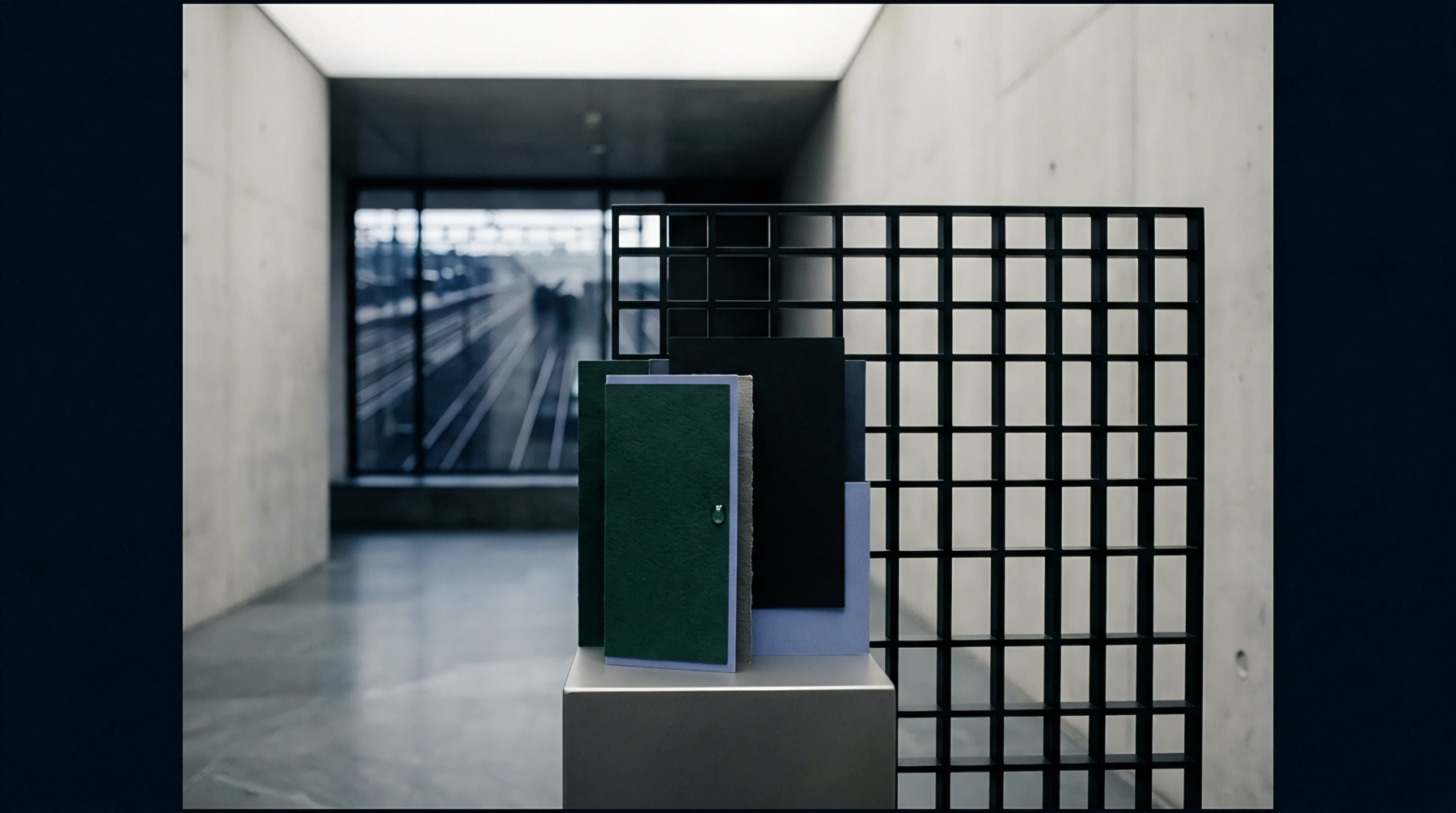
Matte laminated boxboard demands channel width expansion of twelve to eighteen percent over raw stock formulas to absorb film strain and prevent score rupture.
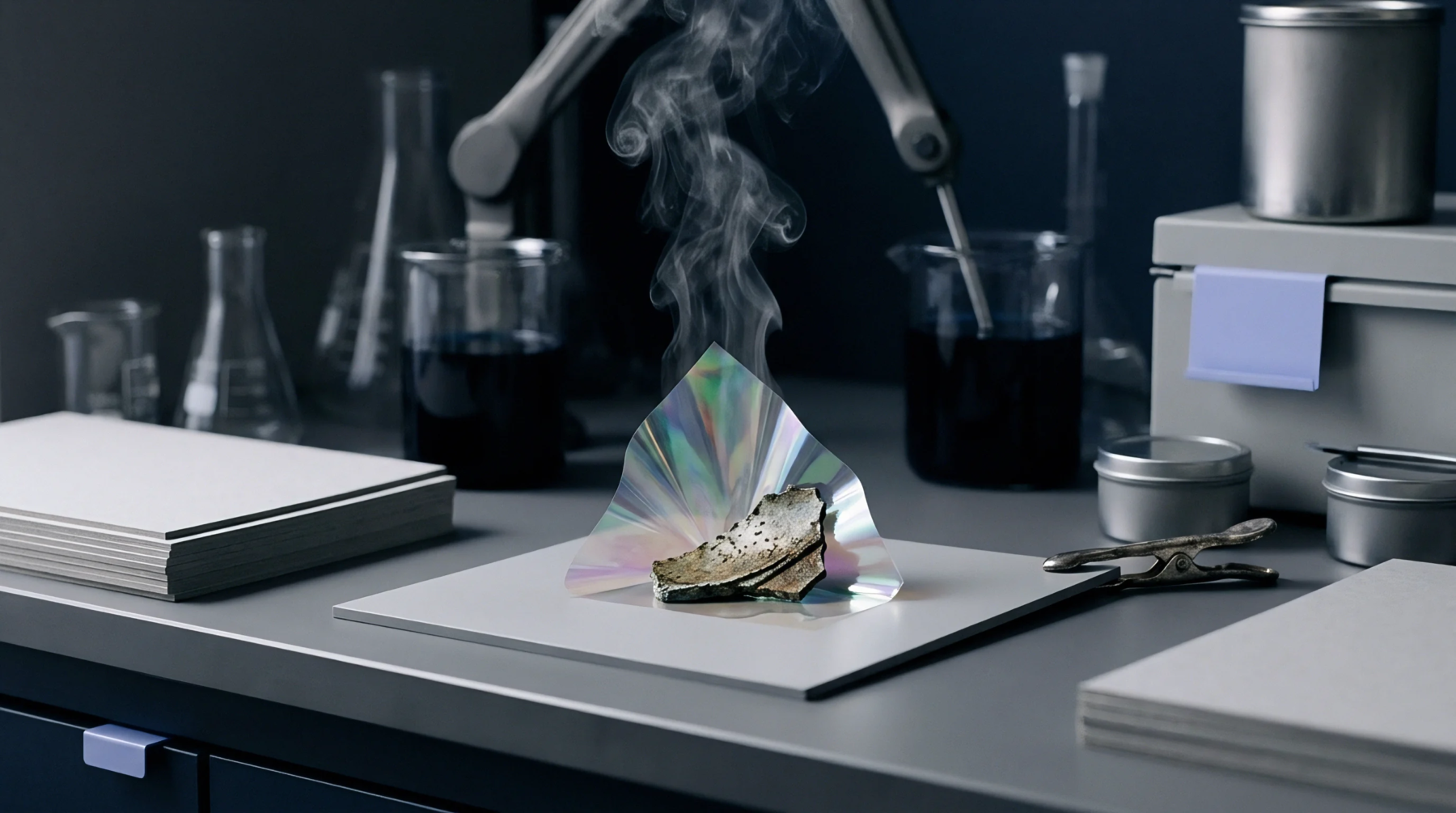
High speed thermal lamination induces transient Z-axis thermal and moisture gradients that interact with substrate fiber anisotropy, creating post-pass curl and delamination requiring active pre-heating and chill roll management.

High strain rate board creasing requires matching tool clearance to middle-ply shear yield to prevent surface fracture.

Optimizing creasing rule tip radius and channel geometry enables controlled internal board delamination, eliminating coating cracking and springback jams.
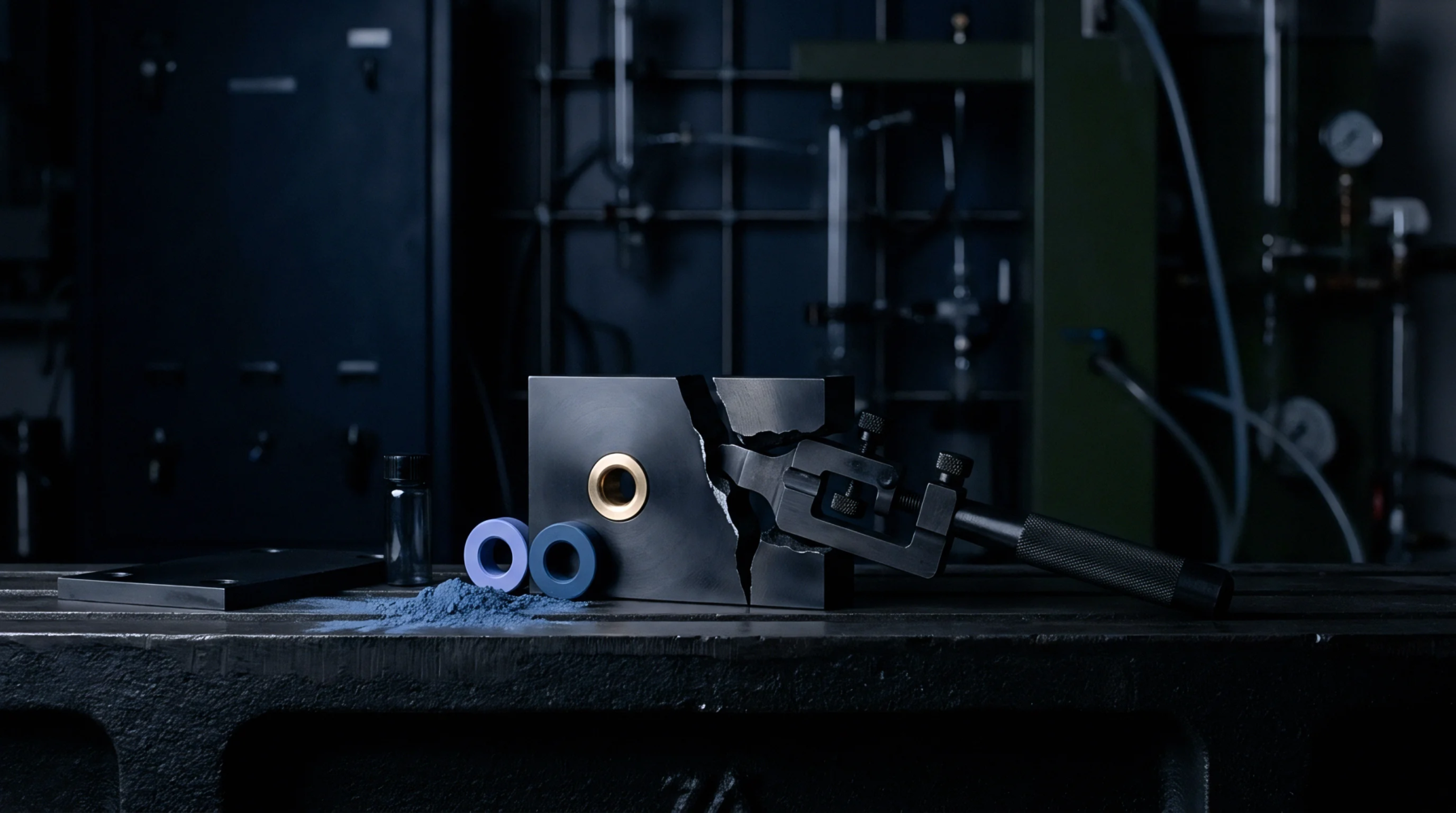
Optimizing creasing geometry for barrier board requires expanding female channel width and applying polished male rule radii to prevent barrier film splitting.
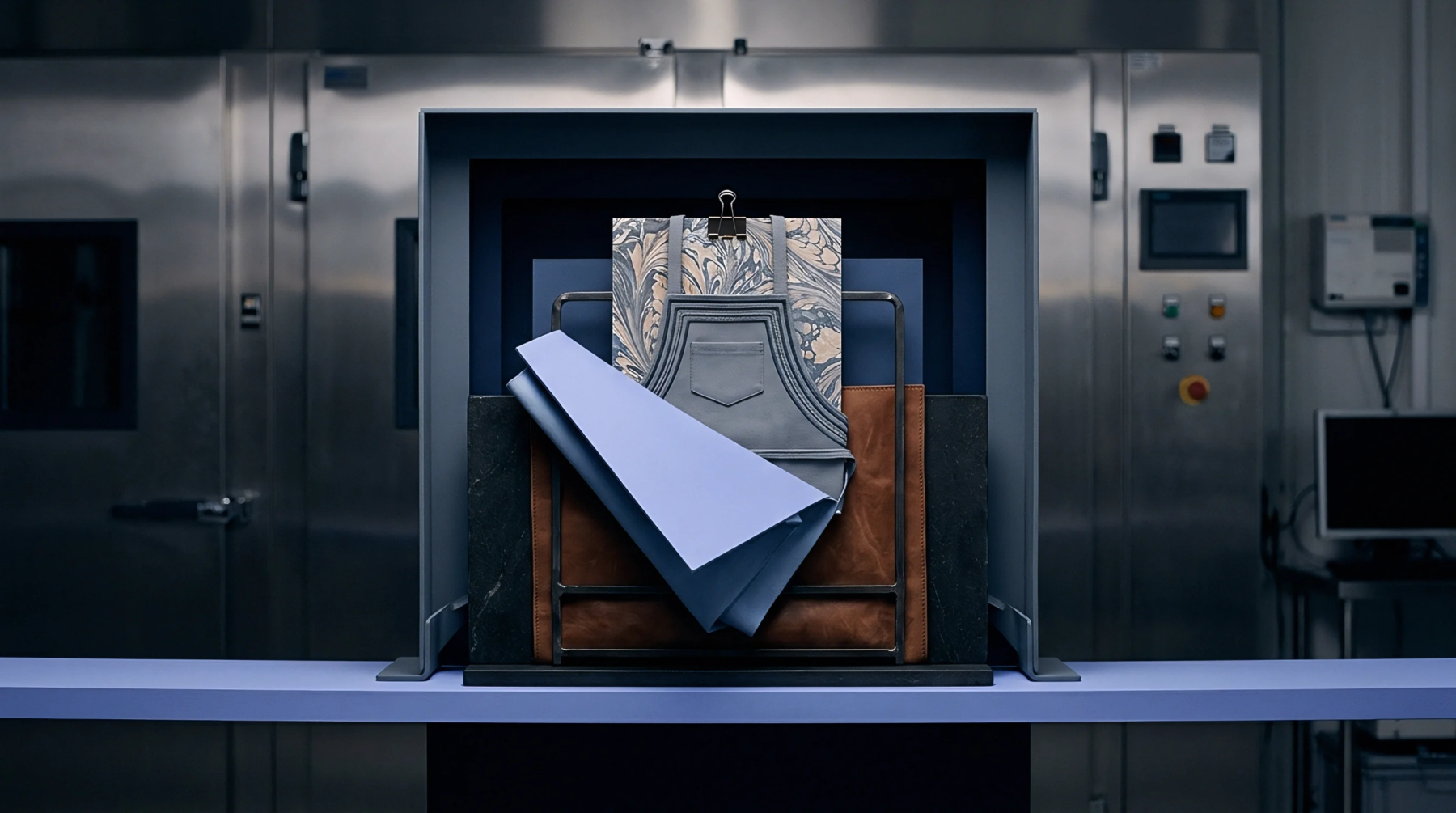
Controlled inter-ply shear delamination inside the middle layers under rule stroke impact converts rigid board into thin lamina, eliminating score cracking.
Optimize matrix channel clearance using board caliper and rule thickness formulas to guarantee internal ply delamination while preventing outer liner score cracking.
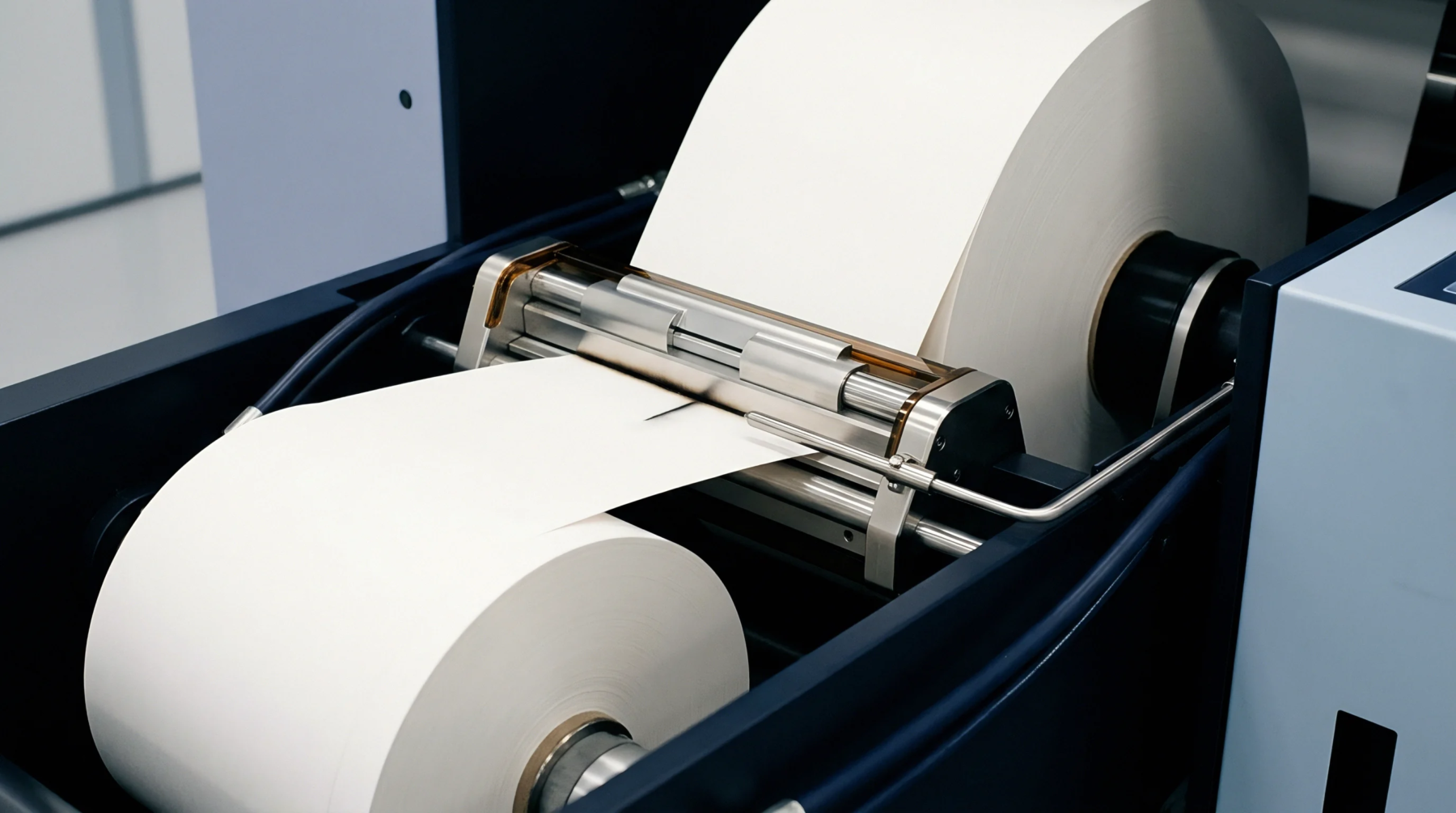
Furnish substitutions at the machine gate require wet end NIR tracking and ISO 1924 tensile verification to prevent runnability failures and yield losses

Polypropylene lamination crease failure is prevented by expanding female matrix channel width to one point seven times board caliper plus rule thickness.

Radiant UV lamp infrared energy and mechanical nip friction strip paperboard surface moisture, driving hygrothermal curl and score cracking that require cold-mirror optics, UV-LED arrays, or chilled impression rolls to preserve converting yield.
Expertise is a utility, not a secret. sentiention™ publishes its working knowledge as open reference: intelligence layer covering the materials it sources, the markets it enters, and the reference that serves both.