Fibre Interlocking
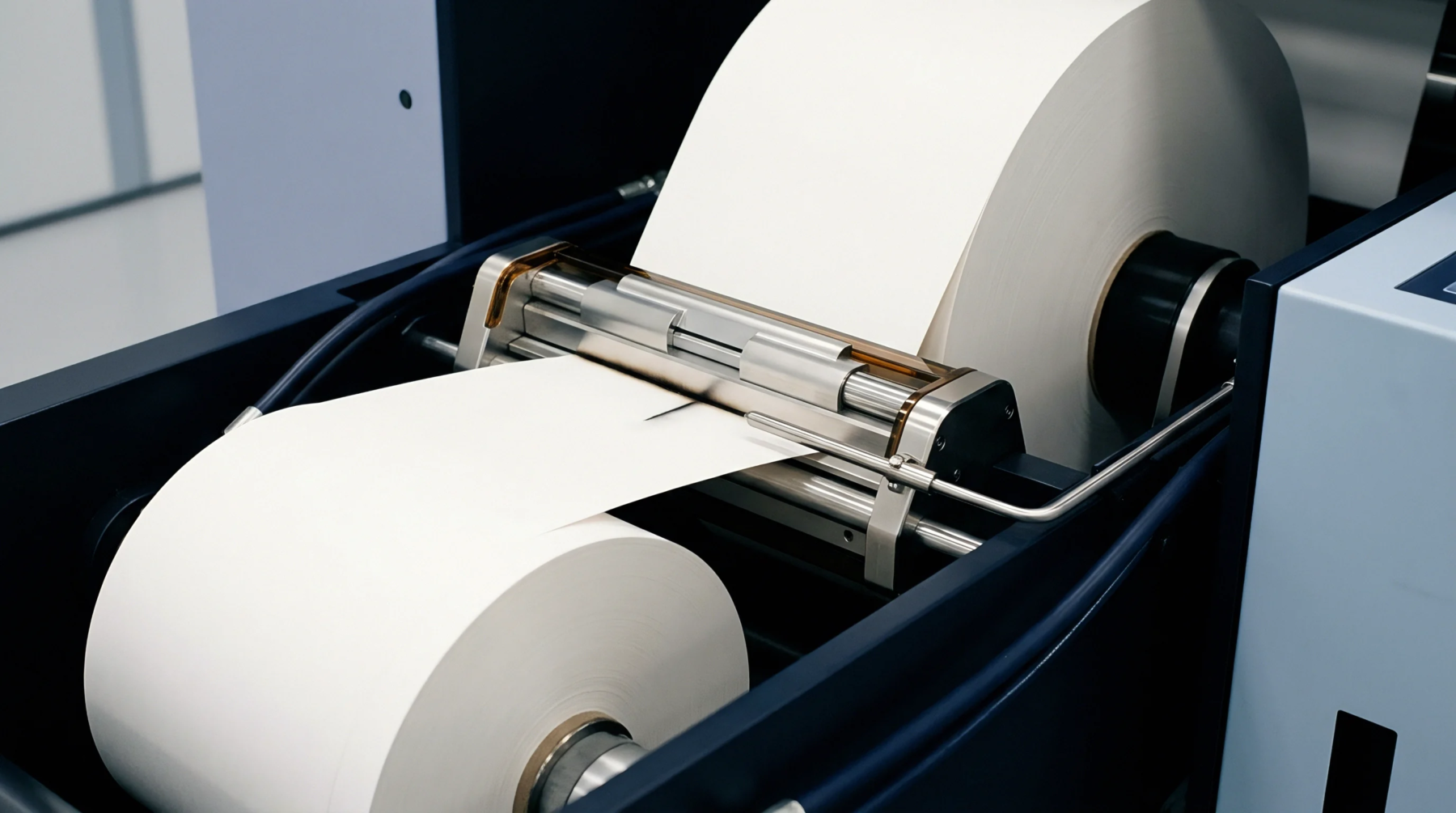
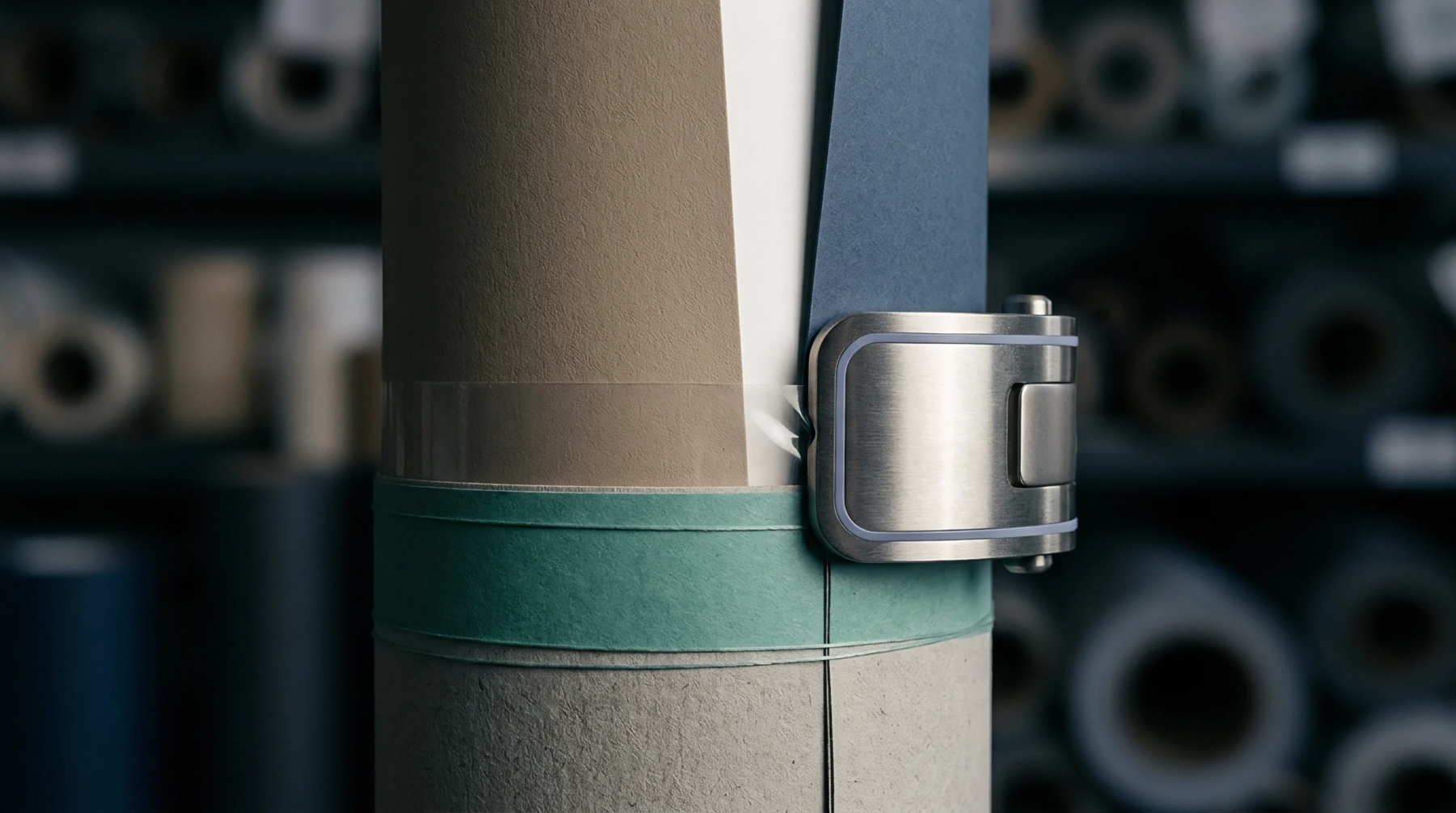
Mechanical resistance across the internal thickness axis defines z-directional tensile strength for multi-ply cartonboard and heavy paper grades. Board strength perpendicular to the plane prevents delamination under heavy ink tack or rapid adhesive release during folding carton conversion. Starch distribution profiles and refining intensity during stock preparation govern this property, determining how well internal fibre bonding withstands perpendicular stress.
Operations running high-speed offset lithography require elevated internal bond values to stop paper plies separating under tacky offset inks. Low internal resistance causes surface picking and immediate structural failure during high-speed printing.
Ply Delamination
Split structures occur when perpendicular forces exceed internal bonding capacity within the paperboard core. Press operators monitor this separation failure during high-speed folding operations and aqueous coating applications. Board manufacturers add synthetic latex binders to the wet end to increase fibre adhesion across the sheet thickness.
Insufficient refining reduces fibre contact area and leaves the sheet vulnerable to internal tearing under stress. High grammage packaging substrates demand strict internal bond targets to handle heavy creasing without structural breakdown.
Adhesive Stress
Converting machinery applies intense mechanical forces during window patching and box erection that test internal board strength to its limit. Folding carton lines operating at maximum speed subject the substrate to rapid bending moments that load the internal plane past standard limits. Laminating multiple plies together creates internal boundaries where structural weakness concentrates under thermal drying cycles.
Converting plants reject stock that shows internal separation during high-speed die-cutting operations. Perpendicular tension limits dictate maximum running speeds for heavy packaging production lines.