Calculating Machine Deckle Utilization Efficiency for Uncoated Kraft Linerboard
Calculate machine deckle efficiency by dividing total slit customer roll widths by maximum trimmed web width, factoring in edge shrinkage and repulping waste.
Calculate machine deckle efficiency by dividing total slit customer roll widths by maximum trimmed web width, factoring in edge shrinkage and repulping waste.
Transient humidity cycling accelerates board deflection fivefold, demanding decoupled ply hygroexpansivity inputs and wider safety margins to prevent collapse.
Recycled containerboard hygroexpansion demands strict cross-direction testing under ISO 8226-1 and contract moisture limits to prevent box warp and creep.
Dynamic relative humidity cycling accelerates creep deformation in recycled fluting medium beyond static predictions, requiring higher structural safety factors
Recycled containerboard loses up to 45% compression strength under constant 85% RH; specify ISO 2233 derated SCT metrics to prevent static stack collapse.
Refining top ply stock heavily while leaving base furnish coarse optimizes linerboard strength without severe wet-end dewatering penalties.
Multi-ply layering of post-consumer containerboard optimizes flexural stiffness and crush resistance by concentrating long fibers in outer faces.
Splitting recycled furnish into long and short fractions before refining concentrates mechanical energy on long kraft fibres, cutting power use while boosting compression.
Automated optical morphology testing under ISO 16065-2 quantifies fiber shortening and hornification to control secondary substrate strength and yield.

Moisture swings accelerate compression creep in recycled board through transient matrix softening and anisotropic thickness swelling that degrades stacking yield.
Paperboard physical property verification requires strict ISO 187 conditioning and standardized test methods to ensure compliance and prevent customs holds.
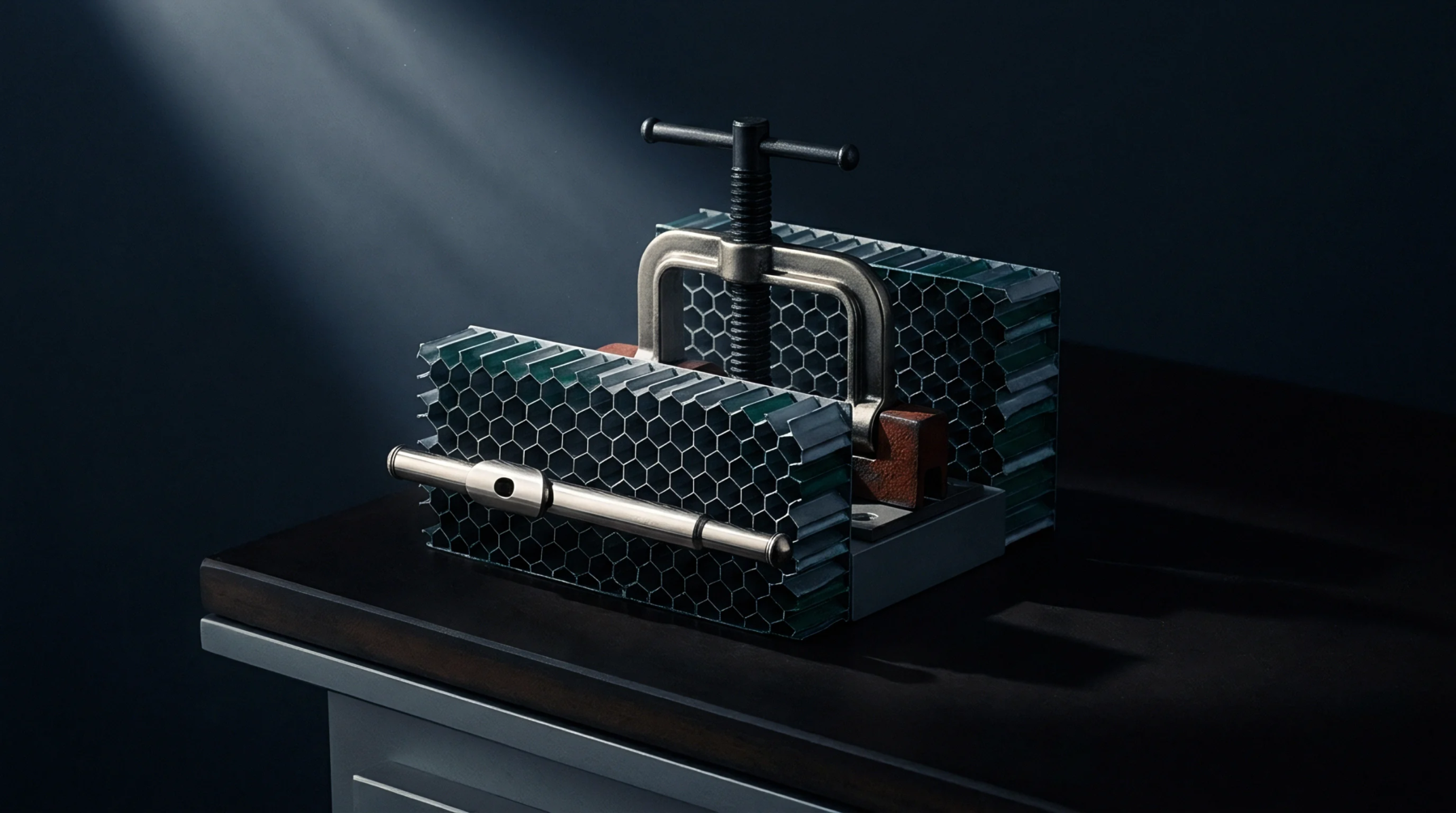
Multi-ply board stiffness and compression depend on z-direction modulus distribution, where cubic caliper scaling governs flexure and cross-direction short-span compression dictates box stacking strength.
Transverse hygroexpansion in recycled paperboard drives interfiber bond dislocation and mechano-sorptive creep under cyclic moisture, accelerating compressive loss.
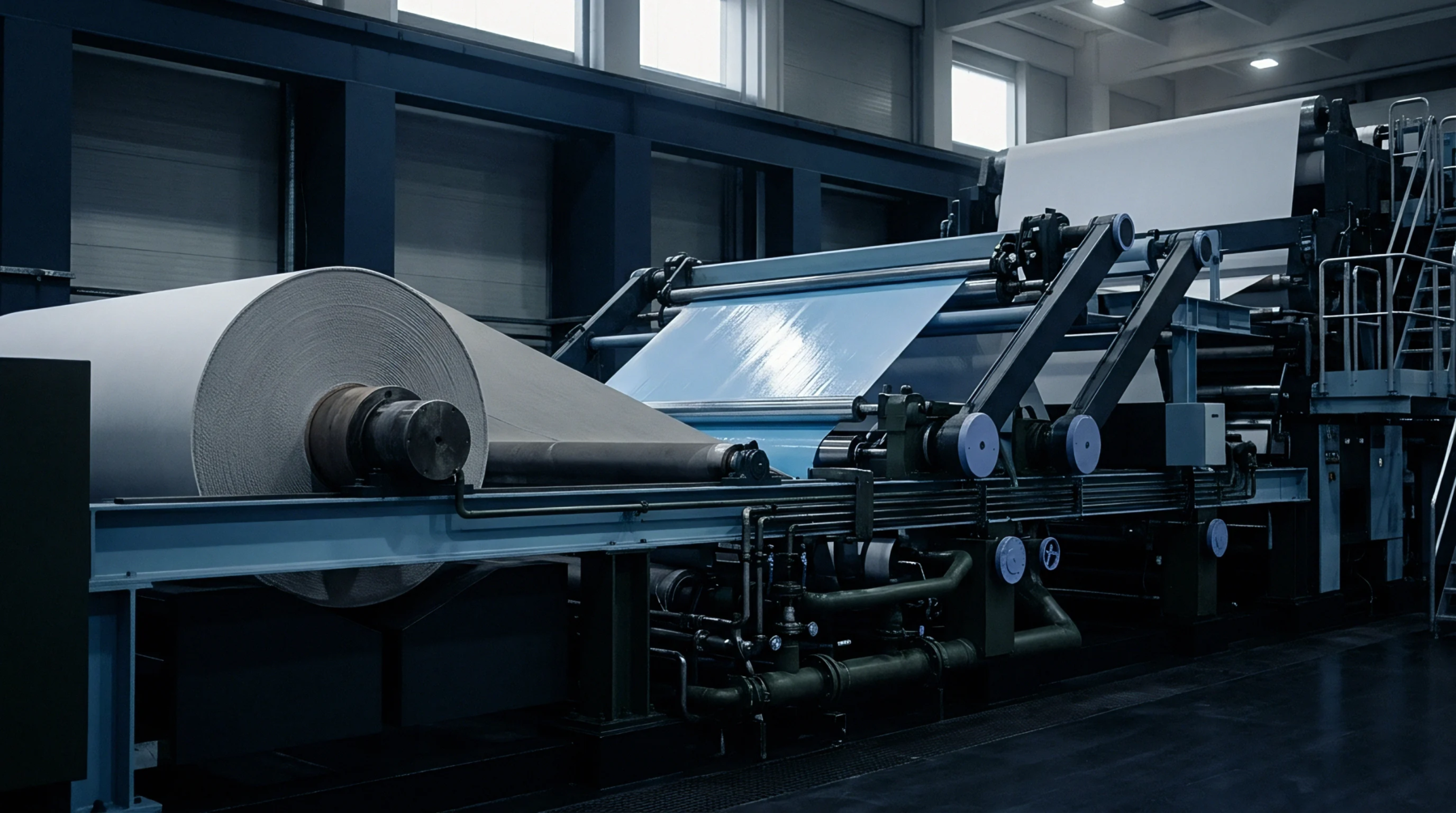
Dynamic climate chamber testing under cyclic relative humidity isolates mechanosorptive creep failure modes that standard static equilibrium conditioning miss.
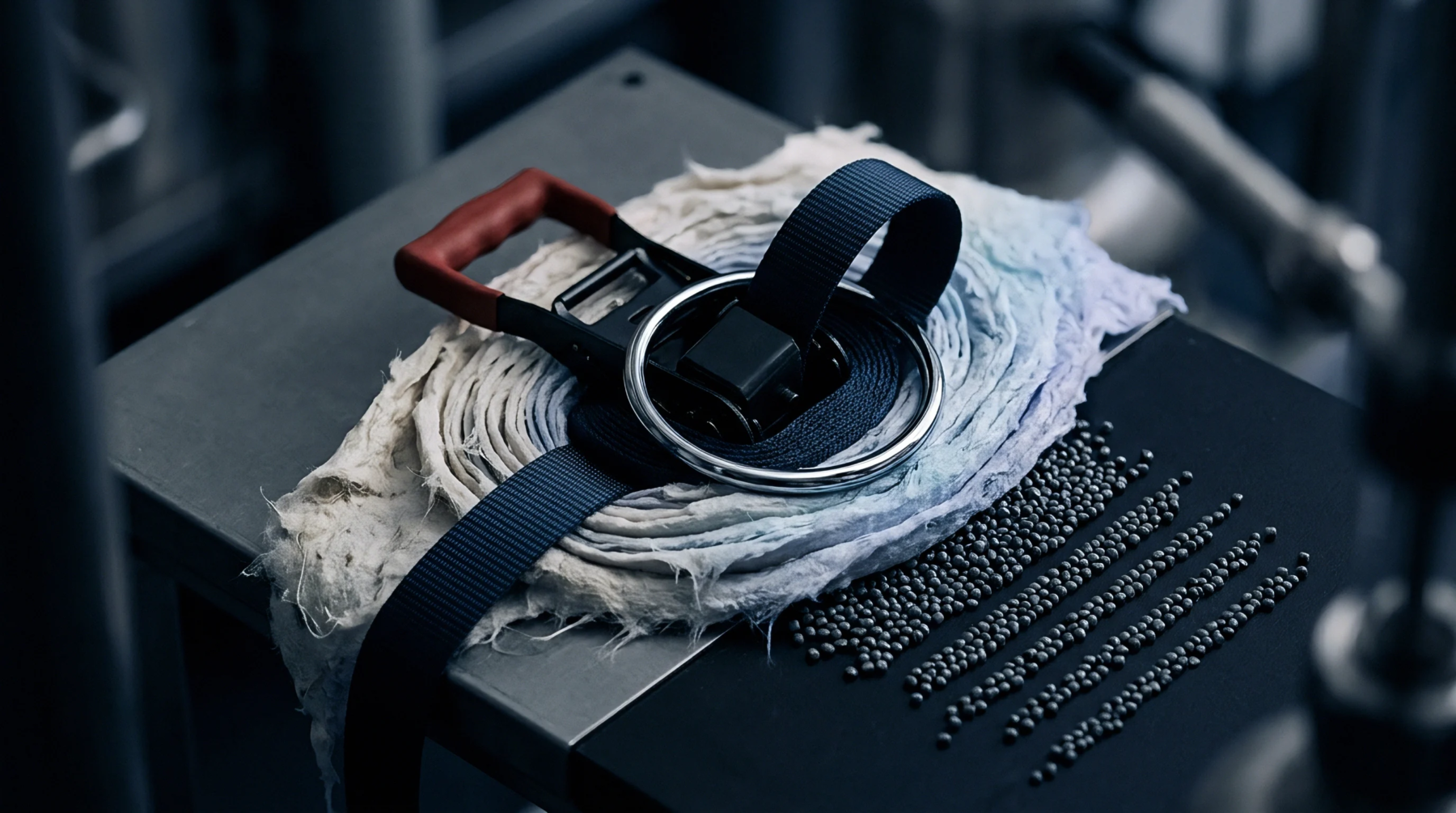
Recycled fiber networks lose up to forty percent of tensile strength under cyclic transport humidity swings due to bond dislocation and localized hygroexpansion.
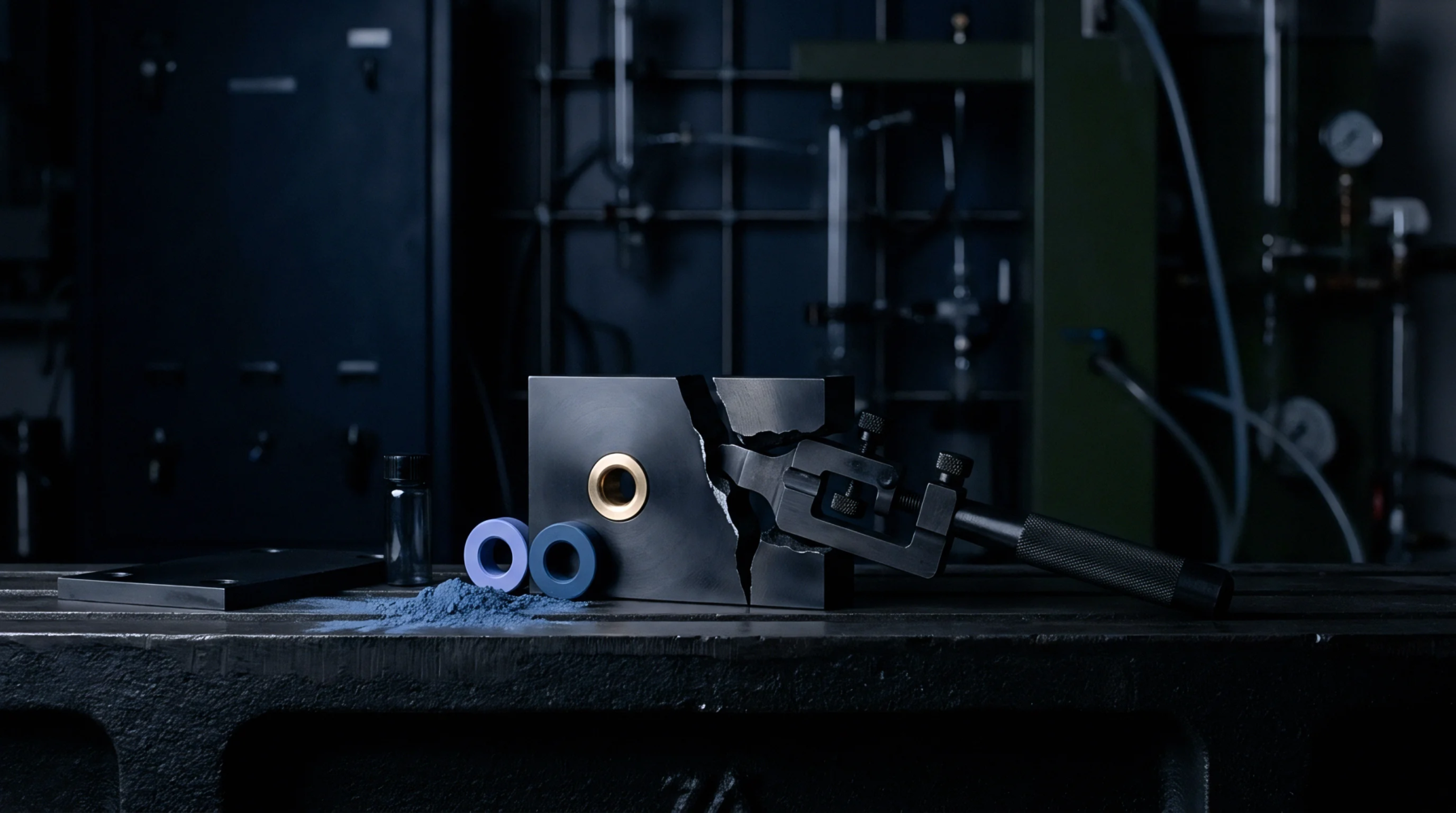
Dynamic ambient humidity accelerates creep failure in recycled containerboard, requiring increased structural safety factors and dynamic testing to prevent stack collapse.
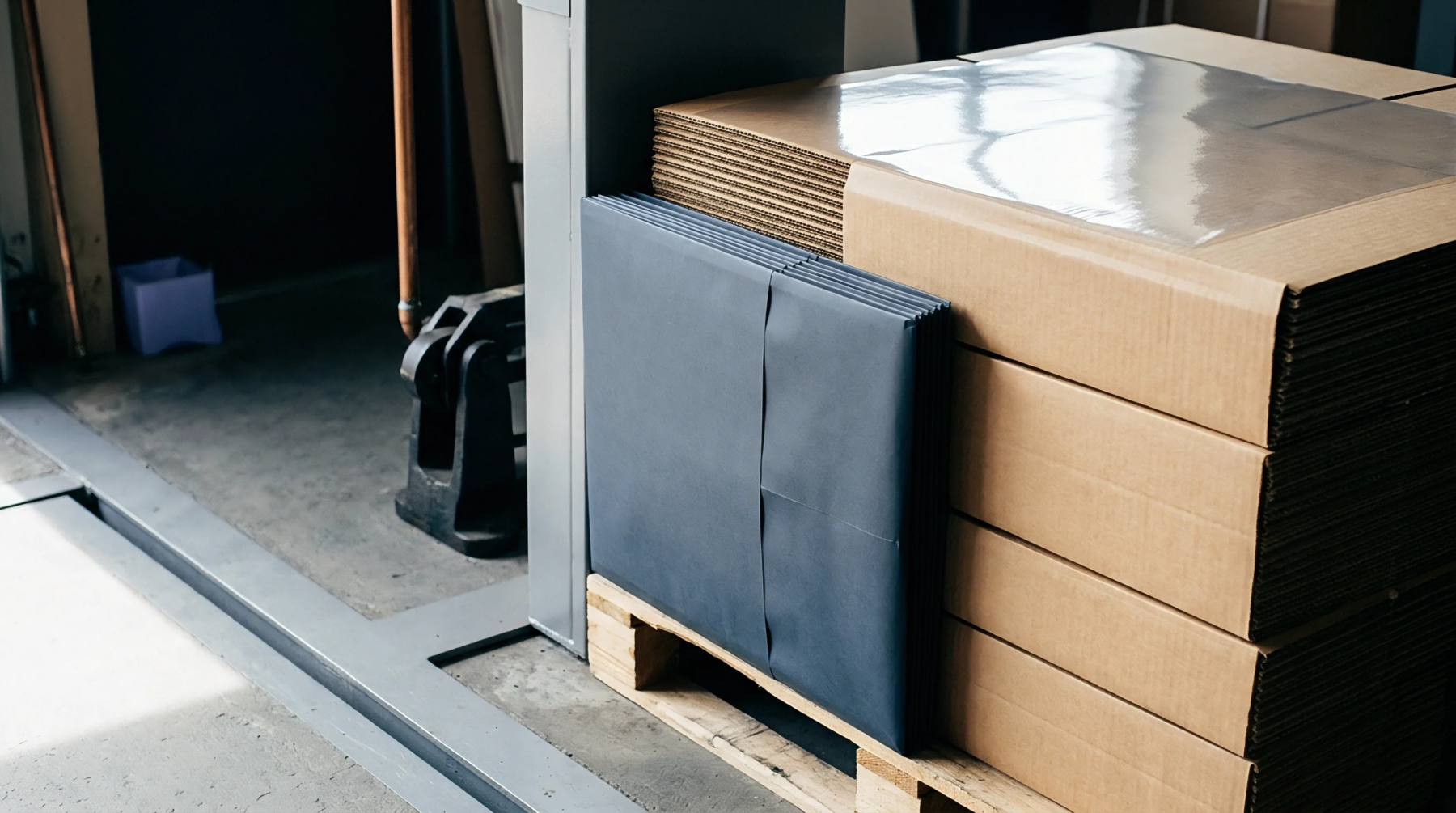
Dynamic ambient relative humidity accelerates creep collapse in corrugated boxes far beyond static moisture limits, requiring dynamic SCT safety factors in structural engineering.
Predicting downgauged boxboard creep buckling under cyclic tropical humidity requires integrating mechano-sorptive strain compliance into structural failure models.
Downgauging folding boxboard demands increasing core bulk and outer ply elastic modulus to preserve caliper and bending stiffness under McKee formula laws.
Expertise is a utility, not a secret. sentiention™ publishes its working knowledge as open reference: intelligence layer covering the materials it sources, the markets it enters, and the reference that serves both.