Interlayer Separation
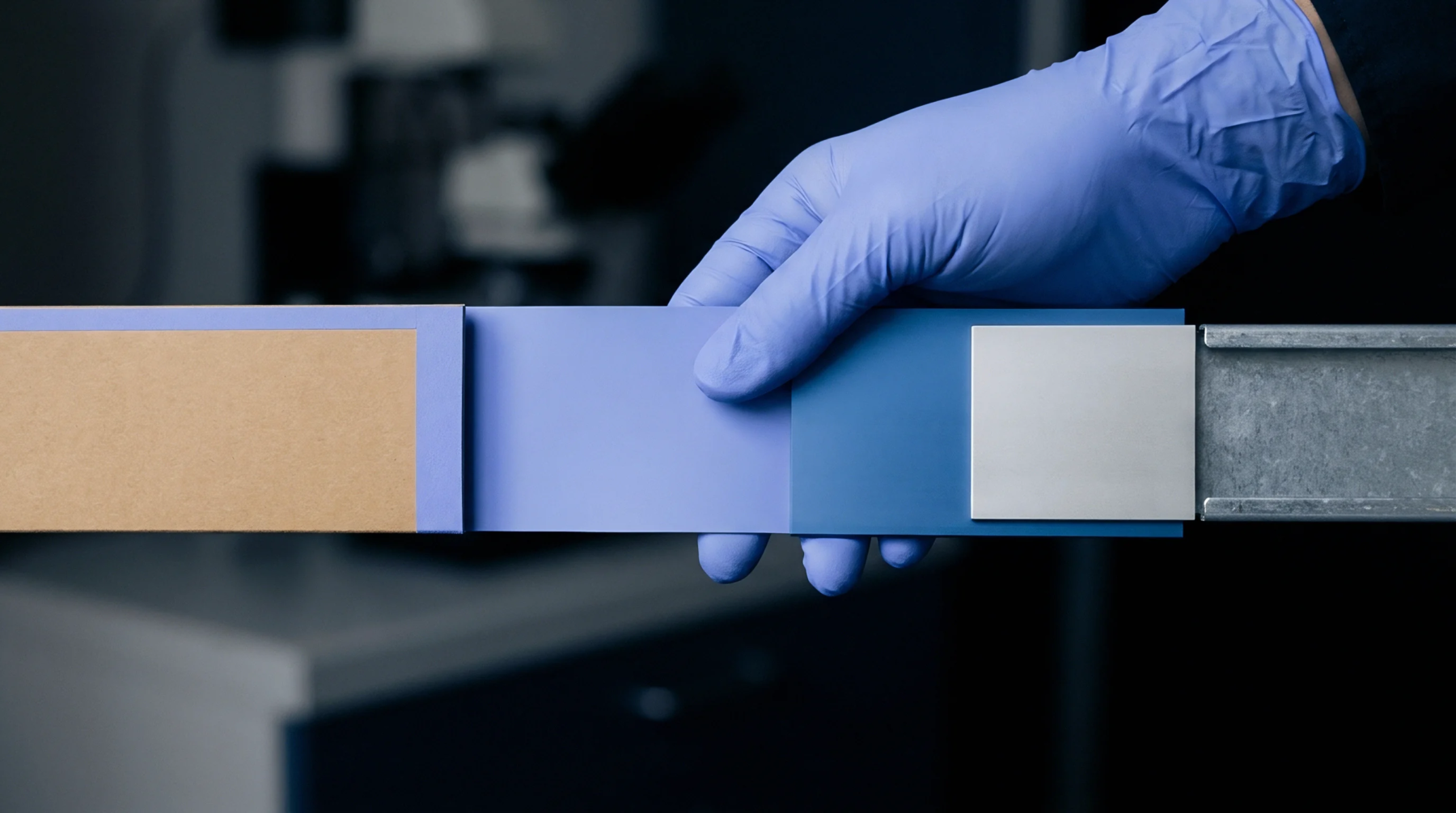
Fiber separation represents a catastrophic failure mode in multi-layer paperboards and corrugated substrates where internal bonding forces collapse between distinct structural plies. Tensile stress and moisture absorption induce localized shear strains that exceed internal bond strength during converting and high-speed packaging operations. The phenomenon typically originates during the drying phase of papermaking when differential shrinkage rates create residual stresses across the z-axis of the sheet.
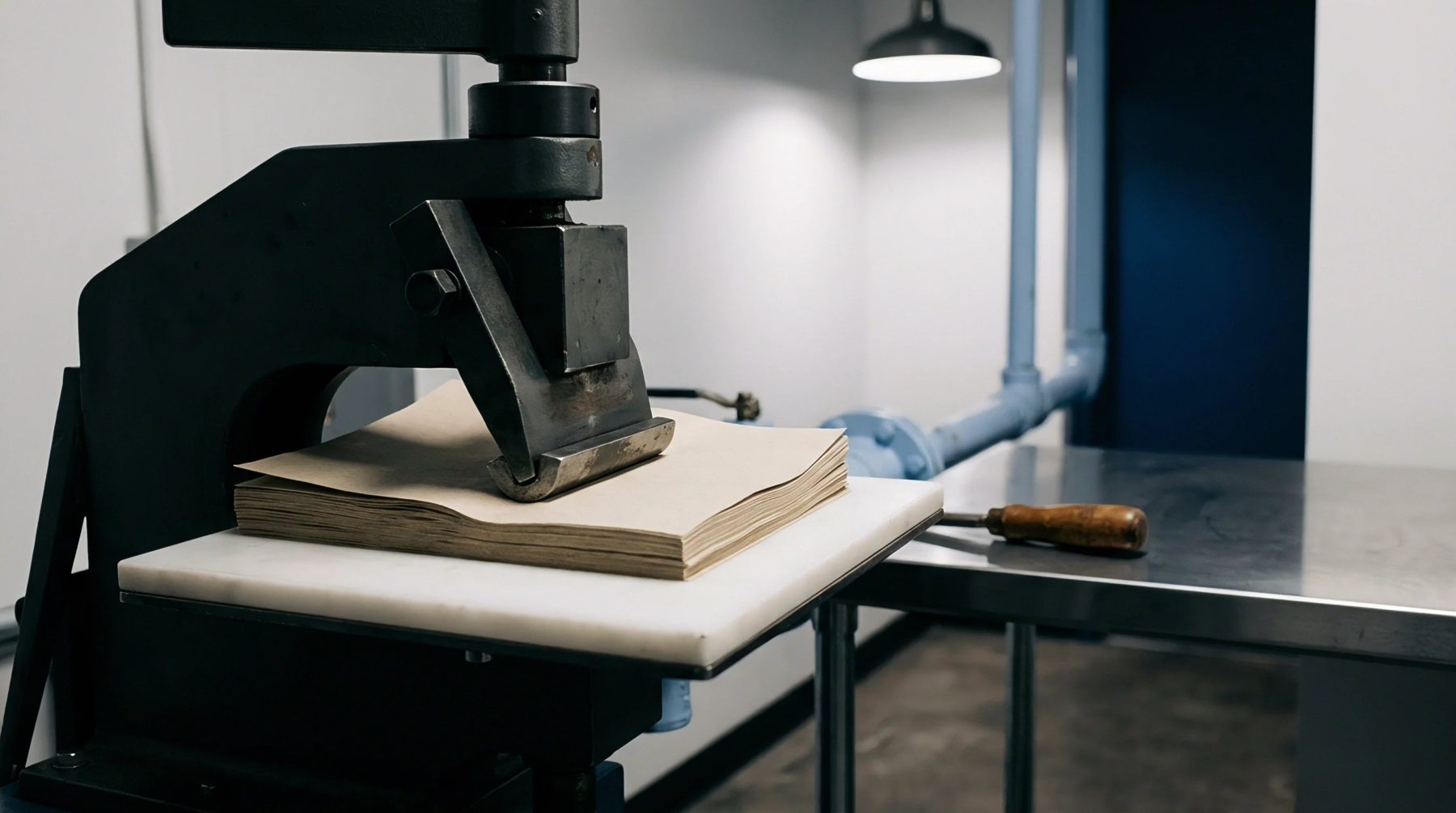
Converting machinery exacerbates this vulnerability when rotary dies or aggressive creaming stations apply perpendicular forces that pull bound layers apart.
Bonding Mechanics
Internal bond strength relies heavily on hydrogen bonding and mechanical entanglement established during the wet end pressing stage of board production. Refining intensity and starch distribution dictate the surface energy available for inter-ply adhesion across the web profile. Refiners increase fiber flexibility to maximize contact area between distinct layers deposited sequentially on multi-fourdrinier cylinder machines.
Inadequate couch roll pressure or excessive dryer cylinder temperatures prevent proper consolidation and leave microscopic voids that propagate under mechanical load.
Performance Failure
Structural integrity degrades rapidly once initial interlayer separation occurs within corrugated containers or folding cartons destined for heavy-duty distribution networks. Compressive strength along the vertical axis drops precipitously because isolated plies buckle independently rather than supporting loads uniformly as a composite structure. Flexural rigidity suffers equivalent losses which compromises box stacking performance during extended warehouse storage in humid environments.
Die-cut edges also exhibit unacceptable fuzzing and delamination during high-speed automated erection lines when internal bond ratings fall below established mill thresholds.