
Dynamic Surface Tension Effects on Barrier Coating Void Formation
Dynamic surface tension exceeding 38 mN/m at 10 ms causes air entrainment and pinholes in high-speed barrier coatings, ruining water and grease resistance.
Dynamic surface tension exceeding 38 mN/m at 10 ms causes air entrainment and pinholes in high-speed barrier coatings, ruining water and grease resistance.
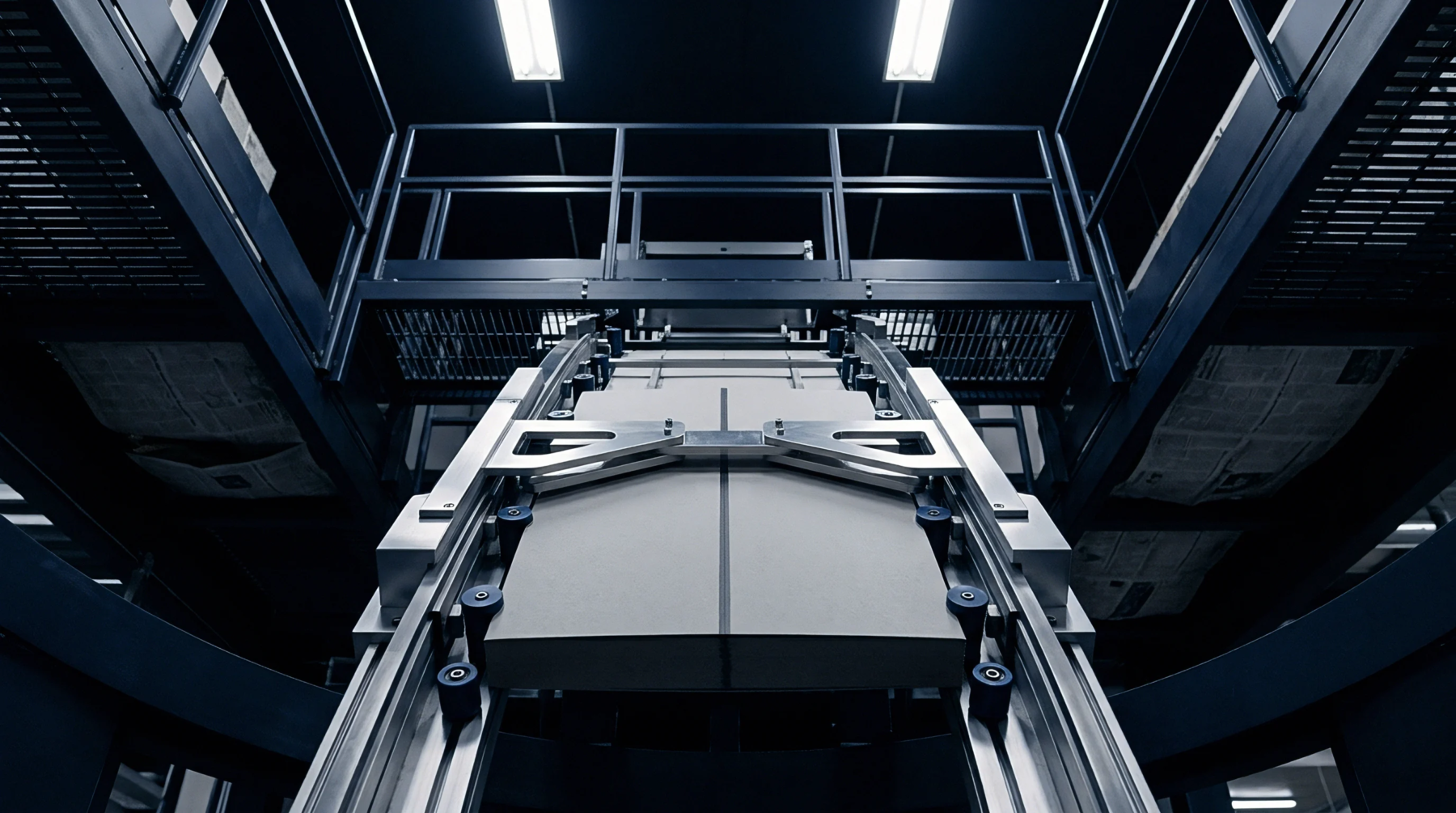
Aqueous barrier boards in cold chains resist moisture only when latex flexibility prevents crease cracking and edge wicking is sealed against dew point condensation.
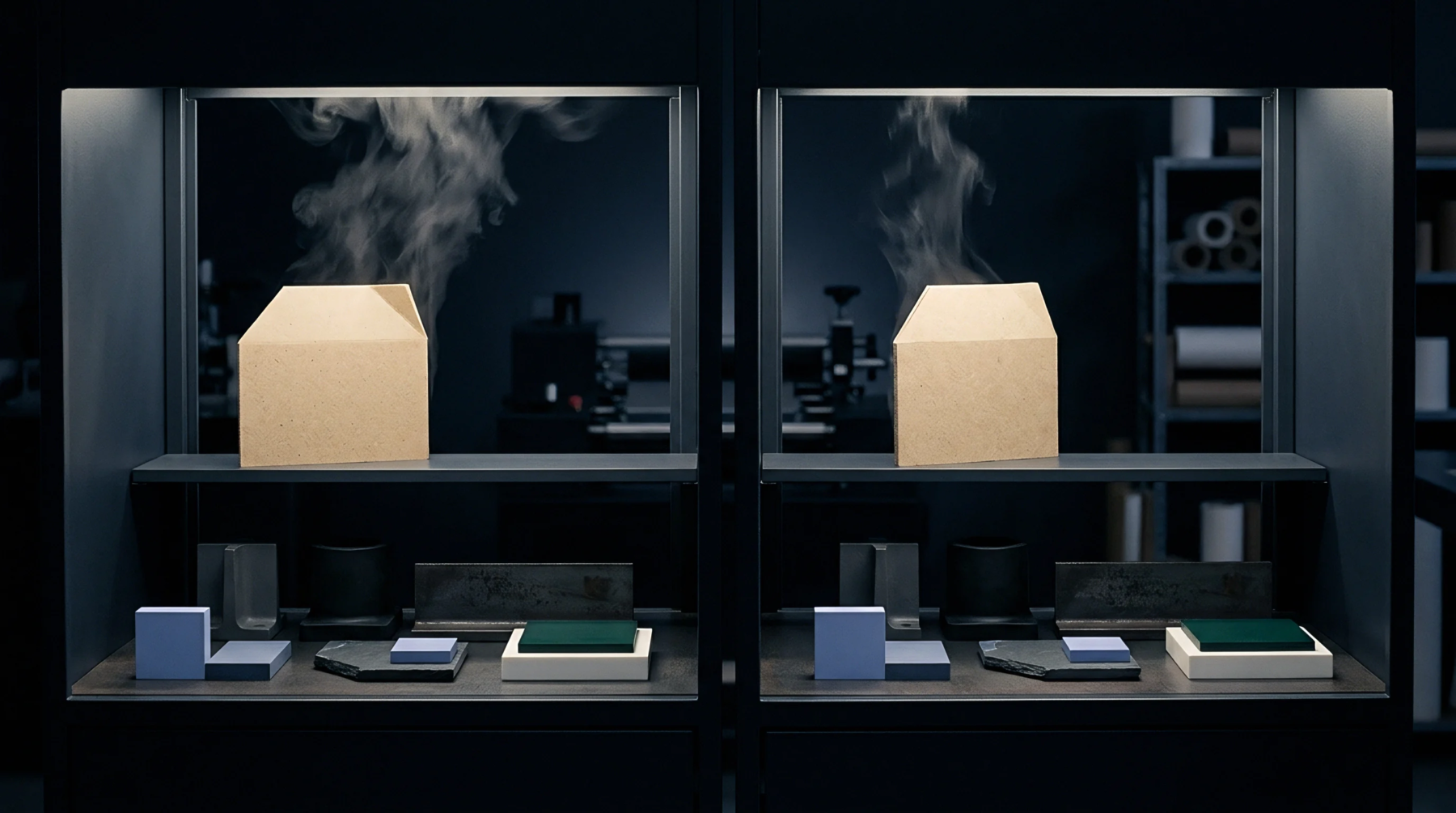
Water resistance on repulpable barrier board requires paired flat and scored gravimetric transmission data alongside verified fiber acceptance screen yields.

Polyolefin barrier coatings degrade when high-pressure embossing shear cleaves chains below critical entanglement limits, opening micro-pinholes along die flanks.

Water ingress depresses barrier layer glass transitions below ambient storage temperatures, triggering plastic deformation and interfacial delamination under web tension.
Solubility and diffusion drive polymer barrier performance, where polymer density, coatweight, and ambient relative humidity dictate moisture and oxygen transmission rates.

Irreversible microfibril swelling under cyclic humidity generates microvoids, permanently multiplying barrier permeability and invalidating static test claims.
Steady-state cup tests understate cellulosic moisture ingress; modeling requires concentration-dependent diffusivity and isotherms to prevent cargo collapse.
Dynamic relative humidity cycles break hydrogen bonds in microfibril coatings, causing creep strain and catastrophic gas barrier loss at converting creases.
Aqueous dispersion barrier retention on bent paperboard depends on balancing latex film elasticity against creasing matrix width to prevent outer radius micro cracking.
Water sorption depresses latex film glass transition temperatures, slashing barrier composite stiffness by up to 45% and requiring controlled crosslinking.
Recycled fiber surface peaks exceed thin polymer melt curtains, creating pinholes that require pre-coating or heavier resin laydown for barrier continuity.

Process capability analysis for barrier laminates requires transforming non-normal permeation data before calculating Cpk to prevent latent containment failures.
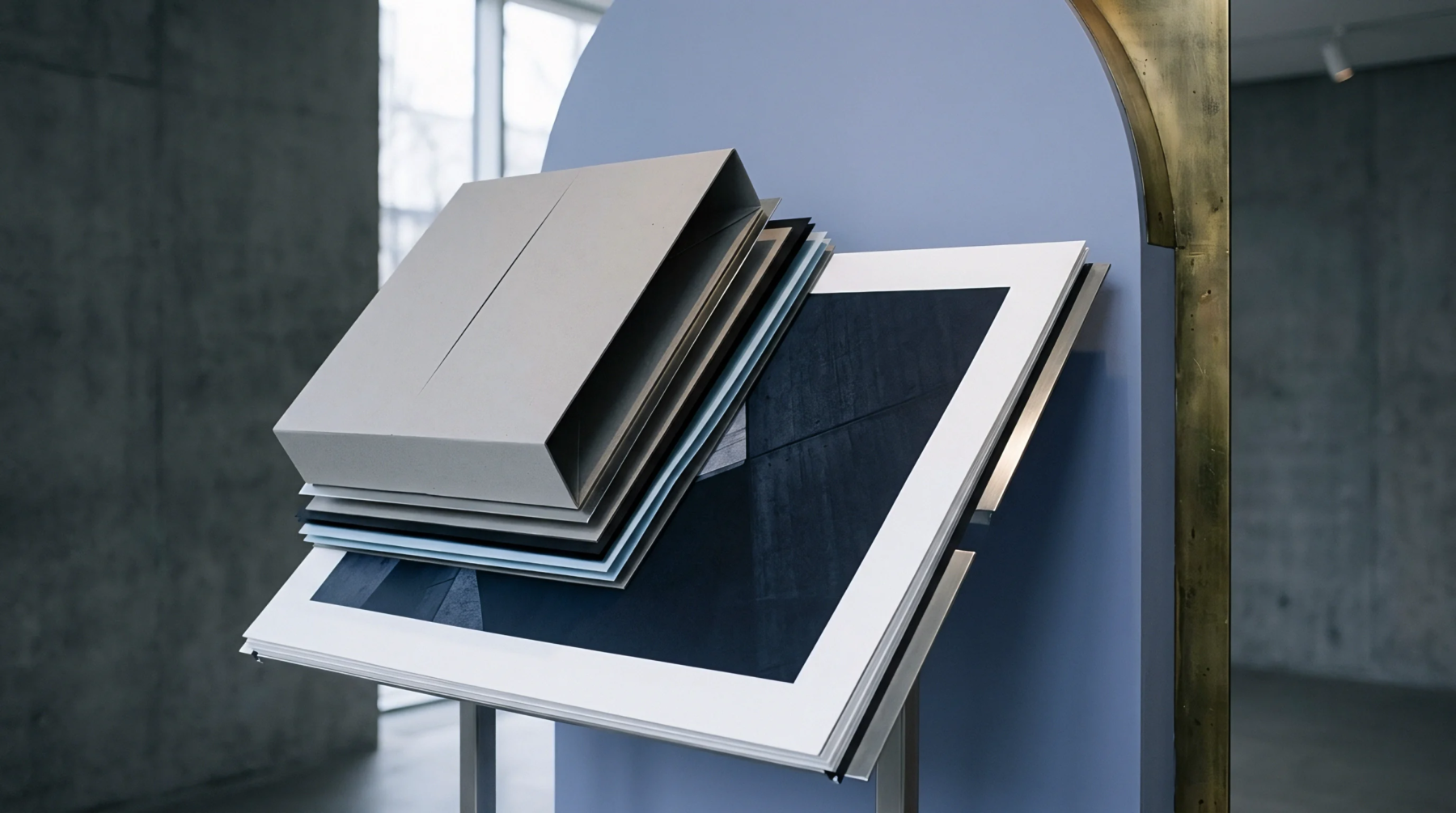
Polymer barrier coating performance relies on balancing extensional viscosity to prevent misting with rapid thixotropic recovery to eliminate pinhole defects.

Dynamic paperboard creasing requires speed-adjusted tooling channel geometry to prevent barrier micro-fracturing and maintain shelf-life performance.

Poly-coated vapor transport follows Fickian diffusion governed by polymer density and coat weight until score line fractures shift mechanism to pore flow.
Coupling non-linear moisture diffusivity with GAB sorption models provides accurate microfibril barrier shelf-life qualification under humid transport conditions.
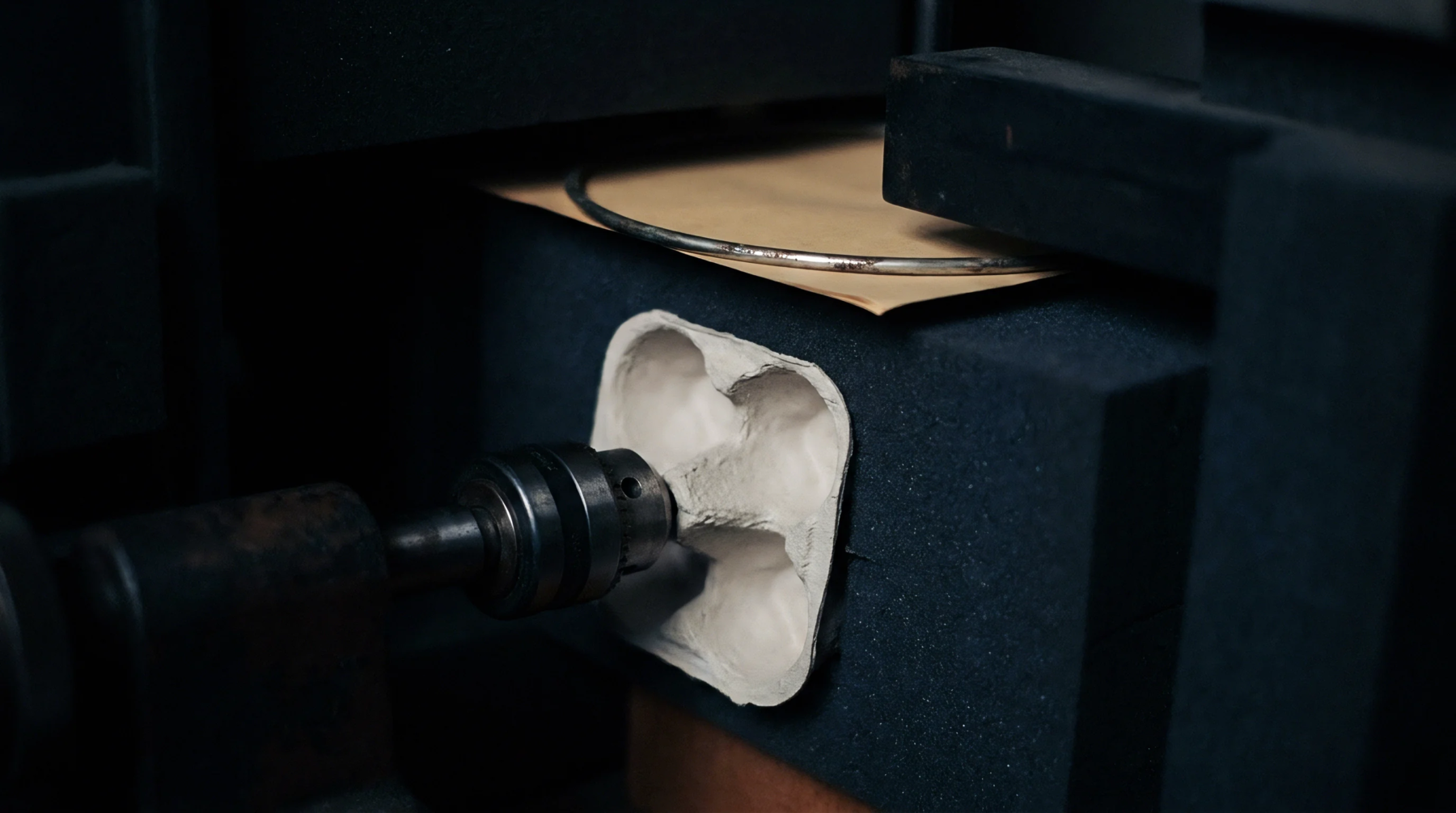
Dynamic vapor sorption in recycled barrier substrates triggers localized interfibrillar swelling stresses that disrupt coating integrity under humidity transients.
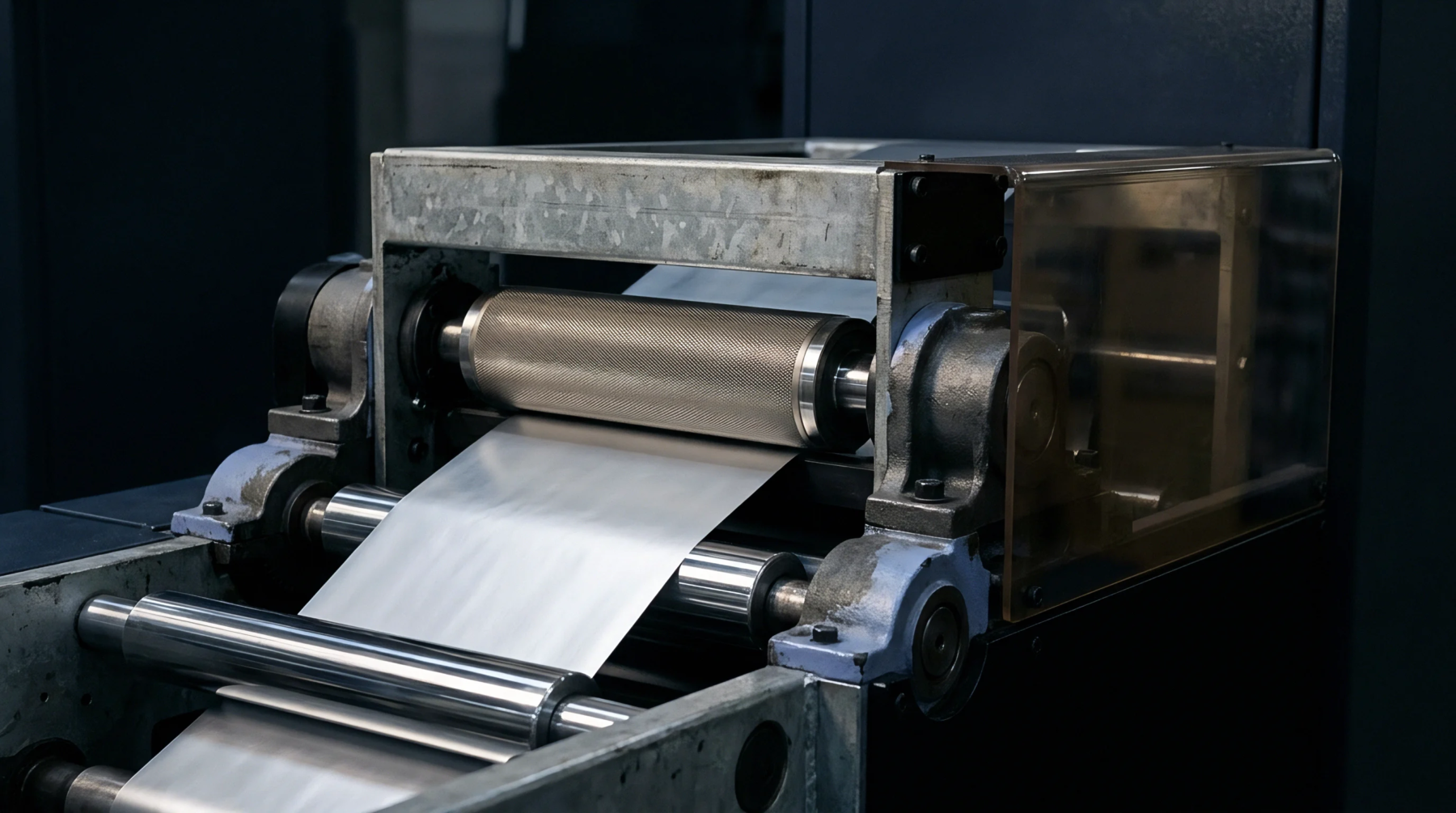
Dynamic moisture sorption degrades cellulosic packaging strength through mechano-sorptive creep, requiring GAB equilibrium mapping and transit humidity verification.
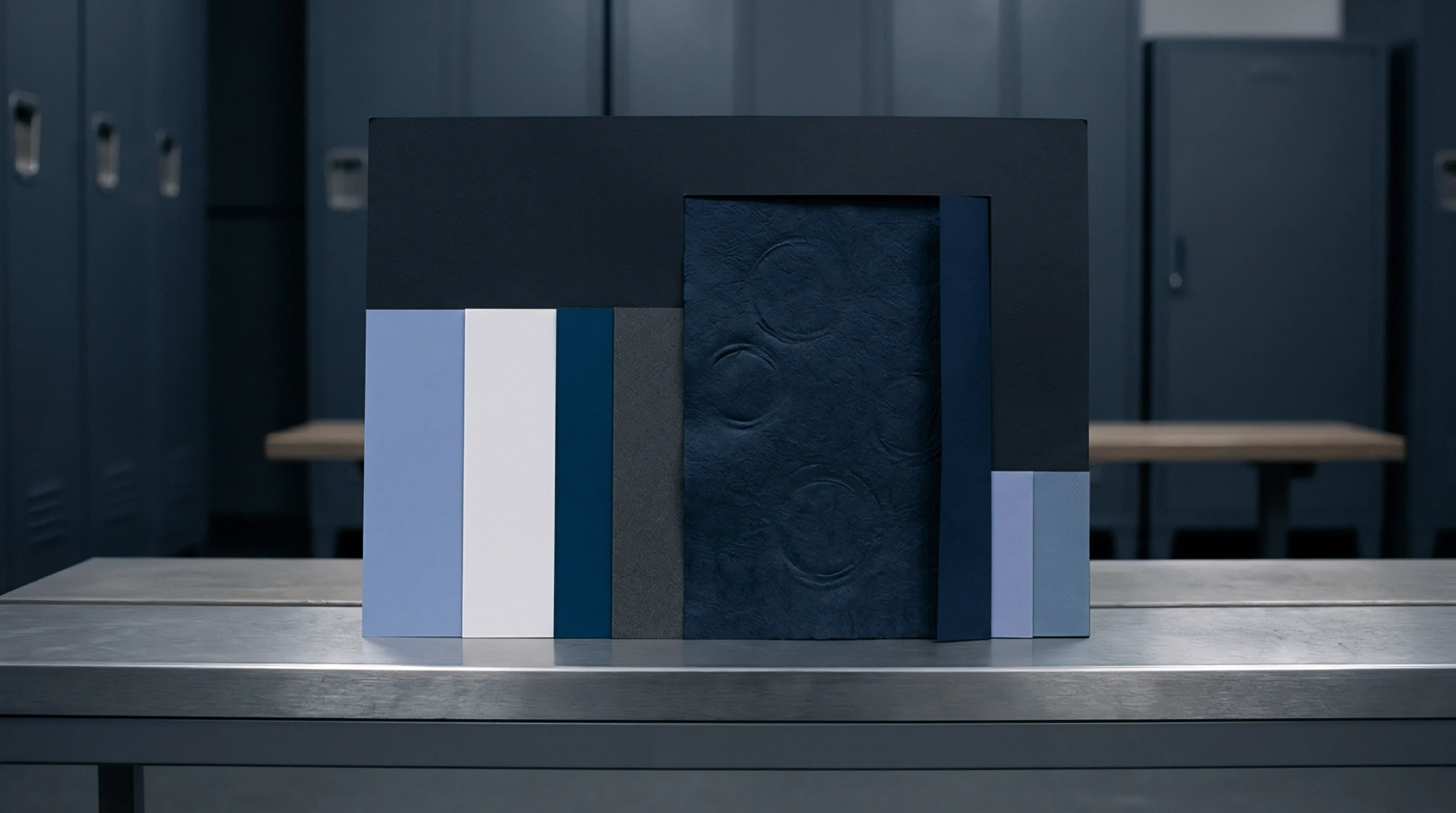
High frequency ultrasonic attenuation profiling non-destructively maps internal ply delamination and polymer barrier continuity during cartonboard creasing passes.
Optimizing creasing geometry for barrier board requires expanding female channel width and applying polished male rule radii to prevent barrier film splitting.
Expertise is a utility, not a secret. sentiention™ publishes its working knowledge as open reference: intelligence layer covering the materials it sources, the markets it enters, and the reference that serves both.