Cold Chain Moisture Transport Dynamics in Aqueous Coated Packaging Board
Aqueous barrier boards in cold chains resist moisture only when latex flexibility prevents crease cracking and edge wicking is sealed against dew point condensation.
Frost
Sub-ambient distribution chains subject paperboard packaging to rapid shifts in atmospheric moisture content. Chilled food logistics move corrugated master cases and primary folding cartons through varying thermal zones: automated blast freezers running at minus twenty-five degrees Celsius, refrigerated consolidation hubs held between two and four degrees Celsius, unrefrigerated cross-dock aprons reaching twenty-five degrees Celsius, and retail display cabinets cycling through defrost routines. Moisture transport across these transitions occurs through gas-phase diffusion and direct liquid film absorption following dew point condensation.
Aqueous barrier coatings, applied as water-based polymer dispersions, replace traditional extruded low-density polyethylene (LDPE) films and wax laminations. These dispersions deposit thin organic films, between four and fourteen grams per square meter dry coat weight, onto paperboard base sheets. Cellulose fibers absorb moisture and swell as relative humidity climbs.
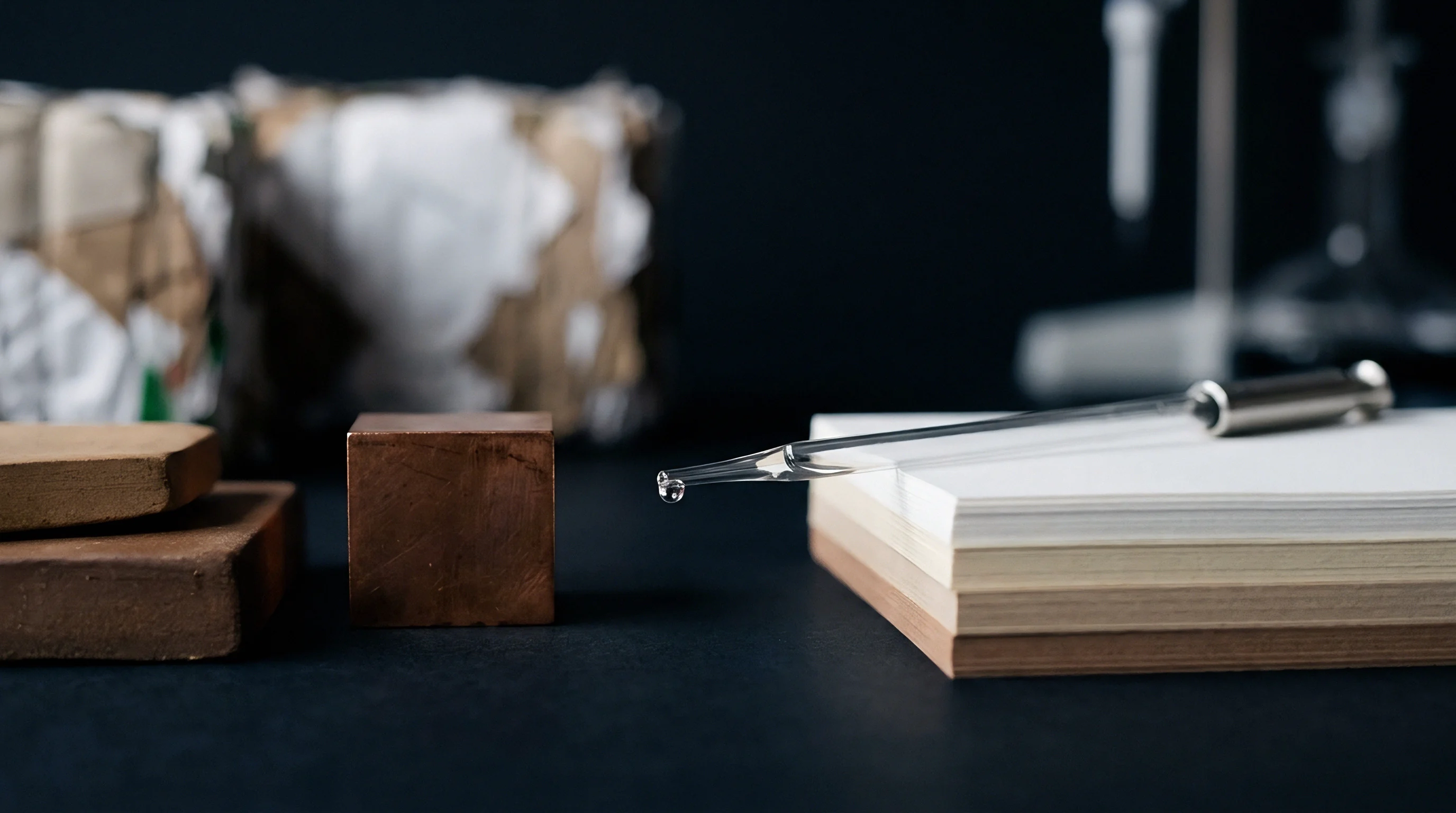
Chilled air holds little moisture. Warm air contains substantial water vapour. When a pallet moves across a summer loading dock, condensation forms on the board exterior within minutes.
Liquid water wets fibers instantly.
A twenty-minute transfer at twenty-two degrees Celsius and seventy percent relative humidity deposits six grams of liquid condensate per square meter on four-degree cartonboard.
Thermal Shock and Dew Point Phase Inversion
Pallets moving from refrigerated loading docks into ambient cross-docking bays encounter steep changes in ambient air saturation. The cold box surface temperature drops well below the ambient dew point. Condensation forms a continuous liquid boundary across the exterior surface of the aqueous coating.
This phase change alters the mechanical stresses placed on the barrier layer.
Water vapour diffusion follows Fickian concentration gradients driven by partial pressure differentials. Liquid condensation exerts capillary pressure directly against microscopic pinholes, coating voids, and surface micro-cracks. Water molecules bypass diffusion barriers by entering cellulose capillaries directly wherever the latex film displays structural discontinuities.
Base paperboard beneath compromised coating zones swells rapidly, causing thickness expansion, loss of z-directional tensile strength, and carton bulging under compressive stack loads.
Subsequent transfer back into chilled storage freezes this absorbed liquid. Ice expands by nine percent in volume within the fibrous matrix. This volumetric expansion disrupts fiber-to-fiber hydrogen bonds and fractures the overlying aqueous polymer film.
Repeated thermal cycles accelerate board delamination. Box compression strength falls by forty percent after three consecutive condensation and freezing cycles.
Vapour Pressure Gradients in Refrigerated Logistics
Differential humidity between carton interiors and dry cooling air creates a relentless driving force across container walls. Deep-freeze storage environments at minus eighteen degrees Celsius operate with absolute moisture levels below one gram of water per cubic meter of air. Packaged fresh foods, including wet protein, produce, and frozen bakery products, maintain an internal equilibrium relative humidity between eighty-five and ninety-eight percent.
This internal microclimate establishes an outward vapor pressure gradient exceeding one kilopascal during blast freezing. Water vapour migrates outward through the board substrate toward the desiccating freezer atmosphere, dehydrating the packaged food. Secondary packaging holding frozen produce experiences inward vapor drives whenever ambient door openings admit humid exterior drafts.
Moisture migrates toward the coldest internal surfaces, creating frost sublimation inside the carton and structural softening of the container bottom panel.
Aqueous coatings resist gas-phase transmission through polymer segment density and crystalline mineral pigments like platy talc or kaolin clay. Mineral platelets create a tortuous path that forces migrating water molecules to navigate lateral detours around impermeable pigment faces. The aspect ratio of these platelets governs barrier performance under steady-state chilled regimes.
Water beads roll harmlessly across well-cured latex films until mechanical vibration rubs liquid into surface micro-creases.

Coalescence
Water-based barrier dispersions rely on uniform particle deformation during the drying phase to create a continuous polymer skin. Synthetic and bio-based lattices disperse sub-micron spherical particles in an aqueous continuous phase. Drying tunnels evaporate carrier water, forcing polymer particles into close contact.
Capillary forces deform these spheres into polyhedral structures that fuse into a pinhole-free film across paperboard surface peaks and valleys.
Incomplete coalescence leaves interstitial micro-voids between undeformed latex particles. These microscopic pathways measure between twenty and two hundred nanometers wide, allowing individual water molecules and liquid capillary fronts to penetrate the coating matrix. Board surface roughness exacerbates coat weight variation.
Fibers protruding above the dry coat layer act as wicks, drawing moisture directly past the polymer surface down into the mechanical pulp core.
Polymer Glass Transition and Film Integrity
Synthetic latex formulations incorporate monomers designed to maintain flexibility across changing storage environments. Styrene-butadiene rubber (SBR), pure acrylics, styrene-acrylic copolymers, and ethylene vinyl acetate (EVA) provide varying balances of moisture resistance and chain mobility. The glass transition temperature governs polymer chain flexibility at refrigeration temperatures.
Dispersions formulated with high styrene content achieve elevated water resistance under room-temperature conditions. These polymers turn brittle when chilled below zero degrees Celsius because storage temperatures sit well below their glass transition thresholds. Glass transition drops below freezing.
The latex binder hardens rapidly. Brittleness initiates micro-fissures across creases. The polymer film fractures under structural carton flexing during refrigerated road transit, destroying moisture vapour barrier properties precisely when condensation accumulates.
Plasticizers and soft acrylate monomers depress polymer transition thresholds to preserve flexibility at sub-zero storage conditions. Excessive soft monomer concentrations lower coating block resistance during reel winding at the paper mill. Coated parent reels fuse into solid blocks under rewinder winding tension unless converters run chill rollers or dust the web surface with talc.
Formulators balance sub-zero film flexibility against ambient convertibility by combining core-shell acrylic particles or blending carboxylated SBR with functional waxes.
| Polymer Chemistry Base | Glass Transition (Celsius) | Minimum Coat Weight (g/m²) | WVTR at 23°C 50% RH (g/m²·day) | WVTR at -18°C 90% RH (g/m²·day) | Crease Fracture Risk at 4°C |
|---|---|---|---|---|---|
| High-Styrene Styrene-Butadiene | +18 to +25 | 8 to 10 | 12 to 18 | 4.2 to 6.5 | Severe |
| Carboxylated Styrene-Butadiene (SBR) | -5 to +5 | 9 to 12 | 15 to 22 | 1.8 to 2.8 | Moderate |
| Styrene-Acrylic with Talc Filler | +10 to +18 | 10 to 14 | 8 to 14 | 2.5 to 3.8 | Elevated |
| Pure Acrylic Core-Shell | -15 to -5 | 12 to 16 | 20 to 30 | 1.2 to 1.9 | Negligible |
| Bio-Based Polyester Dispersion | -8 to +2 | 14 to 18 | 25 to 35 | 3.1 to 4.5 | Low |
Where Does Dew Condensation Bypass Dispersion Barriers?
Standing droplets locate micro-pores that remain dry during dry gas diffusion measurements. Water vapour molecules navigate polymeric free volume slowly through molecular activation steps. Liquid condensate behaves according to Kelvin capillary equations, exerting Laplace pressure across non-wetted film pores.
When surface tension pulls liquid into coating defects, water bypasses diffusion barriers by hydraulic flow.
Wax emulsions blended into aqueous systems lower coating surface energy to encourage water droplet beading. Paraffin and vegetable wax components migrate to the coating surface during dryer hot-air curing, establishing contact angles above ninety degrees. High contact angles prevent continuous moisture films from forming across vertical carton panels.
These waxes crystalize into distinct domains that shrink during chilling cycles. Differential thermal shrinkage between wax crystals and amorphous acrylic binders generates peripheral micro-voids through which liquid condensation bleeds.
Multiple thin coating applications seal microscopic pinholes more effectively than a single heavy pass. A single coating head depositing twelve grams per square meter leaves crater defects over rough linerboard fibers. Splitting application into two six-gram stations allows the second pass to fill shrinkage voids and pinholes created during initial dryer tunnel evaporation.
This dual-pass configuration increases drying energy requirements and line complexity while reducing overall moisture transport rates under condensing environments. Chemical suppliers attribute winter blister failures to warehouse chill during unheated off-shift drying cycles.
Fold
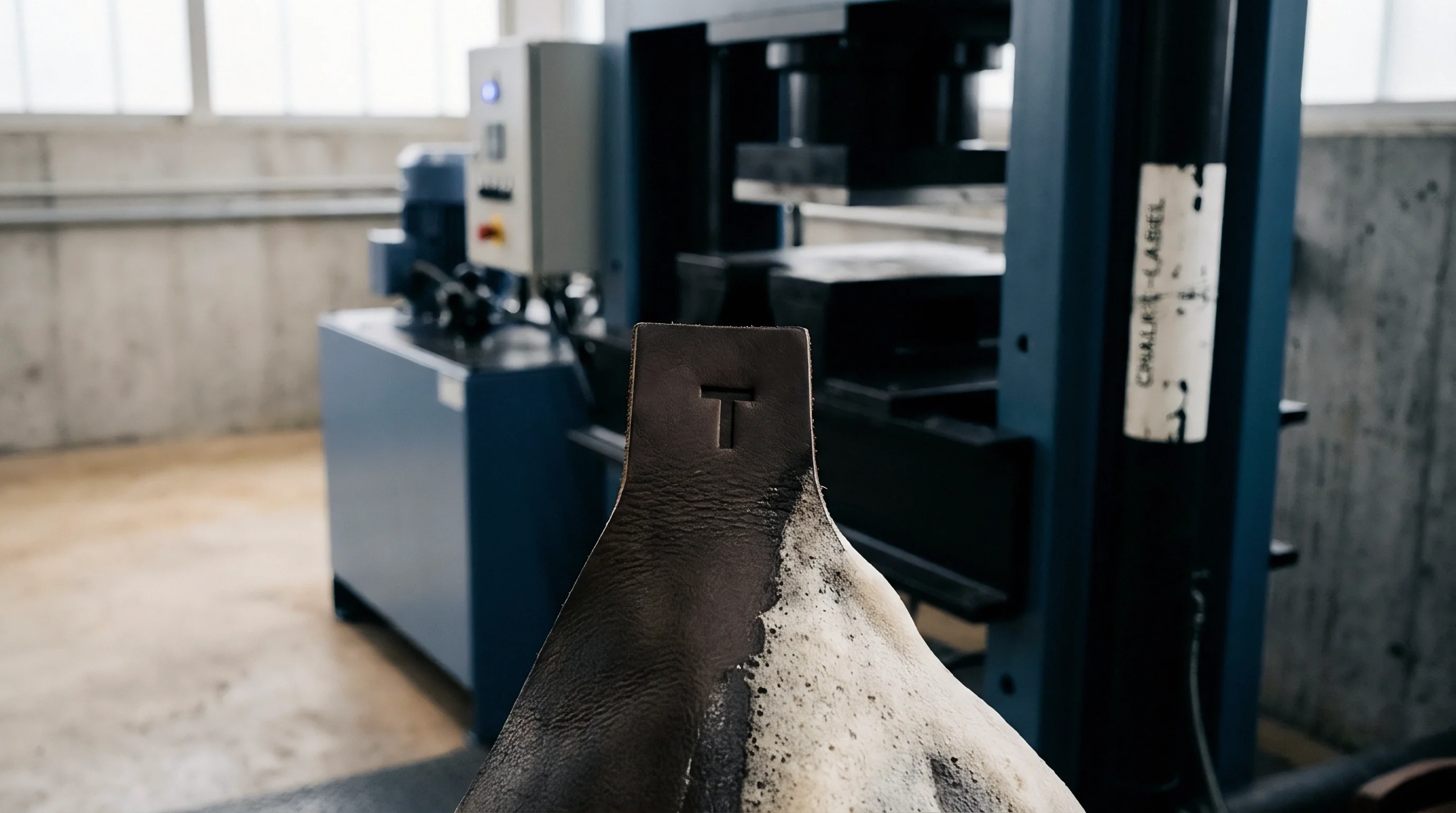
Mechanical conversion exerts severe shear stresses on multi-ply paperboard structures. Flatbed and rotary die-cutting systems force scoring rules into cartonboard webs against counter-crease matrix grooves. This operation delaminates internal board plies along predetermined shear planes to form a functional hinge.
Fiber separation within the paper core absorbs scoring forces, protecting the outer face liner from tensile splitting.
Aqueous barrier coatings sit directly on this tension face. Folding a scored carton ninety or one hundred and eighty degrees strains the outer coated surface beyond its elastic recovery limit. Tensile failure splits outer plies.
While extruded LDPE films stretch up to four hundred percent before tensile tearing, dried aqueous dispersion films display elongation limits between twenty and eighty percent. Creasing operations crack the brittle barrier layer, opening fissures down to raw cellulose fibers.
Coatings formulated for flexible scoring survive deep creasing dies only when applied over dense chemical pulp liners.

Crease Strain Mechanics on Converting Lines
Rotary and flatbed scoring tools press rigid board into female channels under tight dimensional settings. The ratio between rule width, plate thickness, channel width, and channel depth controls bending strain. Excessive scoring penetration crushes board liners, tearing base cellulose and shearing the brittle aqueous barrier layer cleanly in half along the shoulder radius.
Insufficient scoring force fails to crack internal fibers cleanly, forcing the face liner to bear bending deformation during carton gluer assembly. The top liner bulges and micro-fissures open along the ridge crest. In cold warehouse environments, liquid water pools inside exterior score channels during condensation episodes.
Capillary suction draws standing moisture through micro-fissures, saturating carton corner pillars and causing vertical stack failures.
- Tensile Delamination splits the surface polymer skin along carton hinge apexes during high-speed folding on automated carton gluers.
- Pin-Holing along Shoulders emerges when male creasing rules pinch dry coatings against sharp female matrix edges without adequate shoulder radiusing.
- Crow-Foot Micro-Fracturing develops at three-point carton intersection junctions where compound corner folds crush triple board calipers together.
- Flake-Off Spoilage separates cured latex films from base sheet top liners under friction from scoring folding belts.
Capillary Penetration along Raw Cut Edges
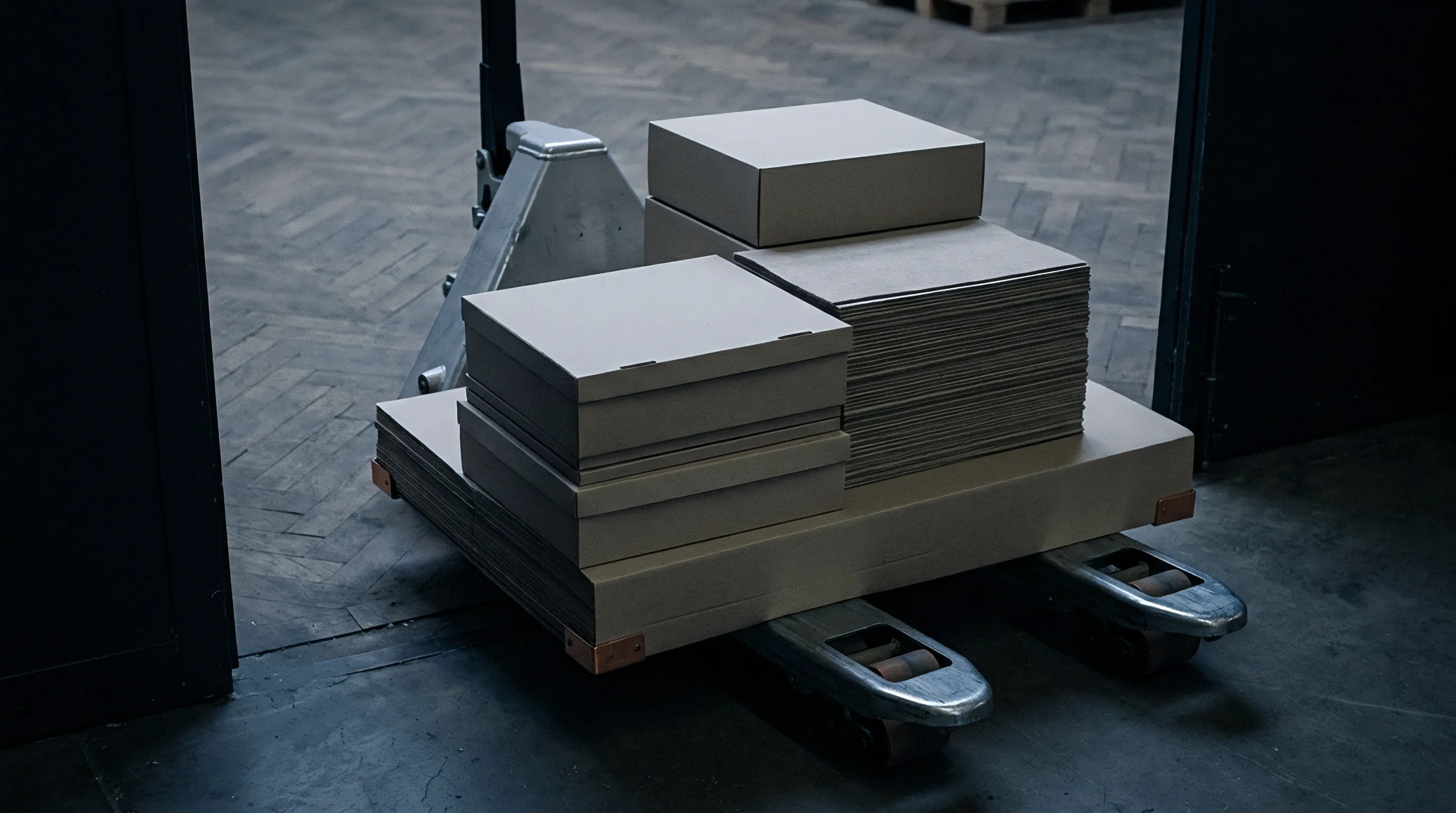
Unprotected perimeter boundaries expose bare cellulose fibers directly to chilled fluids. Die-cutting punches blank profiles out of sheeted stock, leaving raw fibrous edges around carton flaps, perimeter joints, and lock-bottom tabs. Standard cartons present several meters of cut raw edges directly to ambient logistics atmospheres.
Uncoated cuts drink ambient water. Edge sealing doubles production passes.
Raw edge wicking pulls standing water deep into the carton core through capillary action governed by the Lucas-Washburn equation. Penetration distance increases with fiber pore radius, liquid surface tension, and contact time, while running inversely to fluid dynamic viscosity. Cold temperatures increase water viscosity, which slows capillary uptake rates.
Lower temperatures simultaneously suppress sizing hydrophobic performance, neutralizing internal alkyl ketene dimer (AKD) or alkenyl succinic anhydride (ASA) additives and facilitating moisture absorption.
| Board Caliper (Microns) | Rule Thickness (Point) | Channel Width (mm) | Channel Depth (mm) | Outer Liner Elongation (%) | Post-Fold WVTR (g/m²·day) |
|---|---|---|---|---|---|
| 350 (Solid Bleached Board) | 2 Pt (0.71 mm) | 1.20 | 0.35 | 4.2 | 18 to 24 |
| 450 (Folding Boxboard) | 2 Pt (0.71 mm) | 1.50 | 0.45 | 6.8 | 35 to 48 |
| 550 (Coated Recycled Board) | 3 Pt (1.05 mm) | 1.90 | 0.55 | 9.5 | 72 to 110 |
| 650 (Folding Boxboard) | 3 Pt (1.05 mm) | 2.20 | 0.65 | 11.2 | 130 to 185 |
Converting lines running barrier board must alter crease matrix geometry. Increasing counter-channel width by fifteen percent reduces tensile strain across the outer fold shoulder, preserving aqueous coating continuity. Folding cartons across the paper grain direction cracks surface coatings more severely than folding parallel to fiber orientation.
Machine-direction fiber orientation provides higher tensile stiffness, but cross-direction folding forces coatings to stretch over rough, irregular fiber bundles that puncture thin barrier skins. Incorrect die clearance fractures the polymer boundary, letting chill-room moisture soften the inner flutes until stacked cartons collapse under warehouse pallet loads.
Bench
Laboratory evaluations of aqueous barrier boards frequently diverge from refrigerated distribution performance. Standard commercial data sheets state water vapour transmission rates (WVTR) measured under steady-state tropical conditions according to ISO 2528 or ASTM E96 at thirty-eight degrees Celsius and ninety percent relative humidity. These elevated temperatures accelerate water vapour transmission to yield fast test results.
Standard tropical testing misleads buyers.
A barrier coating containing high wax content or soft acrylic binders can display outstanding barrier numbers at thirty-eight degrees Celsius. The same formulation turns brittle and micro-fissures at four degrees Celsius during mechanical package handling. High temperatures melt wax fractions, allowing thermal resealing of pinholes that remain permanently open in refrigerated warehouses.
Sourcing evaluations must prioritize sub-ambient gravimetric or sensor-based testing conducted at four degrees Celsius and minus eighteen degrees Celsius under dynamic relative humidity gradients.
Compliance with EN 13430 penalizes barrier coatings exceeding ten percent of total pack weight through immediate reclassification as composite waste.
Atmospheric Conditioning Discrepancies across Standard Protocols
Traditional humidity evaluations rely on tropical atmospheres designed for dry grocery shipping. Measuring moisture dynamics in cold logistics requires precision conditioning chambers capable of tracking continuous thermal transitions. Condensation saturates porous base stocks.
Sub-zero barrier verification demands specialized sample preparation, including pre-creased test specimens prepared using calibrated laboratory score blocks.
ASTM F1249 deploys modulated infrared sensors to measure water vapour transmission rates through flat and creased barrier specimens. ISO 15106-2 utilizes electrolytic detection sensors to track water vapour flux across temperature ranges down to five degrees Celsius. Testing flat specimens evaluates baseline coating formulation quality.
Testing cross-creased specimens reveals converting resistance under realistic logistic stress. Folding a test swatch across crossed scores increases measured WVTR by three to twenty times on aqueous coated boards, whereas film-laminated cartonboard displays minimal crease divergence.
- Crease Permeation Differential compares transmission rates between uncreased flat specimens and cross-creased specimens under identical thermal gradients.
- Static Chilled Water Contact records Cobb 1800 values at four degrees Celsius according to ISO 535 to evaluate resistance to standing condensation pools.
- Edge Absorption Indices track liquid migration along exposed cut boundaries using dye-stained aqueous lactic acid solutions held under refrigerated conditions.
- Pin-Hole Void Densities quantify coating defects through automated optical image analysis following surface application of non-swelling turpentine dye stains.

Is Chilled Pinhole Permeation Quantifiable under Cycling?
Dynamic environmental chambers fluctuate relative humidity between forty and ninety-five percent while tracking transmission rates. Cyclic moisture uptake tests expose converted packages to four hours at twenty degrees Celsius and eighty percent relative humidity followed by four hours at two degrees Celsius. This sequence generates rapid condensation cycles directly simulating supply chain transport handovers.
Moisture accumulation curves plotted against time reveal whether an aqueous barrier sustains protection or suffers catastrophic breakthrough. Continuous gravimetric analysis inside environmental balance enclosures demonstrates that porous dispersion coatings absorb water rapidly during initial condensation phases before reaching equilibrium saturation. When baseboard fibers expand, the overlying coating stretches, opening secondary micro-capillaries that accelerate subsequent liquid ingress.
- Calibrate environmental balance sensors inside the conditioning test cabinet at five degrees Celsius.
- Position pre-conditioned scored board specimens across the diffusion aperture with the coated barrier facing the humid exterior chamber.
- Expose specimens to four hours of condensing humidity followed by four hours of dry sub-zero airflow.
- Record cumulative weight change continuously to calculate non-steady-state moisture ingress rates.
- Inspect tested specimens under optical magnification to identify micro-fractures along score shoulders.
| Test Protocol Designation | Temperature (Celsius) | Relative Humidity Gradient (%) | Equilibration Time (Hours) | Typical Detection Method | Standard Flat SBB (g/m²·day) | Cross-Creased SBB (g/m²·day) |
|---|---|---|---|---|---|---|
| ASTM E96 Procedure E | +37.8 | 0 to 90 | 24 to 48 | Gravimetric Cup | 14.5 | 42.0 |
| ISO 2528 Standard Atmosphere | +23.0 | 0 to 50 | 48 to 72 | Gravimetric Cup | 6.2 | 18.5 |
| ASTM F1249 Chilled Condition | +4.0 | 0 to 85 | 72 to 120 | Infrared Sensor | 1.8 | 8.4 |
| Modified Sub-Zero Dynamic | -18.0 | 0 to 90 | 120 to 240 | Electrolytic Sensor | 0.6 | 3.9 |
| DIN 53122-2 Cycle Sequence | +4.0 to +23.0 | 50 to 95 (Cycling) | 96 to 168 | Continuous Gravimetric | 3.4 | 21.0 |
| Values represent solid bleached sulfate (SBB) board at 350 microns caliper coated with 12 g/m² carboxylated styrene-acrylic aqueous dispersion. | ||||||
Substrate Hydrophobicity and Sizing Assays
Liquid uptake measurements quantify surface sizing effectiveness across extended exposure intervals. The standard Cobb test according to ISO 535 clamps a one-hundred-square-centimeter area of board beneath a metal cylinder filled with water. While standard testing runs for sixty seconds, evaluating cold chain resistance requires extending Cobb contact times to thirty minutes (Cobb 1800) or twenty-four hours using water chilled to four degrees Celsius.
Baseboard sizing chemistry heavily influences coating integrity. Under-sized raw stock draws water away from the aqueous coating dispersion too quickly during coater blade application, preventing proper polymer film formation and particle packing. Over-sized board surfaces display low surface energy that inhibits coating wet-out, causing dewetting, pinholes, and poor dry adhesion.
Top liner stock must achieve contact angles between sixty and seventy-five degrees with liquid water to ensure uniform aqueous dispersion spreading and mechanical anchoring. Incorporating DIN 53122 Part Two into the delivery schedule shifts carton acceptance criteria from steady-state vapour transmission to cyclical chilling survival.
Exposure
Sourcing managers balance barrier performance targets against converting line efficiency and regulatory compliance. Aqueous coated packaging board commands a unit material price premium over standard low-density polyethylene extrusion coated grades. Solid bleached sulfate (SBS) board with a double-pass aqueous coating commands a twelve to twenty-two percent price premium over standard PE-laminated board per metric ton.
This raw material delta must be offset by operational efficiencies, lower disposal levies, and brand sustainability claims.
Converting economics depend heavily on drying configurations and line speeds. Polyethylene extrusion coating lines run at web speeds exceeding four hundred meters per minute without requiring drying ovens. Water-based barrier coatings deposit carrier water that must evaporate through gas-fired infrared dryers and high-velocity hot air hoods.
Heated air knives dry dispersions. Evaporation requirements restrict off-line coater speeds to two hundred and fifty meters per minute, increasing processing time and hourly operational overheads.

Converting Spoilage and Pass Economics
Adding a functional coating pass introduces waste generation factors across high-speed board machines. Mills applying aqueous coatings on-machine via coater blades avoid rewinding expenses but risk spoiling entire baseboard runs if a coating blade streaks. Off-line coating plants incur extra make-ready sheet waste, roll handling damage, and web trimming losses running between three and five percent per pass.
Off-line coaters consume extra run-up sheets.
Consider an order of forty metric tons of folding boxboard at three hundred and fifty grams per square meter. Standard solid bleached sulfate costs one thousand four hundred dollars per metric ton at base wholesale pricing. Applying a single extrusion pass of fourteen grams per square meter LDPE adds two hundred and twenty dollars per ton, delivering finished laminated rolls at one thousand six hundred and twenty dollars per ton.
Applying an equivalent aqueous dispersion barrier via a two-station rod coater requires eight grams per square meter on the primer station and six grams per square meter on the barrier station.
The aqueous chemical formulation costs three thousand eight hundred dollars per dry metric ton of polymer solids. Applying fourteen dry grams per square meter across forty tons of board consumes one thousand six hundred kilograms of dry polymer solids, adding one hundred and fifty-two dollars per metric ton in raw chemistry costs. Machine make-ready, energy-intensive drying, and five percent web waste add two hundred and forty dollars per ton.
The delivered aqueous coated board reaches one thousand seven hundred and ninety-two dollars per metric ton. This eleven percent cost increase over polyethylene extrusion represents a four-dollar-and-eighty-cent premium per thousand standard pharmaceutical or frozen food cartons.
Repulpability Criteria and Fibre Recovery Deductions
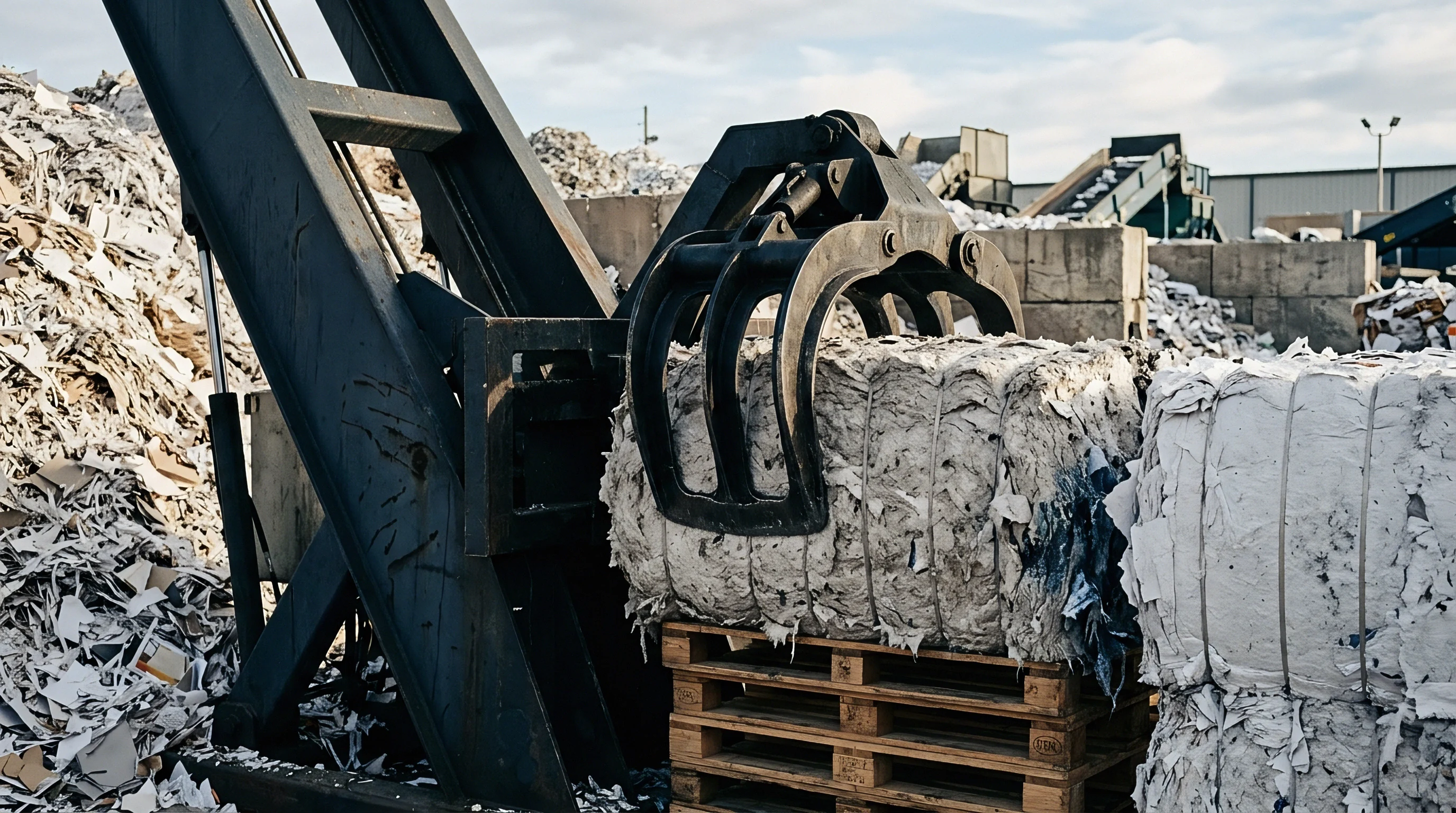
Recycling mills reject packaging grades producing excessive insoluble residue during pulper hydrapulping cycles. Polyethylene films separate in standard coarse pulping screens as continuous plastic webs that cleaners remove cleanly without fiber loss. Aqueous coatings disperse into tiny, partially soluble polymer particles during ambient hydrapulping operations.
Under CEPI and 4evergreen recyclability evaluation protocols, repulping yield must exceed ninety percent fiber recovery without generating sticky agglomerates known as micro-stickies. High-tack synthetic latex polymers pass through mechanical screening drums and redeposit onto paper machine forming wires, felts, and drying cylinders, forcing machine downtime and producing sheet defects. Screen rejects trigger financial penalties.
Repulping yields drop below thresholds.
Chilled supply chains expose folding cartons to intermittent liquid soaking followed by rapid desiccating drafts inside cargo holds.
European modulated producer responsibility schemes penalize non-recyclable multi-material packaging through eco-modulation fees. Composite packaging containing extruded plastic films faces higher municipal waste fees per metric ton than mono-material paper packaging. Aqueous coated boards verified under PTS Method RH 021/97 or Aticelca 501 grade as fully recyclable qualify for standard paper recycling fee tariffs.
Sourcing directors recover part of their initial coating chemical purchase premium through reduced extended producer responsibility levies across Western European retail networks.
Food-contact declarations impose additional compliance requirements on chilled carton sourcing. Regulation EC 1935/2004 and BfR Recommendation XXXVI govern aqueous barrier board intended for direct food contact. Emulsifiers, residual monomers, biocide stabilizers, and defoamers present in liquid latex dispersions can migrate into moist or fatty food products during chilled distribution.
Verifying overall migration limits and specific migration limits requires extensive testing using food simulant E (poly(2,6-diphenyl-p-phenylene oxide)) or cold ethanol-water mixtures. The packaging sector continues to question whether high-speed curtain coaters can deposit pinhole-free barrier layers on unbleached kraft substrates without doubling raw board drying costs.