Molecular Weight Truncation Thresholds Governing Barrier Degradation in High Pressure Embossed Polyolefin Coatings
Polyolefin barrier coatings degrade when high-pressure embossing shear cleaves chains below critical entanglement limits, opening micro-pinholes along die flanks.


Cleavage
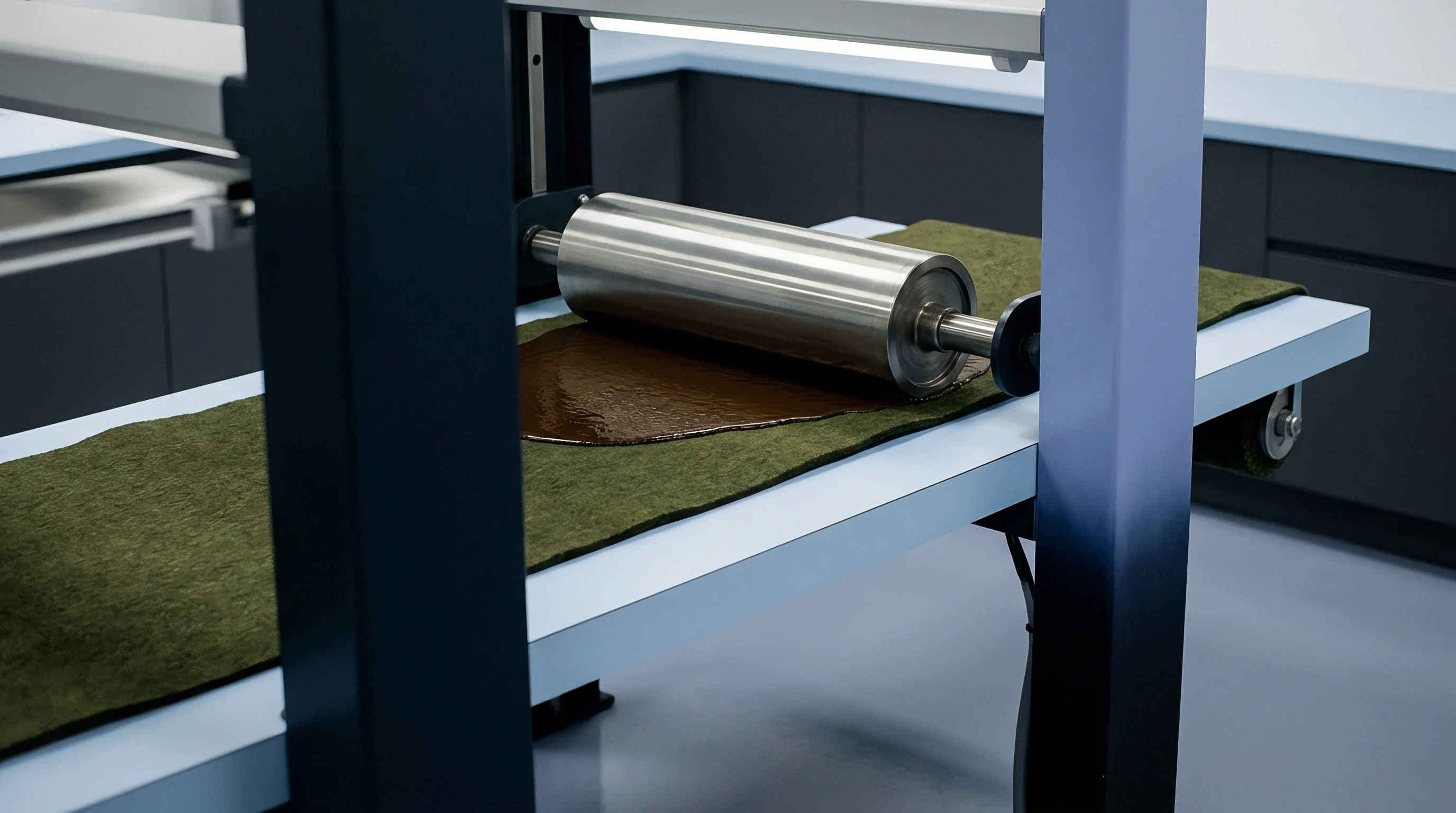
Polyolefin extrusion layers applied to paperboard experience severe mechanical shearing forces during rotary and flatbed platen processing. When tooling faces engage the coated web at pressures between twenty and one hundred twenty megapascals, localized tensile strain concentrates across microscopic deformation zones. Primary covalent carbon-carbon bonds within the high-density polyethylene or polypropylene backbone rupture under these concentrated stress vectors.
Extrusion coatings stretch under tension. The polymer network snaps. Chain fragmentation begins here.
Stress-induced homolytic scission fragments long macromolecules into shortened radical chains, shifting the molecular weight distribution toward low-mass fractions. Virgin extrusion-grade low-density polyethylene typically enters the converting line with a weight-average molecular weight between one hundred twenty thousand and one hundred eighty thousand grams per mole, maintaining a polydispersity index between five and eight. As mechanical displacement forces polymer chains across sharp die reliefs, mechanochemical scission truncates these long molecules.
The number-average molecular weight collapses, generating mobile oligomeric fractions within the coating thickness.
Extrusion-coated low-density polyethylene loses forty percent of its virgin barrier efficiency when number-average molecular weight drops below twenty-two thousand grams per mole under fifty megapascals of platen compression at ninety degrees Celsius.

Mechanochemical Chain Rupture at High Strain Rates
Macromolecular breakage accelerates whenever converting line velocities push strain rates beyond one thousand reciprocal seconds during pattern impression. High strain rates prevent coiled polyolefin chains from untangling through normal reptation dynamics. Entangled chains act as rigid structural ties spanning adjacent lamellar crystallites within the semi-crystalline matrix.
When tooling compression forces rapid lateral displacement of the coating layer, these tie molecules bear the entire mechanical load. Once localized stress exceeds the carbon-carbon covalent dissociation energy of three hundred forty-eight kilojoules per mole, backbone cleavage occurs spontaneously.
Thermal accumulation within the tooling nip amplifies mechanical chain degradation. Converting presses operating continuously generate friction at embossing interfaces, raising web contact surface temperatures above eighty degrees Celsius. This thermal energy increases chain mobility without providing sufficient melting relaxation, leaving amorphous segments vulnerable to oxidative scission if atmospheric oxygen enters the compressed contact zone.
Mechanochemical degradation generates terminal vinyl groups, carbonyl species, and truncated hydrocarbon tails that remain trapped within the bulk coating layer.
| Polyolefin Resin Grade | Initial Mw (g/mol) | Truncated Mw (g/mol) | Initial MFI (g/10 min) | Post-Tooling MFI | Critical Entanglement Limit (g/mol) |
|---|---|---|---|---|---|
| Autoclave LDPE 19 N430 | 145,000 | 68,000 | 4.2 | 14.8 | 28,000 |
| Tubular LDPE 24 FX | 165,000 | 82,000 | 7.5 | 21.3 | 31,000 |
| Metallocene LLDPE 1810 | 112,000 | 54,000 | 3.5 | 11.2 | 22,000 |
| Extrusion PP Homopolymer | 220,000 | 91,000 | 12.0 | 38.5 | 42,000 |
| HDPE Coating Grade B40 | 135,000 | 59,000 | 8.0 | 24.6 | 26,000 |

Critical Entanglement Density and Weight Retention Limits
Polymer barrier stability relies on maintaining an unbroken network of physical entanglements throughout the coating thickness. For polyethylene, the molecular weight between entanglements hovers near one thousand two hundred fifty grams per mole, while the critical entanglement molecular weight threshold sits near three thousand five hundred grams per mole. Below this threshold, individual chains slip past one another without transmitting tensile stress.
When severe mechanical embossing drives the overall number-average molecular weight below twenty thousand grams per mole, the density of tie chains connecting crystalline domains falls past recovery boundaries.
Mechanical scission manifests through distinct structural defects across the deformed barrier plane:
- Interlamellar void formation develops within amorphous zones where severed tie molecules retract into spherical globules, opening sub-micron paths through the coating bulk.
- Localized crazing networks propagate perpendicularly to applied tensile vectors along die shoulder transitions, creating visible stress whitening.
- Micro-pinhole perforation penetrates the polyolefin skin where extreme compression crushes substrate cellulose fibers directly into the sheared film.
- Oligomer phase separation pushes low-mass hydrocarbon fragments toward surface boundaries, contaminating sealing layers and weakening heat-seal strength during downstream conversion.
Melt flow rates surge. When the post-converting melt index shifts by more than two hundred percent relative to virgin resin specifications, mechanical barrier integrity disappears. Cohesive film strength deteriorates, leaving the fibrous paperboard substrate exposed to liquid penetration and atmospheric moisture ingress across every high-relief profile.
Flank
Bevel geometries on male embossing tools dictate the exact distribution of shear and elongation across polyolefin barrier coatings. As female matrix cavities close against the coated board, the polymer layer drapes across die transition corners where clearance tolerances determine material thinning. Tooling draft angles govern shear.
Standard folding boxboard dies manufactured with steep thirty-degree relief angles produce severe localized necking along the die shoulder, reducing coating caliper by up to seventy percent. Counter dies compress the board.
Compressive nip tonnage applied to board calipers between three hundred fifty and six hundred micrometers generates non-uniform strain fields. The paperboard substrate yields through internal fiber collapse, while the elastic-plastic polyolefin skin undergoes combined planar stretching and transverse compression. When tooling clearance lacks adequate relief, the coating experiences shear-cutting forces rather than controlled plastic flow, cleaving polymer chains along the entire flank length.
Sharp relief tooling edges destroy barrier continuity before substrate fibers show visible surface tearing.
What Truncates Extruded Chains at Flank Radii?
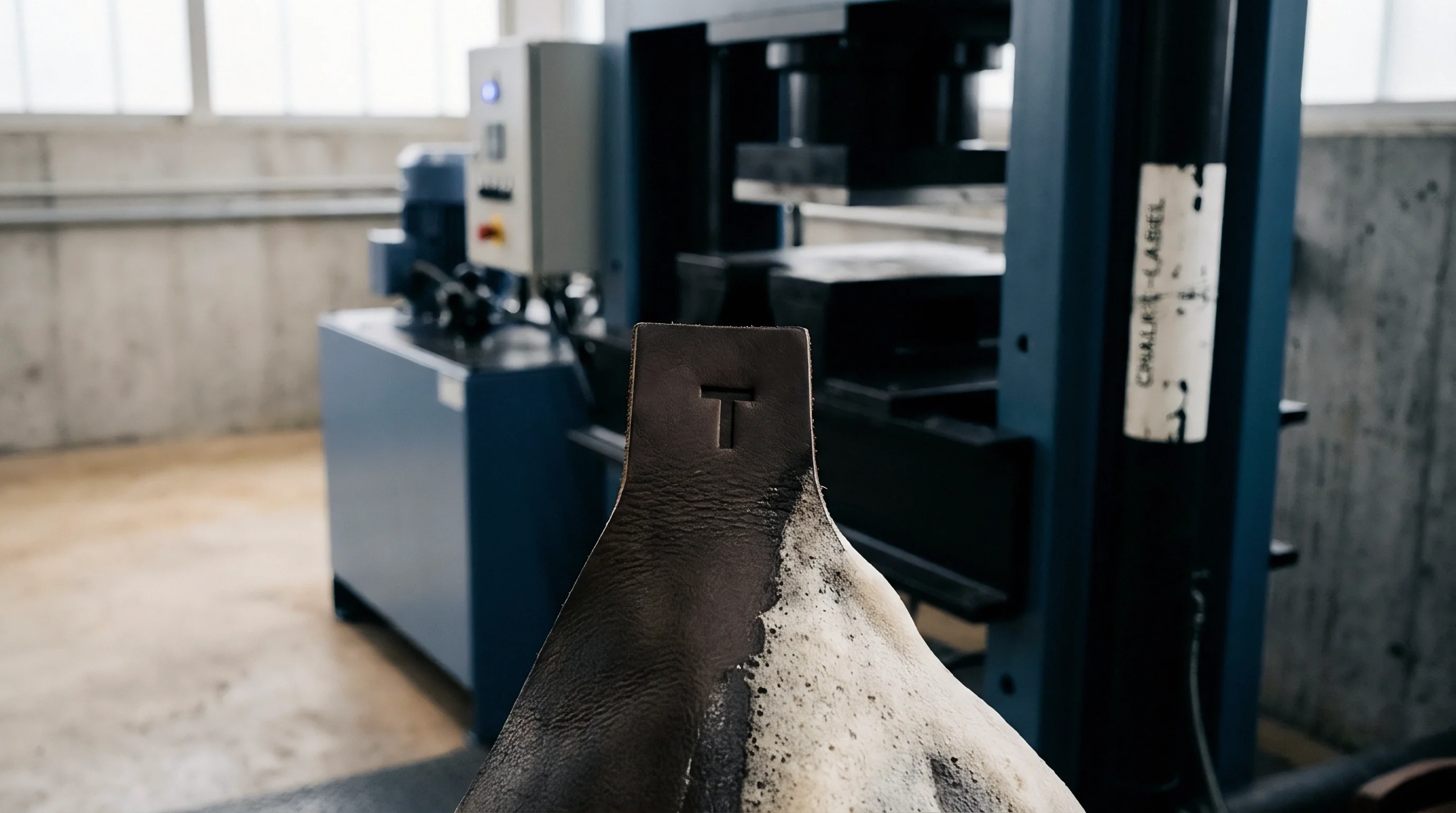
Tooling edge sharpness directly governs the rate of polymer chain scission during male die penetration. Radius values ground below one hundred micrometers concentrate mechanical shearing forces into narrow bands of coating material. As the advancing metal edge pushes into the coated sheet, peak elongational strain along the polymer outer radius frequently surpasses five hundred percent.
Virgin low-density polyethylene coatings tolerate three hundred percent nominal elongation before undergoing irrecoverable molecular disengagement. Die corners demand polished radiuses.
Machined tool surfaces introduce frictional drag that arrests surface polymer flow while subsurface layers continue to draw into the matrix pocket. This velocity gradient across a twenty-five micrometer coating thickness induces severe rotational shear. At platen speeds exceeding five thousand sheets per hour, the resulting mechanical work converts directly into bond-breaking kinetic energy.
Machining marks, wire electrical discharge machining ridges, and abrasive micro-burrs along the tool flank multiply localized shear stresses by factors up to fourfold.
| Tool Flank Angle | Shoulder Radius (µm) | Coating Draw Ratio | Residual Caliper (µm) | Tensile Strain (%) | Failure Morphology |
|---|---|---|---|---|---|
| 15 Degrees | 250 | 1.18 | 21.2 | 185 | Uniform plastic draw |
| 30 Degrees | 150 | 1.45 | 15.8 | 290 | Amorphous tie scission |
| 45 Degrees | 100 | 1.82 | 11.4 | 420 | Localized micro-crazing |
| 60 Degrees | 50 | 2.35 | 6.2 | 610 | Continuous pinholing |
| 75 Degrees | 25 | 3.10 | 3.1 | 840 | Complete film shear rupture |
Local Strain Distribution along Relief Transitions
Finite element modelling of board compression shows that stress peaks locate precisely at the tangent point where the die tip radius merges into the relief wall. Across this transition boundary, the coating undergoes combined biaxial tension and compressive wall friction. If substrate fibers beneath the coating slip during fluting collapse, the unsupported polyolefin film necks down rapidly, precipitating catastrophic molecular weight decline across the necked cross-section.
Preventing localized chain cleavage along relief flanks demands rigid adherence to mechanical setup guidelines:
- Minimum shoulder radius qualification verifies that male die contours maintain at least one hundred fifty micrometers of curvature across all cutting and relief transitions.
- Tool wall polishing protocol eliminates micro-grooves through diamond paste lapping, establishing an arithmetic average roughness below zero point zero five micrometers.
- Platen clearance matching establishes die gap dimensions equal to compressed board caliper plus ninety percent of nominal coating thickness.
- Dwell time compensation limits platen contact duration under peak pressure to less than eighty milliseconds, preventing heat-driven oxidative chain degradation.
Deep relief designs always draw polymer mass away from the base profile toward the crest. The coating splits. When female counter plates lack precision registration with male punches, lateral misalignment pinches the coating along one flank while leaving the opposite side unsupported, tripling shear degradation on the pinched edge.
Skilled press operators adjust impression pressure strictly against visual film integrity rather than substrate fiber emboss depth.


Permeance
Barrier coatings protect paperboard packaging from water vapor penetration, liquid absorption, and volatile organic compound migration. Intact low-density polyethylene films applied at coat weights of eighteen to twenty-four grams per square meter normally deliver water vapor transmission rates between four and six grams per square meter per day under tropical conditions of thirty-eight degrees Celsius and ninety percent relative humidity. Mechanochemical degradation induced by high-pressure embossing shatters these holdout barriers.
When molecular weight collapses below entanglement thresholds along deformed die flanks, vapor permeation switches from slow activated diffusion through amorphous domains to rapid convective flow through micro-fissures. Water molecules migrate along fractured interfaces without encountering resistance from polymer chains. Pinhole densities escalate rapidly.
Moisture bypasses the barrier layer. The resulting packaging fails to protect dry food contents from atmospheric hydration, caking, and premature staling inside retail distribution chains.
Resin compounders attribute finished barrier pinholing to irregular paperboard caliper variations rather than shear-induced scission within the polymer matrix.

Where Does Die Penetration Breach Moisture Holdout?
Moisture ingress occurs preferentially at the base tangents of male emboss profiles rather than across the flattened pattern plateau. At the base tangent, the paperboard substrate experiences intense tensile tear, pulling fibers apart beneath the polyolefin skin. Unsupported by stable cellulose backing, the thinned and degraded polymer film stretches over void pockets within the disturbed fiber matrix.
Sub-micron pinholes propagate through these unsupported polymer membranes, creating direct vapor channels between the package exterior and interior.
Standard liquid penetrant testing reveals that oil and grease resistance drops concurrently with water vapor performance. Intact polyolefin layers achieve Kit ratings of twelve under TAPPI T 559 testing, resisting aggressive solvent mixtures containing castor oil, toluene, and heptane. Embossed panels showing severe chain scission frequently fail at Kit one, absorbing test fluids within five seconds of droplet placement.
Castor oil penetrates through micro-capillaries formed by broken macromolecular aggregates, staining the paperboard core.
| Emboss Relief Depth (µm) | WVTR at 38°C / 90% RH (g/m²/day) | Cobb 1800s Water Absorption (g/m²) | TAPPI T 559 Kit Rating | Heptane Vapor Permeance (g/m²/day) |
|---|---|---|---|---|
| Baseline (Unembossed) | 4.8 | 0.8 | 12 | 1.2 |
| 150 | 6.2 | 1.4 | 12 | 2.4 |
| 300 | 14.5 | 4.6 | 9 | 18.5 |
| 450 | 48.2 | 18.2 | 4 | 115.0 |
| 600 | 128.0 | 62.5 | 1 | 460.0 |

Vapor Transmission Shifts across Deformed Geometries
Water vapor diffusion kinetics through semi-crystalline polyolefins adhere to standard Fickian transport models only when crystalline lamellae remain tightly anchored within entangled amorphous networks. Lamellar crystallites act as impermeable inorganic obstacles, compelling diffusing permeant molecules to navigate extended tortuous paths through the polymer bulk. High-pressure tooling forces lamellar fragmentation and rotational displacement, destroying spherulitic organization.
Shorter polymer chains formed by bond scission pack inefficiently, increasing fractional free volume within the amorphous phase.
Elevated free volume accelerates gas transmission through the damaged membrane. Oxygen transmission rates measured under ASTM D3985 jump from baseline levels of two thousand cubic centimeters per square meter per day to values exceeding fifteen thousand cubic centimeters across deeply textured folding cartons. Accelerated gas ingress oxidizes fats and essential oils contained in packaged foodstuffs, producing rancid off-notes and shortening shelf stability by months.
Liquid water holdout measured by extended Cobb sizing under ISO 535 exhibits equivalent decay profiles across embossed scorelines and multi-level blind patterns. When liquid water reaches cellulose fibers through coating micro-cracks, fiber swelling initiates. Swelling fibers exert transverse hydraulic pressures against the polyolefin interface, peeling the coating away from the board substrate.
Delamination spreads outward from the original emboss flank, transforming localized micro-fissures into macroscopic barrier detachments.
Material converters defend these barrier failures by claiming that decorative visual depth inevitably compromises moisture resistance on fibrous paper substrates.

Assay
Confirming mechanochemical degradation within converted polyolefin coatings demands analytical techniques capable of isolating thin polymer films from underlying cellulose substrates. Mechanical peeling methods distort the crystalline structure and generate false mechanical scission artifacts. Solvent extraction using boiling orthodichlorobenzene or trichlorobenzene dissolves the polyolefin without altering its molecular weight distribution, allowing precise polymer separation from paperboard fibers.
Chromatography isolates broken oligomers. Solvent extraction strips the resin.
High-temperature gel permeation chromatography provides definitive evidence of molecular weight truncation across embossed features. Operating at one hundred forty-five degrees Celsius with stabilized trichlorobenzene carrier solvents, differential refractive index detectors combined with online multi-angle light scattering yield absolute molecular weight profiles. Chromatograms extracted from embossed die flanks display substantial peak shifts toward longer retention volumes relative to unembossed sheet baselines, demonstrating scission of high-molecular-weight fractions.
Under standard trade rules governing converted folding board, barrier failures identified after secondary embossing passes void converter liability unless pre-embossed baseline holdout certificates accompany the delivered reels.
Gel Permeation Profiling of Deformed Coatings
Quantitative molecular weight analysis reveals distinct changes across the molecular weight curve when coatings endure excessive nip pressures. Peak molecular weight values drop precipitously, accompanied by an upward surge in low-molecular-weight fractions below ten thousand grams per mole. The z-average molecular weight, which reflects the presence of extremely long tie-molecule chains responsible for melt strength and toughness, contracts by more than sixty percent in failed barrier zones.
Differential scanning calorimetry complements chromatographic evaluation by identifying shifts in polymer crystallization behavior. High-pressure shear lowers the melting point onset by two to four degrees Celsius and broadens the melting endotherm. Shorter, degraded polymer chains crystallize into smaller, imperfect lamellae with elevated vacancy defects.
Heat of fusion measurements demonstrate a slight overall increase in percent crystallinity, as truncated chains possess greater mobility to align into low-perfection crystal lattices that lack the mechanical toughness of virgin spherulites.
| Test Parameter | Standard Designation | Conditioning Atmosphere | Pass Acceptance Limit | Critical Failure Reading |
|---|---|---|---|---|
| Gel Permeation Peak Mw | ASTM D6474 / ISO 16014 | 145°C Trichlorobenzene | Mw > 100,000 g/mol | Mw |
| Melt Mass-Flow Rate | ISO 1133 / ASTM D1238 | 190°C / 2.16 kg | Delta MFI | Delta MFI > 180% shift |
| Water Vapor Permeance | ISO 15106-2 / ASTM F1249 | 38°C / 90% RH | WVTR | WVTR > 25.0 g/m²/day |
| Surface Oil Resistance | TAPPI T 559 (Kit Test) | 23°C / 50% RH | Kit Rating ≥ 10 | Kit Rating ≤ 4 |
| Dye Penetration Holdout | EN 13676 / ASTM F1929 | Ethyl acetate / Pinacryptol | Zero pinholes / 0.1 m² | 5 pinholes / 0.1 m² |

Standardized Extraction and Transmission Protocols
Verifying compliance with barrier specifications requires systematic sampling across suspicious carton profiles. Evaluating whole cartons averages out localized failures, producing misleadingly compliant aggregate test results. Technicians isolate deformed flank zones using surgical punches before conducting micro-permeation or chromatographic testing.
- Substrate fibers separate from the polyolefin coating via enzymatic digestion using commercial cellulase solutions at fifty degrees Celsius, leaving an unpulled, stress-free polymer film.
- Cleaned film specimens undergo twenty-four-hour desiccation at twenty-three degrees Celsius and fifty percent relative humidity to eliminate residual moisture before analytical extraction.
- Specimens dissolve in chromatographic-grade 1,2,4-trichlorobenzene containing two hundred fifty parts per million butylated hydroxytoluene antioxidant to prevent thermal degradation during dissolution.
- Dissolved polymers pass through high-temperature columns packed with styrene-divinylbenzene gel beads at a controlled flow rate of one milliliter per minute.
- Refractive index signals convert to absolute molecular weight distributions using universal calibration curves constructed with narrow polystyrene standards.
Commission Regulation EU 10/2011 mandates strict migration limits of sixty milligrams per kilogram of food simulant for plastics contacting foodstuffs. Cleaved low-molecular-weight polyolefin fragments migrate rapidly into fatty food simulants such as isooctane and vegetable oil, exceeding specific migration limits for non-intentionally added substances.
Section 4.2 of European Standard EN 13676 mandates zero dye penetration across polyolefin barrier coatings during a two-minute contact exposure, immediately invalidating production reels displaying micro-pinhole coloration.


Settlement
Packaging supply contracts impose severe financial liabilities on converters when finished folding cartons fail barrier specifications in filling plants. Packaging failure identified on high-speed filling lines shuts down cartoning operations, contaminating equipment with powdered or liquid food products. Brand owners issue immediate debit notes covering production downtime, product disposal, and emergency packaging reorders.
The buyer claims full credit.
Converters scrap defective production reels. Scrap generation during high-pressure embossing make-ready escalates rapidly when press crews attempt to compensate for dull tooling by increasing impression pressure. Running extra tonnage temporarily sharpens visual relief definition on the front of the sheet, while simultaneously pulverizing polyolefin barrier coatings on the back.
Entire press pallets running twenty thousand sheets face rejection during post-converting quality control checks.
Yield Losses and Tooling Recalibration Expenses
Reworking defective embossing tooling introduces unexpected tooling expenses and production delays. When production engineers diagnose shear-induced film scission, dies must return to engraving workshops for mechanical radius modification and surface micro-polishing. A multi-up brass embossing cylinder or flatbed platen die set costs between four thousand and twelve thousand euros, while precision re-machining requires up to two weeks of press downtime.
Tooling revisions extend project schedules.
Make-ready waste sheets consume valuable barrier-coated substrate before acceptable visual relief and barrier continuity align. While standard folding carton make-ready consumes three hundred to five hundred sheets, balancing relief depth against moisture holdout consumes up to two thousand sheets per production run. On short luxury packaging orders running twenty thousand units, make-ready waste absorbs ten percent of total material allocations, eliminating job profit margins.
| Cost Component | Optimized Tooling (€) | Excess Pressure Setup (€) | Variance Impact (€) | Root Mechanism |
|---|---|---|---|---|
| Substrate Waste Sheets | 420 | 1,680 | + 1,260 | Extended make-ready trials |
| Tooling Re-Engraving | 0 | 3,400 | + 3,400 | Relief flank radius widening |
| Press Downtime (Hours) | 350 | 2,100 | + 1,750 | Five hours diagnostic delays |
| Laboratory Assay Testing | 150 | 1,250 | + 1,100 | HT-GPC and WVTR verification |
| Client Spoilage Claim | 0 | 14,500 | + 14,500 | Filling line downtime penalties |
| Modulated EPR Penalty | 310 | 850 | + 540 | Recyclability score downgrade |

Modulated Producer Fees and Recyclability Audits
Extended Producer Responsibility regulations under the European Packaging and Packaging Waste Regulation penalize non-recyclable multi-material packaging through eco-modulated fee structures. Standard polyolefin-coated paperboard maintaining less than fifteen percent plastic content qualifies for standard paper recycling streams, provided the coating separates cleanly during standard hydropulper repulping trials under CEPI or PTS testing protocols. Heavily degraded and cleaved polyolefins complicate fiber recovery.
Mechanochemically damaged coatings break into microscopic plastic flakes during repulping rather than detaching as large, easily screenable continuous films. These micro-fragments pass through primary screens and lodge within recovered paper sheets as sticky contamination spots known as stickies. Recyclability testing laboratories penalize these materials with Class C or D ratings, triggering EPR fee surcharges exceeding eighty euros per metric ton of placed packaging.
Brand owners pass these modulated fee surcharges directly back to converting suppliers.
Waste loads increase production expenses. When converters misjudge molecular weight degradation thresholds during tooling sign-off, commercial exposure encompasses scrapped substrate stock, wasted press hours, specialized laboratory testing, and client indemnity claims that exceed the initial packaging contract value.