Evaluating Specific Migration Limits and Functional Barriers in Barrier Board
Verify functional barrier board integrity through chromatographic simulant migration testing and scoreline micro-crack inspection across high-speed die operations.


Transport
Pinholes smaller than ten microns permit vapor transfer through an otherwise continuous coating. In food contact packaging, barrier board functions as a multi-ply cellulose structure treated with an internal or surface barrier chemistry to prevent chemical components from migrating into dry, moist, or fatty foods. The European Union Framework Regulation 1935/2004 dictates that materials must not transfer their constituents to foodstuffs in quantities which could endanger human health, bring about an unacceptable change in the composition of the food, or bring about a deterioration in the organoleptic characteristics thereof.
Regulation EU 10/2011 extends this discipline by specifying a generic overall migration limit of 10 milligrams per square decimeter alongside chemical-specific thresholds for intentionally added substances.
Mass transport across coated paperboard proceeds through Fickian diffusion driven by concentration gradients across the package boundary. Unlike uniform non-porous polymer webs, paperboard comprises a porous network of hydrophilic cellulose fibers with tortuous void geometries. Low molecular weight substances desorb from internal fiber surfaces, volatilize into inter-fiber voids, and condense at the barrier interface.
The barrier layer counters this movement through low free volume and minimal thermodynamic partition affinity for the foulant. A functional barrier, defined formally in Article 13 of Regulation EU 10/2011, consists of a layer placed behind the food contact surface that reduces chemical transfer to non-detectable levels or below defined toxicological limits, specifically 0.01 milligrams per kilogram for non-authorized substances.
A functional barrier maintains non-detectable migration below 0.01 milligrams per kilogram for unlisted substances across the declared shelf life.
Mathematical modeling of migrant ingress calculates concentration curves as functions of diffusion coefficient, partition coefficient, layer thickness, and contact temperature. The Piringer equation establishes conservative diffusion estimates for polymers, but cellulose substrates introduce porous media anomalies that overestimate transport resistance when moisture swells the matrix. When paper absorbs atmospheric moisture, hydrophilic fibers expand, disrupting the physical continuity of water-based barrier coatings.
Polar penetrants exploit these moisture channels. Non-polar penetrants, such as aliphatic hydrocarbons, migrate along unbonded fiber surfaces until they encounter the barrier polymer.
Equilibrium partitioning dictates the maximum concentration a foodstuff absorbs over time. The partition coefficient defines the ratio of migrant concentration in the packaging substrate to migrant concentration in the contacting food phase at steady state. A barrier chemistry possessing zero solubility for hydrocarbons forces the partition equilibrium entirely toward the paper layer, retarding mass transport regardless of core sheet grammage.
Extrusion-coated polyethylene exhibits high hydrocarbon solubility, absorbing mineral oil vapor until saturation occurs, after which continuous transfer into food proceeds unhindered. Polyvinyl alcohol and ethylene vinyl alcohol polymers present dense, tightly cross-linked matrices that resist non-polar vapor diffusion under dry storage.
Whether transient humidity excursions permanently alter the structural matrix of crystalline barrier resins remains an unresolved technical inquiry.


Stock
Recycled fiber furnish introduces volatile and semi-volatile migrants absent from certified virgin kraft pulp. Deinked pulp, derived from post-consumer mixed paper waste, contains printing ink solvents, plasticizers, resins, and degradation byproducts. Virgin folding boxboard eliminates these residual contaminants at the pulping stage, yet demands barrier treatment against external environmental moisture and grease.
Recycled cartonboard substrates, such as coated recycled board or white lined chipboard, carry persistent contaminant reservoirs that migrate via vapor phase even without direct liquid food contact.
Do Aqueous Dispersions Block Mineral Oil Vapour?
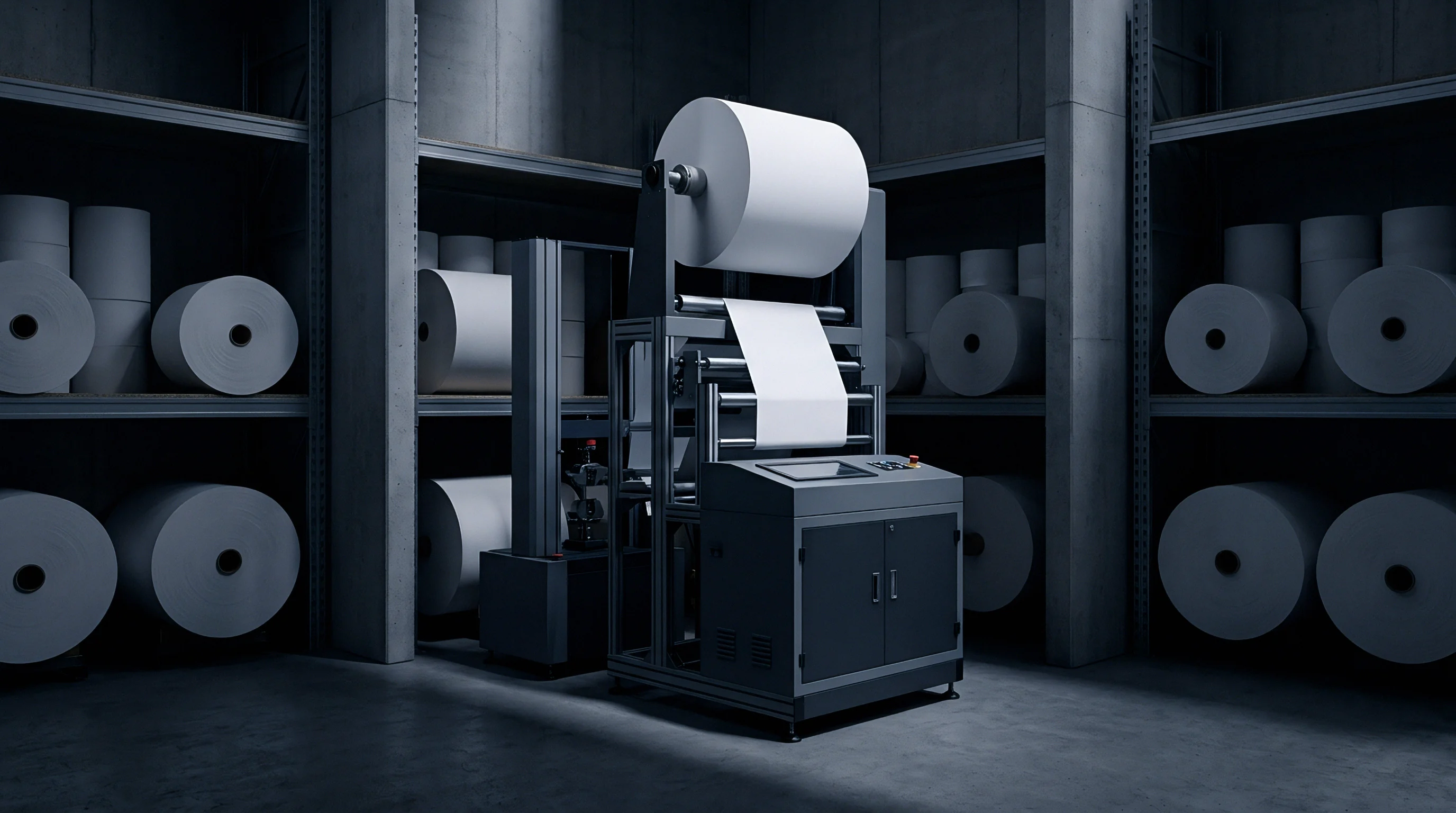
Water-based barrier coatings utilize acrylic copolymers, styrene-butadiene lattices, or ethylene acrylic acid dispersions applied via blade, rod, or curtain coaters. These aqueous layers replace polyethylene lamination by forming thin protective skins directly on clay-coated board surfaces. While aqueous dispersions deliver grease resistance scores above kit value 10, their thin dry coat weights of four to eight grams per square meter struggle against gas-phase permeation of volatile hydrocarbons.
Saturated and aromatic hydrocarbons constitute the primary migration hazard in recycled board packaging. Mineral oil saturated hydrocarbons accumulate in human tissue, while mineral oil aromatic hydrocarbons carry mutagenic and carcinogenic risks. Toxicological guidance establishes target quantification limits of 0.5 milligrams per kilogram for aromatic fractions containing one to seven rings.
Typical recycled cartonboard stocks generate internal loads exceeding 500 milligrams of mineral hydrocarbons per kilogram of dry board. Without an effective barrier layer, volatile fractions volatilize rapidly into the headspace, penetrating dry goods such as flour, rice, and infant cereal.
- Mineral oil saturated hydrocarbons with carbon chain lengths from C10 to C35 volatilize within enclosed packaging at ambient storage temperatures.
- Mineral oil aromatic hydrocarbons alkylated across multiple rings demand complete exclusion from food contact interfaces under European dietary exposure directives.
- Diisopropylnaphthalenes derived from thermal paper recycling streams act as volatile marker migrants that permeate standard polyolefin films within twenty days.
- Photoinitiators including benzophenone and 4-methylbenzophenone originate in UV-cured decorative inks and transfer through reverse-side set-off during stack winding.
Extrusion coatings supply physical thickness that aqueous dispersions achieve only through multiple passes. Extruded coatings deposit twelve to twenty-four grams per square meter of polymer, producing continuous pinhole-free films across rough fibrous topographies. Pure low-density polyethylene fails as a mineral oil vapor barrier because saturated hydrocarbon molecules dissolve readily within its amorphous polymer regions.
Polyamide, polyethylene terephthalate, and functional biopolymers like polyhydroxyalkanoates supply superior aromatic and hydrocarbon resistance through higher chain polarity and lower free volume.
| Barrier Chemistry | Application Method | Dry Coat Weight | MOSH/MOAH Vapour Halting | Water Vapour Transmission |
|---|---|---|---|---|
| Aqueous Acrylic Dispersion | Blade Coater Double Pass | 7 to 9 g/m² | Partial Retardation | 15 to 45 g/m²·day |
| Styrene-Acrylate Copolymer | Rod Coater Single Pass | 5 to 7 g/m² | Minimal Retardation | 50 to 90 g/m²·day |
| Polyvinyl Alcohol Dispersion | Curtain Coater Double Pass | 4 to 6 g/m² | High Resistance Below 50% RH | 10 to 25 g/m²·day |
| Extruded Low-Density Polyethylene | Extrusion Nip Single Pass | 14 to 18 g/m² | No Barrier Effect | 8 to 15 g/m²·day |
| Extruded Polybutylene Succinate | Extrusion Die Single Pass | 15 to 20 g/m² | Moderate Retardation | 30 to 60 g/m²·day |
| Metallized Bio-PET Film Lamination | Solventless Adhesive Laminator | 12 µm film | Absolute Functional Barrier | 0.5 to 1.5 g/m²·day |
Board mills frequently state that standard aqueous dispersion layers eliminate internal chemical transfer across normal distribution cycles.

Die
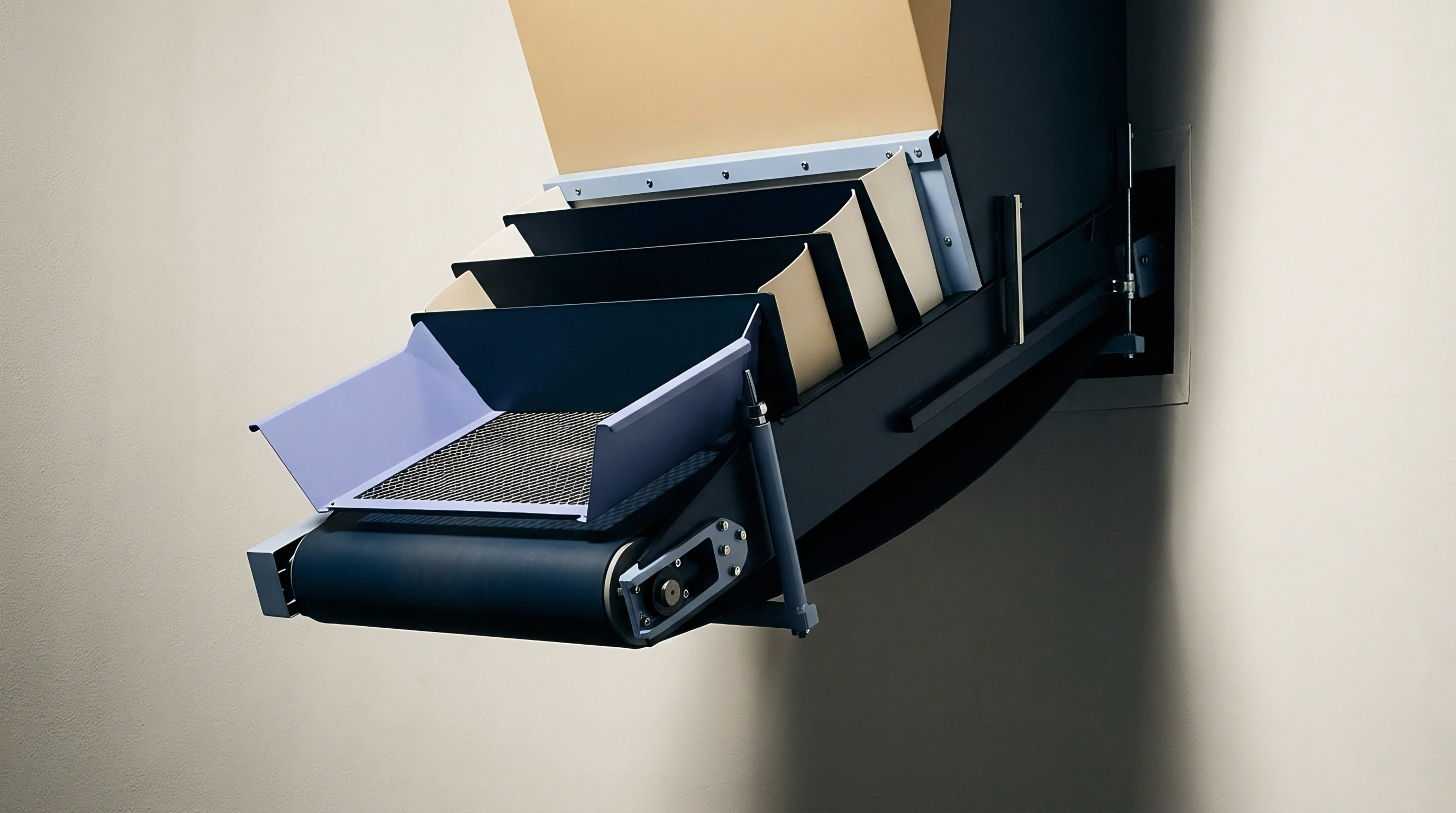
Flatbed die-cutting stresses barrier layers beyond their elastic limits along creasing channels. As steel rules strike the board into counter-dies, cellulose fibers compress and delaminate internally to establish a permanent fold hinge. High-speed carton conversion subjects surface coatings to extreme tensile elongation on the outer crease radius and high shear stress on the inner fold face.
Polyethylene coatings possess sufficient ductility to stretch across 180-degree carton bends. Brittle barrier chemistries, particularly highly crystalline polymers or mineral-filled aqueous dispersions, develop micro-fissures during the creasing cycle.
Fissures split the continuity of the functional barrier. Microscopic fractures run parallel to the score line, exposing raw pulp fibers to ambient air and enclosed contents. Chemical migrants follow these mechanical stress cracks, bypassing the diffusion resistance of the uncreased flat sheet.
Even a one percent surface rupture rate along carton edges invalidates regulatory compliance across long shelf lives. The converting line determines packaging safety as decisively as the chemical coater.
- Align carton blanks so load-bearing creases run parallel to fiber grain direction, minimizing tensile strain on exterior coating plies.
- Select creasing rule widths matching board caliper precisely to prevent excessive anvil penetration and substrate shear.
- Calibrate make-ready matrix channels on steel counter-plates to maintain clearance equal to board thickness plus 0.1 millimeters.
- Inspect converted fold profiles under fifty-times magnification using dye-penetrant solutions to confirm coating continuity before commencing production runs.
Scoreline integrity demands balanced substrate elasticity. Thicker cartonboards, exceeding 350 grams per square meter, amplify outer fiber strain during folding operations. When converters force stiff barrier-coated folding boxboards through standard tooling designed for uncoated kraft stock, the outer plies fracture.
Aqueous dispersion formulations incorporate plasticizers and flexible acrylic segments to maintain tensile elongation at break above thirty percent. Adjusting binder flexibility prevents micro-fracturing along scores without generating roll blocking inside rewound reels.
Creasing strain exceeding coating elongation limits generates continuous micro-fractures that compromise migration resistance along every converted carton edge.
Tool wear accelerates barrier degradation across large production orders. Steel creasing rules experience rounding and micro-nicks after two hundred thousand impressions. Nicked rules concentrate mechanical pressure unevenly, chopping into the barrier film instead of rolling fibers into an unbroken hinge.
Converting operators must adjust platen pressure to compensate for rule wear, which compresses the internal fiber structure and crushes adjacent coating zones. Creasing integrity requires proactive tooling replacement schedules tied directly to validated migration performance.
Ignoring creasing rule maintenance leads directly to package failure, product recalls, and comprehensive liability for chemical contamination of food stocks.

Simulant
Verification of barrier performance relies on standardized chemical food simulants that mimic the extractive characteristics of real food matrices. European Standard EN 1186 and Regulation EU 10/2011 define specific media representing distinct food categories. Simulant A (10% ethanol) tests aqueous foods, Simulant B (3% acetic acid) measures acidic food extraction, and Simulant D1 (50% ethanol) evaluates alcoholic or oil-in-water emulsions.
For fatty food contact, Simulant D2 (rectified olive oil or vegetable oil fatty acid mixtures) acts as the primary medium, while poly(2,6-diphenyl-p-phenylene oxide), known commercially as Tenax or Simulant E, evaluates dry foods and volatile vapor absorption.

Does Accelerated Extraction Overstate Actual Chemical Intake?
Standardized migration tests expose substrates to severe time and temperature regimes to simulate extended ambient shelf lives. Ten days at 40 degrees Celsius represents storage periods exceeding thirty days at room temperature. Testing at 60 degrees Celsius for ten days simulates long-term storage exceeding six months, including hot-fill conditions.
Under these elevated thermal cycles, polymer chain mobility accelerates, inflating diffusion coefficients beyond real-world storage levels. Volatile migrants escape substrate matrices at rates unmatched in ambient warehouses.
Solvent extraction tests using isooctane and 95% ethanol provide rapid screening verification on the factory floor. These organic solvents wet cellulose and swell polyolefin barrier films, extracting substances far more aggressively than aqueous foods. Isooctane contact for two days at 20 degrees Celsius corresponds to fatty food contact for ten days at 40 degrees Celsius.
While organic solvents yield rapid chromatographic data within forty-eight hours, they frequently induce artificial delamination in water-based dispersion barriers, falsely indicating functional barrier failure.
| Simulant Matrix | Standard Testing Conditions | Target Migrant Class | Analytical Instrumentation | Limit Of Quantification |
|---|---|---|---|---|
| Modified Polyphenylene Oxide (Tenax) | 10 days at 60°C | MOSH (C10-C35) / MOAH (C10-C35) | On-line HPLC-GC-FID | 0.5 mg/kg food |
| Isooctane (Screening) | 2 days at 20°C | Non-volatile Oligomers, Phthalates | GC-MS / Direct Gravimetry | 1.0 mg/dm² |
| 95% Aqueous Ethanol | 10 days at 40°C | Photoinitiators, Acrylates | LC-MS/MS | 0.01 mg/kg food |
| 3% Aqueous Acetic Acid | 10 days at 40°C | Heavy Metals, Primary Aromatic Amines | ICP-MS / Photometric Analysis | 0.002 to 0.01 mg/kg |
| Rectified Olive Oil | 10 days at 40°C | Fatty Acid Esters, Antioxidants | Extraction and GC-FID | 2.0 mg/dm² |
Chromatographic verification of mineral oil fractions requires online coupled high-performance liquid chromatography and gas chromatography with flame ionization detection. The liquid chromatography column separates saturated hydrocarbons from aromatic hydrocarbons, preventing analytical overlap. The gas chromatography stage resolves individual fractions by boiling point, producing hump-shaped chromatograms characteristic of refined mineral oil mixtures.
Integration excludes natural plant paraffins, paper defoamers, and synthetic polyolefin oligomers that distort baseline data.
Perfluorinated and polyfluorinated alkyl substances, historically applied as grease-proofing agents in fast food board, face universal elimination across international regulatory domains. Specific migration limits for individual perfluorinated compounds fall below parts-per-billion detection thresholds, driven by evidence of biological persistence. Modern barrier boards replace fluorochemical sizing with aqueous polymer emulsions or mechanical surface densification.
Analytical validation dossiers must confirm total fluorine content remains below fifty parts per million to prove total absence of intentionally added fluorochemicals.
A certificate of compliance remains legally invalid unless supported by analytical chromatographic receipts tied to defined lot numbers and processing dates.
Article 16 of Regulation EU 10/2011 mandates that food contact materials carry a written declaration of compliance detailing raw materials, migrant evaluations, and functional barrier assertions throughout intermediate converting stages.
Settlement
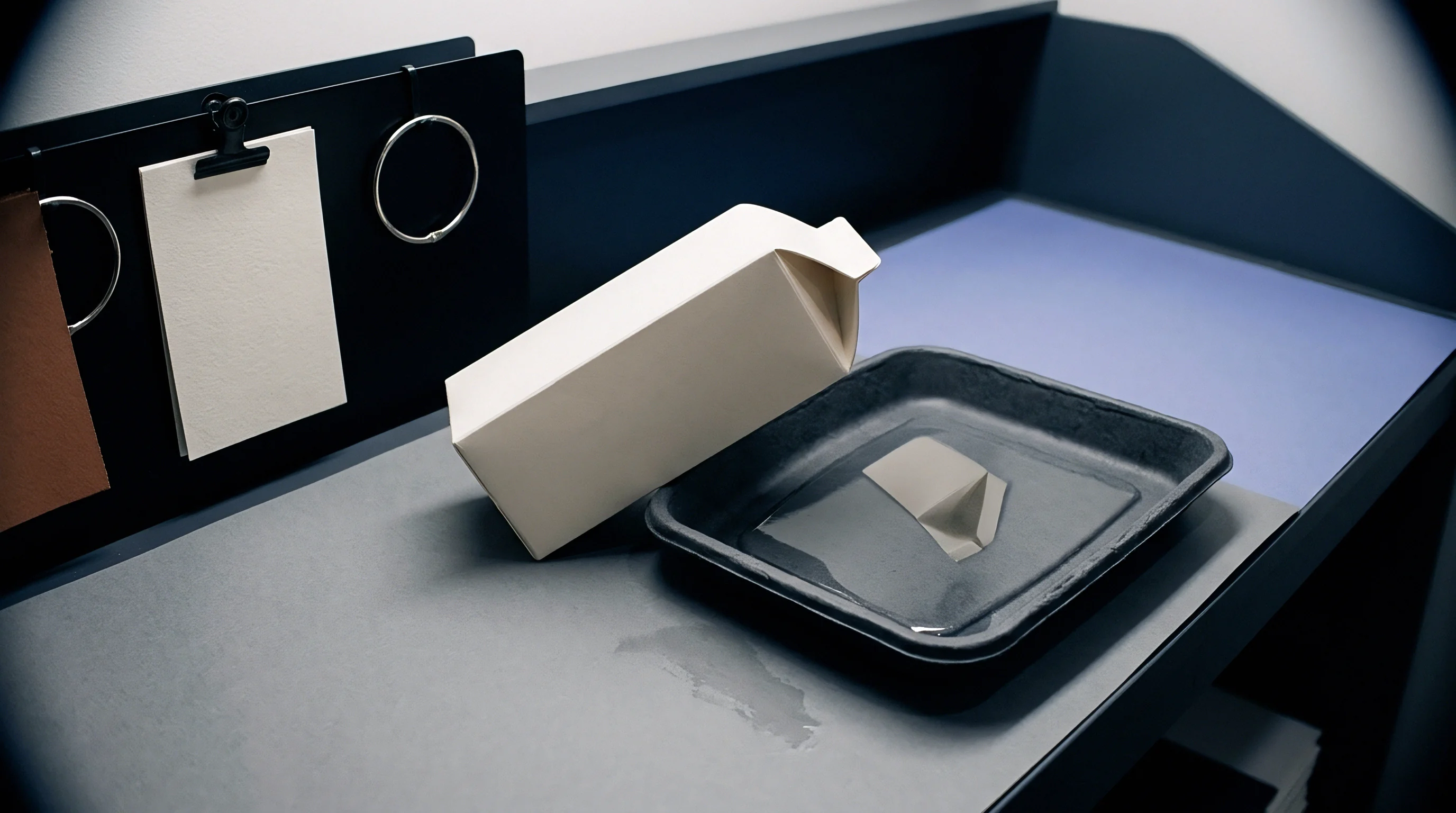
Specifying a functional barrier adds tangible unit costs across procurement, conversion, and compliance verification streams. An extrusion-coated polyethylene barrier board costs eighteen to twenty-five percent more per metric ton than standard folding boxboard. Specialized aqueous dispersion barrier boards carry a price premium between thirty and forty-five percent over uncoated cartonboard.
Dual-pass barrier coatings slow coater operating speeds by twenty percent, elevating machine-hour charges and energy consumption during drying stages.
Make-ready waste expands significantly when running barrier-treated substrates through multi-stage printing and finishing equipment. Aqueous barrier surfaces alter sheet surface energy, lowering dyne levels from standard board values of 44 dynes per centimeter down to 34 dynes per centimeter. Standard offset lithographic inks and water-based adhesives fail to wet out or anchor cleanly on these treated surfaces, demanding corona discharge treatment or specialized hybrid inks.
Converters consume an additional four hundred to eight hundred sheets per run during initial make-ready to align ink adhesion, rub resistance, and die-cutting register.
Take an operational run of two hundred thousand dry-food cartons converted from 300 gsm folding boxboard. A standard cartonboard carries a substrate cost of 1,200 dollars per metric ton. Selecting a certified aqueous dispersion barrier board lifts stock cost to 1,650 dollars per metric ton.
On an order consuming twenty-four metric tons of board, substrate expenditure jumps by 10,800 dollars. Tooling modifications, including custom-profile creasing matrix channels and laser-cut counter plates, add 1,400 dollars in upfront die tooling charges.
Analytical verification dossiers impose substantial fixed testing overheads. Independent laboratory assays covering MOSH and MOAH migration via Tenax exposure, overall migration into aqueous and fatty simulants, and screening for non-intentionally added substances cost between 3,500 and 6,000 dollars per board formulation. Spreading this testing overhead across a single short run inflates carton unit cost by several cents.
Amortizing validation expenses over long-term contract programs containing multiple reprints protects margins while maintaining full regulatory compliance files.
End-of-life recycling fees penalize packaging structures containing non-separable polymer films under European extended producer responsibility frameworks. Extruded polyethylene layers exceeding fifteen percent of total pack weight push cartons into non-recyclable fee categories, attracting disposal surcharges. Certified repulpable aqueous dispersion coatings preserve fiber recovery efficiency above eighty-five percent in standard hydropulpers, maintaining lower waste processing fees.
Selecting an easily repulpable functional barrier board offsets elevated substrate acquisition prices through avoided regulatory tariffs at retail distribution.
Substrate thickness, coating elasticity, and die clearances must balance precisely to achieve complete containment across converted carton folds.