Dimensional Volatility
Cellulose fibres absorb ambient moisture and release trapped vapor continuously until reaching equilibrium with surrounding air. Relative humidity cycling forces paper and board substrates through repeated swelling and contraction phases that degrade structural integrity during storage and transit. Fluctuating atmospheric conditions alter sheet dimensions across the machine direction because wood pulp fibres expand predominantly along their width rather than their length.
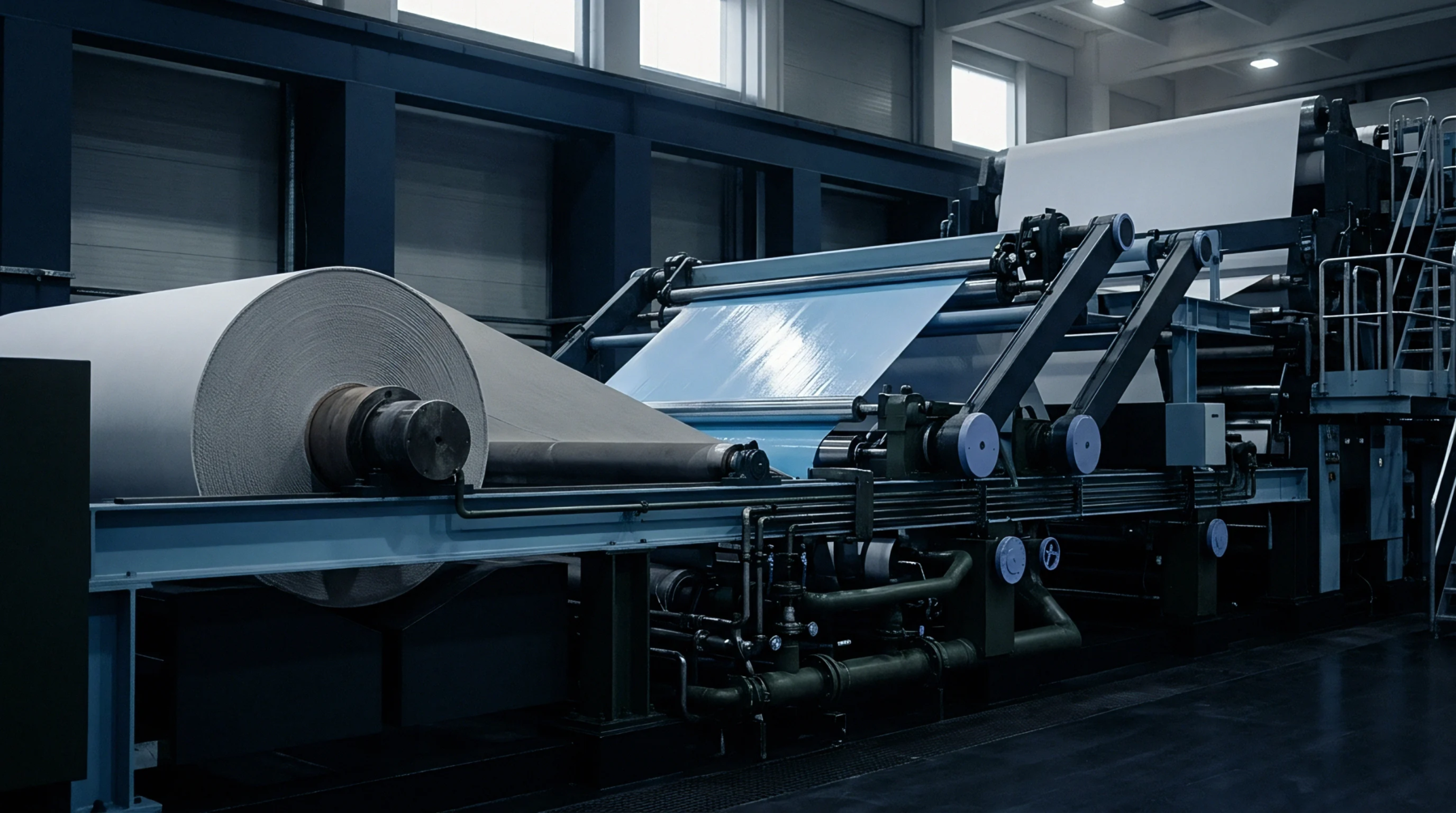
Converting facilities mitigate moisture shifts by maintaining strict climate controls inside press halls and lamination bays before dies cut folding cartons or corrugated boxes. Dimensional movement strains registered multi-pass offset printing because paper misregister causes ink misalignments that ruin entire press runs.
Moisture Equilibrium
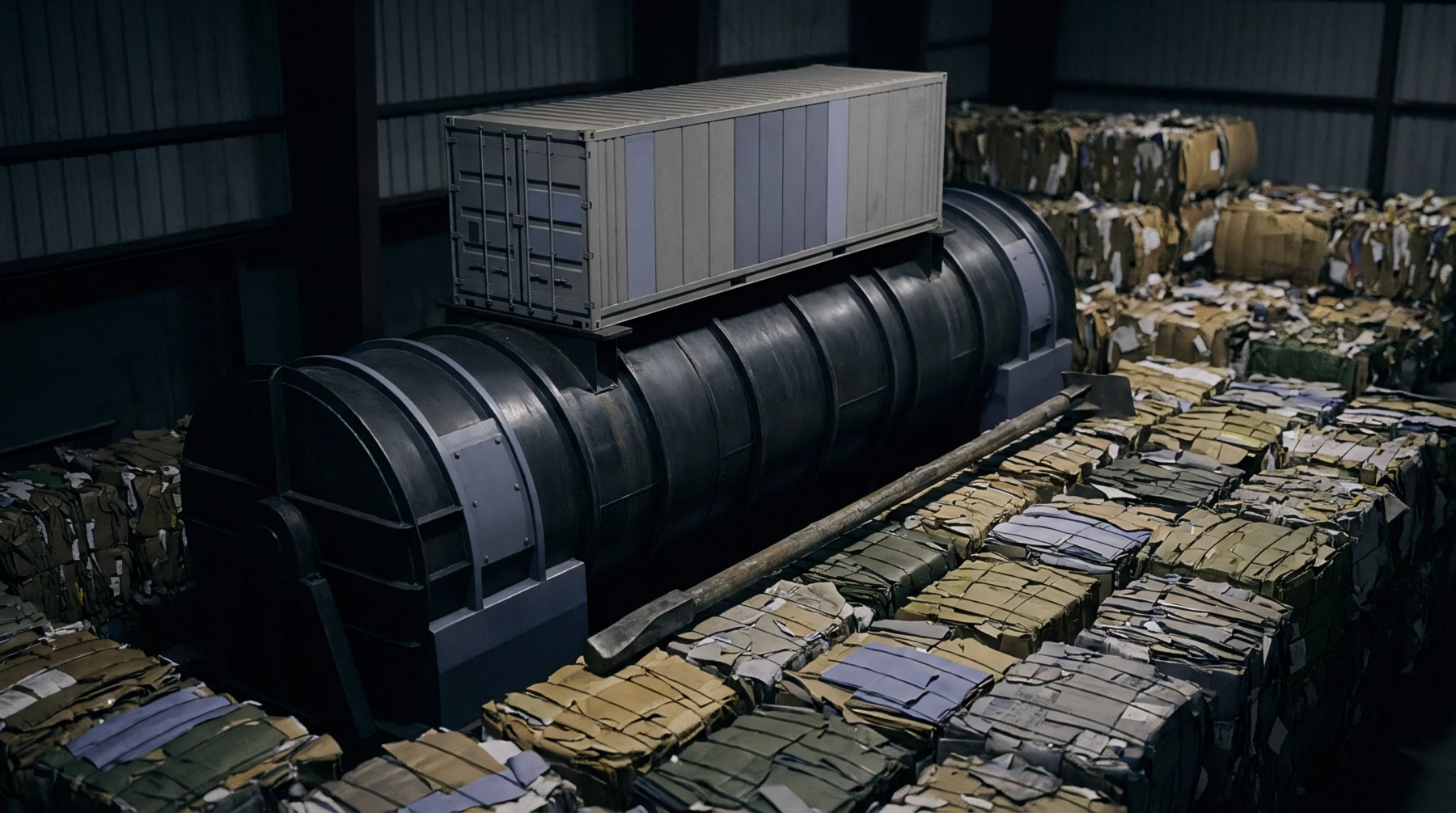
Atmospheric water vapor pressure gradients drive moisture migration through porous packaging materials until internal and external humidity values equalize. Relative humidity cycling disrupts this balance by repeatedly reversing moisture sorption isotherms within corrugated containerboards and coated folding boxboards. Storage warehouses located in coastal regions experience severe diurnal moisture swings that force stacked pallets to absorb water at night and release vapor during solar heating peaks.
Board stiffness decreases sharply when internal moisture content rises beyond standard converting thresholds during these sorption cycles. Converting plants apply wax barriers and polyethylene extrusions onto paper substrates to slow moisture vapor transmission rates and protect interior fluting from ambient humidity shifts.
Creep Rupture
Stacked distribution loads induce constant mechanical stress onto corrugated shipping containers stored inside unconditioned warehousing environments over extended periods. Relative humidity cycling accelerates corrugated box compression failure because cyclic moisture absorption softens constituent lignin bonds and lowers edge crush resistance values. Packaging engineers calculate safe stacking heights by applying reduction factors that account for expected humidity fluctuations during long distance ocean freight journeys.
Structural collapse occurs when cumulative moisture sorption cycles lower the compressive strength of paperboard below the static load exerted by upper pallet tiers. High performance packaging specifications demand virgin kraft linerboards treated with wet strength resins to maintain compression performance under severe climatic conditions.