Fibre Yield
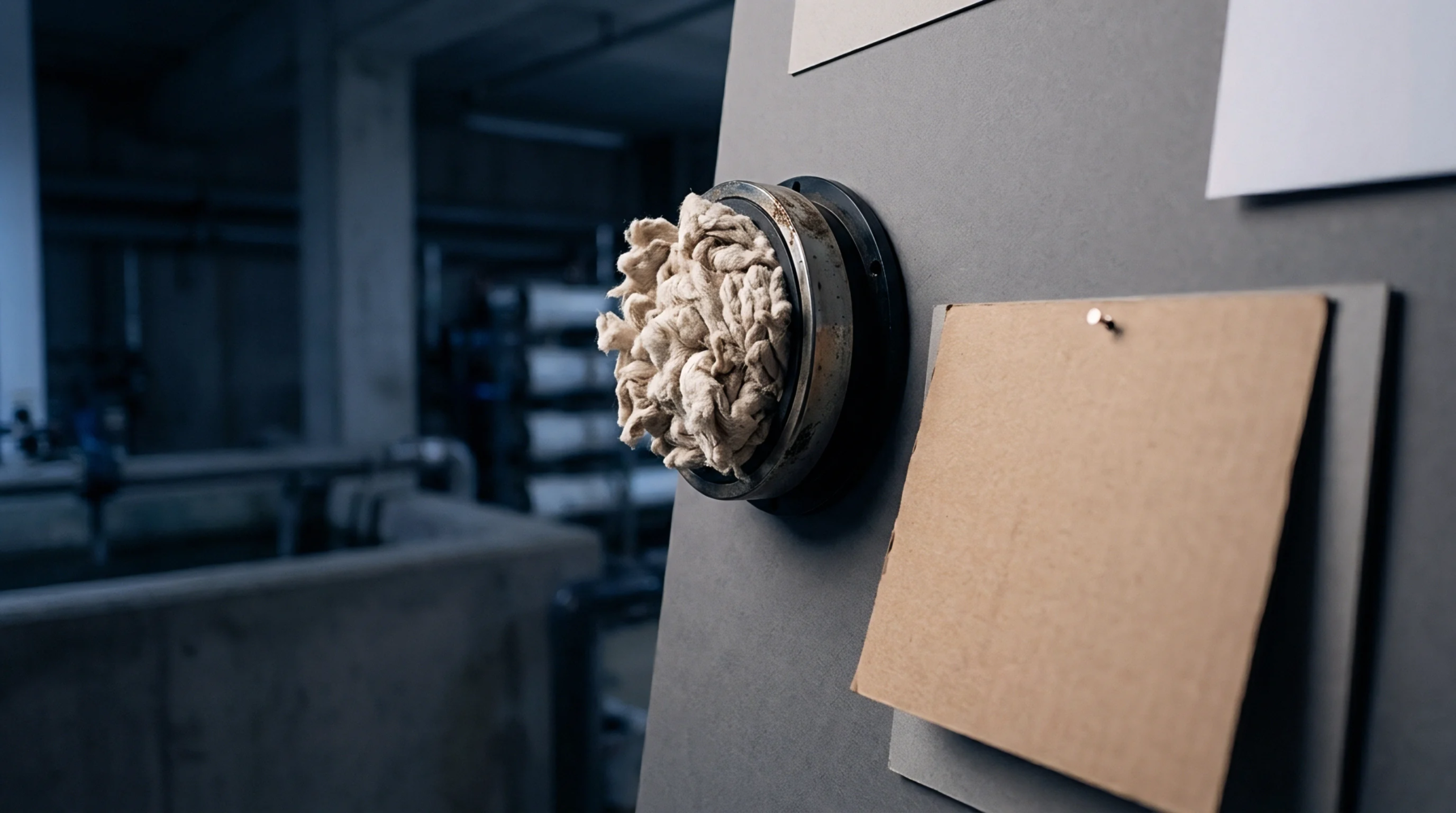
Recovered postal and packaging scrap derived from municipal and commercial collections provides the primary raw material feed for secondary paper mills. Old corrugated containers enter pulping lines as a heterogeneous mix of unbleached kraft liners and semi chemical fluting mediums requiring systematic sorting to remove contaminants like plastic tape and wax coatings. Secondary fibre brokers grade bales according to moisture limits and foreign material thresholds to protect downstream sheet strength.
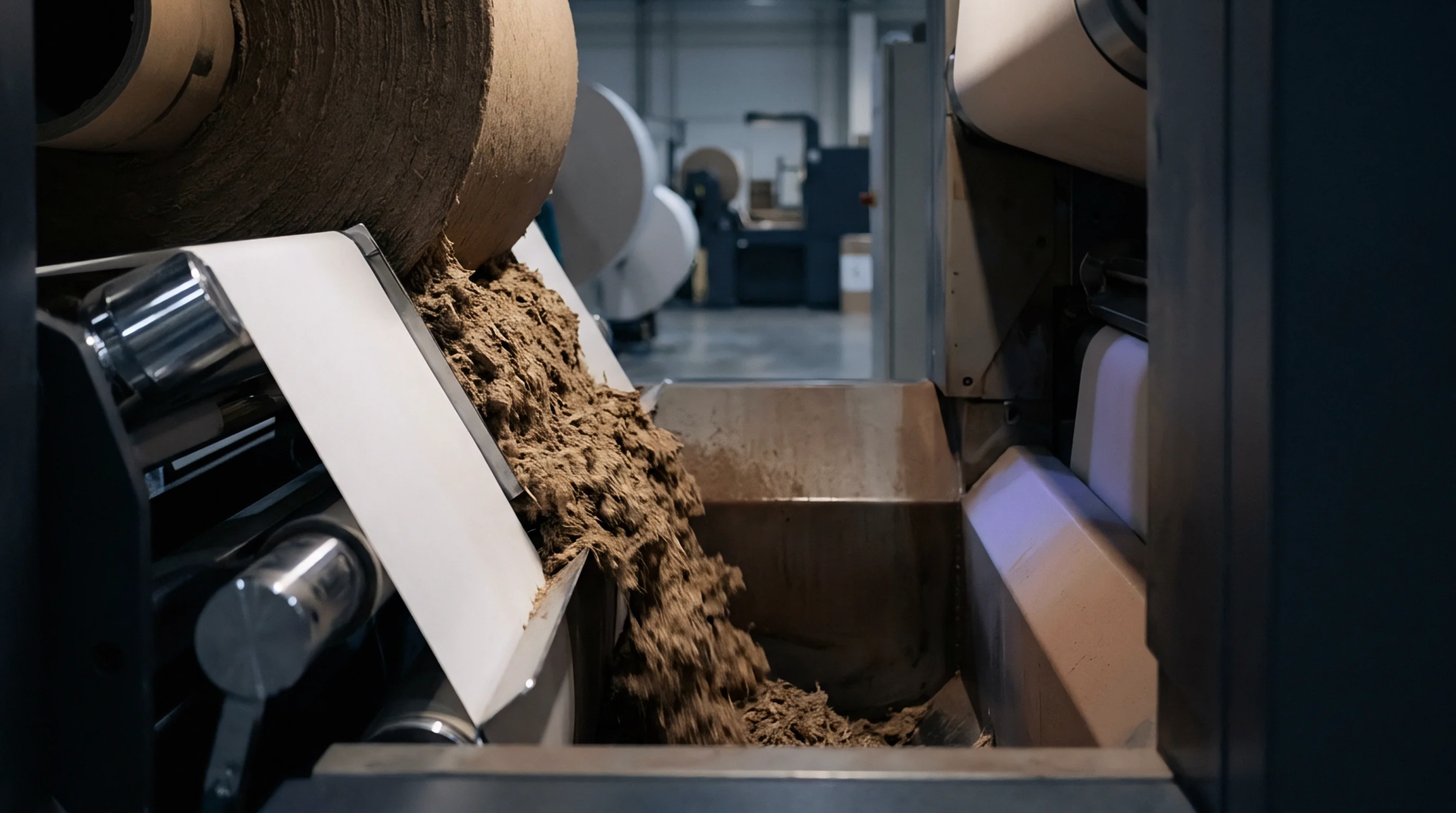
Papermakers blend these recycled boxes with virgin softwood pulp to restore tear resistance lost during previous mechanical refining cycles. Mill operators regulate stock preparation intensity because repeated drying degrades cellulose microfibrils and lowers the internal bond strength of the resulting paperboard. Defibering efficiency depends heavily upon hydropulper rotor design and consistency control during high shear disintegration.
Crush Resistance
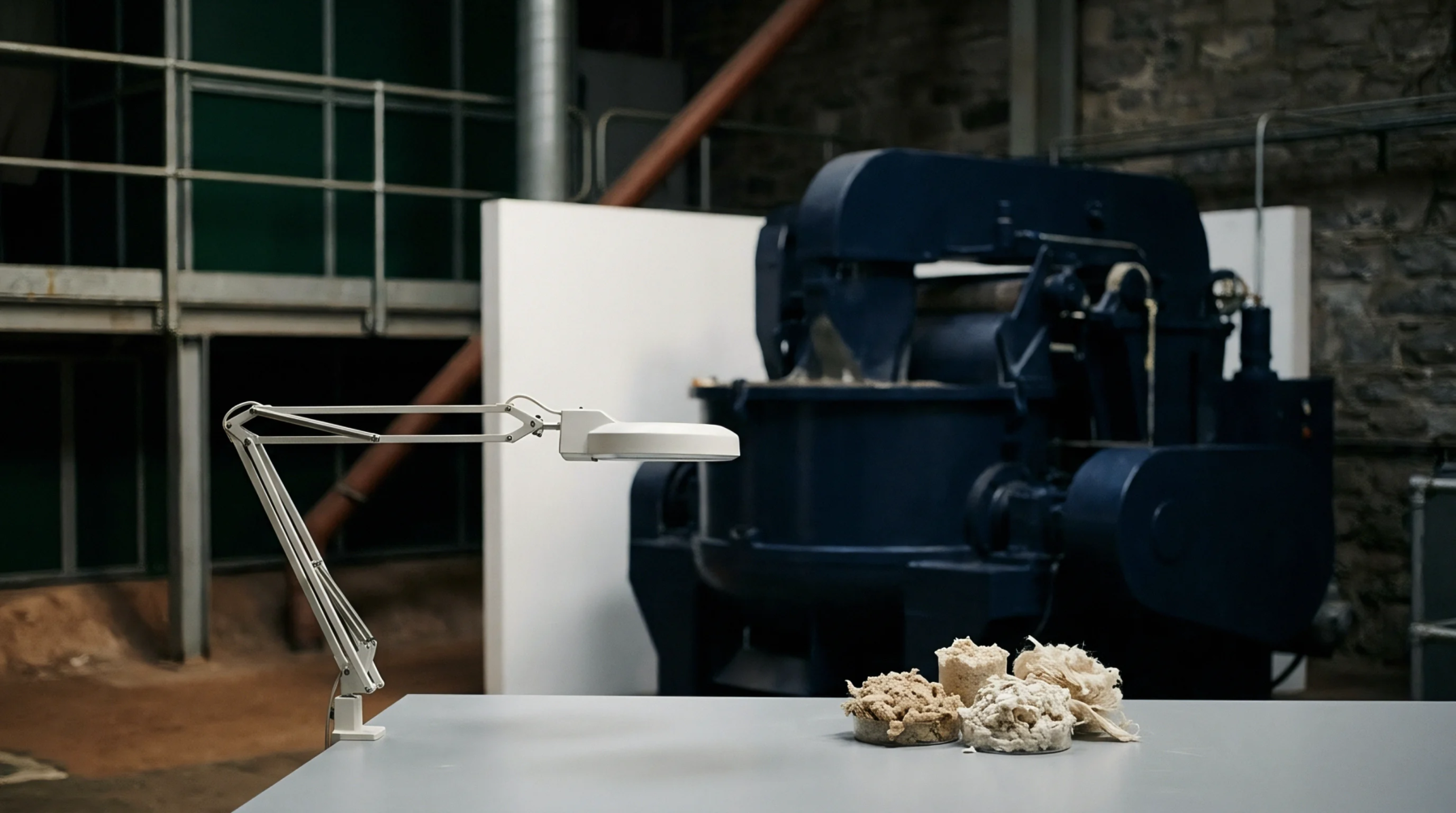
Board converters evaluate incoming secondary fibre batches by measuring ring crush and edge crush test values that predict stacking performance in finished corrugated boxes. Short span compression tests reveal how well recovered papers maintain structural integrity under vertical loads encountered during warehouse storage. Weakening occurs when excessive proportions of short hardwood fibres enter the furnish mix from mixed paper contamination within bales.
Box plants compensate for lower raw material stiffness by increasing flute profile height or adding heavier adhesive applications during single facing operations. Moisture absorption severely degrades box compression performance by softening hydrogen bonds between adjacent cellulose fibres in humid storage environments. Mill quality control laboratories monitor Scott bond values to ensure that recycled linerboards resist delamination during high speed printing and die cutting operations.
Recycling Yield
Processing facilities calculate mass balance losses by tracking dry fibre output against wet bale weight entering the sorting floor. Fine particle fractions escaping through screening systems end up as primary sludge requiring dewatering and beneficial land application or industrial boiler fuel use. Hydraulic pulping removes wet strength resins and bitumen laminates but generates heavy rejects that demand specialized landfill disposal.
Mills optimize water loops to reduce thermal energy consumption during drying stages while managing dissolved solids accumulation that causes corrosion on fourdrinier wire meshes. Regulatory compliance requires continuous monitoring of wastewater biochemical oxygen demand arising from soluble starch adhesives washed out during repulping. Secondary fibre utilization rates rise steadily as packaging designers eliminate non-paper components that complicate mechanical separation processes in high volume sorting plants.