
Paperboard Chain of Custody Certificate Document Auditing
Auditing paperboard custody requires validating register status, matching invoice claim lines to product group schedules, and checking mass balance yields.
Auditing paperboard custody requires validating register status, matching invoice claim lines to product group schedules, and checking mass balance yields.

Resolve chemical recycling and paperboard chain discrepancies by splitting polymer barrier mass balance credits from fibre transfer ledgers on every invoice.

Verifying paperboard claims demands cross-referencing public scope codes, validating invoice credit lines, and securing plot-level forest origin documentation.

Validate foreign packaging files by checking invoice claim strings on scheme registers, testing fiber furnish by microscopy, and screening barrier extraction.

Validating imported paper claims requires matching register product codes to invoices before transit to prevent customs holds and invalid certifications.

Operationalizing physical segregation across multi-site mills demands absolute logyard boundaries, automated stock chest isolation, and verified line flushes.

Validate chain of custody certificate codes and product group scopes on public scheme registers before approving invoices carrying on-pack sustainability marks.

Paperboard buyers face border holds when chain of custody credit balances fail plot-level trace rules, requiring precise contract clauses and batch physical evidence.

Validating chain of custody certificates demands cross-checking online registry scopes, product categories, and site schedules against line-item invoice claims.

Verify paperboard claims by checking the online scheme register, matching scope codes, and auditing transaction lines on invoices and delivery dockets.
Paperboard recycled claims require matching chain of custody certificates, mass balance ledger reconciliation, and certified converter invoices.

Validating paperboard claims requires cross-checking certificate scope codes on public databases and securing batch migration test reports.

Verify paperboard certificates by matching invoice claim text, product scope codes, and valid supplier registry entries before receiving inventory at the dock.
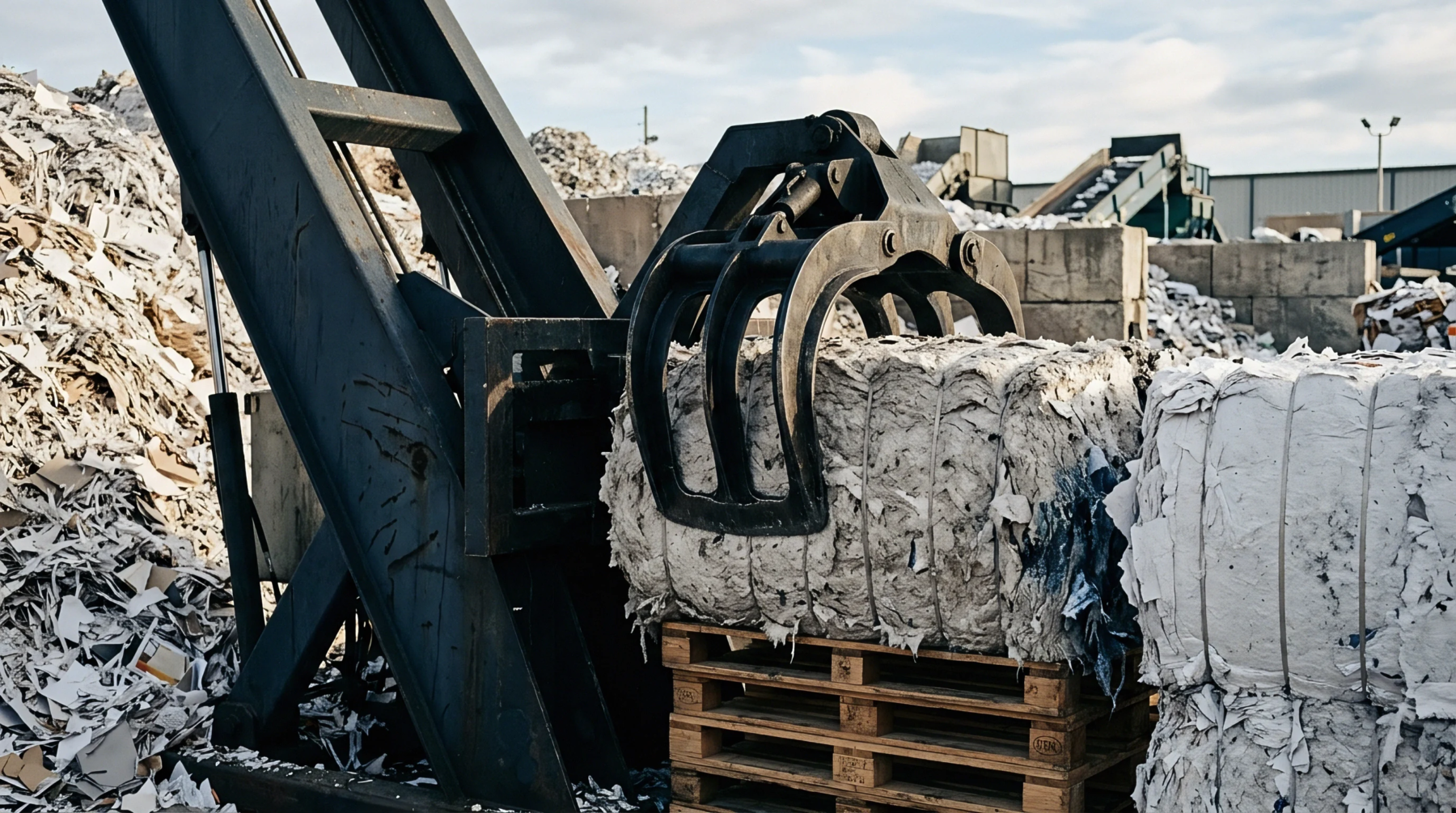
Auditing fiber ratios combines ISO 9184 furnish microscopy and ash testing with strict FSC and PEFC invoice-level mass balance chain of custody reconciliation.
EUDR compliance overrides central certification credit banking by mandating physical batch segregation linked directly to harvest plot geolocation polygons.
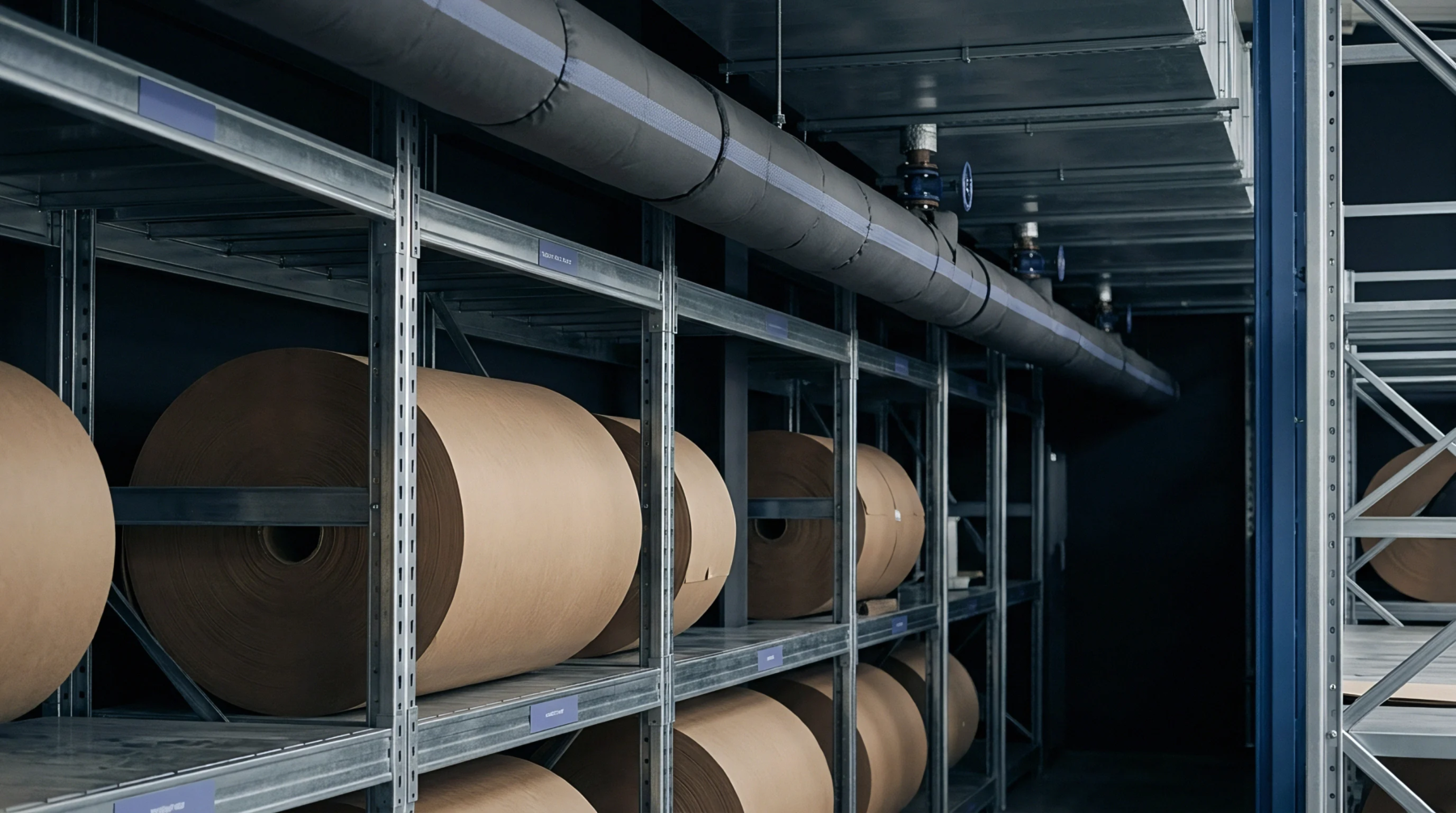
Public scope schedule verification requires matching board product categories and claim systems on official registers to downstream delivery notes.

Scope cross-checking against public scheme registers and line-item invoice verification prevent customs detentions and illegal packaging claims.

Paperboard fiber ratio auditing requires pairing ISO 9184 Graff C microscopic stain counts with EN 16995 chemical marker testing and mass-balance credit ledgers

Verify mill test certificates against ISO 2859 sampling on arrival; static swatches omit deckle variance, transit moisture creep, and food migration risks.

FSC and PEFC prove auditable timber origin and mass-balance fiber accounting; they do not prove food safety, chemical purity, repulpability, or EUDR compliance.

Regulatory enforcement detains unverified paper packaging at borders, placing absolute financial and chemical compliance liability directly on the importer of record.

Moving certificate risk onto suppliers requires contract clauses that link claim validity to invoice codes, batch migration reports, and full indemnity for border holds.

A converter's chain of custody certificate cannot retroactively grant certified status to packaging made from uncertified paper mill substrate.
Expertise is a utility, not a secret. sentiention™ publishes its working knowledge as open reference: intelligence layer covering the materials it sources, the markets it enters, and the reference that serves both.