Operationalizing Physical Segregation Systems within Multi-Site Paper Mill Supply Chains
Operationalizing physical segregation across multi-site mills demands absolute logyard boundaries, automated stock chest isolation, and verified line flushes.
Flume
Physical segregation across multi-site papermaking operations begins with the absolute isolation of certified virgin fibre from uncertified or controlled wood inputs at the raw material reception yard. A multi-site chain of custody certificate governed by FSC-STD-40-003 or PEFC ST 2002 permits centralized administration across multiple production facilities, yet physical separation under the transfer system tolerates zero physical mixing at any point of storage, conveyancing, pulping, or papermaking. When uncertified roundwood logs enter a mill flume system alongside certified logs, the entire volume defaults instantly to the lowest common denominator, stripping the finished paperboard of its segregated status and forcing it into percentage or credit calculations.
Maintaining strict physical segregation across geographically dispersed facilities demands site-level physical boundaries starting at log storage decks, chip piles, and water conveying channels.
Roundwood handling yards feeding multi-site mechanical or kraft pulp mills process mixed deliveries through shared debarking drums and log flumes. To operationalize physical segregation without constructing parallel receiving flumes, mills schedule segregated batch runs separated by complete yard clears. Certified logs undergo distinct intake scanning, crane sorting to designated concrete aprons, and time-bracketed delivery into the water flume.
The flume water itself carries residual bark, wood slivers, and fines from preceding uncertified runs, creating a point of technical contention during chain of custody audits. Scheme auditors evaluate whether suspended wood fragments constitute non-compliant mixing.
Carryover of suspended wood fines within shared log flumes remains compliant under FSC-STD-40-004 Clause 5.2 provided structural log volume maintains unbroken physical batch separation.
Debarking drums and chippers process incoming timber at rates between 80 and 220 green metric tonnes per hour. During segregated campaigns, mills clear log decks completely before feeding certified roundwood. The time required to run the debarking drum empty and clear the primary chipper infeed belt sets the minimum inter-batch buffer, typically twelve to eighteen minutes of idle operational time.
Conveyor drop points from the chipper to the screening house present secondary physical transition hazards. Fines screens and oversized chip re-chippers retain wood chip fractions that circulate through return loops; running these ancillary loops completely empty prevents uncertified chip fractions from contaminating the segregated chip flow.

How Do Receiving Yards Isolate Unrefined Roundwood?
Receiving yards establish spatial divisions by engineering separate truck offloading bays and dedicated mobile equipment paths. Front-end loaders handling uncertified forest gate receipts operate exclusively within assigned quadrants. When a multi-site network uses rail links between satellite pulp mills and centralized paper machine facilities, log bunkers display painted boundary markers and digital geo-fences within yard management systems.
These geo-fences track wheel-loader bucket actions, automatically locking crane grapples if an operator attempts to deposit logs from an uncertified rail siding into a segregated flume feeder hopper.
Logyard inventory software logs truck scale receipts, verifying that forest management certificate codes match the delivery docket before the gate barrier lifts. If an incoming load arrives with an ambiguous delivery document, the weighbridge attendant diverts the vehicle to an uncertified holding lane. Delivery dockets lacking the exact certification claim code get rejected at gate entry to prevent any potential contamination of segregated log inventories before processing starts.
Chest
Inside the pulp mill and stock preparation plant, physical segregation transfers from solid log and chip handling to fluid slurry management. Stock chests, blend chests, and machine storage tanks represent massive volumetric vessels where physical segregation easily fails if valve gates leak or shared pipework is misdirected. A typical virgin bleached kraft pulp mill operates storage towers holding between 400 and 1,500 air-dry tonnes of pulp at ten to twelve percent stock consistency.
Multi-site operations transferring slush pulp or wet lap across production units designate specific high-density storage towers strictly for segregated campaigns.
Transitioning a shared pulp processing line between non-certified inputs and segregated runs demands defined line flushing protocols. Dilution water tanks, broke chests, and white water recovery save-all systems link back into the main stock prep loop. Refining systems, refiner chests, and machine headbox approach circuits retain substantial stock volume within chests, pipe bends, refiner cavities, and cleaner banks.
When changing furnish from standard production to a segregated grade, the stock prep crew drains and flushes the entire train, pumping the transitional mixed pulp into a designated downgrade chest for non-claim utility packaging linerboard.
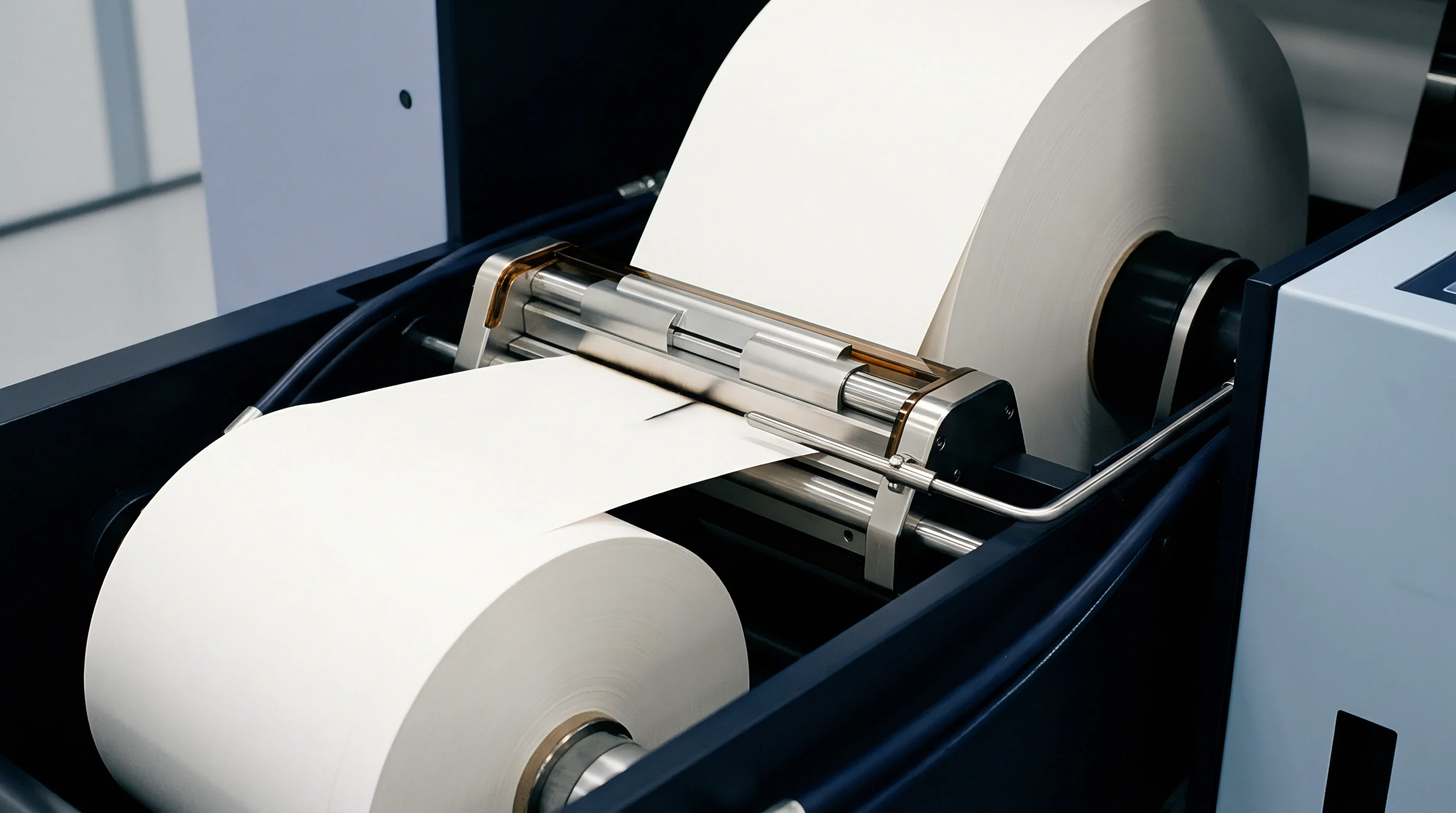
Fluid Isolation across Stock Preparation Equipment
Pulp slurry moves through stock lines at velocities between 1.5 and 3.0 meters per second. When isolation valves between parallel storage tanks experience seal degradation, cross-leakage occurs unnoticed behind flange connections. Double-block-and-bleed valve arrangements or physical spectacle blinds installed on chest interconnects eliminate this failure point entirely during certified production runs.
Pneumatic valves linked to distributed control systems prevent the simultaneous opening of certified and uncertified stock supply lines to the refiner chests.
Double-block-and-bleed valve configurations on stock chest manifolds eliminate internal leakage risks between segregated certified pulp and commercial furnishes.
Broke management represents the highest operational failure rate for physical segregation in paper mills. Broke generated during start-up, web breaks, edge trimming, and finishing slitting returns continuously to the broke pulpers located beneath the wet end, press section, dry end, and reel. In non-segregated operations, this material collects in a central broke chest.
Under strict physical segregation, broke generated during the run stays confined to that run alone; uncertified broke remaining in the broke chest from a prior campaign instantly contaminates incoming virgin stock slurries.
| Stock Processing Unit | Retention Volume (m³) | Stock Consistency (% solids) | Flush Volume Water (m³) | Minimum Purge Duration (min) |
|---|---|---|---|---|
| High Density Storage Tower | 1200 | 10.5 | 450 | 45 |
| Bleached Blend Chest | 180 | 3.8 | 220 | 25 |
| Machine Chest | 85 | 3.2 | 120 | 15 |
| Refiner Headbox Loop | 42 | 2.8 | 95 | 20 |
| Broke Pulper Tank | 110 | 4.2 | 180 | 30 |
Broke collection systems operating under physical segregation require a complete purge prior to starting a certified run. Machine operators dump residual broke chests to a secondary board machine or send the furnish to effluent treatment if secondary machine capacity is unavailable. Edge trim from the rewinder collected via pneumatic ducts drops directly into dedicated trim pulpers, ensuring that certified trims never co-mingle with trim waste from earlier non-certified rolls.
Distributed control system automation enforces furnish segregation through interlocking logic sequences. If a control operator attempts to open a valve from a generic hardwood storage tank while the paper machine recipe calls for physically segregated virgin eucalyptus board, the software aborts the sequence and triggers an audible alert on the central control panel. Physical segregation relies entirely on immutable control automation when human operators manage complex, high-speed multi-ply board machines with three or four separate headboxes.
Suppliers explain that internal valve weepage across aged diverter gates accounts for negligible fibre movement that audit sampling can overlook.
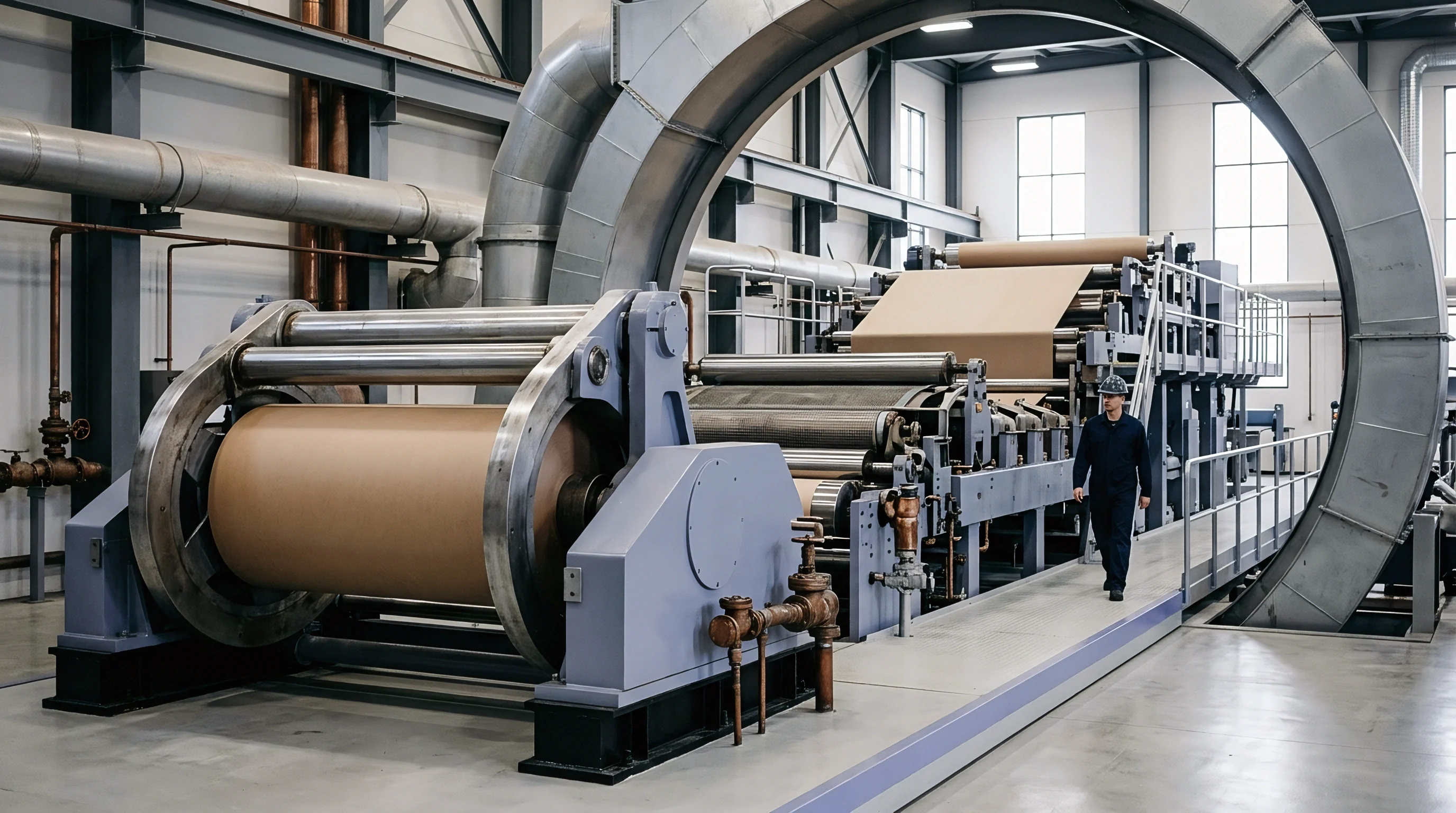

Purge
A paper machine producing coated folding boxboard at 800 meters per minute consumes twenty to forty tonnes of fiber furnish per hour across multiple plies. The transition from a non-certified baseline furnish to a segregated run produces a substantial volume of transition board that fails the strict physical segregation test. Operationalizing segregation requires precise line clearing protocols that dictate exactly when transitional board ceases to be contaminated and reaches compliance.
Operators calculate the physical purge boundary by tracking volumetric dilution curves across the wet-end water circuit.
The save-all disc filter clarifies white water drained through the forming fabric, recovering fibers and recycling the water back to the consistency regulators and dilution showers. This closed-loop water recirculation retains uncertified fibers for hours after the main stock supply swaps over to certified stock. Complete water dumps purge the system rapidly, yet losing heated, chemically balanced process water imposes heavy energy penalties and shocks the mill biological effluent treatment plant.
Mills instead apply empirical flushing factors, calculating that three full system displacements of the white water loop lower the residual uncertified fibre concentration below 0.5 percent by weight.
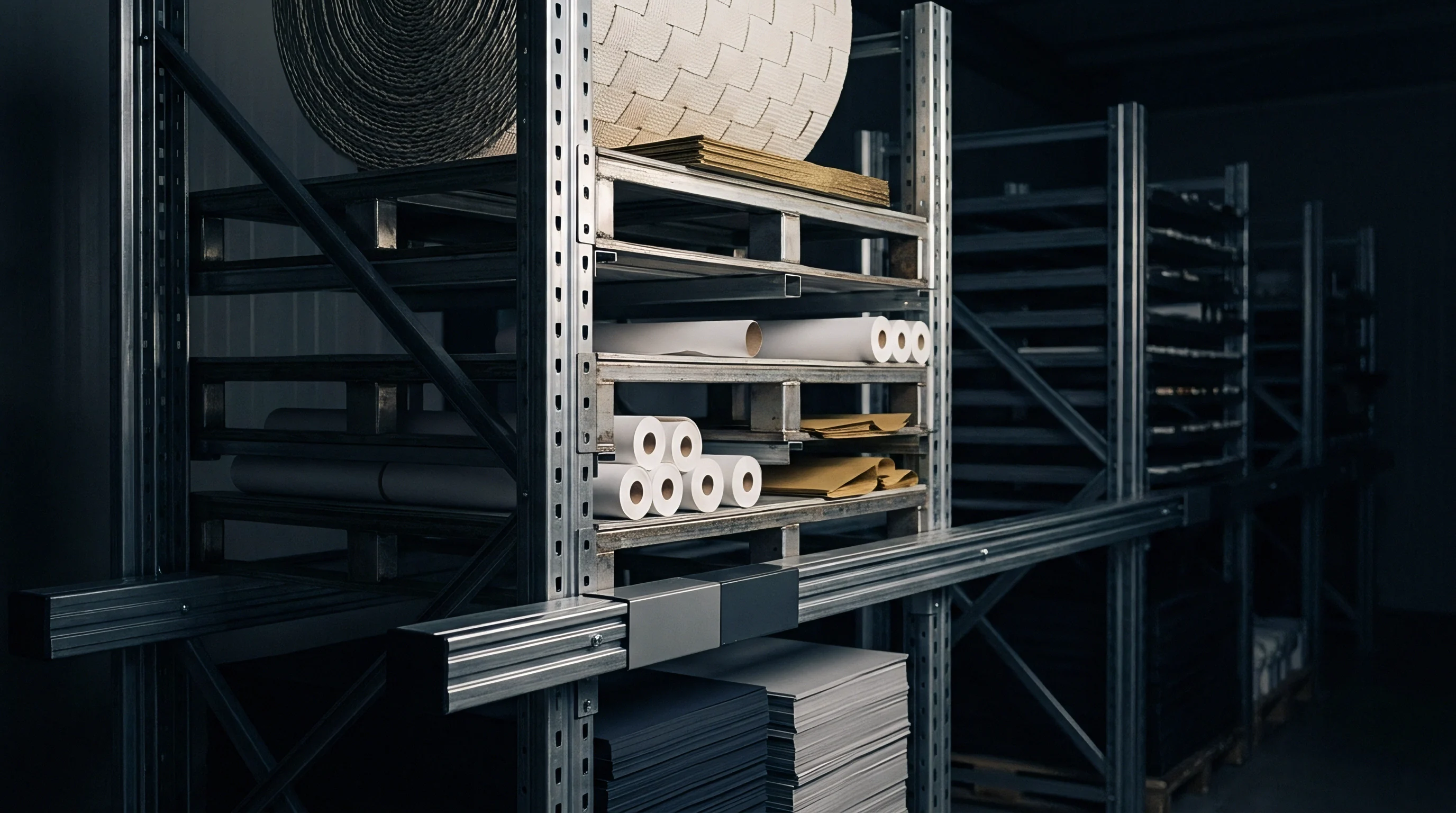
Purge Mechanics and Transition Volume Calculation
A rigorous purge calculation determines the precise moment the master roll winder begins producing certified board. Let Vw represent the total liquid volume of the short recirculation loop, including the headbox approach piping, white water silo, cleaners, deaerator, and screen rejects. In a mid-sized machine, Vw averages 350 cubic meters.
Running at a net flow rate Q of 70 cubic meters per minute through the headbox slice, the loop retention time equals five minutes. Achieving three full volumetric displacements takes fifteen continuous minutes of production after stock valve changeover.
During these fifteen transition minutes, all paper formed on the wire constitutes transition furnish. Finishing winders slit and mark these rolls as non-certified stock. Slitters drop this transition tonnage onto roll reject conveyors leading to external sales or non-claim corrugated medium machines.
Machine operators record the exact reel turn-up timestamp in the enterprise manufacturing execution system, linking certified roll identification numbers solely to reels turned up after the transition duration has expired.
- Flush Phase Logging registers the precise start and end times of stock chest drainage, providing digital proof of complete evacuation prior to certified pulp intake.
- White Water Displacement Verification documents three full hydraulic loop displacements through automated flow-meter readings stored in the process historian.
- Transition Roll Rejection routes all material reeled during the flushing window directly to non-certified warehouse racks via automated conveyor barcode scans.
- Additive System Isolation purges starch cookers, retention aid tanks, and surface sizing supply lines to eliminate fiber carryover within recycled starch loops.
Transition board produced during the initial fifteen minutes of furnish changeover carries no certification claim and diverts immediately to non-certified inventory.
Surface coating preparation systems present similar contamination routes often overlooked by mill engineers. Size press starches and pigment coating kitchens recycle excess coating run-off back to supply tanks. When switching a coater to a segregated campaign, return screens capture loose surface fibers picked from the base sheet during blade or rod application.
These residual fibers circulate into subsequent coating batches unless the coating preparation line undergoes a chemical wash down and fresh starch cycle prior to the segregated packaging run.
Failure to divert this transitional tonnage results in customs confiscations and severe financial penalties under evolving deforestation due diligence statutes when non-compliant wood fibers show up inside segregated virgin retail consignments.


Railhead
Multi-site supply chains rely heavily on inter-facility transit where intermediate products move from parent pulp mills to specialized satellite paper mills, coating plants, and off-site converting plants. Shifting slush pulp via dedicated pipeline, baled market pulp via railcar, or parent reels via flatbed truck introduces extensive handoffs outside individual mill perimeters. Physical segregation across these external interfaces demands rigorous physical securing, tamper-evident seals, and unalterable shipping paperwork linked to individual production batches.
Baled pulp shipments leaving a multi-site pulp facility travel in boxcars or curtain-side trailers. Each bale unit carries barcoded strapping tags identifying the pulp mill site code, machine line, batch number, and chain of custody claim code. Transport carriers must inspect railcar interiors for wood splinters, residual mineral dust, and uncertified pulp debris from prior freight contracts before loading segregated virgin pulp units.
Loading checklists sign off on railcar deck cleaning, floor lining with poly-coated craft liner, and moisture barrier integrity.
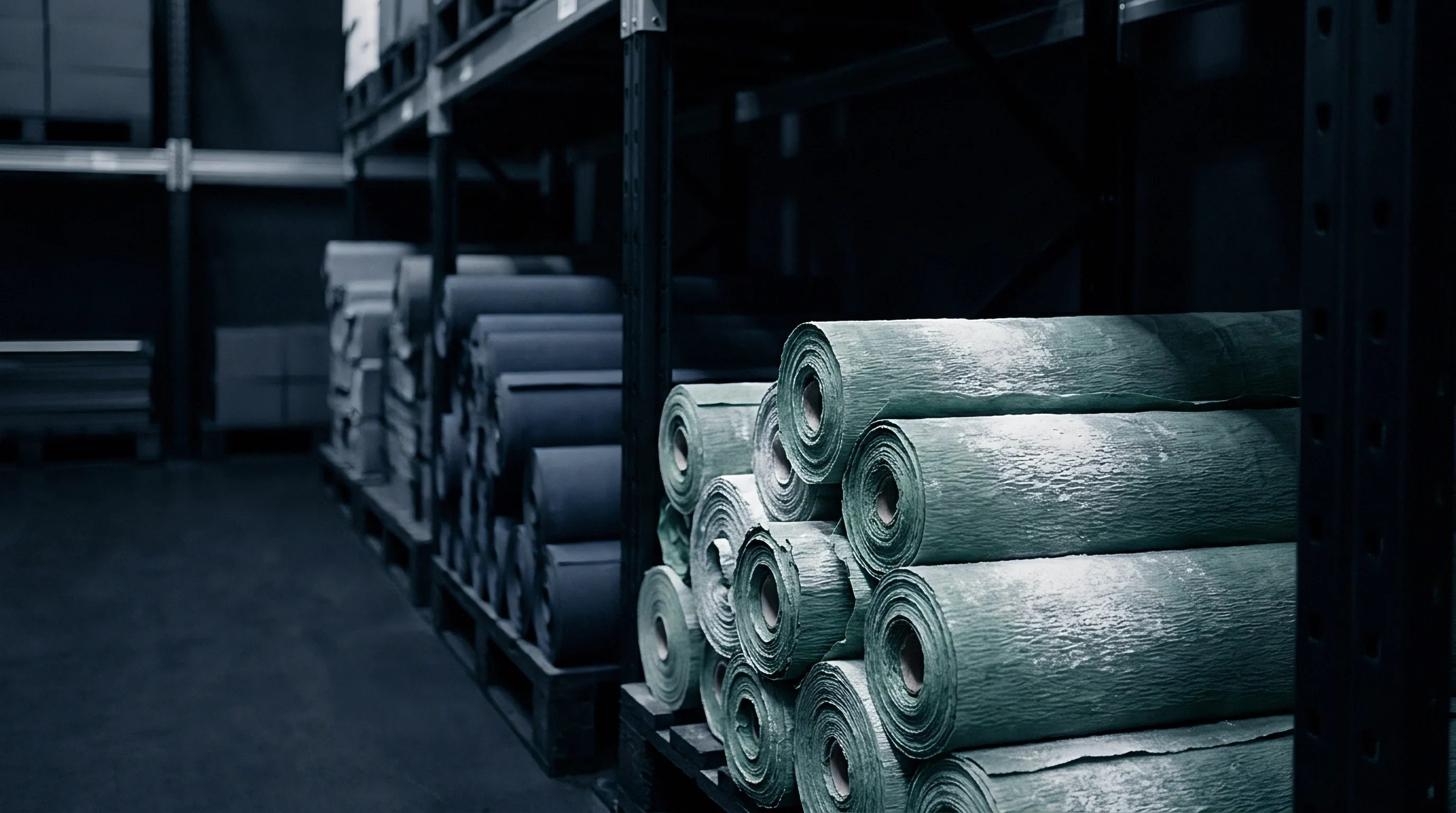
Are Cross-Docking Facilities Capable of Maintaining Physical Identity?
Cross-dock operations and intermodal railheads manage thousands of freight units daily, creating extreme risks of batch swapping. When roll stock moves through intermediate cross-docks, clamp truck handling often tears paper wrapping, exposing roll edges and damaging barcode labels. If an operator replaces a damaged roll label with a manually printed tag, typographical errors can misidentify a segregated virgin liquid packaging board roll as standard cupstock, invalidating the supply chain chain-of-custody link.
Multi-site enterprise resource planning systems track parent rolls using serialized global individual roll numbers. Upon departure from Mill A, the rail bill of lading carries the discrete reel numbers, total weight, and explicit certification claim. Mill B receives the train, scans every roll barcode at the railhead siding, and cross-references the scanned IDs against the digital advanced shipping notice.
If a single roll barcode fails reconciliation, that specific roll quarantine holds until physical core verification proves its parent batch pedigree.
| Transport Mode | Physical Interface | Primary Contamination Failure | Containment Mechanism | Audit Proof Requirement |
|---|---|---|---|---|
| Rail Boxcar | Baled Market Pulp | Residual bulk cargo dust and loose floor debris | Poly-coated kraft lining and pre-load sweep sign-off | Signed car cleaning log with inspection timestamp |
| Flatbed Truck | Parent Board Reels | Tarpaulin tear admitting road grime and rain moisture | Multi-layer heavy stretch film wrap with core plugs | Gate arrival physical inspection report |
| Slush Pipeline | Pulp Slurry Transfer | Inadvertent blending via valve interconnects | Blind flanges installed on parallel uncertified inputs | Piping isometric inspection records |
| Container Ship | Palletized Sheet Stock | Container roof leakage and improper dunnage collapse | Desiccant installation and air-bag bracing checks | Container loading survey and tamper seal manifests |
Inter-mill slush pipelines represent an efficient yet vulnerable transit mode between co-located or closely situated facilities. A six-kilometer pipeline transporting bleached virgin kraft pulp at three percent consistency contains hundreds of tonnes of dry fiber in transit at any moment. Transferring segregated pulp through a common pipeline demands that the shipping mill execute pipeline water displacement pigging or pump a calibrated water slug between certified and standard pulp batches.
Acoustic pig detectors and mass flow meters at the receiving mill verify that the interface slug routes to a drainage chest before pulp diverts into the satellite mill segregated storage silo.
Commercial transport agreements place all financial liability for lost certification status on the logistics provider if tamper-evident cable seals on railcar hasps show evidence of interference upon arrival at the satellite paper machine terminal.

Lading
The operational integrity of physical segregation culminates in the precise execution of transactional documentation and warehouse batch governance. While physical gates, flushing procedures, and locked flumes prevent mechanical blending, chain of custody compliance collapses if sales invoices and shipping dockets fail to carry the formal claim structure mandated by scheme rules. Under FSC-STD-40-004 and PEFC ST 2002, an invoice line missing the exact certification code nullifies the claim for downstream buyers, regardless of the physical purity of the board sitting on the press room floor.
Enterprise resource planning systems operating across multi-site mills require automated claim allocation rules. When a sales order calls for FSC 100% or PEFC 100% Segregated solid bleached sulfate board, the system interrogates finished goods warehouse inventory. Only pallets or rolls flagged with validated segregated genealogy within their unique barcodes qualify for automated pick-list generation.
Warehouse staff scanning a roll from an uncertified run or a credit-system percentage run trigger an immediate terminal block, preventing the forklift operator from staging that unit for loading.
Invoice Governance and Chain of Custody Validation
Shipping documentation must align across the purchase order, packing list, bill of lading, and commercial invoice. The formal certification claim must appear directly on the line item describing the physical material. Multi-site group certificates designate central administrative offices that oversee invoice compliance.
If Mill C issues an invoice showing an expired site sub-code or omits the explicit claim text FSC 100%, the material loses its segregated standing the moment the buyer accepts the document.
- Verify that the multi-site certificate remains marked as active on the public international database before executing freight tenders.
- Check that every dispatch document contains the specific site sub-code tied directly to the converting or packaging facility where the physical board was cut and wrapped.
- Audit warehouse pick-lists against enterprise resource planning batch master tables to confirm that the material origins link exclusively to unmixed virgin pulping runs.
- Ensure the commercial invoice explicitly states the formal scheme claim on the specific product line item rather than as an ambiguous footer disclaimer.
Packaging buyers handling high-value regulatory requirements, such as food-contact paperboard subject to strict migration testing and verified zero-deforestation mandates, face severe exposure if documentation fails. Paperboard produced under physical segregation guarantees that fiber traces isolate completely from uncontrolled harvest zones or reclaimed recycled stocks contaminated with mineral oil saturated hydrocarbons. When an import declaration lists segregated virgin board, customs authorities examine the bill of lading and mill batch analysis to verify physical traceability back to registered forest blocks.
Auditors regularly discover clerical discrepancies where multi-site groups mistakenly apply percentage claims to physically segregated runs, or conversely, print segregated claims on paperboard manufactured using credit accounts. A buyer purchasing packaging board against a premium segregated specification verifies every certificate code and invoice claim line before authorizing raw material release to the printing presses.
When physical segregation systems fail during a multi-site production run, does the financial write-down fall upon the raw material procurement group or the operations unit that executed the batch switchover?