Cogeneration Fuel Mix Allocation Variance in Multi Mill Recycled Containerboard Contractual Pass through Accounting
Unverified multi-mill energy pooling inflates containerboard costs by allocating group-wide fossil fuel spikes to efficient biomass-driven machine runs.
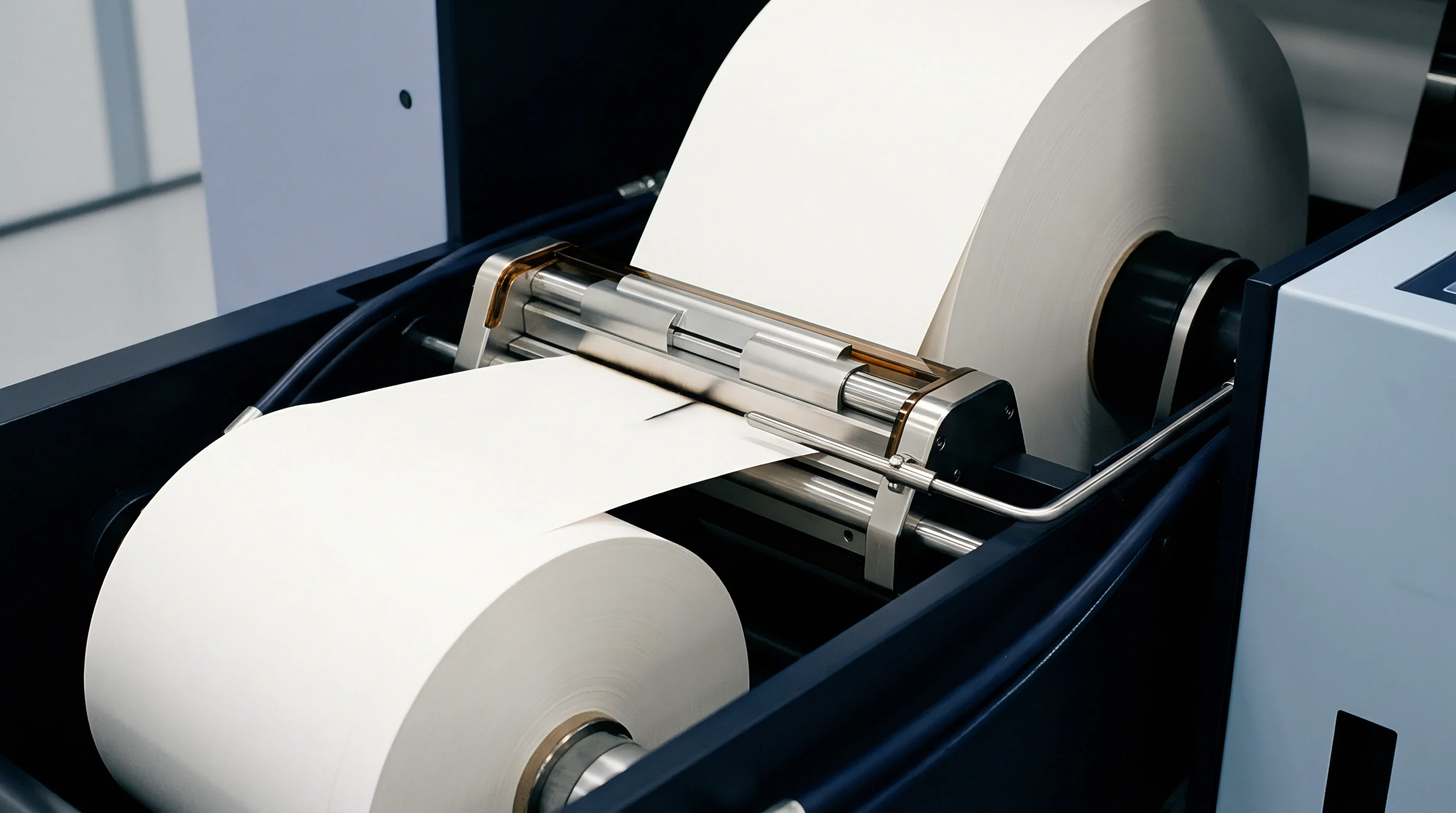

Allocation
Purchasing recycled containerboard under indexed energy pass-through agreements exposes packaging converters to internal mill fuel distribution mechanics. Mill groups running combined heat and power systems across multiple manufacturing assets routinely aggregate biomass, natural gas, recovered biogas, and purchased grid electricity into regional cost pools. Fuel mix volatility alters sheet pricing.
Energy billing adjustments reflect composite utility tariffs rather than the isolated thermal consumption of the specific paper machine manufacturing the delivered testliner or fluting. Recycled furnishes demand heavy steam loads.
The inclusion of an unverified multi-mill fuel equalization clause shifts external grid volatility directly onto converted board invoices.
When a containerboard producer balances energy expenses across an integrated asset base, discrepancies emerge between actual machine-level energy consumption and the contractually invoiced energy surcharge. Modern recycled paper machines running lightweight fluting at high speeds utilize optimized press sections and closed hood heat recovery, drawing minimal steam per ton of net output. Older machines producing heavyweight liners require higher specific drying energy.
Group-level fuel allocations blend the thermal inefficiencies of older boilers and high-cost peak gas generation into the billing base of efficient assets.
- Specific Enthalpy Apportionment assigns boiler heat output based on enthalpy consumption per grade rather than gross machine running hours.
- Fuel Mix Weighting calculates pass-through adjustments using the exact combustion ratio of biomass to natural gas consumed during the actual production window.
- Parasitic Load Isolation separates base auxiliary electrical demands of idle pulp preparation equipment from the active converting run.
- Cross-Asset Averaging aggregates high-cost auxiliary boiler operations from legacy facilities into the base energy charge of modern containerboard lines.
Standard master supply agreements frequently incorporate clause structures that tie invoice adjustments to gross mill-wide utility ledger reconciliations without isolating the physical fuel mix powering the specific paper machine during the manufacturing cycle.
Grate
Solid fuel combustion on circulating fluidized beds and vibrating grates generates base-load steam across large recycled containerboard operations. Bark, wood waste, and deinking sludge provide inexpensive thermal energy. Boiler efficiency drops under wet bark.
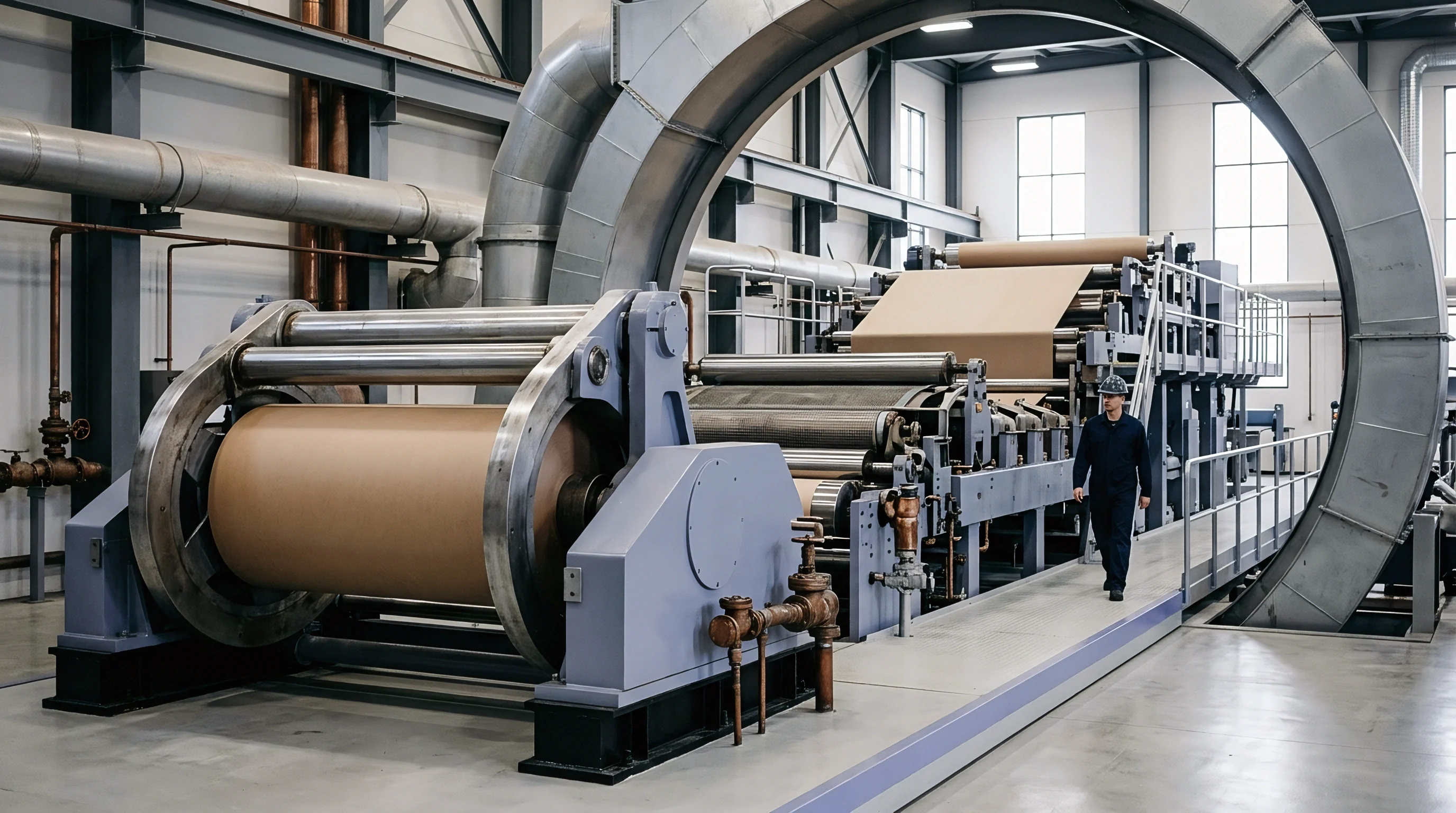
Do Dual-Fuel Assets Distort Shared Steam Allocations?
Secondary gas burners activate whenever solid biomass moisture spikes or waste furnish quality swings require rapid boiler response. Natural gas costs significantly exceed solid biomass expenses on a per-gigajoule basis. Shared header systems route this mixed-origin steam to both packaging paper machines and external power generation turbines without real-time fuel tracking.
| Fuel Type | Moisture Content (% wet basis) | Lower Heating Value (MJ/kg) | Boiler Thermal Efficiency (%) | Effective Steam Cost (EUR/GJ) |
|---|---|---|---|---|
| Hogged Wood Waste | 45.0 to 52.0 | 8.50 to 9.80 | 68.5 | 4.20 to 5.10 |
| Effluent Treatment Sludge | 58.0 to 65.0 | 4.10 to 5.20 | 54.0 | 2.80 to 3.50 |
| Natural Gas (High Pressure) | 0.0 | 46.50 to 48.00 | 91.5 | 14.80 to 18.50 |
| Biogas (Anaerobic Digester) | 12.0 to 18.0 | 21.00 to 24.00 | 78.0 | 3.10 to 4.20 |
| Refuse-Derived Pellets | 8.0 to 12.0 | 16.50 to 18.00 | 80.5 | 6.40 to 7.80 |
Packaging buyers encounter supply chain reports where mills attribute ninety percent renewable biomass fuel to commercial board orders while passing through peak natural gas rate variances on monthly billing statements. When questioned regarding this divergence, mill commercial desks state that thermal volatility on the main steam header mandates continuous high-cost hydrocarbon balancing that applies uniformly across every ton shipped from the corporate group.

Enthalpy
Steam consumption inside the dryer section depends on web solids content leaving the press nip and the refining degree of the recycled furnish. Fiber swelling retains water tenaciously. Sheet drying consumes massive enthalpy.
Recycled testliner requires 1.45 megawatt-hours of combined thermal enthalpy per metric tonne dried at eight percent reel moisture under ISO 287 conditions.
High-recycled-content fluting requires extended mechanical refining to restore fiber bonding properties, which elevates water retention value and limits shoe press dewatering efficiency. Freeness drops increase vacuum demand. Heavier basis weights run slower through the dryer section, altering the heat transfer coefficient across the cast iron cylinder shells.
Is Refining Energy Masked in Machine Thermal Baselines?
Mechanical stock preparation draws electrical power for disc refiners while steam headers supply thermal energy to drying cylinders. Energy adjusters track wholesale indices. Allocation models that fail to measure mass flow and pressure drop at machine-level isolation valves create arbitrary fuel surcharges across contrasting basis weight runs.
- Furnish Refining Intensity increases wet-end fiber hydration and forces higher steam consumption in the initial dryer battery.
- Shoe Press Dewatering elevates incoming dry solids to forty-eight percent, reducing specific evaporation demand per ton.
- Condensate Recovery Efficiency returns sensible heat to the feedwater economizer, lowering raw boiler fuel requirements.
- Hood Exhaust Recovery captures latent heat of vaporization for hall heating and pocket ventilation air preheating.
Heavier basis weights drawn through slower press sections consume disproportionate boiler output relative to nominal machine output ratings.
Fibers subjected to repeated recycling cycles retain higher bound water volumes that resist mechanical expression in the press section, increasing the steam required per unit mass of finished containerboard.

Ledger
The contractual variance calculation governs how monthly fuel mix swings translate into net paper prices per ton. Orifice meters verify steam flow. Accounting ledgers obscure boiler inefficiencies.
Consider a standard delivery model where a converter sources 5,000 metric tons of 140 gsm recycled testliner monthly from a producer operating three mills. Mill A operates a biomass boiler with auxiliary gas. Mill B runs a gas turbine combined-cycle system.
Mill C operates an aging pulverized coal unit retrofitted for refuse fuel. The contractual baseline sets energy costs at 1.20 GJ of natural gas and 4.80 GJ of biomass per ton of finished board.
| Asset Location | Monthly Output (Tonnes) | Actual Gas Use (GJ/t) | Actual Bio Use (GJ/t) | Actual Energy Cost (EUR/t) | Invoiced Blended Rate (EUR/t) | Net Allocation Variance (EUR) |
|---|---|---|---|---|---|---|
| Mill A (Dedicated Line) | 2,500 | 0.45 | 5.80 | 37.24 | 46.85 | +24,025.00 |
| Mill B (Combined Cycle) | 1,500 | 3.80 | 1.20 | 68.10 | 46.85 | -31,875.00 |
| Mill C (Legacy Refuse) | 1,000 | 1.10 | 5.10 | 42.20 | 46.85 | +4,650.00 |
| Total / True Average | 5,000 | 1.58 | 4.28 | 47.50 | 46.85 | -3,200.00 |
In this operating scenario, the packaging buyer receiving paper exclusively from Mill A pays a blended fuel surcharge driven upward by the high gas consumption of Mill B. Split meters isolate specific machine draws. Heavier fluting slows the machine. The corporate group allocates fuel costs across total tons produced rather than tracing fuel consumption to specific machine assets.
Shared header systems without dedicated sub-metering allow mills to blend low-efficiency recovery line costs into commercial containerboard energy billings.
Failure to audit machine-specific fuel receipts results in packaging converters absorbing thirty to fifty euros per ton of phantom energy expenses during periods of regional natural gas market volatility.

Remedy
Eliminating multi-mill fuel mix variance leakage requires contractual alignment with physical machine inputs. Buyers insert verification mechanisms directly into term supply agreements before signing annual volume commitments. Unchecked variances dilute contract margins.
Clear contract terms prevent billing friction.
- Sub-Metered Machine Boundaries establish thermal and electrical audit perimeters isolated to the specific paper machine producing the contracted grade.
- Fuel Receipt Reconciliation ties pass-through charges directly to audited delivery manifests for biomass, natural gas pipeline invoices, and grid settlement sheets.
- Exergy-Based Steam Pricing replaces simple mass allocation with thermodynamic enthalpy equations reflecting usable steam quality at the machine dryer manifold.
- Index Formula Ringfencing restricts natural gas price pass-throughs to a fixed ceiling percentage of the total grade manufacturing cost.
Does the corporate multi-mill energy pool provide sufficient cost transparency when sister machines within the group shift from base-load packaging production to seasonal specialty paper runs?