
Paperboard Recycled Content Chain of Custody Verification Basics
Paperboard recycled claims require matching chain of custody certificates, mass balance ledger reconciliation, and certified converter invoices.
Paperboard recycled claims require matching chain of custody certificates, mass balance ledger reconciliation, and certified converter invoices.

Conversion factor calculations for multi-ply boxboard ledger balances demand ply-separated dry furnish accounting to isolate mechanical core broke from virgin liners.

Substantiating packaging recycled content claims requires reconciling mass balance ledger credits with physical chemical marker test results to withstand European Union border enforcement audits.

Verifying imported packaging compliance requires auditing chemical migration reports, chain-of-custody scopes, and declarations of conformity before customs clearance.
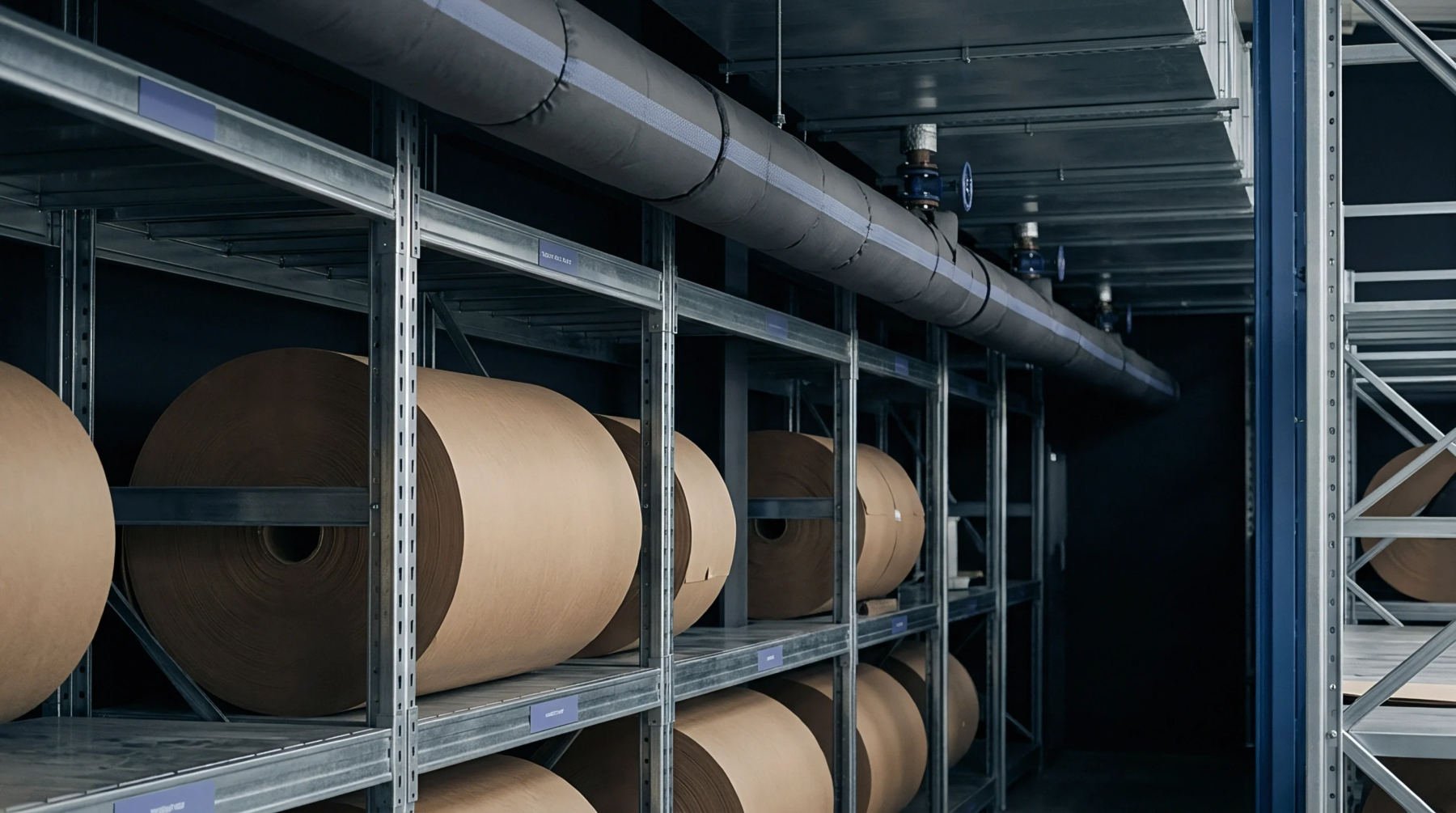
Public scope schedule verification requires matching board product categories and claim systems on official registers to downstream delivery notes.

Automated API ledgers substantiating explicit claims via cryptographically signed JSON-LD payloads protect packaging buyers from fines under EU Green Claims Directives.

Recycled paperboard verification requires valid chain of custody certificates, mass balance ledgers, and lab migration test reports to clear retail compliance.

Importers avoid packaging claim penalties by mandating batch-specific laboratory test reports and contractual indemnities prior to customs border entry.
Finished packaging claims demand independent home compostability certification because industrial resin testing excludes ambient degradation and converting inks.

Multi-site credit allocation frameworks survive regulatory green claim enforcement only when central ledgers continuously reconcile virtual draws against verified site yields.

Verify mill test certificates against ISO 2859 sampling on arrival; static swatches omit deckle variance, transit moisture creep, and food migration risks.

FSC and PEFC prove auditable timber origin and mass-balance fiber accounting; they do not prove food safety, chemical purity, repulpability, or EUDR compliance.

Verify mass balance claims by auditing dry-fiber yield calculations, credit window expiry dates, and scope lines before printing claims on packaging.

Moving certificate risk onto suppliers requires contract clauses that link claim validity to invoice codes, batch migration reports, and full indemnity for border holds.
Expertise is a utility, not a secret. sentiention™ publishes its working knowledge as open reference: intelligence layer covering the materials it sources, the markets it enters, and the reference that serves both.