Fibre Provenance
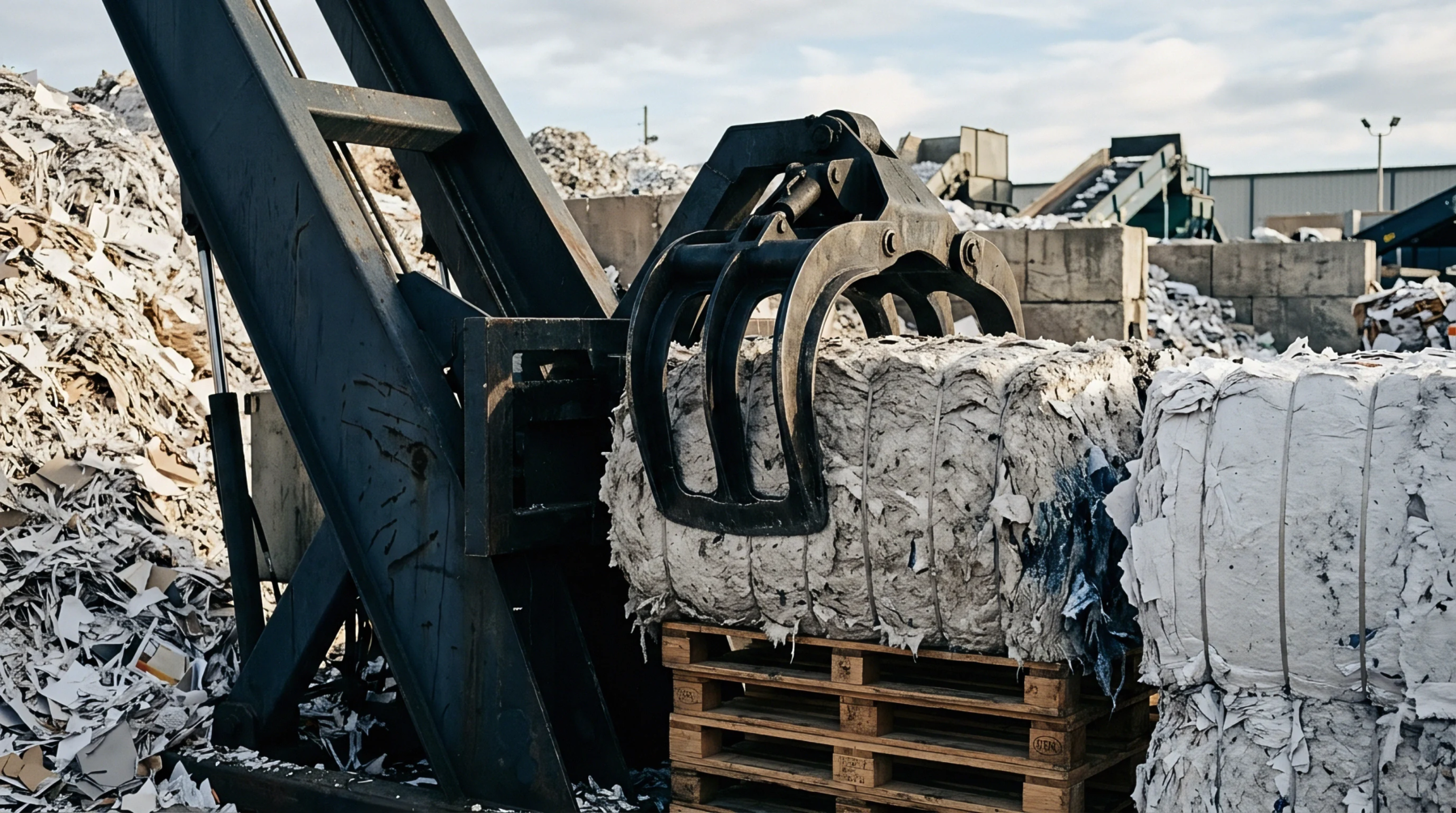
Post-consumer recycled content denotes the specific weight proportion of recovered cellulose fibre originating exclusively from discarded household packaging or office paper streams diverted before municipal disposal sites. Mill auditors measure this recovered proportion against the total dry weight of the substrate batch during pulping runs. The parameter applies strictly to discarded end-user goods rather than manufacturing scraps returned directly to the machine chest.
External certification bodies verify the unbroken chain of custody from sorting facilities to the hydrapulper inlet. Regulatory compliance demands exact documentation because deviations compromise both food contact clearances and structural tensile specifications.
Mechanical Retrogression
Secondary cellulose processing introduces microscopic contaminants that degrade internal bond strength across high-speed printing presses. Recovered fibres exhibit shortened lengths alongside reduced flexibility resulting from repeated drying cycles during prior usage phases. Converting lines must adjust web tension tolerances to prevent web breaks when running substrates containing high proportions of post-consumer recycled content.
Deinking chemicals strip away residual printing inks through flotation cells yet simultaneously weaken the surrounding cellulose matrix. Papermakers compensate for this inherent structural deficit through refined beating curves and surface starch applications applied within the size press section.
Supply Strain
Sourcing sufficient bales of sorted secondary fibre remains subject to volatile municipal collection volumes that fluctuate independently of paper mill production schedules. Purchasing managers negotiate supply agreements across multiple regional sorting facilities to insulate folding carton plants from unexpected shortfalls in raw material availability. Premium sorting standards command higher market prices because manual contamination removal drives up operating expenses for sorting facility owners.
Carton converters absorb these cost variances while maintaining strict caliper consistency across every delivered pallet of finished packaging.