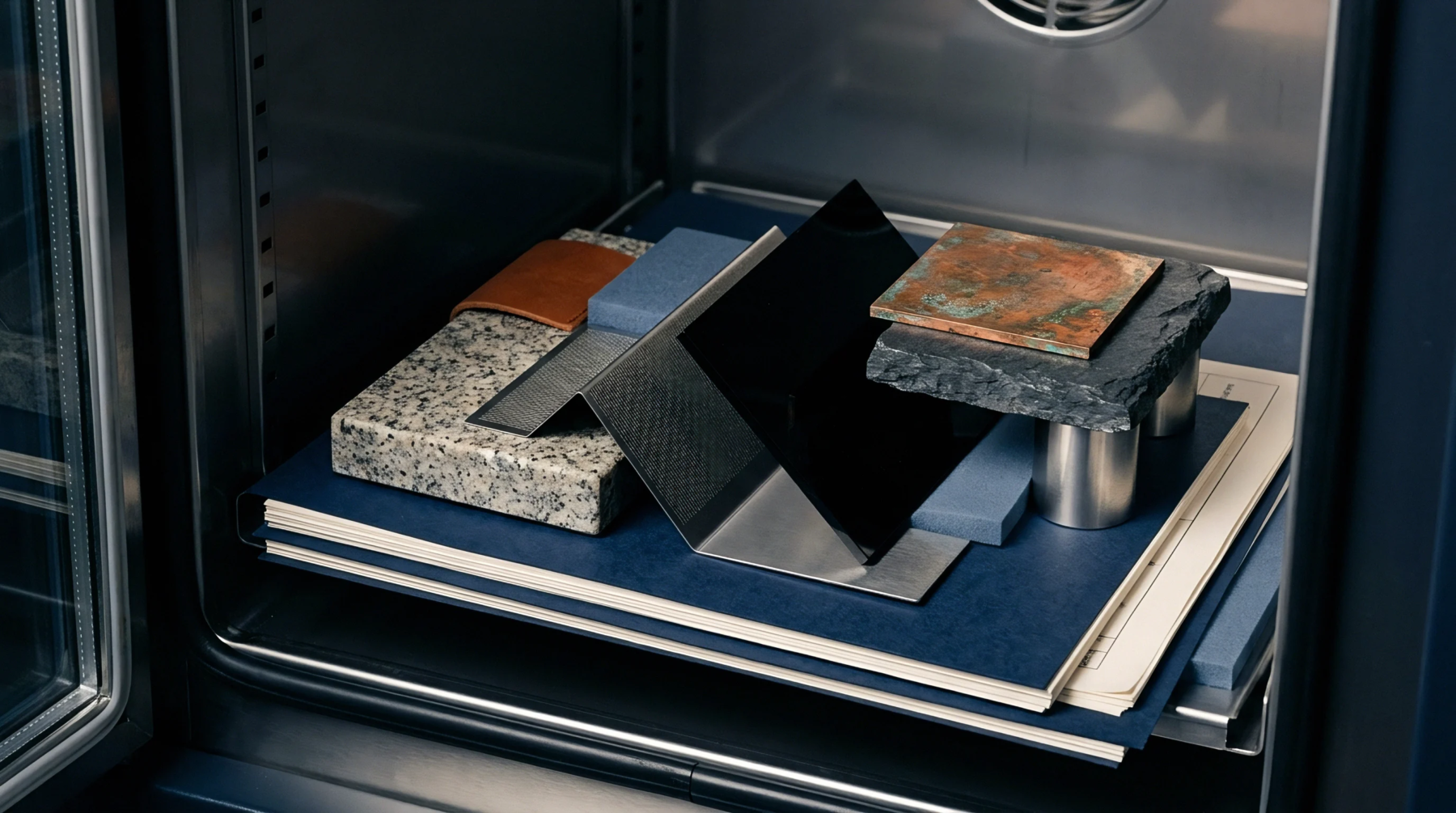
Chemical Boundary
Synthetic polymers used in primary food packaging require analytical verification to quantify the transfer of non-volatile constituents into a stimulant. The en 16723-2 migration protocol mandates specific exposure conditions for methane and other biomethane derivatives intended for injection into natural gas grids. Testing labs measure the mass of substances shifting from the substrate into a liquid or gas phase under controlled temperature cycles.
This procedure defines the safety threshold for materials contacting processed organic waste products.
Analytical Constraint
Total specific transfer limits define how much of an additive, monomer or breakdown product accumulates in the surrounding medium over a fixed duration. Laboratory technicians utilize gas chromatography alongside mass spectrometry to isolate compounds that cross the barrier during storage. Each solvent or stimulant mimics the aggressive nature of the intended contact substance to simulate long-term shelf conditions.
Regulations distinguish between overall limit values and specific limits for individual molecules that pose toxicity risks. Rigorous testing protocols rely on standardized cell surface to volume ratios to ensure consistency across different polymer grades. Proper quantification of these leachables determines the compliance status of flexible packaging films and rigid containers used for sensitive cargo.
System Tolerance
Gas injection infrastructure demands high purity levels to prevent degradation of pipeline interiors or downstream combustion equipment. Minimal residue levels ensure that impurities from the manufacturing process do not exceed the capacity of filters to remove them before final delivery. Consistent adherence to these thresholds prevents the accumulation of polymer fragments that could foul sensitive pressure regulation hardware.
Regular monitoring of the output stream protects the structural integrity of the national grid.