Protective Layer
Polymer films applied to paperboard in a molten state prevent the transmission of moisture, grease, or gas through the packaging. Within converted packaging, an extrusion coating barrier represents the continuous synthetic shield formed when polyethylene or polypropylene is bonded to the fiber substrate. This barrier ensures that the packaged product is protected from environmental humidity while preventing liquid or fat from leaking outward through the container.
Coating Process
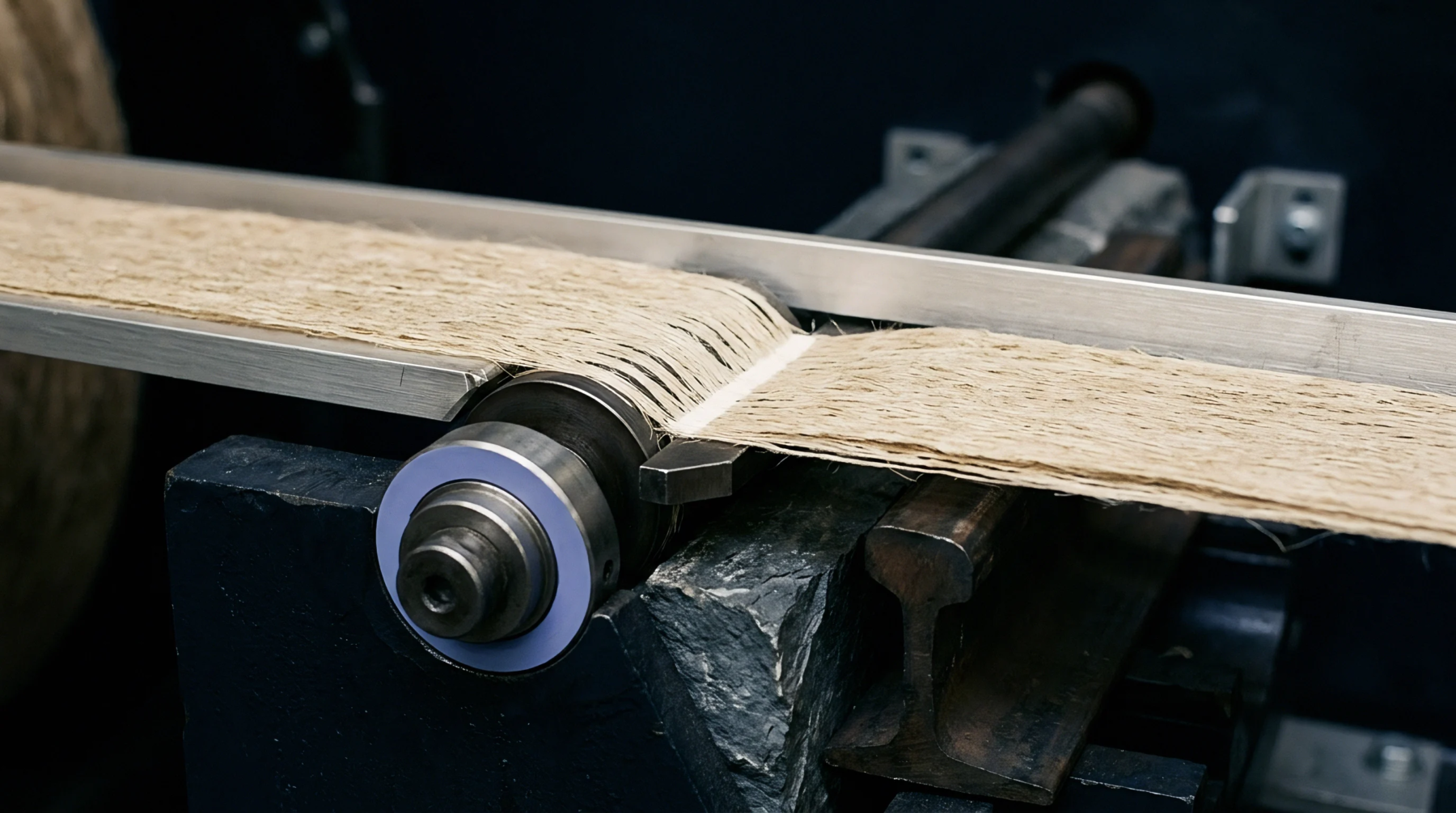
The process begins by melting the plastic resin in an extruder and forcing it through a flat die to create a thin, hot curtain of polymer. This curtain is drawn down into the nip between a chill roll and a pressure roll, where it is pressed against the moving paperboard web. The thickness of the extrusion coating barrier must be controlled to maintain the balance between barrier performance and heat-sealing efficiency.
If the polymer layer is too thin, microscopic voids can form, which allows moisture to penetrate and compromise the structural integrity of the box.
Material Recycling
Modern developments focus on the use of bio-based resins or thin-layer polymers to improve the recyclability of the finished container. This optimization balances the need for robust protection with environmental recovery standards.