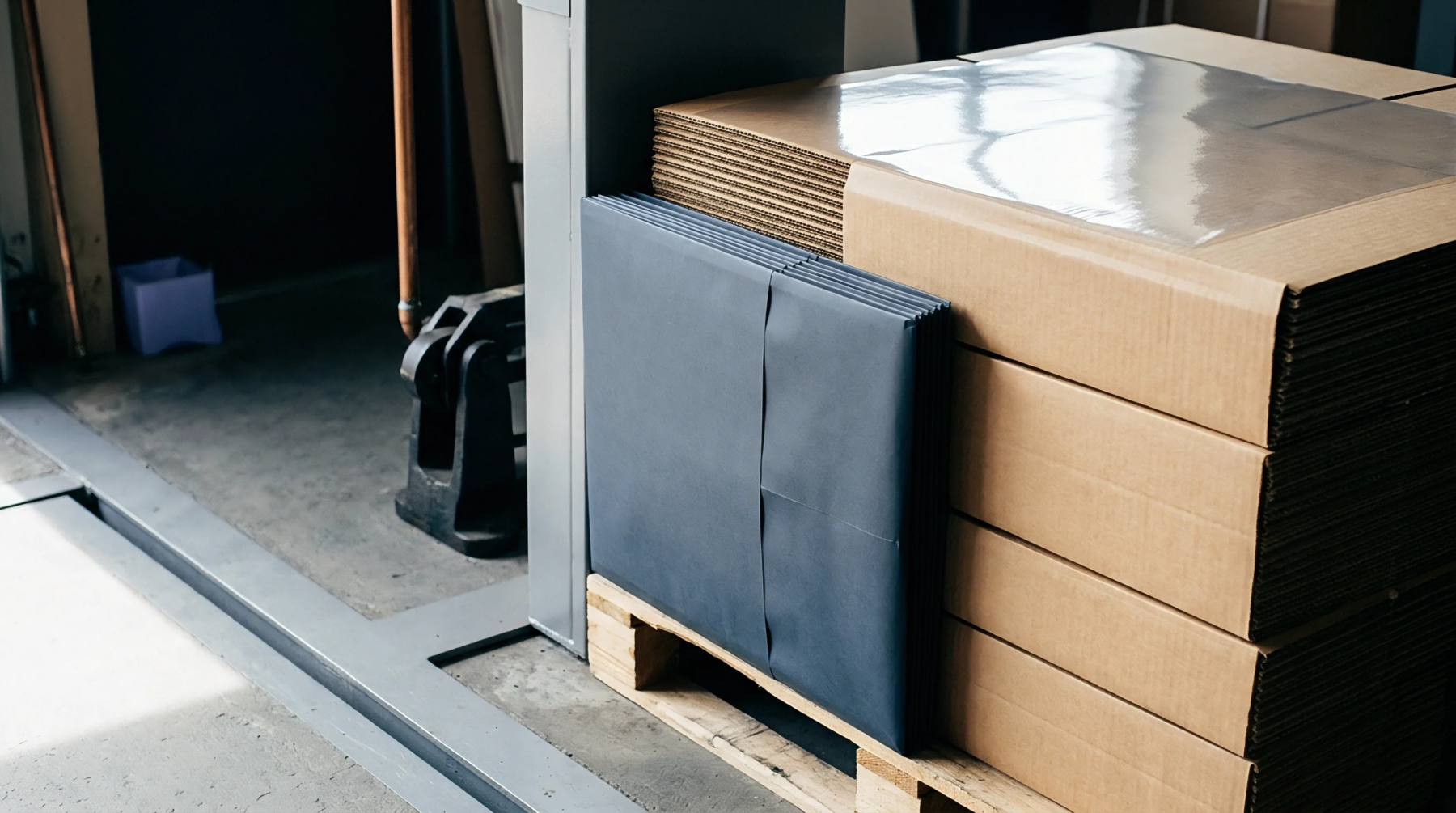
Shipping Density
Mechanical force constraints establish the maximum weight a transport container or pallet configuration bears during transit before structural deformation occurs. This landed load capacity defines the static pressure threshold for packaging materials under prolonged vibration and stacking. Engineering teams identify these limits by analyzing the vertical compression resistance of the primary substrate in relation to the center of gravity of the load.
Failure to account for these limits results in crushed contents or compromised secondary containment.
Substrate Tolerance
Material properties dictate the mechanical threshold for landed load capacity across corrugated board and fiberboard packaging. Mill manufacturers calibrate specific flute profiles and board grades to ensure the crush resistance meets the weight of stacked units in high-density warehouse environments. High-moisture conditions reduce the effective strength of these materials during ocean freight, which lowers the maximum permissible weight.
Converters adjust adhesive types or internal liner structures to mitigate loss of rigidity under sustained force.
Structural Integrity
Rigid packaging systems rely upon the accurate calculation of landed load capacity to preserve the functionality of the contents throughout the logistics chain. Precise weight distribution across the base of the pallet maintains the upright orientation required for automated handling equipment. Proper loading patterns maximize the utility of the available footprint while maintaining the stability of the stack.
Engineering specifications for these loads provide the primary limit against which practitioners test the viability of a new transport design.