
Quantifying Specific Migration Limits in Creased Modified Latex Packaging Matrices
Creasing modified latex barriers creates micro-fissures that accelerate migrant diffusion, requiring strain-matched polymer selection and standardized cell testing.
Creasing modified latex barriers creates micro-fissures that accelerate migrant diffusion, requiring strain-matched polymer selection and standardized cell testing.

Aqueous dispersion coatings require high carboxyl content and precise Tg control to fragment into screenable flakes rather than tacky micro-stickies during pulping.
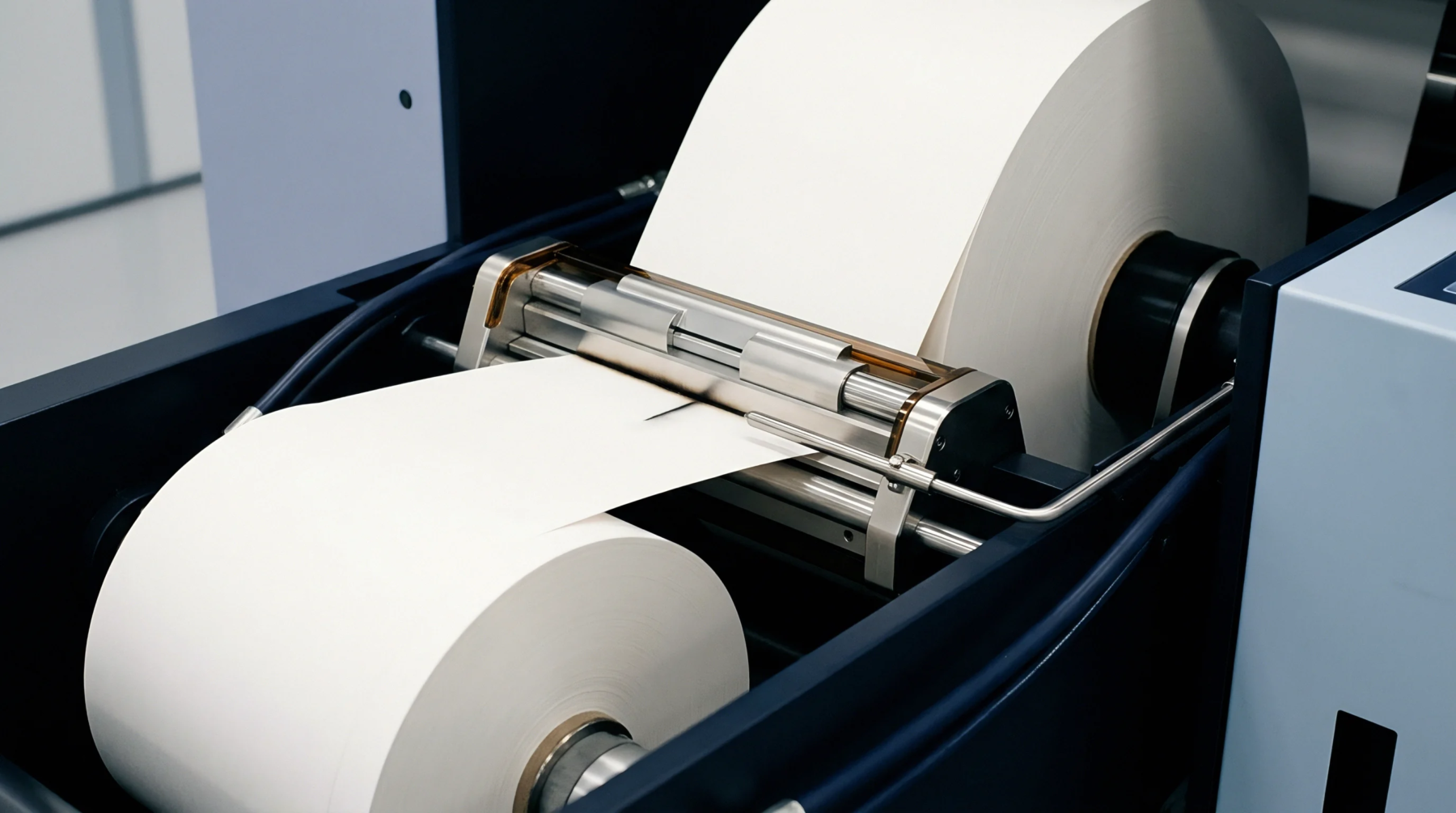
Functional barrier coat weight and thermal stability determine high-temperature hydrocarbon vapor migration limits in recycled paperboard food packaging.

Aqueous dispersion barrier boards outperform extruded polyolefins by delivering over 95 percent wet end fiber yield and avoiding heavy EPR penalties.

Verifying imported packaging compliance requires auditing chemical migration reports, chain-of-custody scopes, and declarations of conformity before customs clearance.
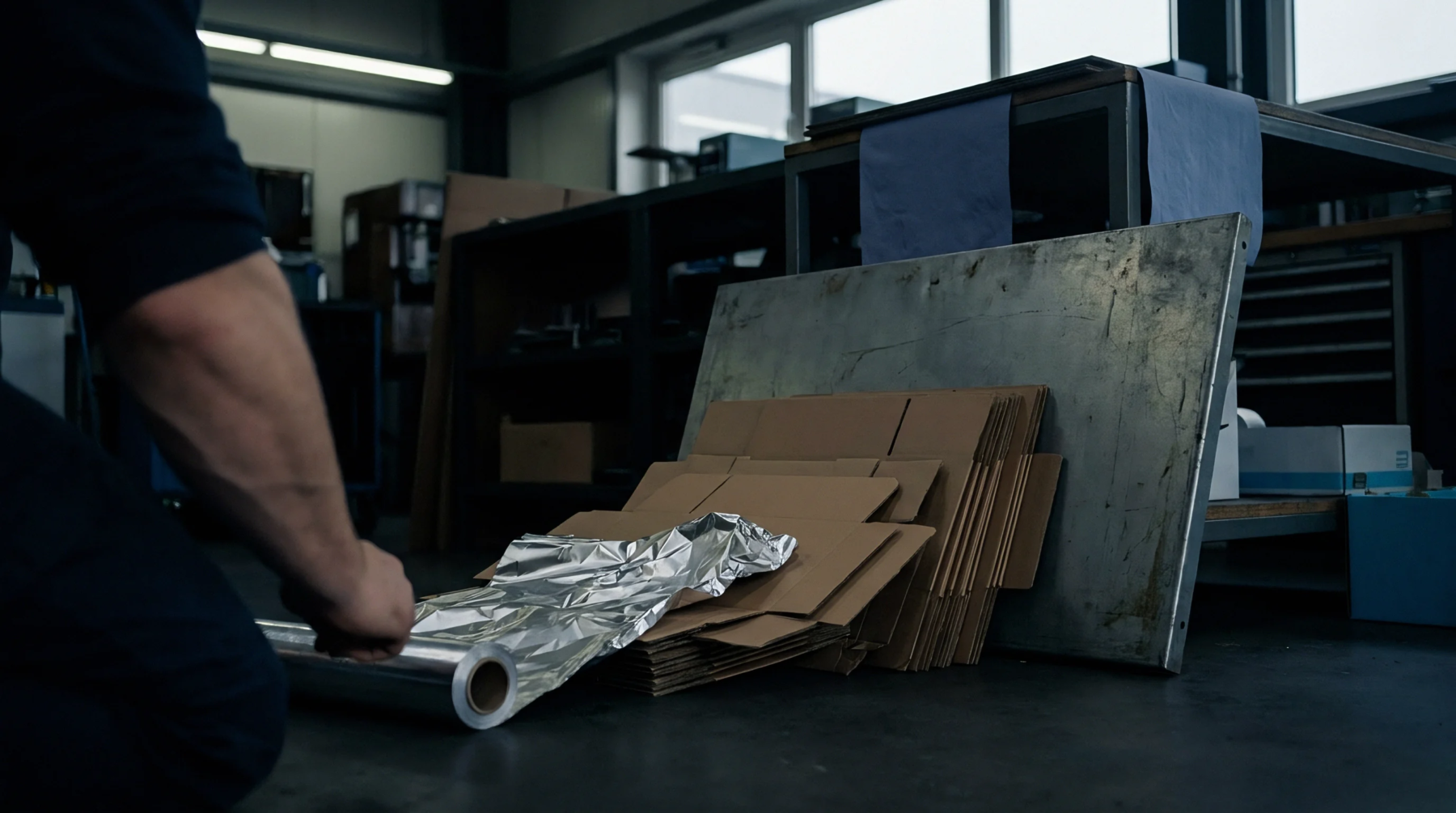
Coupling non-linear moisture diffusivity with GAB sorption models provides accurate microfibril barrier shelf-life qualification under humid transport conditions.

GAB isotherm modeling parameterizes microfibril monolayer saturation, identifying plasticization thresholds to qualify moisture barrier paperboard under PPWR and food contact rules.

Single-sided plastic lamination causes heavy converting scrap and triggers severe EU EPR eco-modulation tariffs when plastic film mass exceeds 5 percent.

Polypropylene lamination crease failure is prevented by expanding female matrix channel width to one point seven times board caliper plus rule thickness.
Expertise is a utility, not a secret. sentiention™ publishes its working knowledge as open reference: intelligence layer covering the materials it sources, the markets it enters, and the reference that serves both.