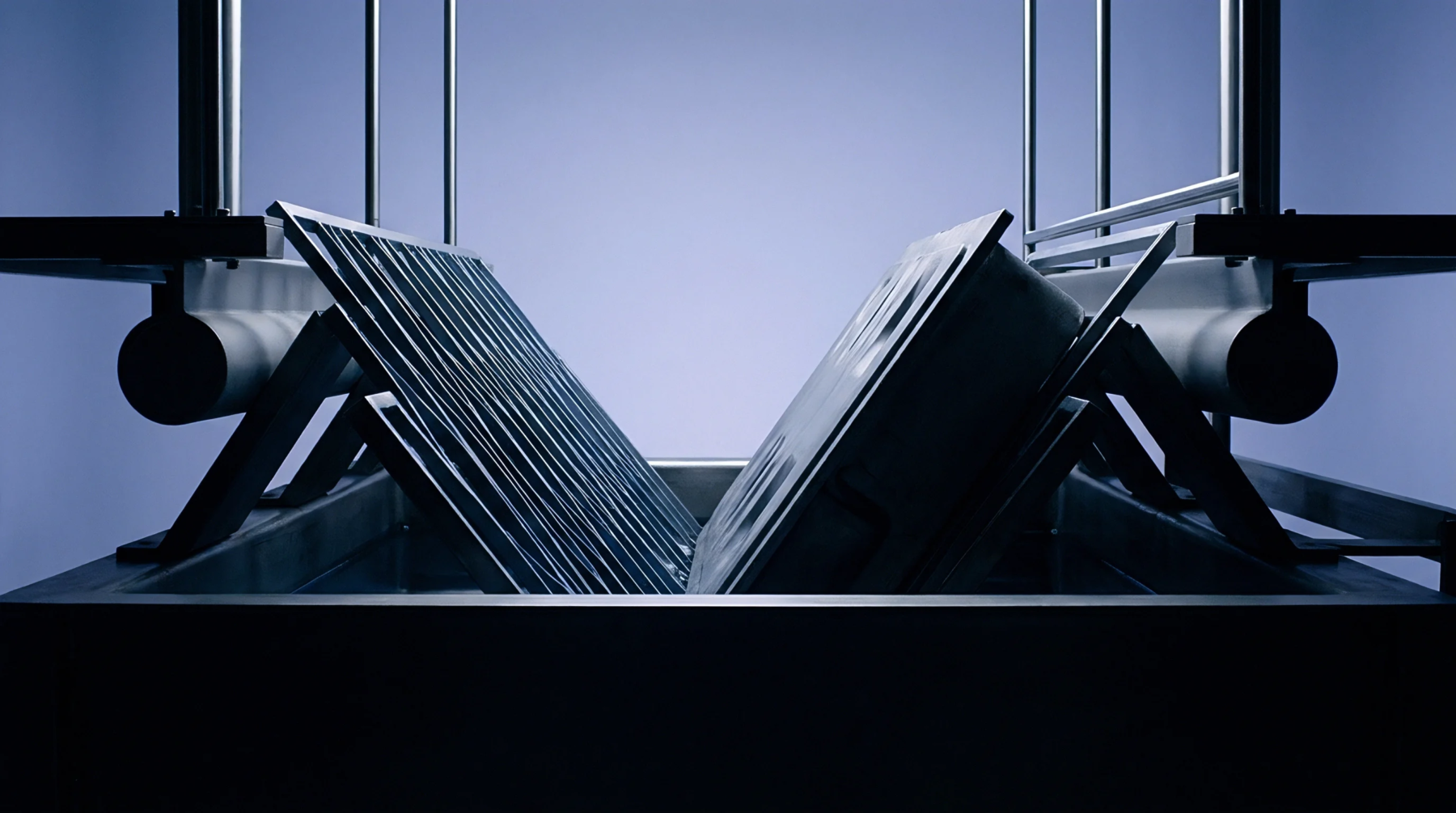
Paperboard Crease Mechanics and Barrier Coating Strain Limits
Crease groove depth controls barrier strain limits; precise female matrix sizing prevents coating micro-cracking and maintains regulatory migration resistance.
Crease groove depth controls barrier strain limits; precise female matrix sizing prevents coating micro-cracking and maintains regulatory migration resistance.

Aqueous barrier board selection requires balancing Cobb and WVTR specs against laboratory repulpability mass yields above 85 percent to minimize EPR eco-tariffs.
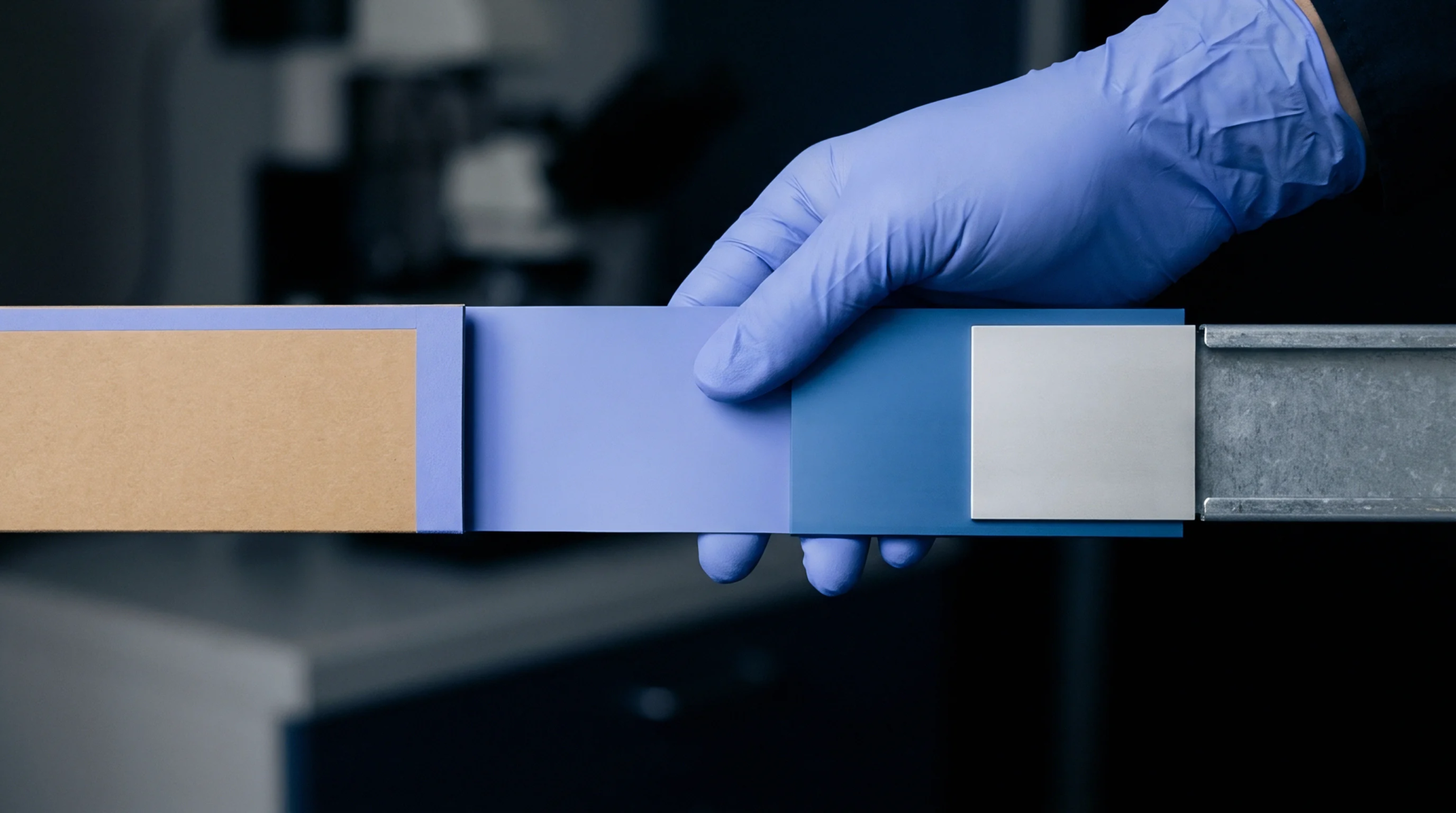
Laboratory physical testing of paperboard proves packaging structural compliance, verifies technical specifications, and prevents import liabilities.
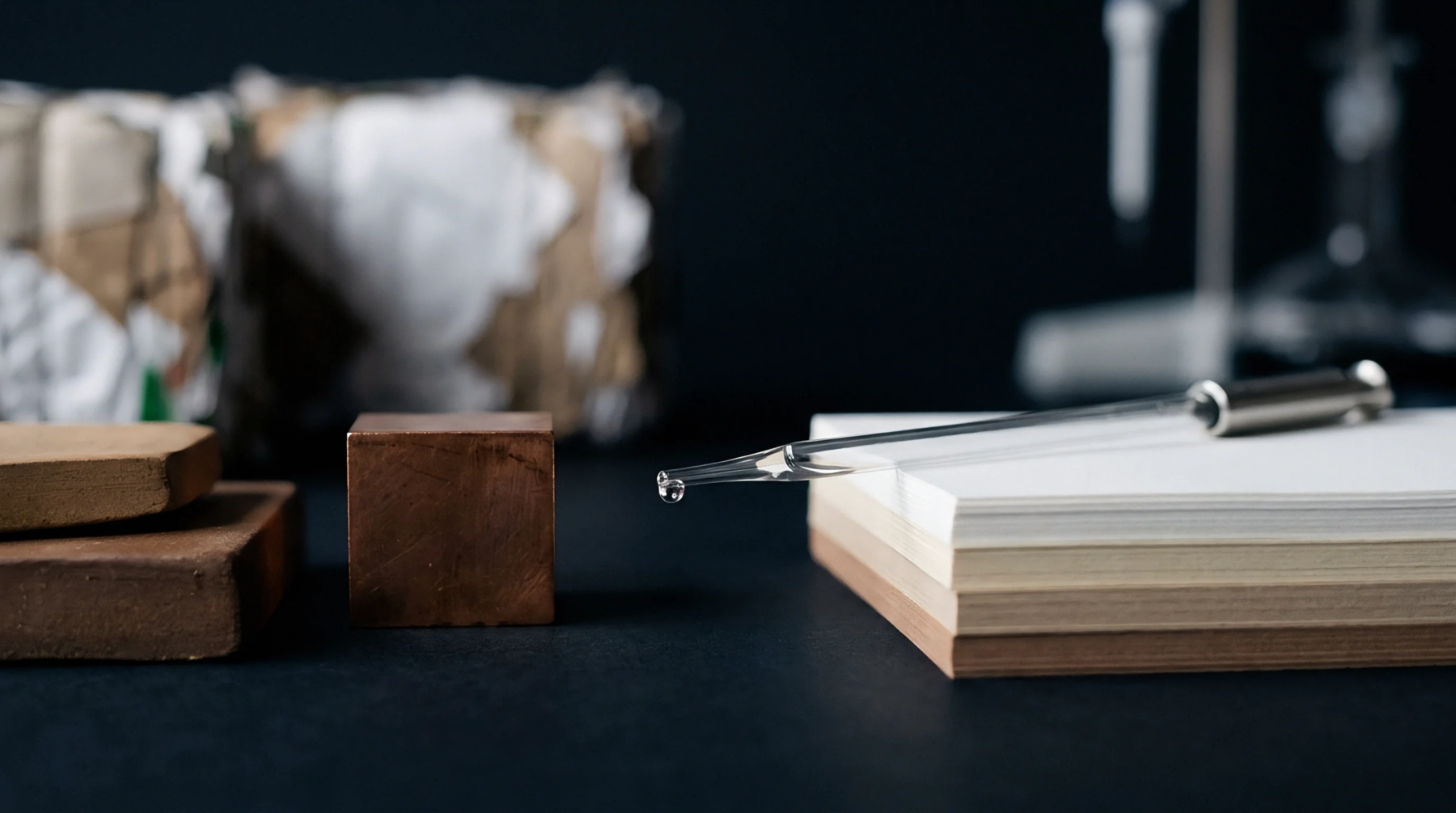
Dynamic surface tension exceeding 38 mN/m at 10 ms causes air entrainment and pinholes in high-speed barrier coatings, ruining water and grease resistance.
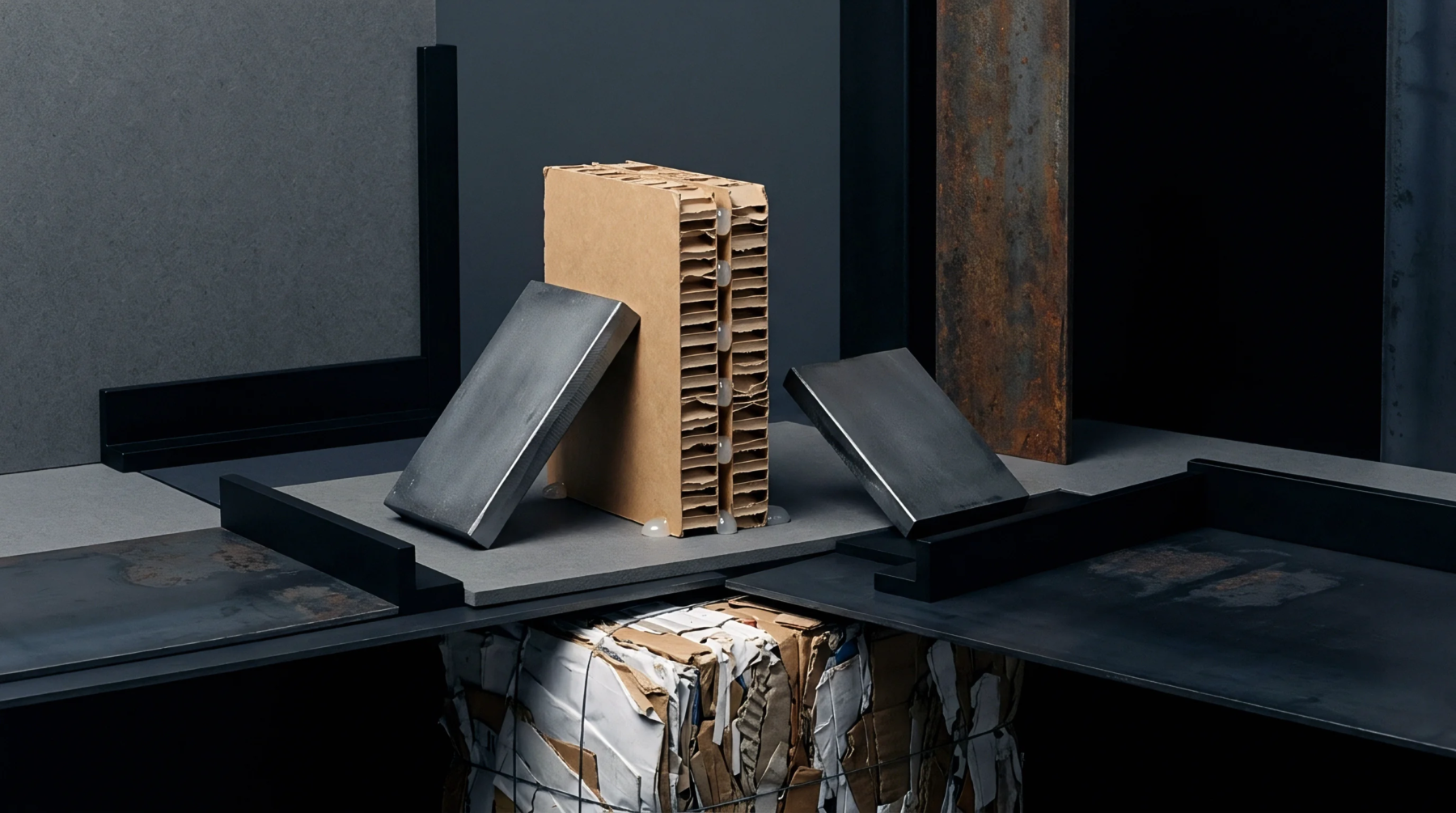
Multi-tier corrugated export survival demands virgin kraftliners, ketone-crosslinked wet starch, and safety factors adjusted for twenty-percent moisture uptake.
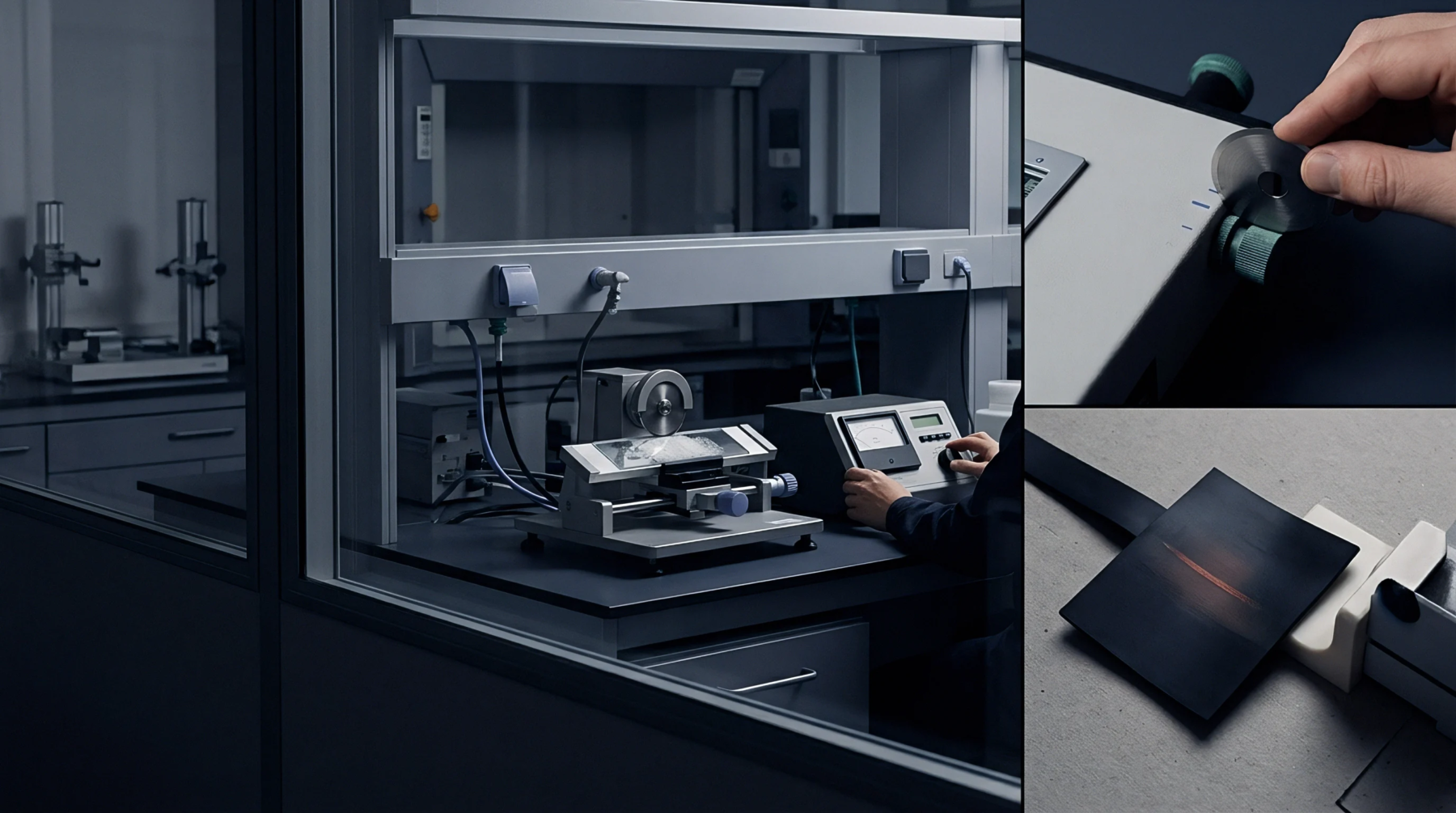
Aqueous ink vehicles dissolve interfibre hydrogen bonds within milliseconds, dropping cross-direction stiffness over 40% and driving web misregistration.
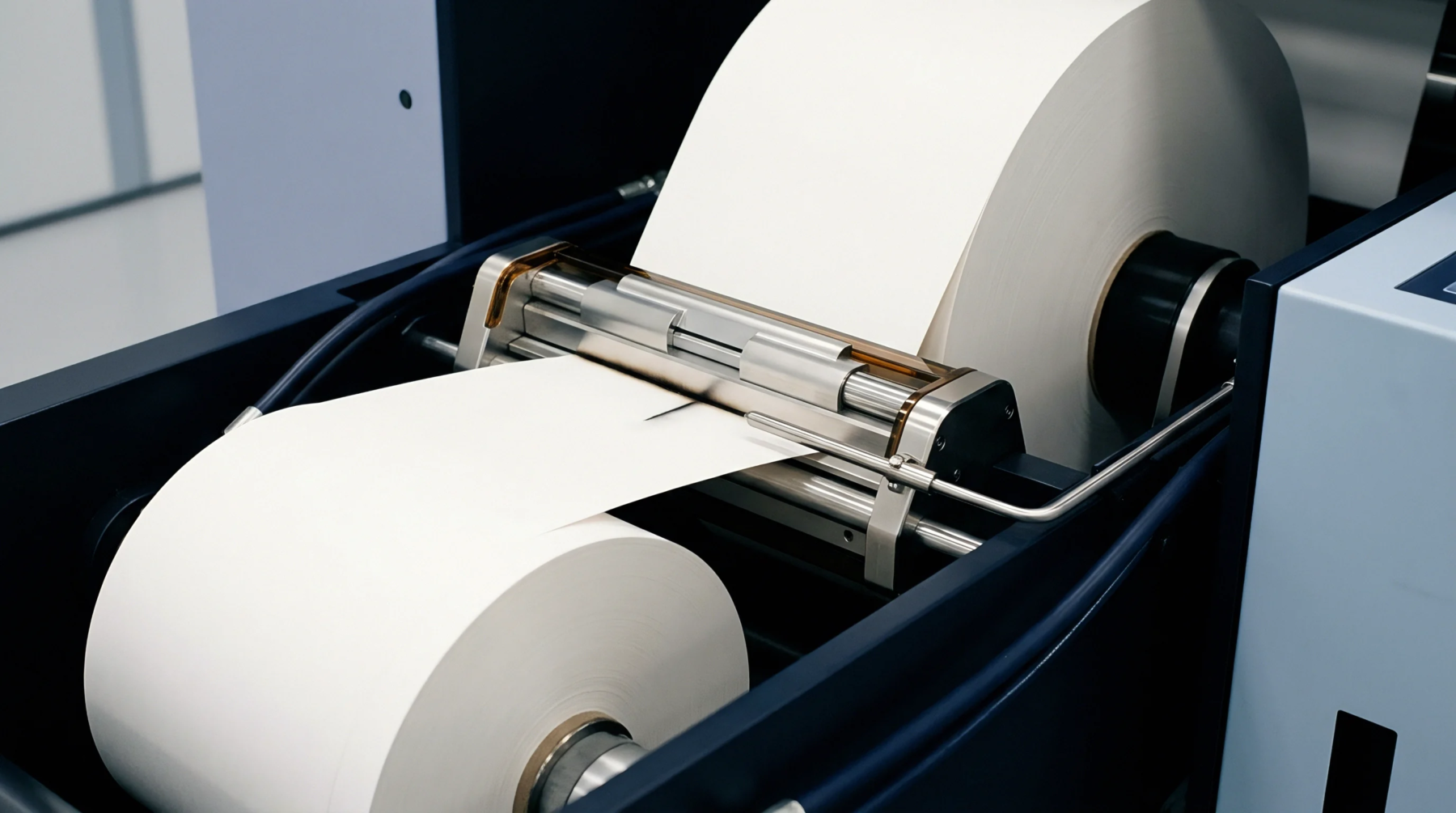
Establishing a 70% gloss retention threshold under calibrated abrasion prevents transit scuffing while maintaining certified recyclability and low EPR fees.
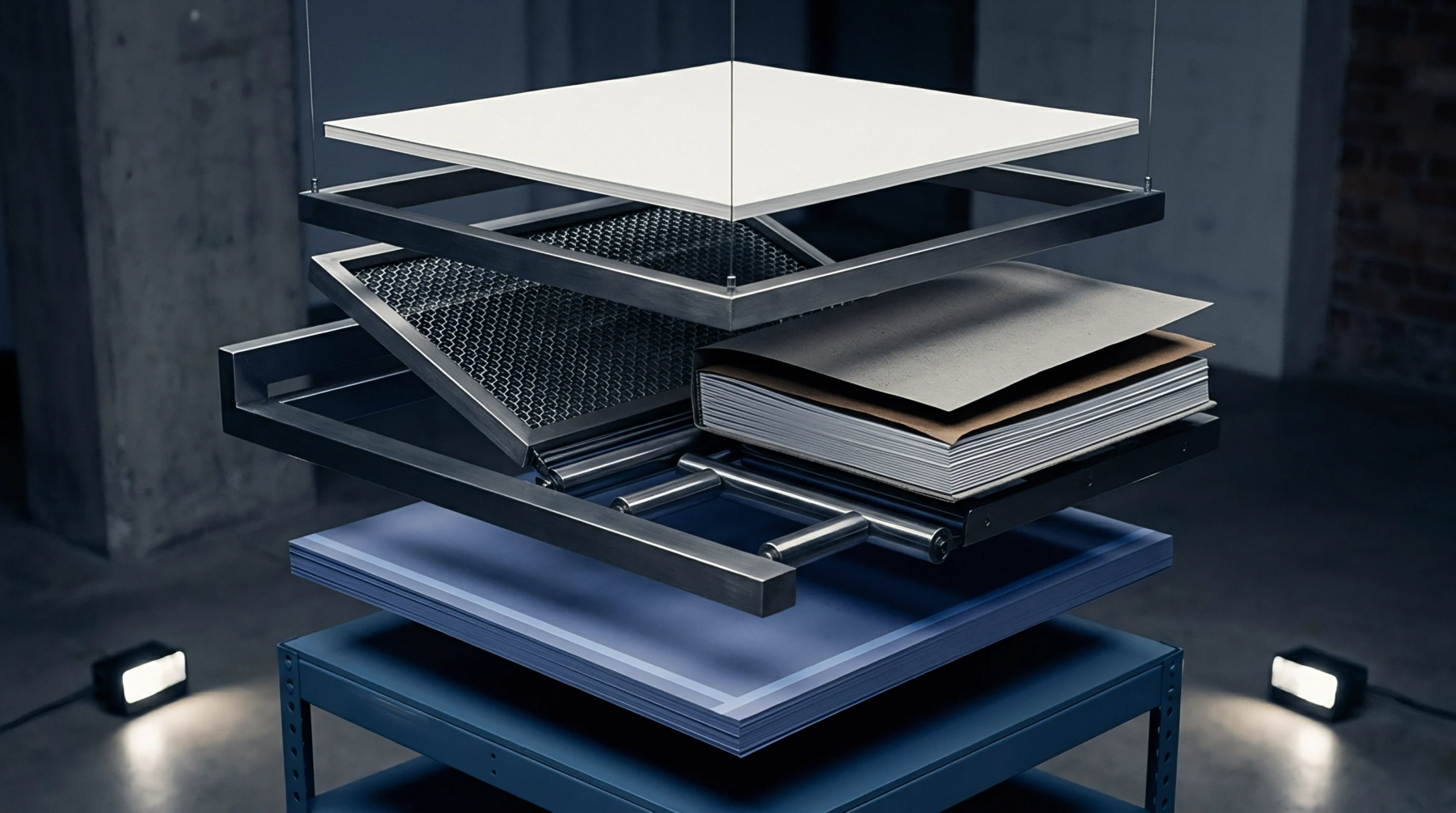
Crosslinked microfibril coatings qualify for paperboard moisture barriers by locking pore networks, balancing WVTR reduction against strict repulpability limits.
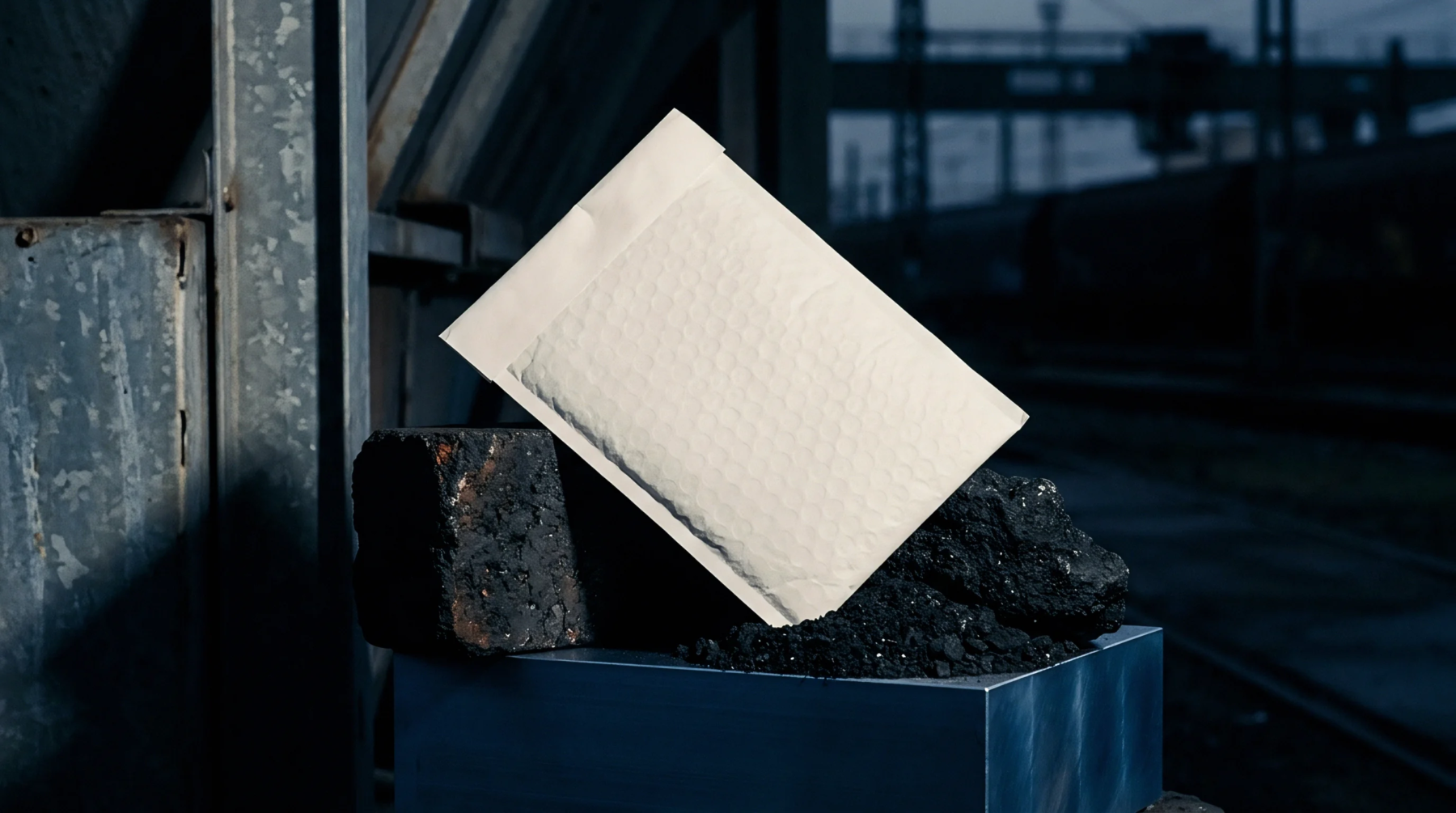
Marine container humidity drops paperboard compression by half, requiring virgin kraft furnishes and 4.0 safety factors to prevent column collapse at sea.
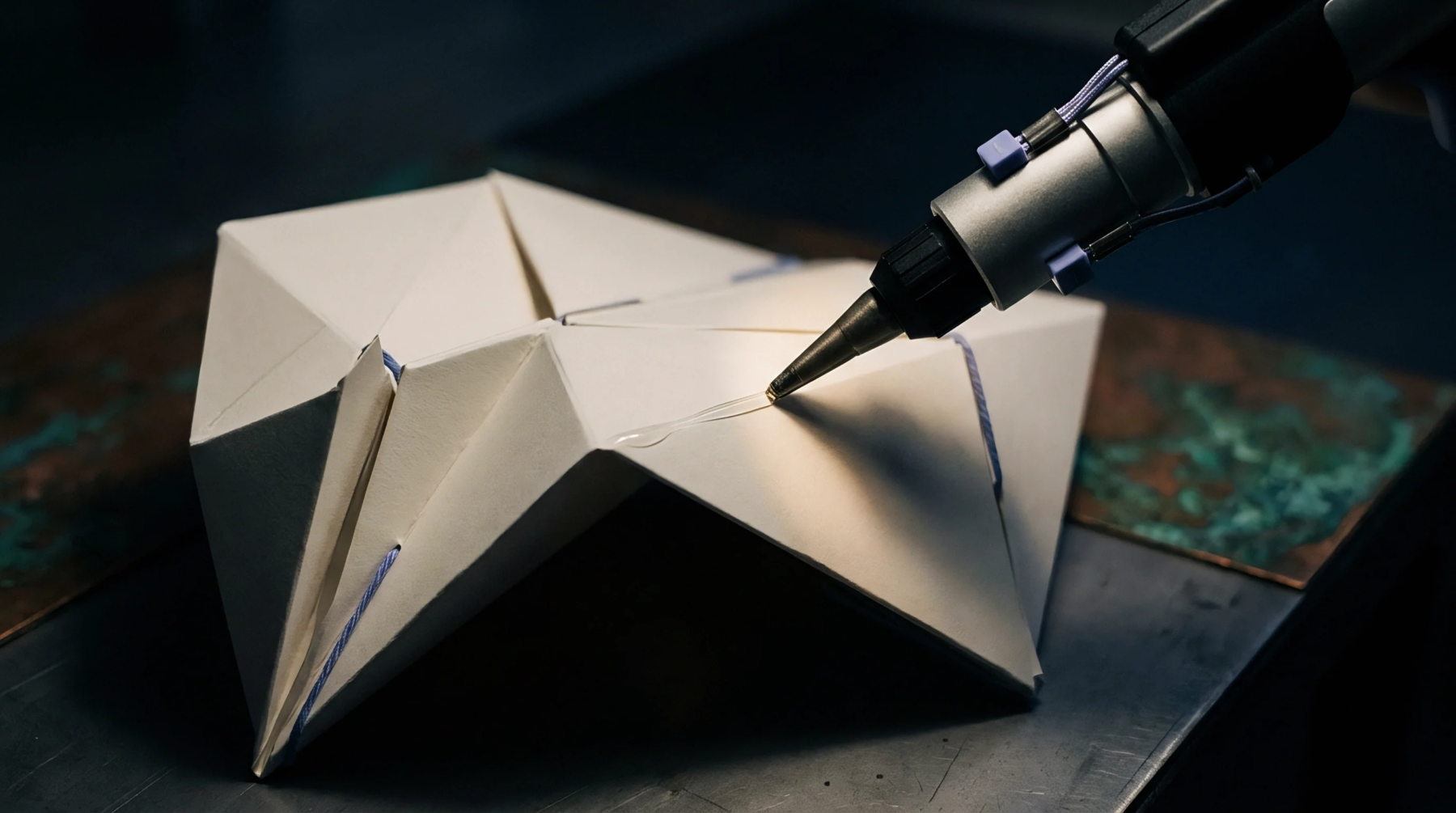
Standardized liquid penetration testing requires matching dynamic bench exposure times to press dwell durations to accurately predict coating performance.

Uncoated paper porosity metrics govern liquid absorption and optical light scattering, requiring customized Yule-Nielsen spectral curves for print tone accuracy.
Hygral edge waving in recycled paperboard skids results from perimeter moisture absorption driving compressive buckling against a dry, rigid core.
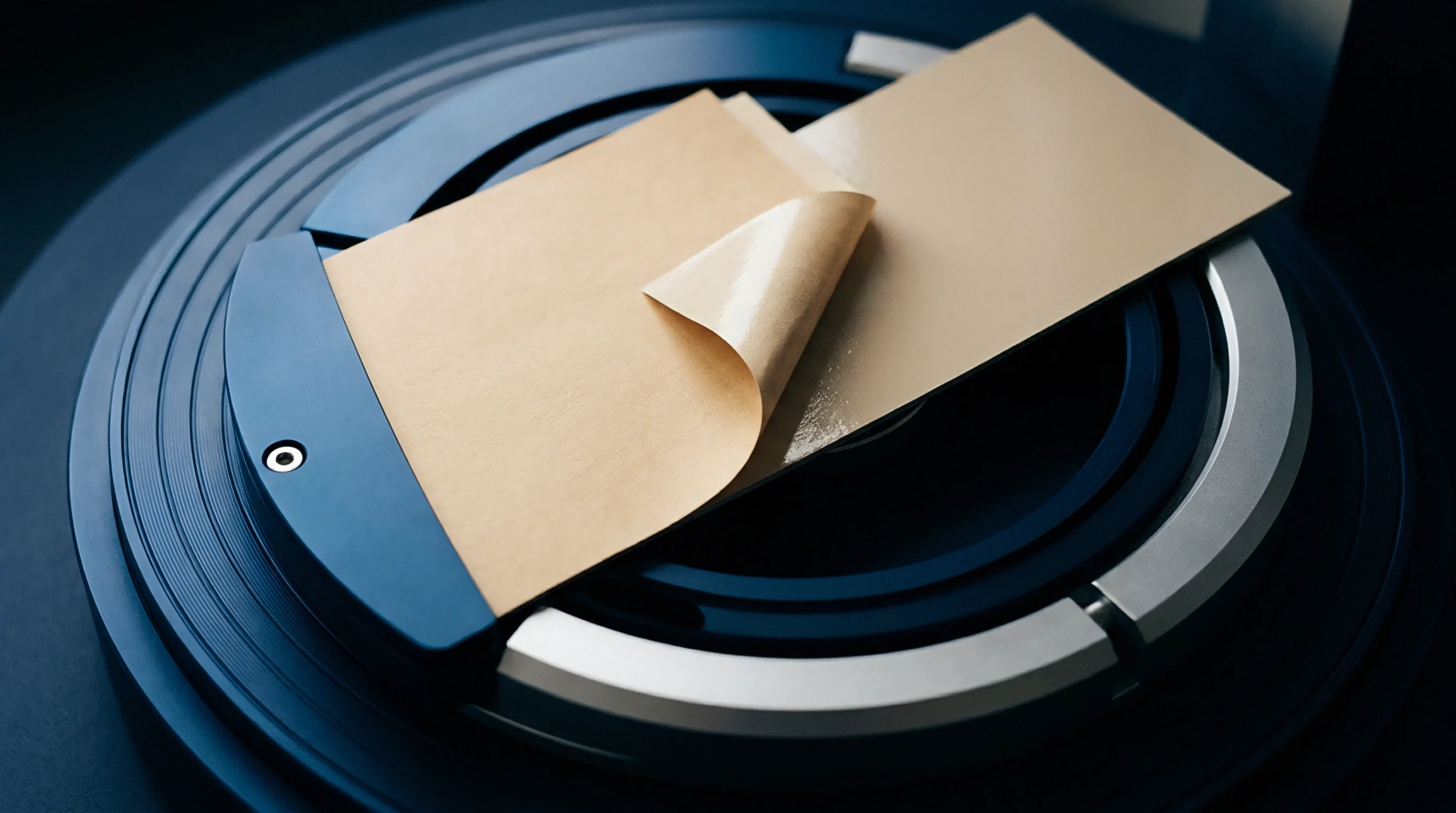
Substrate capillary absorption speeds govern ink setting rate, dryer energy consumption, and cross-web print defect thresholds across high-speed converting runs.
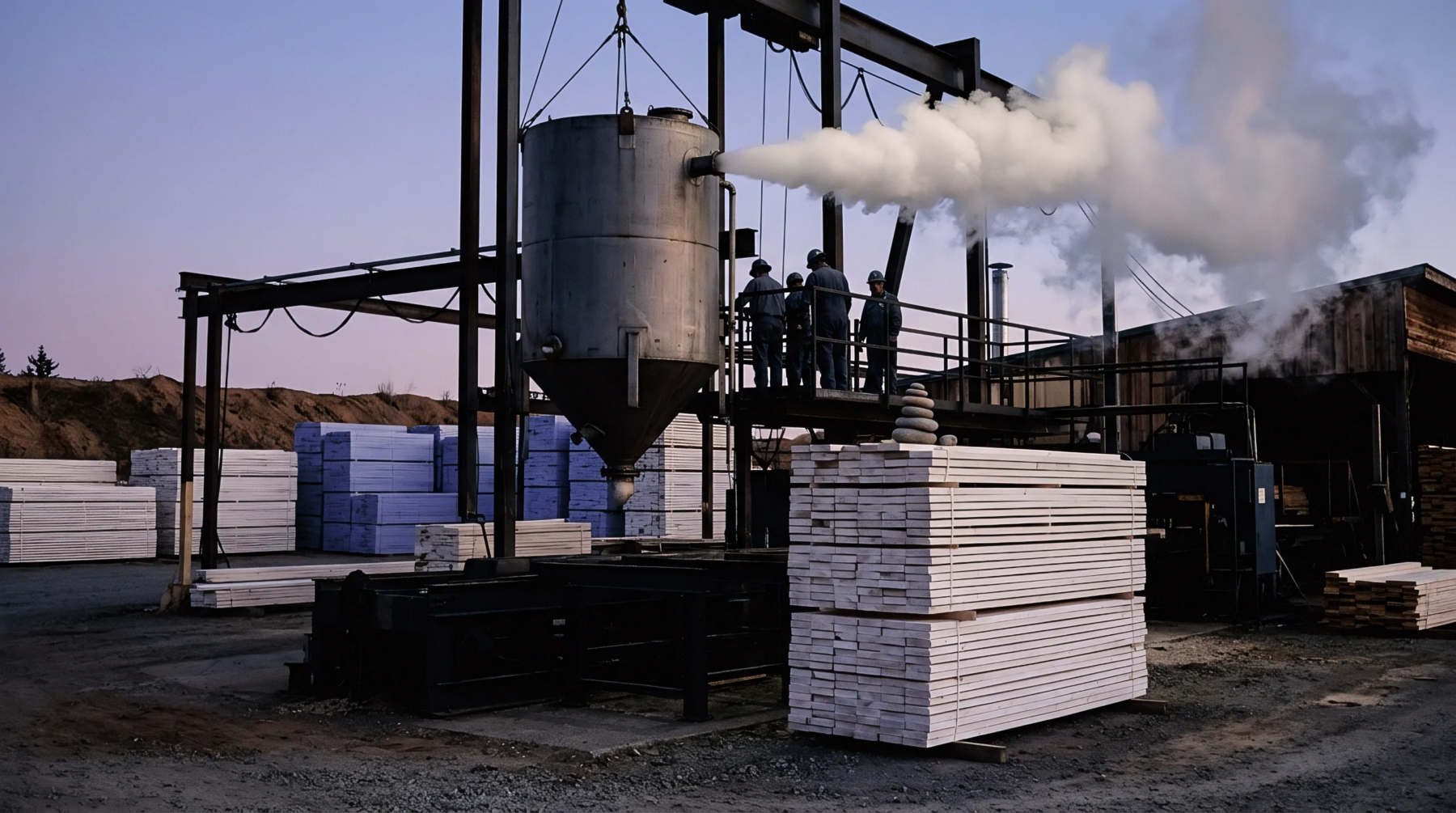
Recycled packaging substrates exhibit non-Fickian moisture uptake and severe hysteresis, reducing compressive strength by over 20 percent under cyclic humidity.
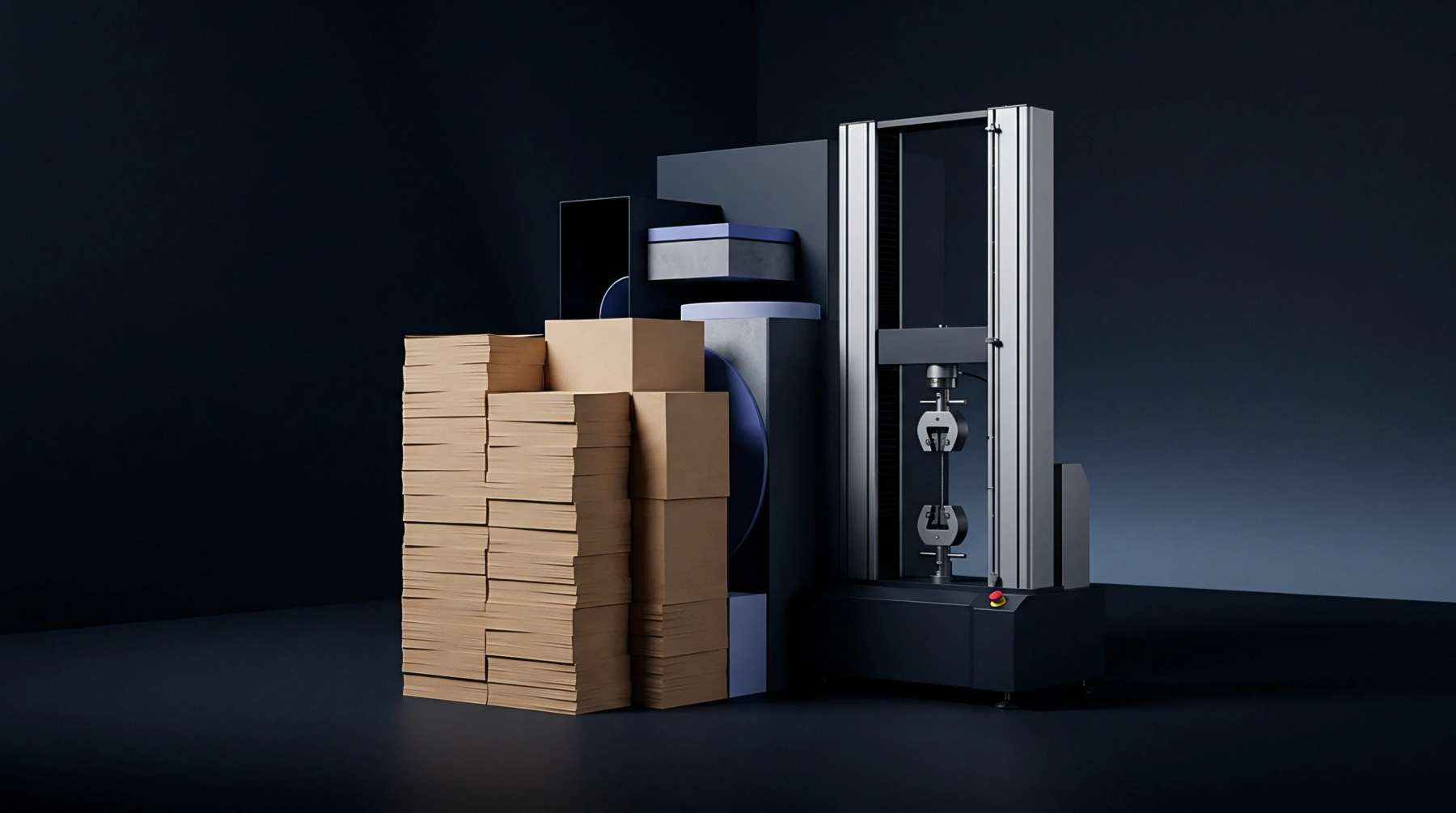
Verify polymer barrier paperboard through creased Cobb testing, migration simulant suites, Cepi repulpability yields, and lot-matched Declarations of Compliance.
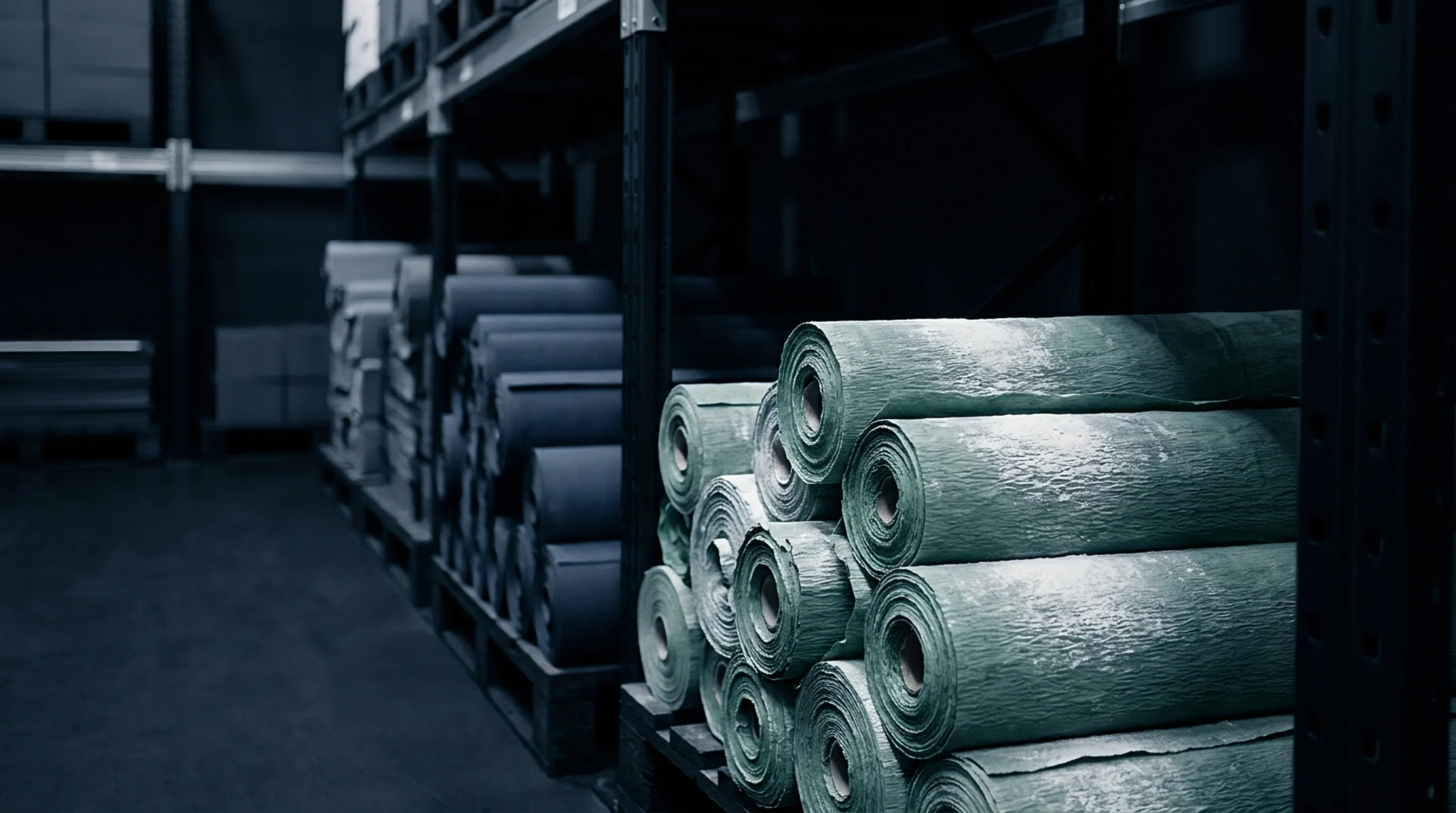
Aqueous dispersion barrier boards resist cold chain moisture through double-pass uniform coat weights and flexible low-Tg chemistry that prevents crease rupture.
Expertise is a utility, not a secret. sentiention™ publishes its working knowledge as open reference: intelligence layer covering the materials it sources, the markets it enters, and the reference that serves both.