Structural Integrity
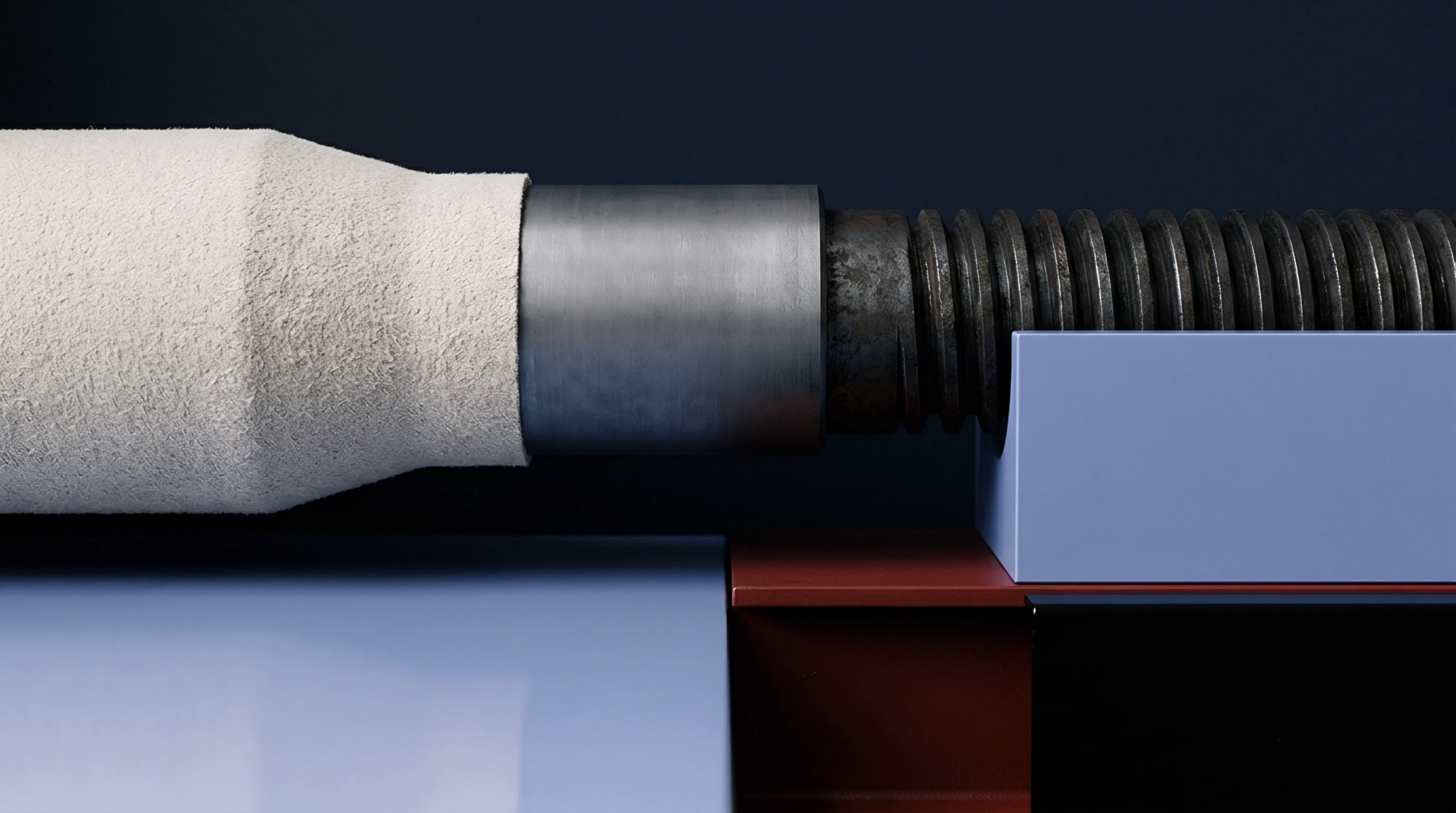
Corrugated board manufacturing depends on a measurable force required to cause a flute failure in a vertical test specimen. Edge crush resistance quantifies the force applied perpendicular to the facing of a board sample until a collapse occurs. This measurement assesses the physical capacity of the container to withstand stacking loads during transit or warehousing.
Engineers calculate this value by exerting pressure on the edges of a sample that has been cut to precise rectangular dimensions.
Application Dynamics
Converters monitor these results to predict the protective performance of corrugated boxes under heavy vertical weight. High values indicate a paper structure capable of maintaining box height when containers stack atop one another in a depot. Low values indicate a susceptibility to bending or structural failure if the contents exert downward pressure against the box walls.
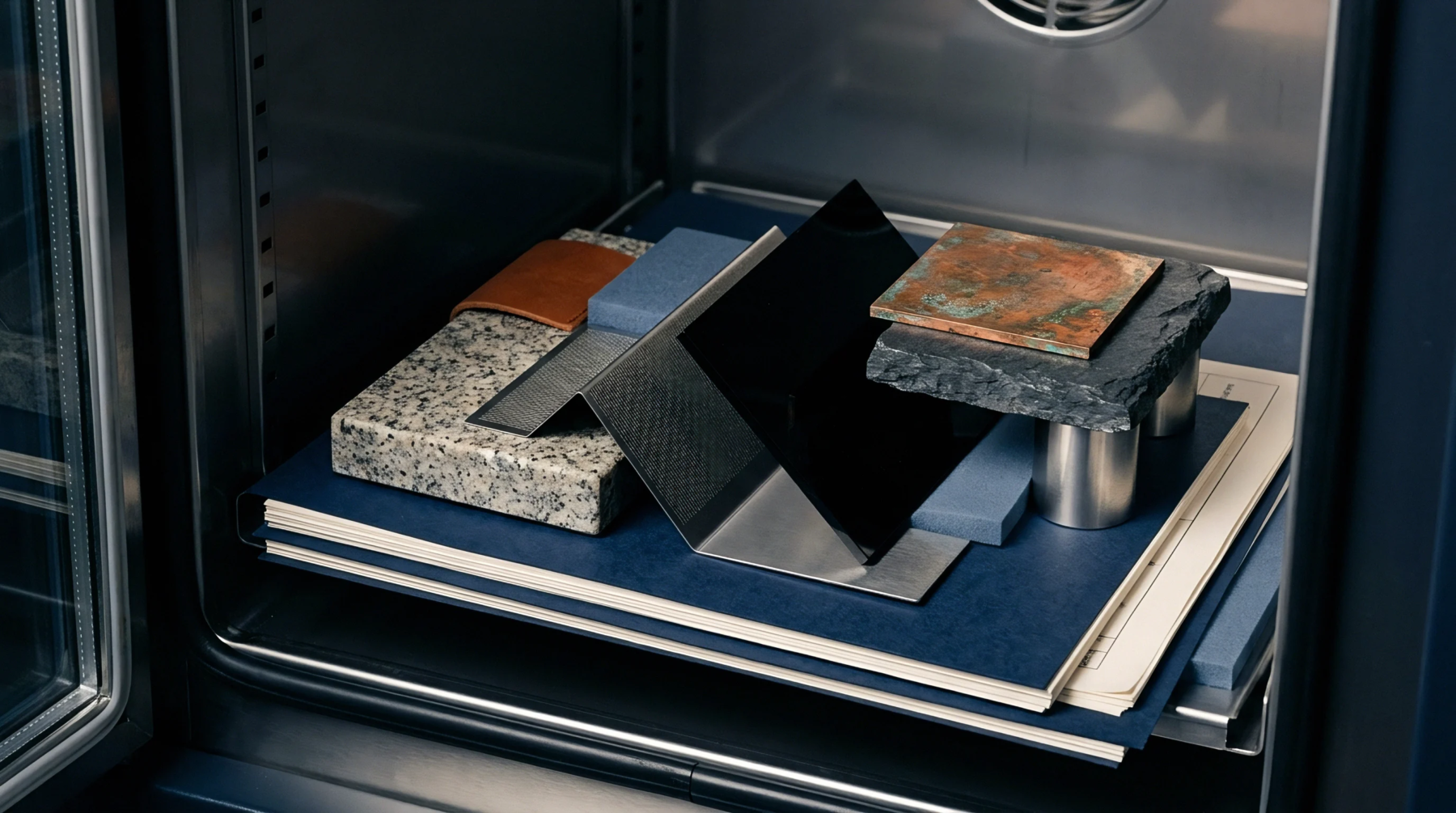
Practitioners adjust the grammage of the linerboard or the arch height of the medium to modify the resulting performance. Laboratory technicians perform these tests in climate-controlled conditions to ensure that environmental humidity does not skew the recorded load bearing data.
Certification Standard
Industry regulations require this metric to verify that a specific corrugated grade meets the minimum quality thresholds for logistics use. Governing bodies establish testing protocols that demand specific sample sizes and testing rates to ensure consistency across different manufacturing facilities. This quantification serves as a baseline for supply chain security since it dictates the maximum weight a finished shipping container supports before a catastrophic loss of geometry happens.