Liquid Mass
Standardized liquid absorption represents the mass of water taken up by a specified area of paper or board over a set period. In commercial converting, Cobb water absorptiveness determines the resistance of paperboard to water penetration during short-term exposures. The measurement is expressed in grams per square metre and is evaluated under controlled hydrostatic head conditions, though it does not predict long-term moisture barrier performance.
Contact Duration
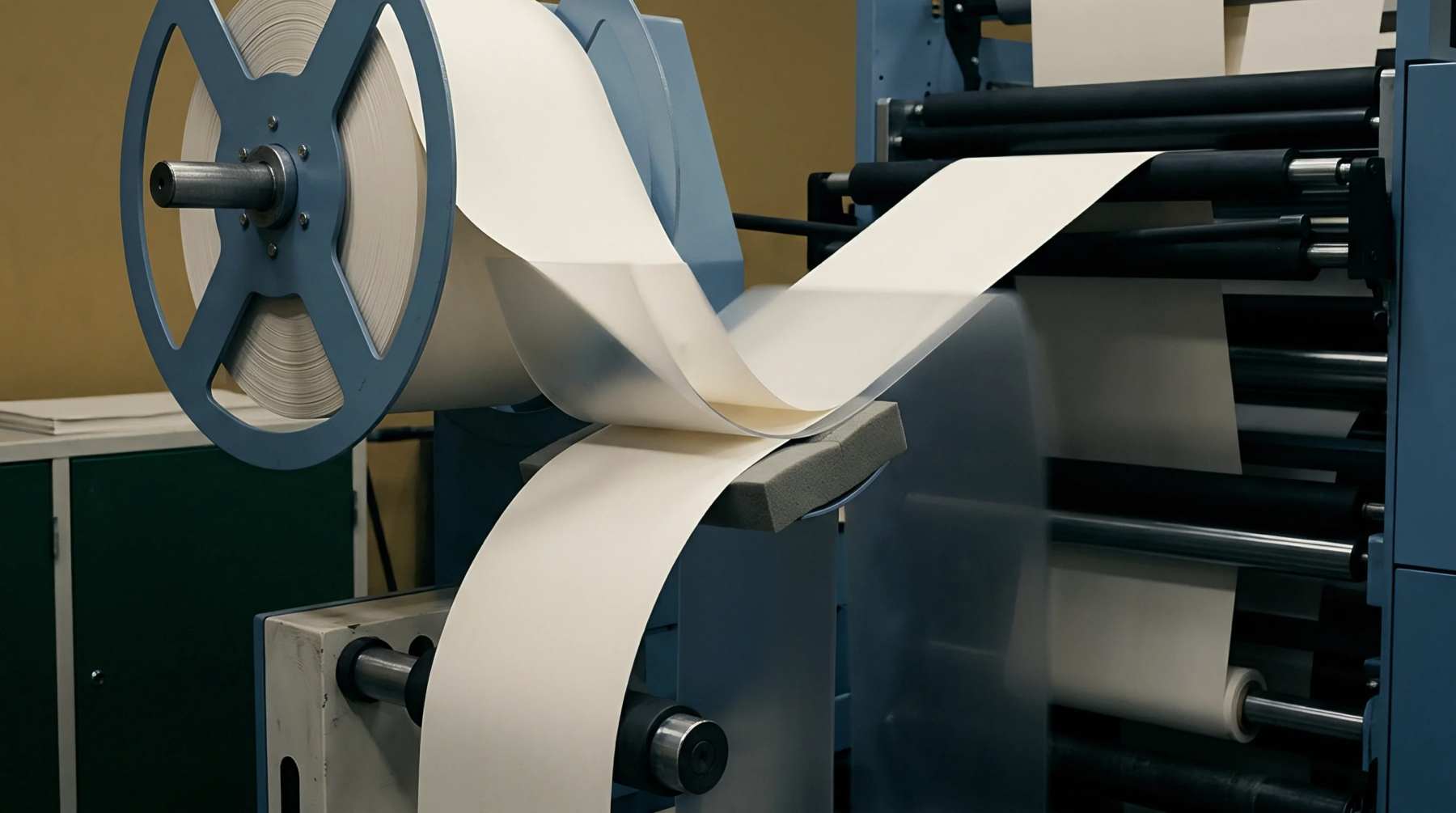
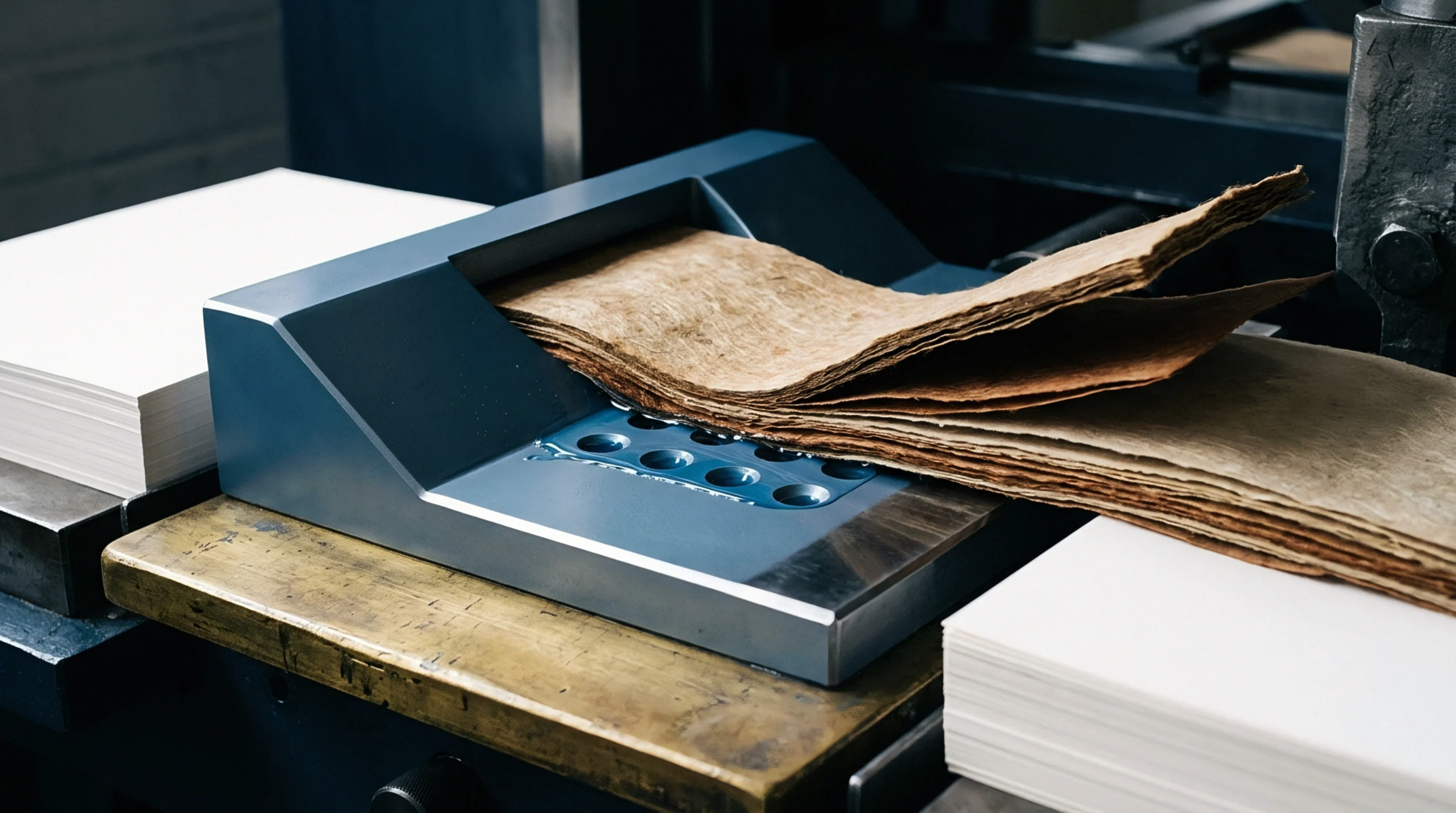
Testing equipment holds a column of water against the paperboard surface for a predefined time, typically sixty or one hundred and twenty seconds. When the duration is reached, the water is quickly poured off, the excess is blotted using a standardized heavy roller, and the sheet is reweighed to calculate the weight gain. Mill operators use these precise measurements to adjust surface sizing and starch application at the size press.
Lower absorption values indicate a more hydrophobic surface, which prevents excessive moisture intake during subsequent converting and adhesive application.
Sizing Evaluation
Chemical additions of alkyl ketene dimer or alkenyl succinic anhydride in the wet end modify the surface energy of the fibres to control this metric. High absorption rates lead to gluing failures or ink feathering during high-speed printing. In contrast, excessive water resistance prevents proper adhesion of water-based adhesive coatings on corrugated boxes.