Selecting Water Based Dispersion Coatings for Standard Folding Cartons
Water based dispersion coatings replace extruded plastics on cartons by balancing polymer chemistry, coat weight, drying capacity, and fiber repulpability.

Formulation
Polymer Families in Dispersion Chemistry
Coating selection for folding cartons requires matching polymer emulsions to the physical demands of mechanical converting lines. Aqueous dispersions carry synthetic or bio-based polymers suspended in water at solid contents between 42 percent and 58 percent by weight. When the coater applies the emulsion, water evaporates and causes the dispersed latex spheres to deform, contact adjacent particles, and coalesce into a pinhole-free film.
Film integrity determines the boundary performance of the carton against moisture, grease, and vapor.
Styrene-acrylic copolymers form the baseline for standard anti-marking, rub-resistant, and basic grease-resistant boxboard applications. These synthetic latexes provide balanced flexibility, high gloss potential, and clear clarity over printed sheets. Raising the styrene ratio lifts surface hardness and chemical resistance.
Conversely, increasing the acrylic ester fraction softens the polymer backbone, lowering the minimum film formation temperature while improving elasticity across scored carton edges. Glass transition temperatures for standard carton overprint dispersions run between 10 degrees Celsius and 25 degrees Celsius, preventing blocking in the delivery pile while accommodating high-speed folder-gluer belts.
Styrene-acrylic lattices formulated with a glass transition temperature below 12 degrees Celsius eliminate score-line flaking on high-caliper folding boxboard.
Ethylene acrylic acid copolymers enter when intense water repellency, heat sealability, and water vapor barriers become active specifications. The ethylene segments impart hydrophobicity and ductile elongation, resisting rupture when the creasing rule forces the board into the female matrix. The carboxyl groups of the acrylic acid segments deliver adhesion to cellulose fibers and enable alkali solubility during secondary fiber recovery.
Bio-based alternatives incorporate modified starches, polylactic acid dispersions, polyhydroxyalkanoates, or functionalized vegetable oils. Natural binders frequently exhibit narrow thermal application windows, requiring precise dryer control to avoid polymer degradation or micro-foaming during sheet transport.

Functional Additives and Surface Energy
Base polymer chains lack the specific slip, wetting, and release traits demanded by automated packaging machines. Dispersions incorporate functional waxes to depress surface friction and shield against scuffing during transit. Micronized polyethylene waxes and carnauba wax emulsions lower the dynamic coefficient of friction below 0.35, shielding printed inks from rub failure inside transit outers.
Silicones and fluorochemicals have exited standard specifications due to commercial bans and regulatory restrictions, shifting formulators to functionalized siloxanes and synthetic paraffin waxes.
Surfactants stabilize polymer droplets within aqueous suspension and lower static surface tension to wet clay-coated board surfaces. Fully coated bleached boards typically display surface energies between 38 dynes per centimeter and 44 dynes per centimeter. If the wet surface tension of the aqueous dispersion exceeds the critical surface tension of the mineral pre-coat, dewetting creates pinholes and orange-peel textures.
Formulators dose non-ionic fluorosurfactant alternatives, acetylenic diols, or ethoxylated alcohols to pull static surface tension below 32 dynes per centimeter. This wetting balance allows uniform film laydown across varied board recipes without driving foam formation in circulating coater sumps.
Defoamers, thickeners, and crosslinking agents finalize the chemical docket. Mechanical shear inside blade coaters and peristaltic pumps generates macro-foam and micro-foam in water-based systems. Mineral-oil-free silicone polyether defoamers destabilize foam lamellae without causing fish-eyes in wet films.
Rheology modifiers such as hydrophobically modified alkali-swellable emulsions adjust shear viscosity. They hold high viscosity under zero-shear resting conditions in ink ducts while thinning under the immense shear rates encountered within printing nips. Ammonium zirconium carbonate or polyfunctional aziridines provide crosslinking when heightened water resistance is specified, reacting with polymer carboxyls as drying energy drives off ammonia and water.
Unresolved variances in raw monomer batches create unpredictable drift in dry film water vapor transmission rates across seasons.

Barrier
Mechanisms of Resistance
Folding cartons demand distinct resistance thresholds according to their packed contents. Aqueous dispersion coatings function as barriers through capillary plugging, chemical inertness, and crystalline tortuosity. Standard mineral-coated cartonboard carries an open, porous network of calcium carbonate and kaolin clay held by latex binders.
Liquid water penetrates these interstitial pores via capillary draw, measured through standard Cobb sizing tests. An aqueous barrier dispersion pools on this porous top layer, flows across micro-roughness valleys, and cures into an impervious membrane.
Water resistance diverges mechanically from moisture vapor barrier performance. Liquid water holdout relies upon establishing a high contact angle, preventing droplet spreading and hydrostatic absorption. Water vapor transmission requires arresting the diffusion of single gas molecules through the amorphous zones of the dried polymer matrix.
Unmodified styrene-acrylic layers provide liquid water holdout, yet water vapor slips readily between polymer chains. Ethylene acrylic acid and polyvinylidene chloride replacements establish tightly packed, semi-crystalline domains that force diffusing water vapor molecules to take elongated, tortuous pathways, slashing transmission rates.
Grease resistance functions via surface oleophobicity and cohesive density. Mineral oils, animal fats, and vegetable triglycerides dissolve readily into lipophilic polymers. Effective barrier layers deploy dense hydrophilic crosslinks or tight crystalline structures that prevent organic grease molecules from solvating the matrix.
Pinholes, micro-cracks along fiber boundaries, or air bubbles immediately destroy grease integrity, as oils wick through micro-channels via capillary action, staining the exterior graphic face within hours.
Empirical Verification Parameters
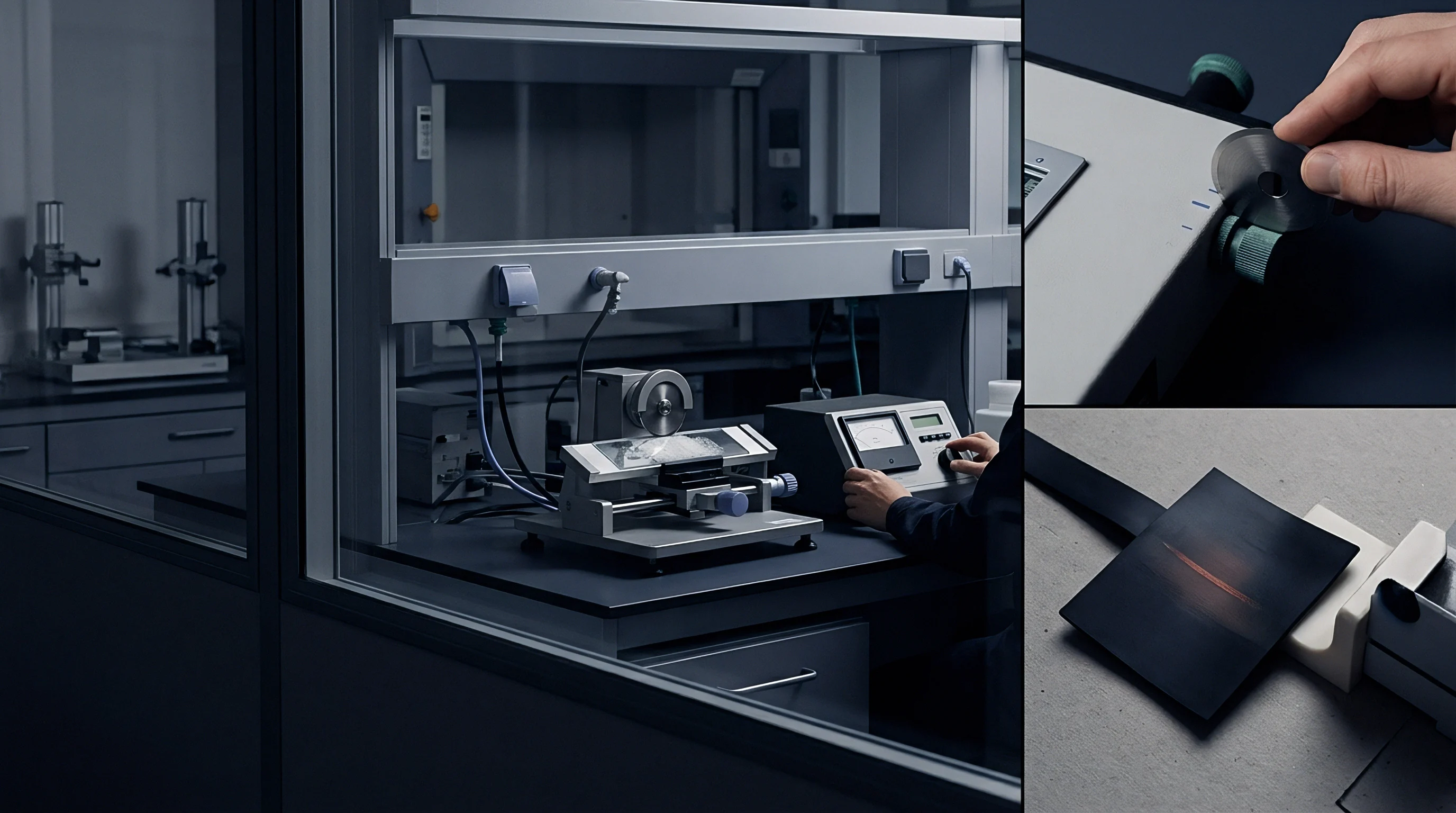
Laboratory validation of dispersion coatings utilizes strict test regimes to simulate converting stress and storage environments. Water absorption testing follows ISO 535, exposing a defined surface area to distilled water for sixty seconds or eighteen hundred seconds before blotting and gravimetric weighing. Standard folding boxboard treated with barrier dispersions targets a Cobb60 value below 5 grams per square meter, down from unprotected values above 40 grams per square meter.
Water vapor transmission rate testing operates under ISO 2528 or ASTM E96 standards, measuring mass flux across a sealed film sample exposed to controlled temperature and relative humidity differentials. Standard packaging environments evaluate at 23 degrees Celsius and 50 percent relative humidity, while tropical shelf-life testing commands 38 degrees Celsius and 90 percent relative humidity. Grease resistance references ISO 16532-1, tracking lard or palm oil penetration across specified temperatures and durations, and the TAPPI T 559 kit test, deploying variable surface tension mixtures of castor oil, toluene, and heptane applied for fifteen seconds.
| Polymer Chemistry Base | Dry Coat Weight (g/m²) | Water Cobb60 (g/m²) | MVTR at 38°C / 90% RH (g/m²/day) | Kit Test Rating (1-12) | Mineral Oil Barrier (Hours) |
|---|---|---|---|---|---|
| Standard Styrene-Acrylic | 3.5 to 5.0 | 12 to 20 | 450 to 700 | 5 to 7 | < 2 |
| Dense Crosslinked Acrylic | 5.0 to 7.0 | 4 to 8 | 180 to 300 | 9 to 11 | 12 to 24 |
| Ethylene Acrylic Acid (EAA) | 6.0 to 9.0 | 1 to 3 | 40 to 90 | 8 to 10 | 8 to 16 |
| Bio-Polymer / Mineral Dispersion | 7.0 to 12.0 | 5 to 10 | 120 to 250 | 7 to 9 | 6 to 12 |
| Dual-Layer Primer / EAA Topcoat | 10.0 to 14.0 | < 1 | 15 to 35 | 11 to 12 | > 48 |
Mineral oil barrier properties have emerged as primary functional requirements to prevent saturated hydrocarbons (MOSH) and aromatic hydrocarbons (MOAH) from migrating out of recycled board layers into unprinted food contents. Dense acrylic lattices loaded with high-aspect-ratio plate-like pigments, such as purified kaolin or talc, construct physical labyrinths that retard volatile hydrocarbon diffusion. Verifying migration protection requires testing board samples under European standards using simulant exposure cells with Tenax for designated dwell periods at elevated heat, measuring extractables through gas chromatography.
A wet film weight running thin by a single dry gram per square meter drops grease holdout across the scored edges below commercial thresholds.

Substrate
Board Grades and Fiber Mechanics
Substrate morphology dictates coating distribution, absorption rate, and mechanical durability. Folding boxboard incorporates mechanical pulp cores sandwiched between chemical pulp outer plies, presenting bulk and bending stiffness. Solid bleached board consists entirely of chemical pulp plies, offering high tensile purity, uniform density, and smooth surface uniformity.
Coated recycled board contains varying fractions of deinked fibers, mixed paper pulps, and residual fillers, resulting in lower dimensional stability and irregular internal porosity.
Virgin chemical fibers present numerous bonding sites for carboxyl-functionalized aqueous dispersions. In contrast, mechanical pulps contain higher fractions of lignin and lower surface polarity, resisting polymer penetration unless surface-active wetting aids reside in the coating recipe. The internal sizing of the base board determines the wet holdout speed of the applied emulsion.
If base sizing is inadequate, water leaves the emulsion rapidly and wicks into the fiber bulk, elevating viscosity at the interface and stranding polymer particles on the surface before smooth coalescence occurs.
Pre-existing mineral coatings alter interfacial dynamics. A double-coated or triple-coated cartonboard surface provides controlled roughness and stable porosity, allowing a smooth polymer layer to form with minimal pinholing. When mills run dispersion chemistry directly over unbleached kraft liners or uncoated recycled boards, fiber swelling occurs as the water phase contacts raw cellulose.
Swelling fibers generate surface hills and valleys that require elevated coat weights to achieve continuous film coverage across the sheet.

Surface Topography and Converting Interactions
Surface roughness measurements, quantified via the Parker Print-Surf method under ISO 8791-4, correlate directly with minimum required dry coat weight. Cartonboards exhibiting a roughness above 2.5 micrometers at 1000 kPa clamp pressure require up to 40 percent higher dry polymer mass than smooth boards measuring below 1.2 micrometers to achieve comparable grease kit values. The rougher sheet absorbs dispersion into deep microscopic crevices, starving the surface peaks of protective barrier thickness.
Creasing rule mechanics establish significant stress on the dry polymer film. During carton die-cutting, male scoring rules force the board into female channels, rupturing the internal fiber matrix to establish a hinge. A dispersion coating located on the carton interior experiences intense shear and compression, while an exterior coating undergoes extreme tensile elongation.
If the polymer lacks sufficient elasticity, the film fractures along the score bead. Fractured scores destroy the continuous barrier, dropping Cobb and grease values to raw board levels along structural hinges.
A scoring rule width sized incorrectly against cartonboard caliper shears the aqueous barrier film directly down the primary crease.
Gluing behaviors shift dramatically once standard mineral coatings receive functional water-based barrier chemistries. Conventional water-based vinyl acetate ethylene folding glues rely upon rapid absorption of water into the board surface to build green tack and establish fiber-tearing bonds. Hydrophobic, water-repellent dispersion coatings actively reject this water phase, preventing glue penetration and leaving cold adhesives uncured.
Converters must swap to specialized synthetic emulsion adhesives with high solids and aggressive wet tack, mill relief cut-outs into the coating blanket, or introduce mechanical corona treating systems over gluing flaps to lift surface energy above 44 dynes per centimeter.
No supplier datasheet guarantees identical pinhole density when moving the same barrier chemistry from a bleached chemical board to a recycled grade.
Application
Coating Units and Metering Mechanics
Applying aqueous barrier dispersions requires controlled metering systems that deliver continuous films without atomizing the fluid into airborne mist. Sheetfed offset presses equipped with dedicated chambered doctor blade anilox coaters dominate inline post-print processing. Flexographic stations, rotogravure units, and off-line curtain or air knife coaters handle high-volume reel-to-reel converting setups.
Each mechanical format imposes specific shear regimes and wet film transfer limitations.
Anilox roll geometry controls the wet film volume transferred to the printing blanket or photopolymer plate. Engraved cell volumes range from 10 cubic centimeters per square meter for light anti-marking coats up to 30 cubic centimeters per square meter for dense, single-pass barrier formulations. Hexagonal 60-degree cell geometries provide stable transfer, while tri-helical or elongated channels facilitate cell evacuation of high-viscosity barrier emulsions.
Viscosity monitoring remains vital; technicians maintain coating viscosity between 25 and 60 seconds using a DIN 4 cup at 20 degrees Celsius by tracking shear stability and evaporation losses throughout the run.
- Chambered doctor blade positioning balances hydraulic blade pressure to prevent edge leakage without scoring fragile anilox roll surfaces.
- Peristaltic pump circulation maintains linear volume flow through delivery hoses, preventing fluid stagnation in low-flow corners of the system.
- Viscosity adjustment through temperature control maintains stable transfer rates without demanding excessive water dilution that ruins barrier holdout.
- Anilox cleaning cycle implementation removes dried polymer skin from micro-cells before dried latex insolubilization permanently seals the engraved cavities.
Drying Mechanics and Thermal Budgets
Aqueous coatings depend on rapid heat transfer and high-velocity air movement to drive off the water phase across press dwell times often under one second. Offset coating units combine medium-wave infrared radiators with high-output hot air impingement dryers running air temperatures between 60 degrees Celsius and 120 degrees Celsius. Infrared radiation heats the liquid coating layer and sheet uniformly, elevating water molecule vapor pressure.
Hot air knives scrub the stagnant boundary layer of moisture away from the sheet surface, driving continuous evaporative mass transfer.
Coating pile temperature serves as the critical line metric. If dryers run under-powered, residual moisture remains trapped within the film, causing incomplete polymer coalescence, low grease resistance, and pile blocking where sheets fuse together under pallet weight. If dryers deliver excessive thermal energy, sheet temperatures soar beyond 55 degrees Celsius, softening thermoplastic latexes past their glass transition temperatures and causing severe pressure blocking in the stack.
Experienced operators pull sheets immediately from the delivery jogger, evaluating pile temperature with non-contact pyrometers to keep exit sheets strictly between 32 degrees Celsius and 38 degrees Celsius.
Air knife drying lines on off-line coaters apply thicker wet films without blistering because air flow can be modulated across extended drying tunnels. In contrast, high-speed sheetfed presses restrict drying dwell distances to mere meters. This spatial constraint forces converters to apply dense barriers through dual-pass setups, printing two lighter coats with an intermediate drying sequence rather than drowning the board under an unmanageable single wet film.
Applying two distinct coats also staggers pinhole alignment, yielding exponentially superior barrier numbers at equivalent total coat weights.
The machine speed drops forty sheets per minute whenever ambient air humidity creeps above the drying system exhaust limit.
Converting
Die-Cutting and Creasing Dynamics
Post-coating converting operations place severe physical demands on dry aqueous dispersion films. Die-cutting stations deploy hardened steel cutting rules and rounded creasing profiles driven into flatbed platens. The board must yield along defined score lines without delaminating or cracking along its outer plies.
When an aqueous barrier coats the tensile face of a fold, the polymer must accommodate local elongations up to 15 percent without fracturing its cohesive structure.
Creasing make-ready requires calibrated counter-crease matrix sizing. Channel width directly dictates scoring severity; a channel cut too narrow exerts destructive shear on the board shoulders, tearing the polymer film and exposing raw fibers to grease and moisture. Channel width follows established trade formulas, matching creasing rule thickness plus roughly 1.5 times the measured board caliper.
Creasing rule crowns must remain polished and smooth. Micro-burrs or nickel imperfections on the rule face act as cutting tools, slicing microscopic fissures into the barrier coating that compromise its functional holdout.
Folding, Gluing, and Packing Realities
High-speed folder-gluers process flat carton blanks at velocities frequently exceeding four hundred meters per minute. Belts, curved guide rails, and folding swords contact coated carton faces under localized pressure. High friction coefficients cause scuffing, static electricity generation, and line jams.
Dispersions formulated with inadequate slip wax additions generate rub marks that transfer to adjacent panels, destroying high-end cosmetic appearances.
- Dispersion-to-dispersion glue flaps demand reactive hot-melt polyolefins or cold adhesives formulated with penetrating plasticizers to bite through polymer films.
- Electronic glue-line inspection sensors require ultraviolet tracers blended into the coating chemistry to verify accurate glue bead placement across barrier surfaces.
- Fold cracking along dynamic creasing edges ruins oil resistance unless polymer formulators balance flexibility agents against blocking resistance.
- Pallet stacking pressures force cartons into intimate contact, turning microscopic uncoalesced latex residues into permanent bond bridges across blank faces.
Heat-sealing stations on downstream packaging lines introduce localized thermal stress. Blister card cartons, fast-food shells, and leak-proof trays use direct thermal dies or ultrasonic horns to fuse barrier-coated flaps together without adhesive. Coatings designed for heat-sealing incorporate ethylene acrylic acid polymers that melt within calibrated temperature bands between 120 degrees Celsius and 160 degrees Celsius.
Seal dwell times range from 0.2 to 0.8 seconds under specific clamp pressures. If seal temperatures drop below the polymer melting point, the seal separates cleanly with zero fiber tear; if temperatures exceed operational bands, the polymer blisters, smokes, and transfers to the metallic sealing shoe.
A supplier warranty expires the moment an unslit carton blank is run through a folder-gluer with non-recommended glue formulations.
Economics
What Influences Converting Run Costs?
Selecting water-based dispersion barriers alters the cost architecture of a packaging project across tooling, unit production, and downstream scrap fees. Polyethylene extrusion coating remains the legacy benchmark for liquid and grease protection on folding cartons. Standard low-density polyethylene resin represents a cost-effective bulk material, but extrusion coating requires massive capital investment, large minimal order quantities, and separate conversion passes at external lamination plants.
Aqueous dispersions integrate directly into standard press passes, removing dedicated logistics loops and third-party converting markups. Dispersion raw chemicals carry higher material costs per dry kilogram than basic polyolefins, ranging from 3.20 euros to 8.50 euros per wet kilogram depending on crosslinking complexity and barrier performance tiers. The commercial break-even point pivots on production run size, sheet layout yields, and added pass requirements.
While aqueous dispersion eliminates external freight and laminating fees, it demands slower press run speeds and elevated dryer energy consumption.
| Cost Component | Extrusion Polyethylene (15 g/m²) | Single-Pass Inline Aqueous Dispersion (6 g/m²) | Dual-Pass Offline Aqueous Dispersion (12 g/m²) |
|---|---|---|---|
| Base Board Stock (€/k cartons) | 142.00 | 142.00 | 142.00 |
| Barrier Material Cost (€/k cartons) | 18.50 | 34.20 | 68.40 |
| External Lamination Pass (€/k cartons) | 28.00 | 0.00 | 0.00 |
| Press / Coating Machine Time (€/k cartons) | 31.00 | 39.50 | 58.00 |
| Adhesive and Gluing Premium (€/k cartons) | 12.00 | 6.50 | 6.50 |
| Estimated Production Spoilage (%) | 4.5% | 6.0% | 8.5% |
| Total Converted Cost (€/k cartons) | 231.50 | 222.20 | 274.90 |
Press waste runs higher during make-ready on barrier dispersion jobs. Establishing uniform wet film laydown, verifying pinhole-free curing via chemical stain solutions, and balancing dryer energy against pile blocking consumes extra preliminary sheets. While standard process printing stabilizes within two hundred make-ready sheets, aqueous barrier trials consume four hundred to eight hundred sheets before the line achieves operational stability.
Spoilage costs elevate correspondingly when converting high-caliper virgin cartonboards.
Extended run speeds face physical limitations imposed by drying tunnel lengths. Offset presses running 15,000 sheets per hour on standard overprint varnish drop to 9,000 sheets per hour when running 6 dry grams per square meter of water-based barrier to ensure full film coalescence. This 40 percent speed reduction ties up press room capacity, driving press-hour rates upward and altering job ledger profitability.
Standard purchase contracts enforce full buyer liability for unused custom dispersion batches remaining in inventory once a packaging production run concludes.
Compliance
Recyclability Protocols and Fiber Recovery
The primary commercial driver for specifying aqueous dispersions over plastic laminates centers on end-of-life repulpability and environmental regulations. Plastic films create microplastics and clog paper mill pulpers, requiring mechanical screening that diverts substantial fiber fractions to landfills or incinerators. Water-based dispersion coatings break down during industrial repulping, allowing reclaimed cellulose fibers to pass through extraction screens into fresh papermaking stock.
Verification bodies evaluate repulpability through standardized frameworks, primarily the Confederation of European Paper Industries (CEPI) Recyclability Laboratory Test Method and the PTS-RH 021 standard. Under standard hydropulper conditions at 40 degrees Celsius with neutral pH, aqueous coatings must detach cleanly from fibers without generating insoluble, sticky particles known as stickies. Stickies foul paper machine forming wires, block drying felts, and introduce visual defects into recycled paper sheets.
Dispersions formulated with alkali-soluble resins dissolve completely into the process water, permitting high fiber yield percentages above 90 percent.
A dispersion barrier that yields over ninety-two percent usable fiber under standard neutral repulping eliminates modulated plastic packaging taxes.
Coating selection dictates modulated Extended Producer Responsibility fees across major European territories. Packaging materials bearing bonded polyethylene films face steep regulatory penalties under national waste frameworks, adding significant costs per metric ton of distributed packaging. Certified repulpable dispersion-coated cartons qualify as pure monomaterial paper streams, reducing regulatory fee structures to standard paper rates.
This policy arbitrage frequently offsets the higher raw chemical price of functional water-based emulsions.
Food Contact Directives and Migration Limits
Cartons destined for food packaging must comply with strict non-toxicity and migration frameworks. In the European Union, materials fall under Framework Regulation (EC) No 1935/2004, requiring materials not to endanger human health, alter food composition unacceptably, or deteriorate organoleptic characteristics. While aqueous coatings on paper historically existed in a fragmented national framework, the German BfR Recommendation XXXVI directly defines approved monomers, crosslinkers, and additive chemistry for food-contact paper applications.
Direct food-contact barriers must undergo overall and specific migration testing using designated food simulants. Dispersions containing residual free monomers, low-molecular-weight surfactants, or volatile organic compounds risk failing mass transfer thresholds. The Robinson sensory test, standardized under DIN 10955, validates whether coating chemistry introduces off-flavors or foreign odors into sensitive food substances like chocolate or milk powder.
Technicians store samples in intimate proximity to milk chocolate for designated incubation periods before blinded sensory panels grade taint levels on a scale from zero to four, where any rating over two constitutes an immediate regulatory rejection.
Mineral oil migration limits enforce further formulation boundaries. Recycled fiber cartons carry residues of print inks containing toxic aromatic hydrocarbons. An effective aqueous barrier must hold functional resistance against these gas-phase hydrocarbons across the stated commercial shelf life of the packed product.
Declarations of compliance must transparently declare specific substances restricted by migration limits, dual-use additives, and absolute purity thresholds, backing every single claim with laboratory testing data from accredited third-party institutes.
If an unlisted crosslinker leaks into aqueous waste streams, local wastewater treatment authorities assess instant plant discharge violation penalties.