Mass Balance Allocation Limits for Coated Paperboard and Chemical Barrier Films
Mass balance credits from chemically recycled barrier films apply exclusively to the synthetic polymer fraction, never across composite paperboard fiber.
Mass balance credits from chemically recycled barrier films apply exclusively to the synthetic polymer fraction, never across composite paperboard fiber.
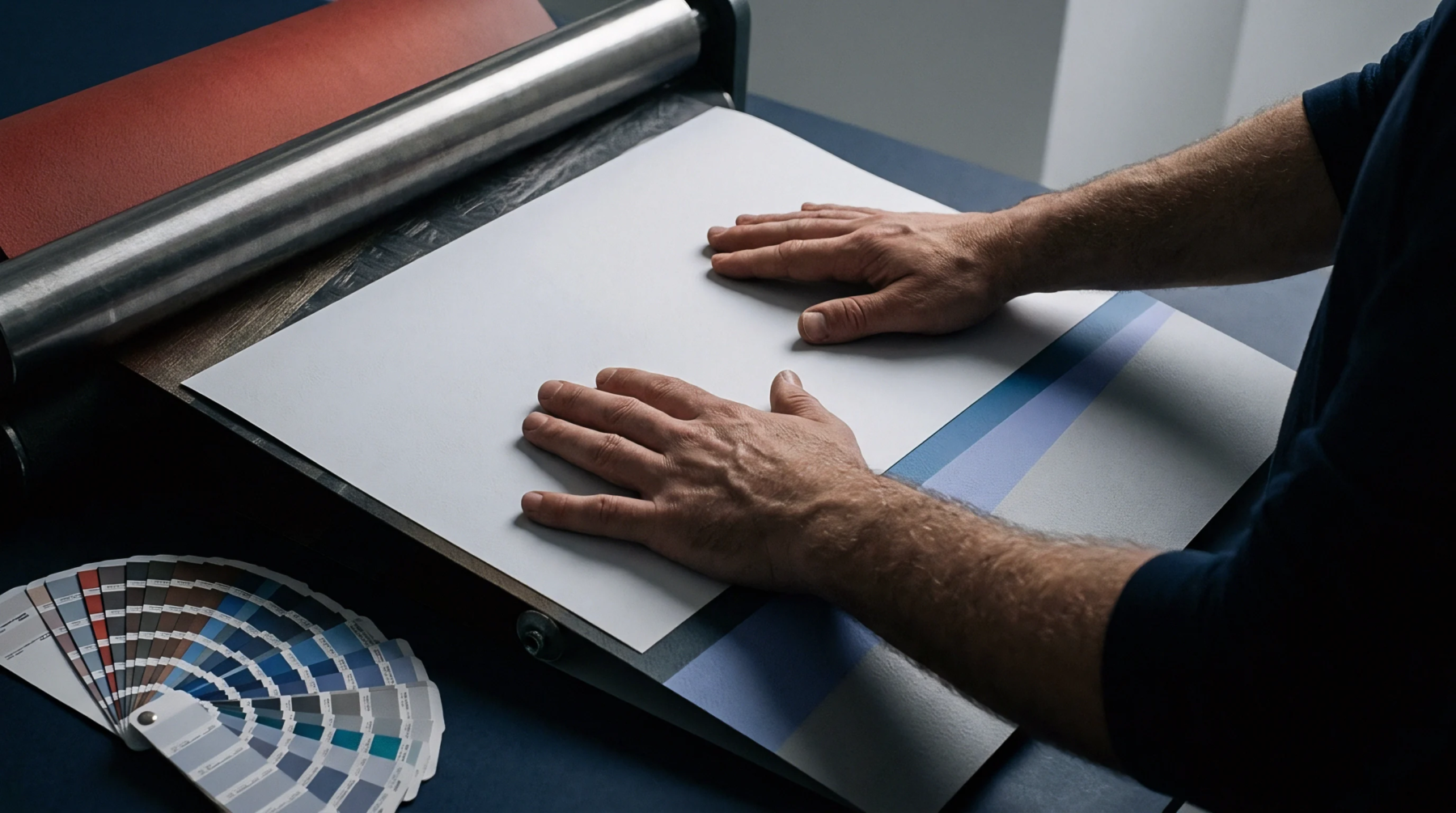
Managing hygroexpansion in multi-pass laminating requires balancing substrate moisture, tension, and barrier symmetry to stop curl and register failures.

Attenuated total reflectance infrared spectroscopy combined with thermal analysis isolates extrusion resins from dispersion coatings to verify repulpability.

Micro-scale tooling forces hollow cellulosic cell walls past transverse yield, where apex radii under thirty micrometers balance wall densification against fiber shear.
Aqueous dispersion coatings replace extruded polyolefins by trading higher drying energy for mono-material EPR fee rebates when repulpable under CEPI rules.
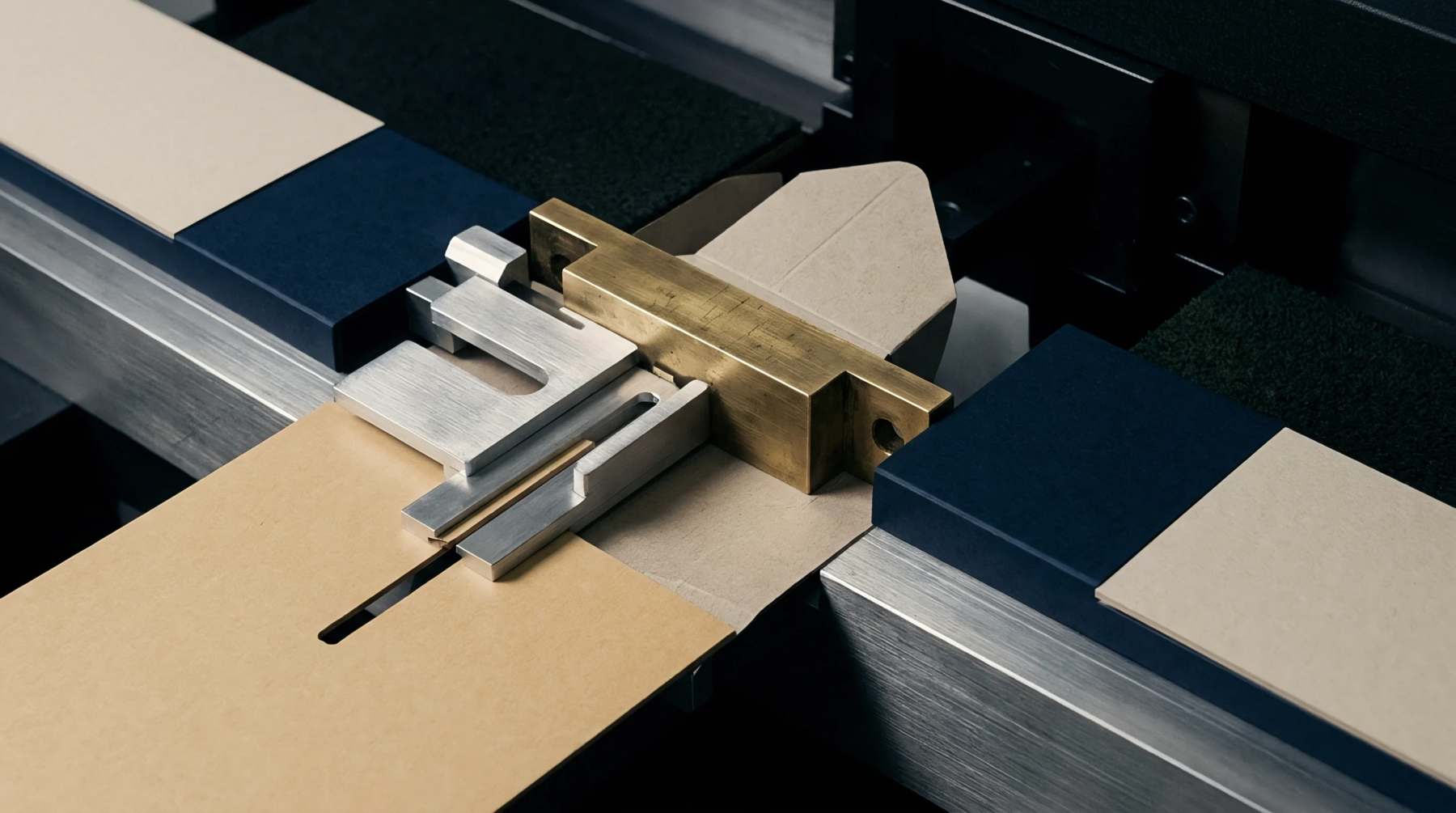
Water based dispersion coatings replace extruded plastics on cartons by balancing polymer chemistry, coat weight, drying capacity, and fiber repulpability.
Water sorption depresses latex film glass transition temperatures, slashing barrier composite stiffness by up to 45% and requiring controlled crosslinking.

Polyurethane soft-touch laminates fail above 115 degrees Celsius and 18 kilonewtons of line pressure, causing matte collapse, score cracking, and scuffing.
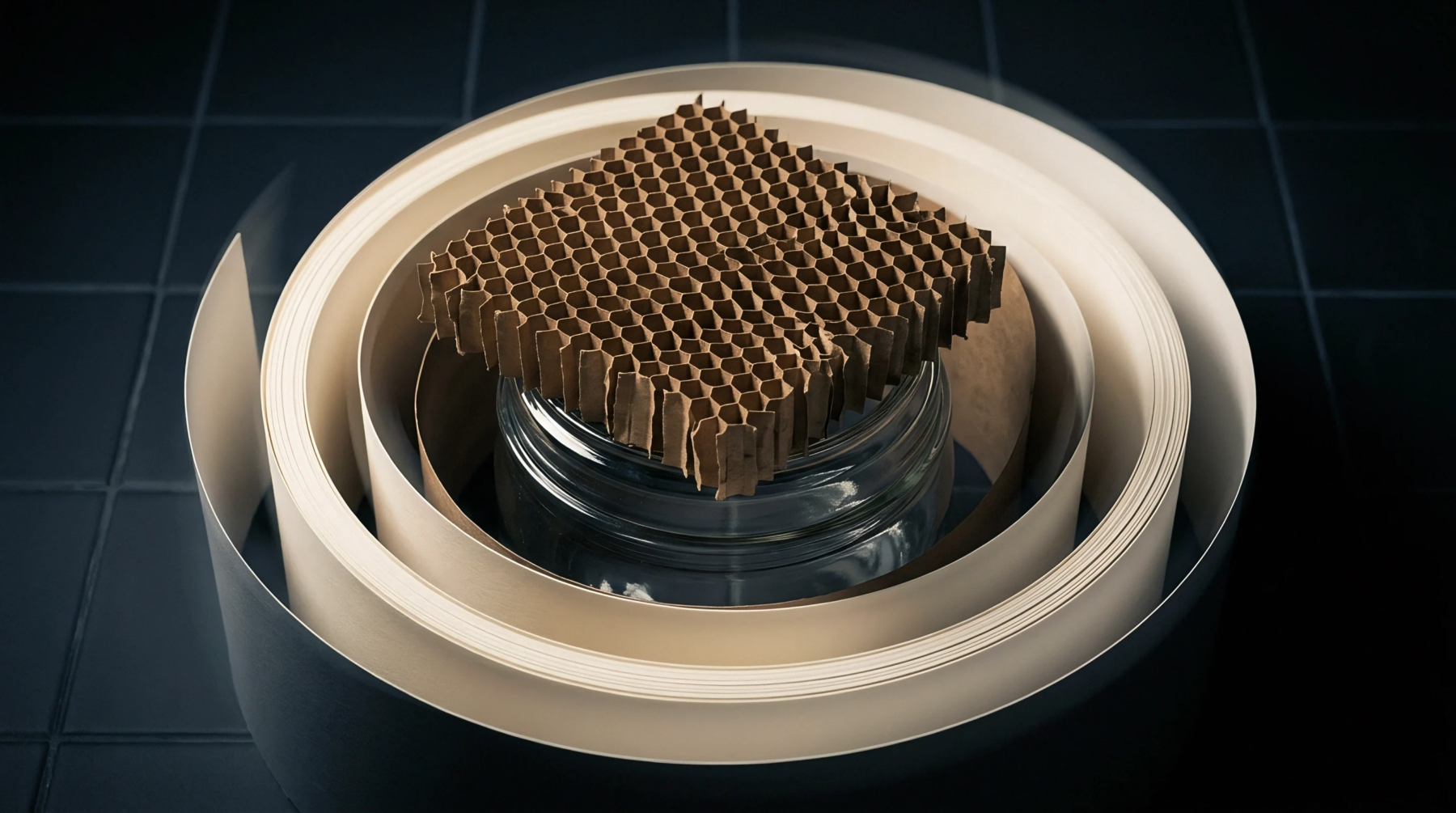
Reversing lamination and hot stamping passes increases crease crack resistance by 34 percent while degrading mechanical fiber yield under CEPI testing by 18 points.
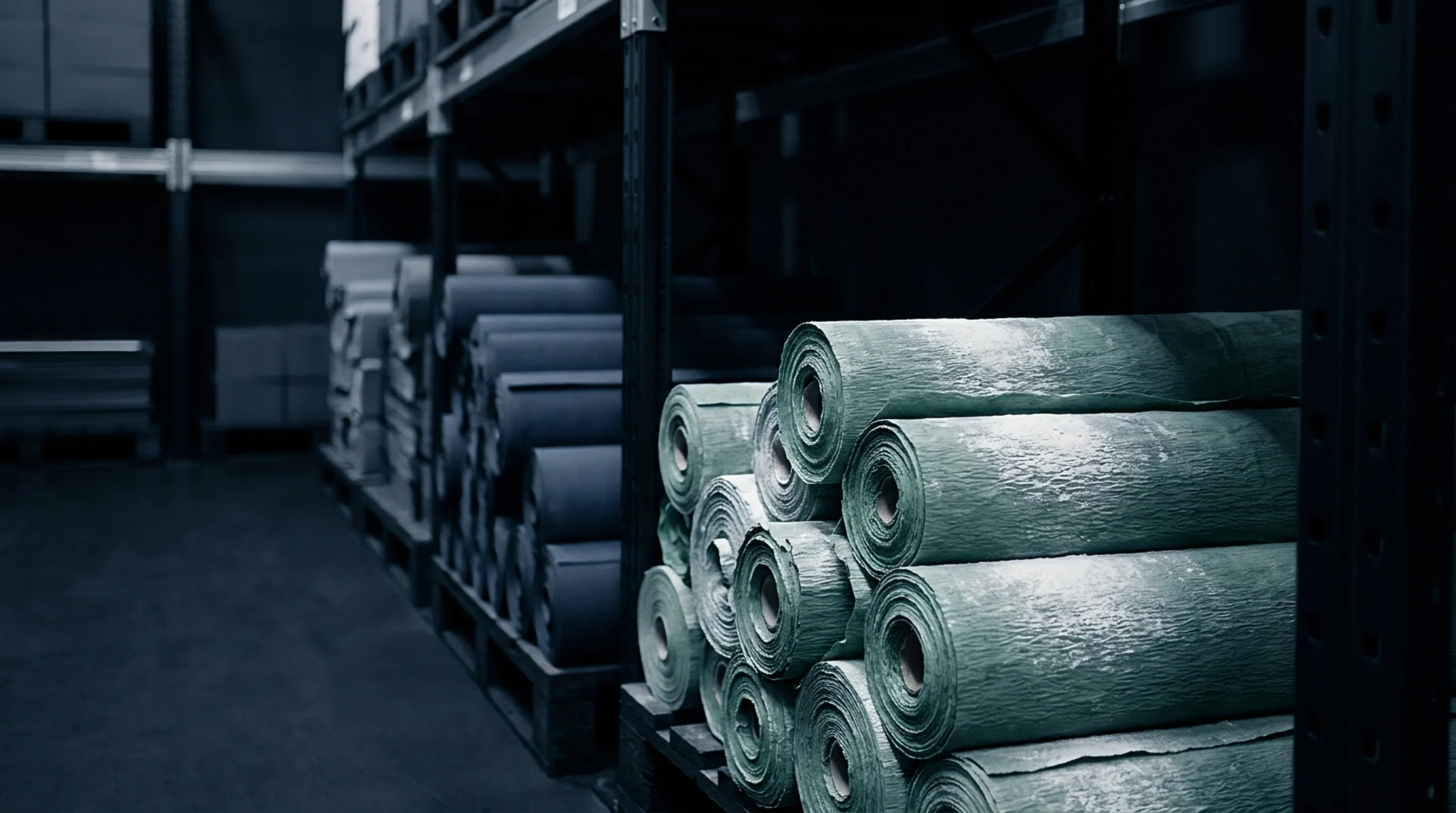
Aqueous dispersion barrier boards resist cold chain moisture through double-pass uniform coat weights and flexible low-Tg chemistry that prevents crease rupture.
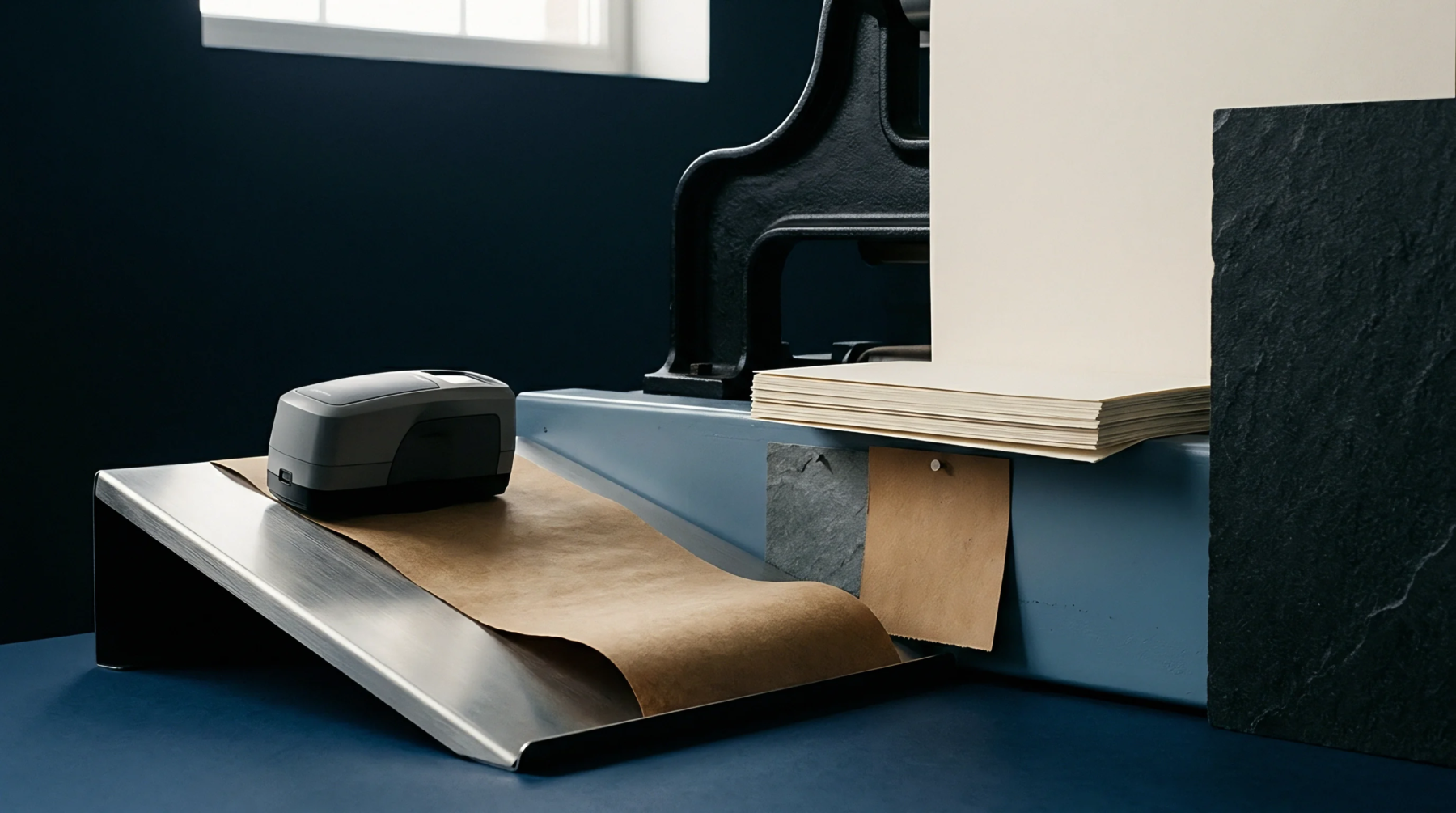
Laboratory fiber yield metrics depend on screen slot geometry and ash corrections, directly determining EPR eco-modulation fee surcharges on packaging.
Hydro-pulper fiber recovery yield under EN 13430 requires dry accepted fiber mass to exceed 85% of substrate weight using controlled tip speeds and temperature.
Expertise is a utility, not a secret. sentiention™ publishes its working knowledge as open reference: intelligence layer covering the materials it sources, the markets it enters, and the reference that serves both.