Fiber Analysis
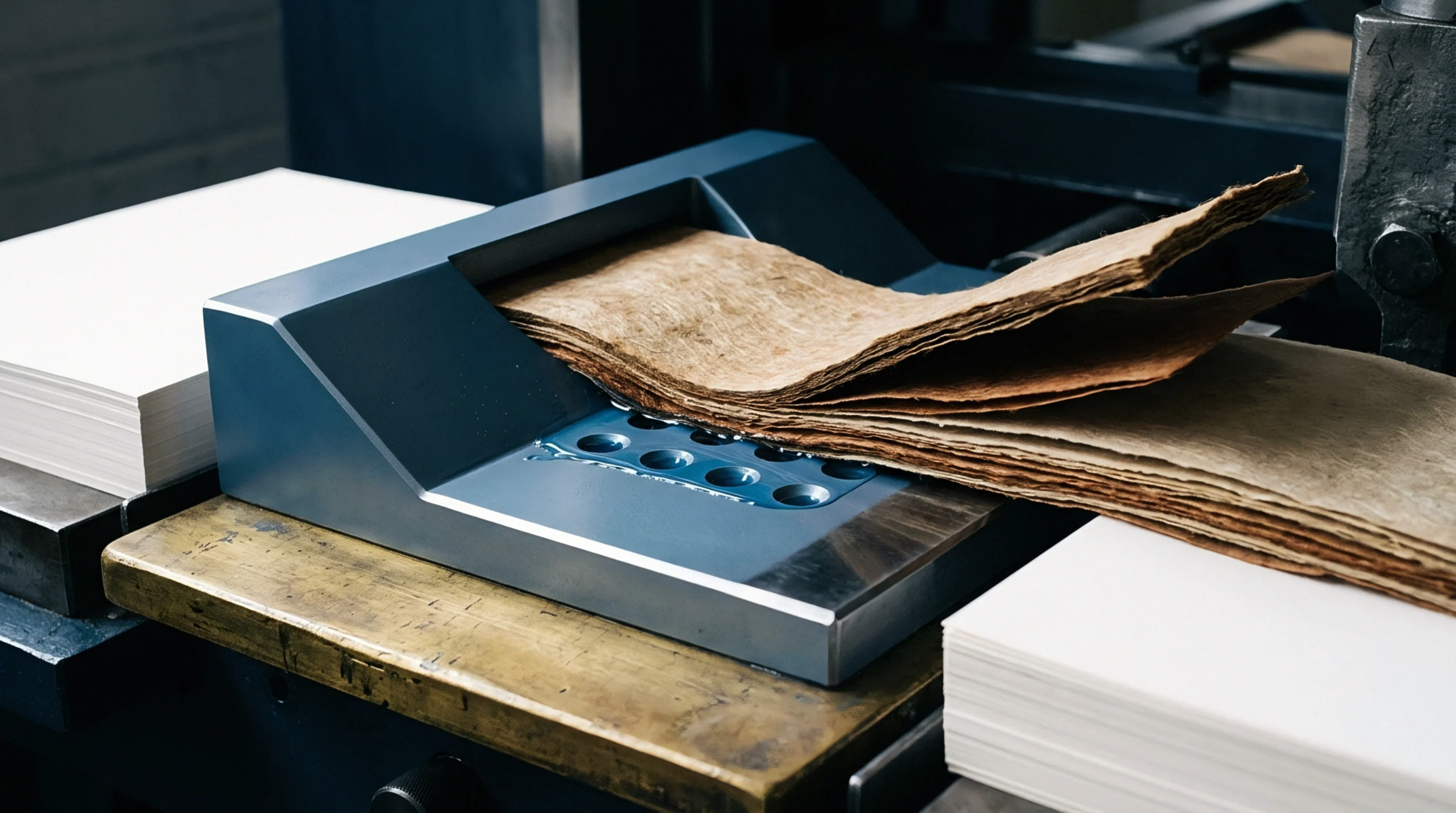
An advanced laboratory procedure measures the ultimate strength of individual papermaking fibers rather than the strength of the fiber network. This evaluation method, known as the zero-span tensile test, clamps the paper specimen with virtually no gap between the jaws. It forces the applied tensile stress to break the fibers themselves rather than pulling them apart at their bonding points.
The resulting value provides an estimate of the maximum strength potential of the pulp.
Clamping Methodology
Operating this test requires specialized jaws that must come into perfect contact with a gap of less than several micrometers. In the zero-span tensile test, the sheet is gripped so tightly that the fiber length between the jaws is effectively zero, preventing any fiber slippage. When the tension is applied, the force represents the average breaking strength of the fibers crossing the fracture line.
This is distinct from a standard tensile test, which measures the combined strength of the fiber bonds and the fibers. By comparing the results of the two tests, papermakers can calculate the bonding index, which reveals how efficiently the fiber strength is being used in the sheet.
Furnish Assessment
Mills use these results to evaluate the quality of incoming pulp shipments and the effect of pulping and bleaching processes. If the zero span value is low, it indicates that the chemical cooking has degraded the cellulose chains, weakening the fibers. Sourcing teams rely on this testing to verify that recycled fiber or alternative pulps have sufficient intrinsic strength for heavy duty applications.
This diagnostic tool is indispensable for optimization of furnish costs in mills that produce high strength boards.