Runnability Index
Carton blank transport characteristics through high-speed folding and gluing machinery govern converting efficiency and product quality during high-volume box production. Assessing folder gluer machinability determines how consistently die-cut blanks pass through feeder belts, pre-folding sections, adhesive application stations, and compression belts without jamming or misaligning. Scope covers solid bleached sulfate and recycled folding boxboard cartons, ending where manual box assembly or rigid set-up box production takes over.
Operational Factor
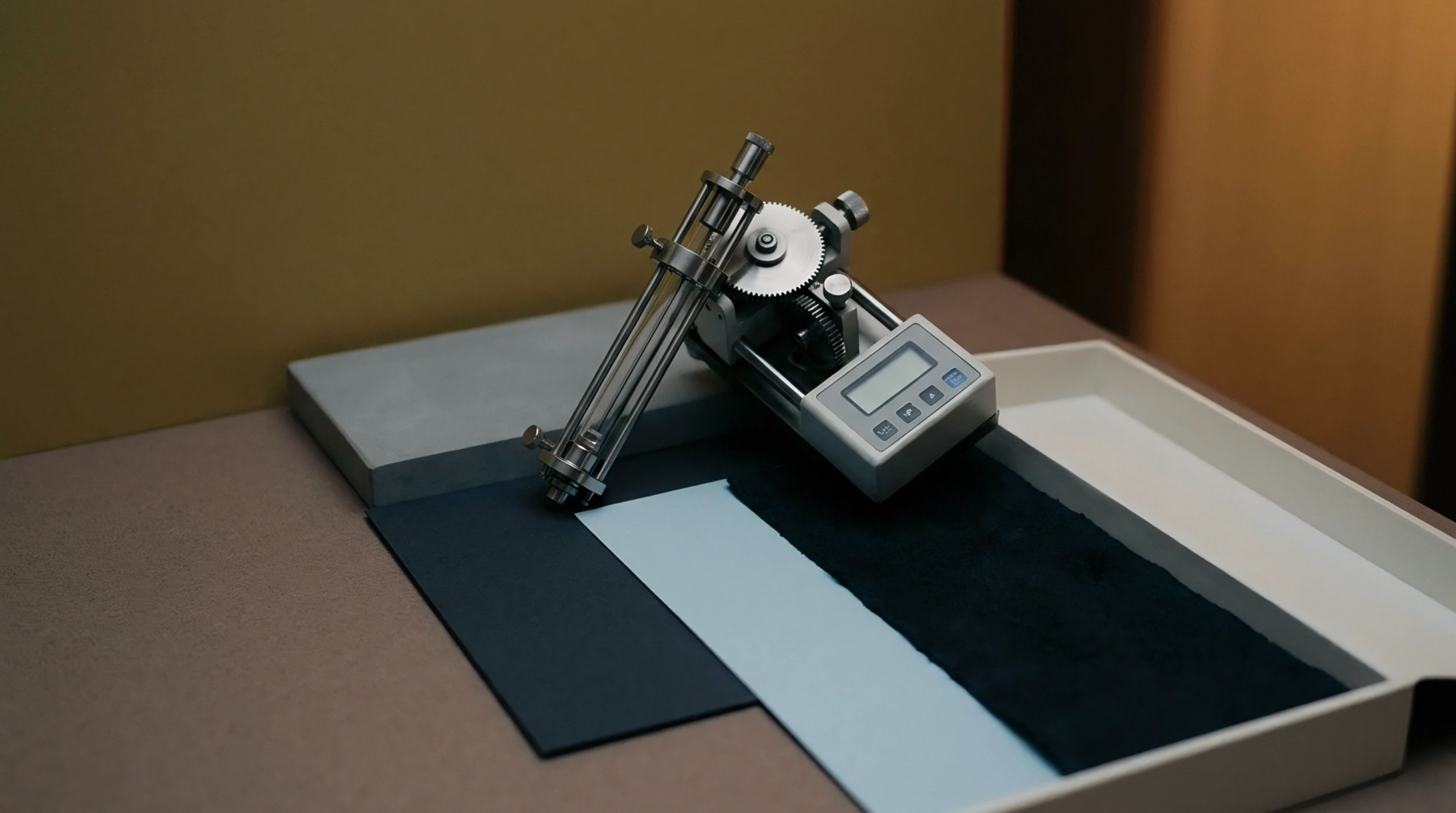
Friction coefficients on coated paperboard surfaces dictate feeder belt traction and blank separation at the machine inlet. In high-speed packaging operations, folder gluer machinability declines when ink varnish rubs off onto transfer belts or static electricity builds up across stacked blanks. Pre-breaking score lines to one hundred eighty degrees ruptures internal fiber bonds along crease channels, reducing opening force requirements on downstream automated filling lines.
Adhesive wheel contact and cold-glue jet nozzles require consistent blank speed to deposit exact glue line geometry on glue flaps. Score line deviation causes fishtailing where opposite panel edges fail to align parallel upon folding. Moisture variation in board stock alters panel stiffness dynamically.
Anti-setoff powders contaminate belt surfaces and reduce traction. Belt tension adjustments correct minor skewing.
Line Performance
Line throughput depends directly on maintaining stable carton alignment through compression belts to allow full adhesive tack development. Poor folder gluer machinability forces press operators to reduce belt speeds or increase compression pressure, risking carton crushing. Die-cut blank dimensional accuracy eliminates blank feeding interruptions.
Consistent score depth prevents panel bowing.