Evaluating Polymer Barrier Degradation Mechanics during High Speed Folder Gluer Scoring
High-speed scoring forces polymer barrier films past strain limits, demanding wide scoring rules and matrix channels to prevent micro-cracking and barrier loss.

Pinch

Kinematics of High Speed Mechanical Scoring
High line speeds on modern finishing machinery force cartonboard blanks through matrix scoring units at velocities reaching ten meters per second. During female-male scoring rule engagement, the paperboard substrate and its attached polymer barrier experience extreme localized deformation within an action window lasting less than three milliseconds. Tensile forces concentrate along the outer face of the crease, while high shear and compression stresses compress the inner plies facing the male scoring rule.
Fiber network displacement occurs simultaneously with polymer extension, generating severe strain gradients across the material interface.
Paperboard fibers shear first. When the male steel rule depresses the board into the matrix channel, the primary mechanical resistance stems from internal ply separation within the fibrous substrate. The thin polymer layer, typically measuring between twelve and thirty micrometers, must stretch across the expanding outer radius of the fold without losing continuity.
At production rates exceeding four hundred meters per minute, the localized strain rate imposed on the polymer film exceeds one thousand per second. Under these dynamic conditions, polymer chains lack the stress-relaxation time available during benchtop testing, altering the mechanism of material response.
Water vapor transmission rate increases by four hundred percent when score penetration depth exceeds seventy-five percent of substrate caliper on three hundred gram per square meter coated bleached board.
Extrusion-coated polyolefins and water-based dispersion barriers react differently to this violent mechanical impulse. While bulk paperboard absorbs force through delamination between fiber plies, the thin surface barrier cannot delaminate internally. Stress transfers directly into the polymer network, forcing rapid elongation along the crease line.
Micro-scale necking occurs at stress concentration points, localized over underlying paperboard voids or fiber bundles. If local tensile elongation exceeds the ultimate strain capacity of the polymer at high strain rates, micro-crazing and discrete film ruptures form along the internal apex of the score.

Stress Distribution across Coated Board Layers
Multi-layer barrier structures display complex strain profiles across their cross-sections during scoring die penetration. Crease width alters strain. In a standard reverse-break crease, the barrier film situated on the inside of the fold undergoes intense compressive buckling, whereas a barrier situated on the outside of the fold experiences maximum planar extension.
The magnitude of peak tensile strain depends on substrate caliper, male rule width, matrix channel clearance, and the depth of penetration into the anvil tool.
Calculations derived from cross-sectional strain modeling demonstrate that outer surface elongation rises non-linearly as male rule penetration increases. Substrate fibers beneath the polymer film stretch, slide, and fracture, creating irregular anchor points for the continuous coating. When the paperboard substrate reaches its ultimate tensile strength and undergoes localized fiber fracture, the overlying polymer coating loses structural support.
Tensile stress shifts entirely into the unsupported film span, causing localized necking, pinhole formation, or full rupture along the fold axis.
Cold board splits easily. Thermal conditions inside the converting facility directly affect stress distribution during high-speed scoring. Unheated board runs through scoring stations at ambient temperatures of eighteen degrees Celsius, where polymer ductility drops significantly compared to elevated thermal processing states.
Internal shear stresses accumulate along the interface between the paperboard top liner and the extruded barrier coating. Poor interfacial adhesion exacerbates damage, as the polymer film peels away from the substrate rather than stretching across fiber gaps, resulting in physical delamination and immediate barrier destruction.
Excessive penetration of the male rule cuts through the top liner fibers, transferring destructive shear force into the polymer interphase and creating continuous crack paths across the package crease line.
Polymers
Strain Rate Sensitivity and Ductile Brittle Transition
Extruded barrier film layers behave differently under rapid impact loading than during slow laboratory tensile tests. Macromolecular arrangements inside polyolefins, biopolymers, and synthetic acrylic dispersions dictate mechanical response under dynamic strain fields. Polymer chains yield under strain.
At low deformation rates, semi-crystalline polymers like low-density polyethylene adjust to applied stress through chain disentanglement and lamellar slip, allowing high total elongation before rupture. High strain rates freeze these long-range molecular motions, shifting the material toward brittle fracture behavior.
The ductile-to-brittle transition temperature of barrier polymers shifts upward as strain rates increase during folder-gluer processing. Polybutylene succinate and polylactic acid formulations exhibit severe strain-rate sensitivity at ambient converted board temperatures. A biopolymer film showing forty percent elongation at static bench test speeds may display less than five percent elongation when hit by a scoring rule at five hundred meters per minute.
This dramatic reduction in strain tolerance leads to catastrophic micro-cracking along the score apex, destroying gas and moisture barrier integrity.
ASTM D1938 trouser tear resistance on extruded polyolefin barrier film drops by sixty-five percent when testing speed increases from fifty to five hundred millimeters per minute.
Aqueous dispersion coatings based on styrene-acrylic copolymers or synthetic wax blends present distinct brittle fracture characteristics. These thin coatings, applied at dry coat weights between six and fourteen grams per square meter, form cross-linked or closely packed particle networks. High-speed scoring forces these rigid film structures beyond their yield point.
Instead of necking, dispersion coatings develop high-density networks of sub-micron micro-fissures. These micro-fissures remain virtually invisible to the naked eye but allow rapid gas, water vapor, and liquid oil migration through the creased carton boundary.
Polymer Crystallinity and Branching Effects
Molecular architecture within the barrier resin determines its resistance to score-induced degradation. High crystallinity enhances ambient gas barrier properties but increases structural brittleness under dynamic creasing loads. Polymer morphology creates specific failure pathways during scoring operations, detailed across several distinct resin configurations:
- Metallocene linear low-density polyethylene features narrow molecular weight distribution and uniform short-chain branching, providing superior tensile toughness and crack resistance across high-speed scoring dies compared to conventional low-density resins.
- High-density polyethylene possesses high crystallinity exceeding seventy percent, yielding exceptional moisture protection on flat sheets but suffering severe pinholing and linear brittle splitting along scoring folds.
- Polyhydroxyalkanoates exhibit slow crystallization kinetics post-extrusion, causing changing physical brittleness over storage time that leads to unpredictable creasing performance during converting shifts.
- Water-based styrene-butadiene dispersions utilize rubbery synthetic segments to maintain elastic recovery, preventing pinhole propagation during score bending at the expense of lower oil barrier performance.
Film thickness dictates minimum crease radius. Thicker polymer coatings do not automatically improve post-scoring barrier performance. Excessive film thickness increases the distance from the neutral bending axis during carton formation, exponentially increasing tensile stress on the outer surface of the polymer layer.
An over-application of barrier resin can consequently worsen cracking mechanics during folder-gluer scoring operations.
Material suppliers state that pinholes occurring along fold lines stem from improper die geometry and insufficient moisture content in the underlying paperboard rather than structural defects within the delivered polymer resin formulation.


Profile
Which Scoring Rule Width Prevents Barrier Micro-Fracturing?
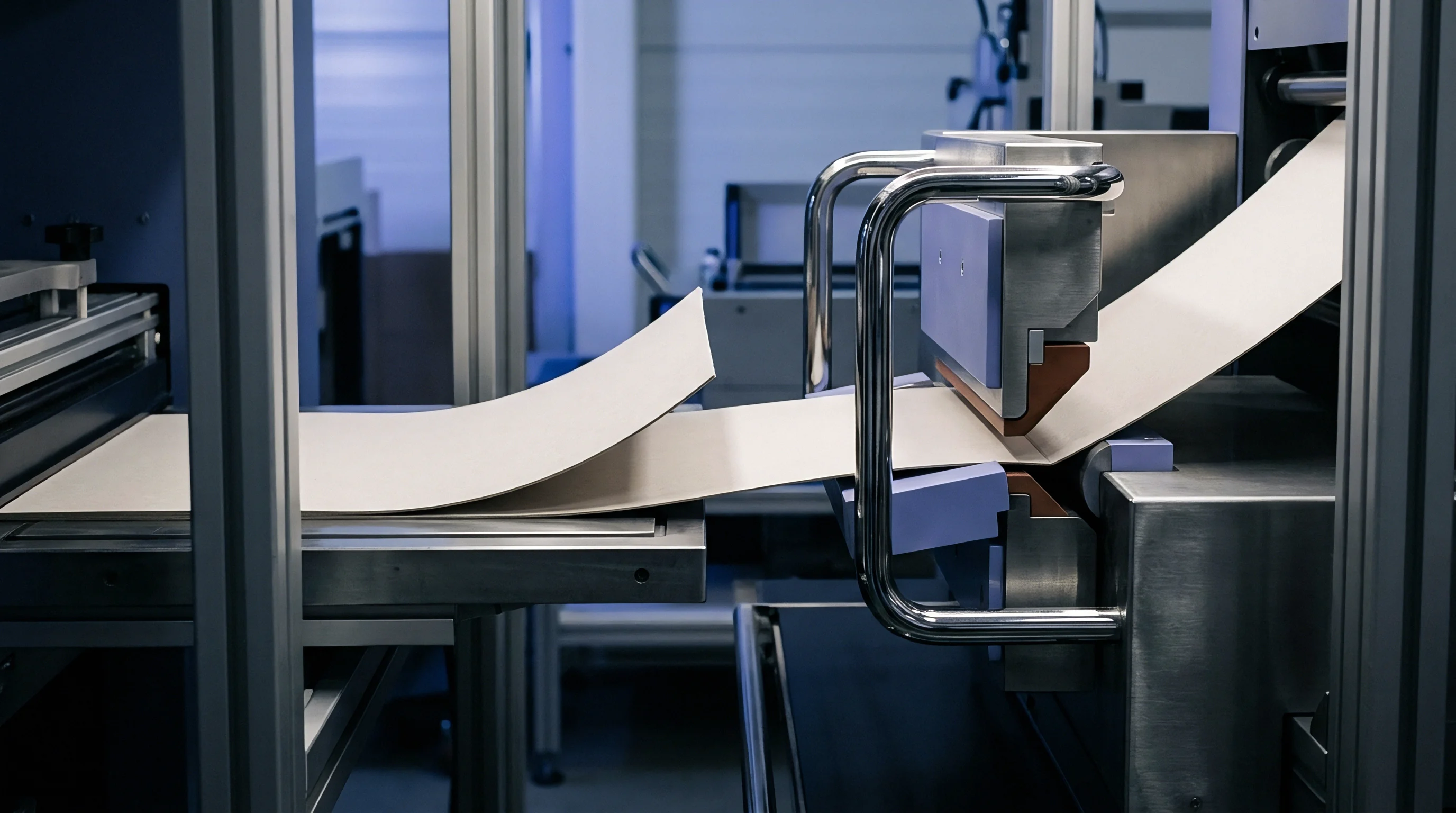
Tooling selection dictates the mechanical clearance between the male steel rule and the female scoring channel. Standard folding carton converting utilizes rule thicknesses specified in point sizes, where one point equals zero point three five six millimeters. Matching rule thickness and channel width to substrate caliper governs whether a barrier coating undergoes smooth plastic deformation or destructive localized shear.
Male rule selection directly affects scoring performance. A two-point rule measuring zero point seven one millimeters wide generates concentrated strain along a narrow apex. On paperboard calipers exceeding four hundred micrometers, a two-point rule drives severe fiber shear, tearing the top liner and snapping thin barrier films.
Substituting a three-point rule measuring one point zero seven millimeters distributes mechanical force over a broader area. This radius expansion reduces localized strain rate, allowing the polymer film to stretch gradually across the creased trough.
DIN 55437 score quality rating requires matrix channel width to equal one point four times board caliper plus rule thickness to prevent top-liner rupture.
Anvil tool clearance calibration determines crease geometry depth. Matrix channels that are too narrow squeeze paperboard fibers tightly against the rule edges, inducing double-shear fractures that cut directly through the barrier layer. Matrix channels that are too wide fail to set the crease, requiring excessive folder-gluer force to fold the carton flaps.
High folding torque on poorly set scores induces severe secondary stretching, tearing the barrier coating along the internal package seam during high-speed carton assembly.

Matrix Depth and Channel Width Calibration
Setup bring-up sequence on high-speed gluer scoring units requires systematic mechanical adjustment to preserve film continuity while maintaining carton foldability:
- Measure paperboard caliper using a calibrated micrometric gauge to establish baseline board thickness across five sampling points on the blank.
- Select male crease rule width using three-point rule for calipers above four hundred micrometers and two-point rule for calipers below four hundred micrometers carrying polymer barriers.
- Calculate female matrix channel width using the baseline formula where channel width equals substrate caliper multiplied by one point five plus the male rule thickness.
- Set matrix channel depth equal to substrate caliper to ensure sufficient fiber displacement without crushing the top-liner barrier interphase.
- Adjust scoring nip pressure incrementally until crease stiffness reaches target values between twenty and thirty-five millinewtons on a two-degree fold stiffness tester.
- Verify barrier continuity along the score line using low-viscosity liquid dye penetration testing prior to committing the high-speed production run.
Matrix channels cushion rule impact. Precision steel counter-dies or high-density phenolic creasing matrices provide stable dimensional tolerances across long converting runs. Elastic rubber counter-dies absorb shock but allow variable penetration depth across the sheet, causing erratic barrier degradation along outer carton scores.
| Substrate Caliper (µm) | Barrier Coating Type | Male Rule Width (pt / mm) | Matrix Channel Width (mm) | Matrix Channel Depth (mm) | Expected Post-Score WVTR Retained (%) |
|---|---|---|---|---|---|
| 300 | LDPE Extrusion (18 g/m²) | 2 pt / 0.71 mm | 1.16 mm | 0.30 mm | 92 |
| 300 | Aqueous Dispersion (10 g/m²) | 2 pt / 0.71 mm | 1.25 mm | 0.30 mm | 84 |
| 450 | LDPE Extrusion (18 g/m²) | 3 pt / 1.07 mm | 1.75 mm | 0.45 mm | 89 |
| 450 | Aqueous Dispersion (10 g/m²) | 3 pt / 1.07 mm | 1.85 mm | 0.45 mm | 78 |
| 600 | PLA Biopolymer (20 g/m²) | 3 pt / 1.07 mm | 2.10 mm | 0.60 mm | 71 |
Widening the female scoring matrix channel while softening the rule penetration depth preserves barrier film continuity whenever board thickness fluctuates across mill rolls.

Transit
Barrier Measurement Techniques at Creased Edges
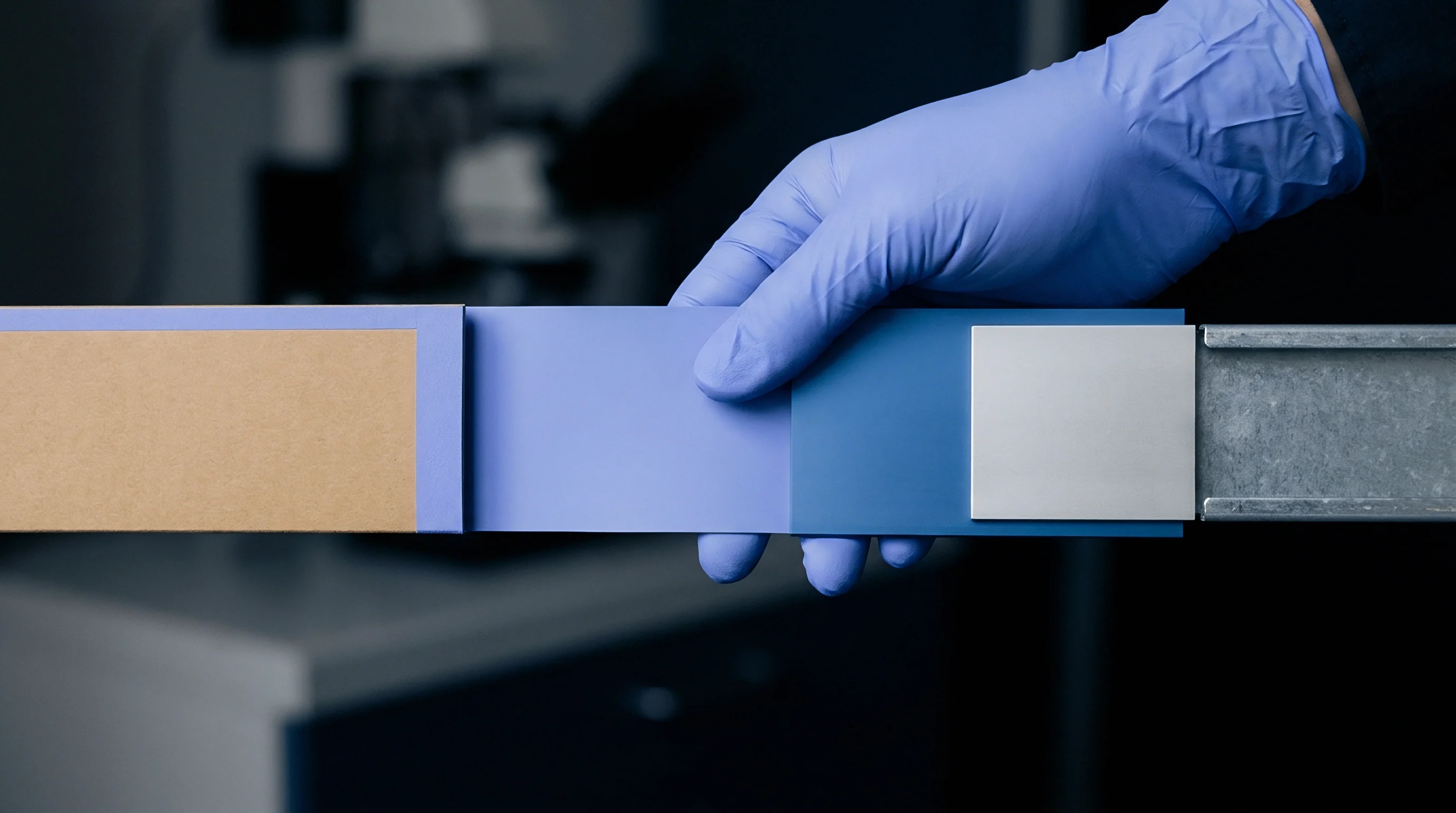
Evaluating barrier loss along scored creases demands specialized test protocols distinct from flat sheet measurements. Flat sample testing yields artificially optimistic barrier numbers, as it fails to account for mechanical damage inflicted during scoring and folding passes. Standardized testing must isolate the crease line to quantify localized gas and liquid transmission rates.
Water vapor transmission rate testing under ISO 15106-2 or ASTM F1249 utilizes infrared sensors to measure moisture diffusion through barrier substrates. To evaluate score degradation, samples are prepared by making crossed scores within a designated test mask area, exposing thirty to fifty square centimeters of creased surface to a controlled humidity gradient of thirty-eight degrees Celsius and ninety percent relative humidity. Comparative data reveals that flat extrusion-coated board yielding water vapor transmission rates below two grams per square meter per day frequently jumps to fifteen or twenty grams per square meter per day once folded ninety degrees along a high-speed score.
Dye tests detect invisible pinholes. Liquid dye penetration under ASTM F1929 isolates discrete film discontinuities caused by scoring dies. A low-surface-tension dye solution containing methyl violet or rhodamine dye mixed with isopropyl alcohol is applied along the interior fold line.
Capillary action drives the liquid dye through micro-fractures, staining the raw paperboard fibers beneath within seconds. Counting stain points per linear meter of crease provides a quantitative pinhole density value directly correlated with machine scoring speed and die geometry setup.

Moisture and Gas Permeation Failure Modes
Barrier breakdown along converted scores occurs through distinct physical mechanisms depending on material chemistry and mechanical strain during converting operations:
- Linear micro-crazing develops in rigid dispersion coatings, creating continuous sub-micron avenues for water vapor and oxygen diffusion without visible fiber tearing.
- Discrete pinhole rupture occurs in thin polyolefin coatings when underlying paperboard fibers snap, forcing localized film tearing at fiber peak locations.
- Interfacial delamination opens macroscopic channels between the barrier coating and the top liner, enabling rapid lateral moisture migration through fiber wicking along the crease.
- Environmental stress cracking manifests when barrier coatings exposed to vegetable oils or surfactant liquids undergo accelerated crack growth along pre-stressed scoring folds.
Moisture loss spoils sensitive dry foods. Oxygen transmission rate testing per ASTM D3985 uses coulometric sensors to measure oxygen flux across creased samples. For sensitive packaging applications such as modified-atmosphere food containers, creased score lines represent over ninety percent of total oxygen ingress into the sealed package volume.
Grease resistance testing via TAPPI T 559 Kit testing similarly demonstrates dramatic drops along scores, where a flat sheet rating of Kit 12 often degrades to Kit 3 or lower following high-speed folder-gluer conversion.
| Barrier Polymer System | Coat Weight (g/m²) | Flat WVTR (g/m²·day) | Creased WVTR (g/m²·day) | Flat Kit Value | Creased Kit Value |
|---|---|---|---|---|---|
| Extruded LDPE Resin | 18 | 1.4 | 8.2 | 12 | 9 |
| Extruded mLLDPE Blend | 18 | 1.2 | 2.8 | 12 | 12 |
| Extruded PLA Biopolymer | 22 | 8.5 | 38.0 | 11 | 4 |
| Aqueous Acrylic Dispersion | 12 | 4.2 | 19.5 | 10 | 5 |
| Styrene-Butadiene Latex | 14 | 6.8 | 12.1 | 7 | 6 |
Standard supply agreements incorporating ASTM F1929 zero-penetration clauses force converters to credit the entire lot when dye migration appears along score lines during incoming quality control.

Metrics

Inline Optical and Ultrasonic Defect Detection
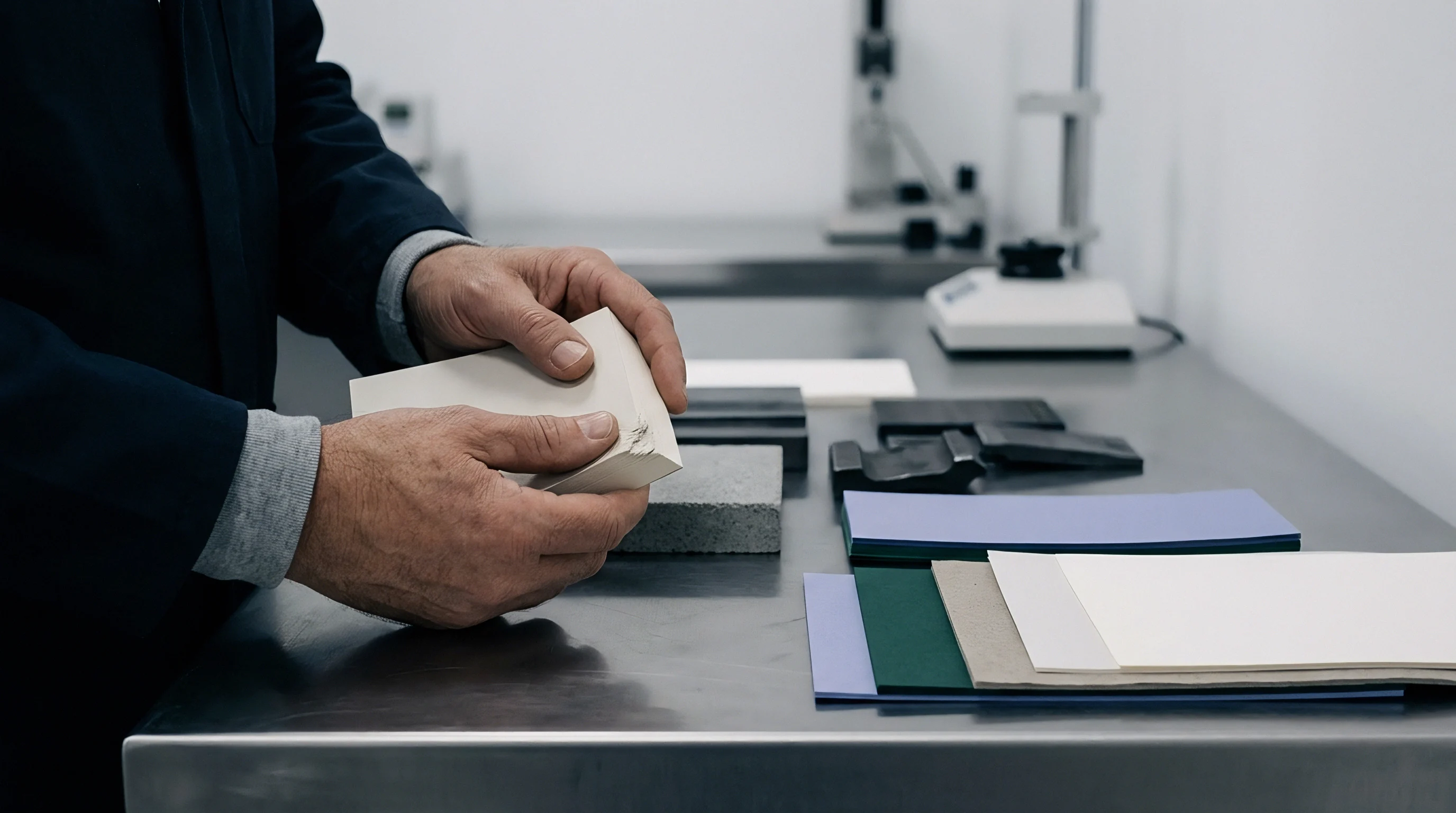
High-speed converting lines running six hundred blanks per minute require dynamic verification systems to identify micro-fissures before cartons reach outer packing cases. Traditional offline quality control sampling leaves thousands of defective cartons unchecked during continuous shift production. Modern folder-gluers integrate advanced inline sensor suites to evaluate score line integrity at full line velocity.
Camera sensors flag ruptured creases. High-resolution line-scan vision systems mounted on folder-gluer transfer belts inspect crease geometry under specialized dark-field LED lighting. Ruptured paperboard fibers and torn top-liners exhibit distinct light scattering profiles compared to smooth, intact score troughs.
Real-time image analysis algorithms flag blanks showing fiber lift or surface tears exceeding pre-set spatial limits, automatically activating high-speed pneumatic ejector gates to purge defective units.
Fluorescent dye tracing provides instantaneous feedback on barrier coating continuity. Converters mix invisible UV-fluorescent tracers into aqueous dispersion coatings or extrusion primer layers at concentration levels below zero point five percent by weight. Inline ultraviolet light sources excite the score lines at the gluer ejection module.
Photodiode sensor arrays detect fluorescence quenching or intensity dips caused by film thinning and micro-crazing along the fold line, signaling operator intervention when barrier damage exceeds established threshold baselines.
Statistical Sampling Limits for High Volume Gluer Runs
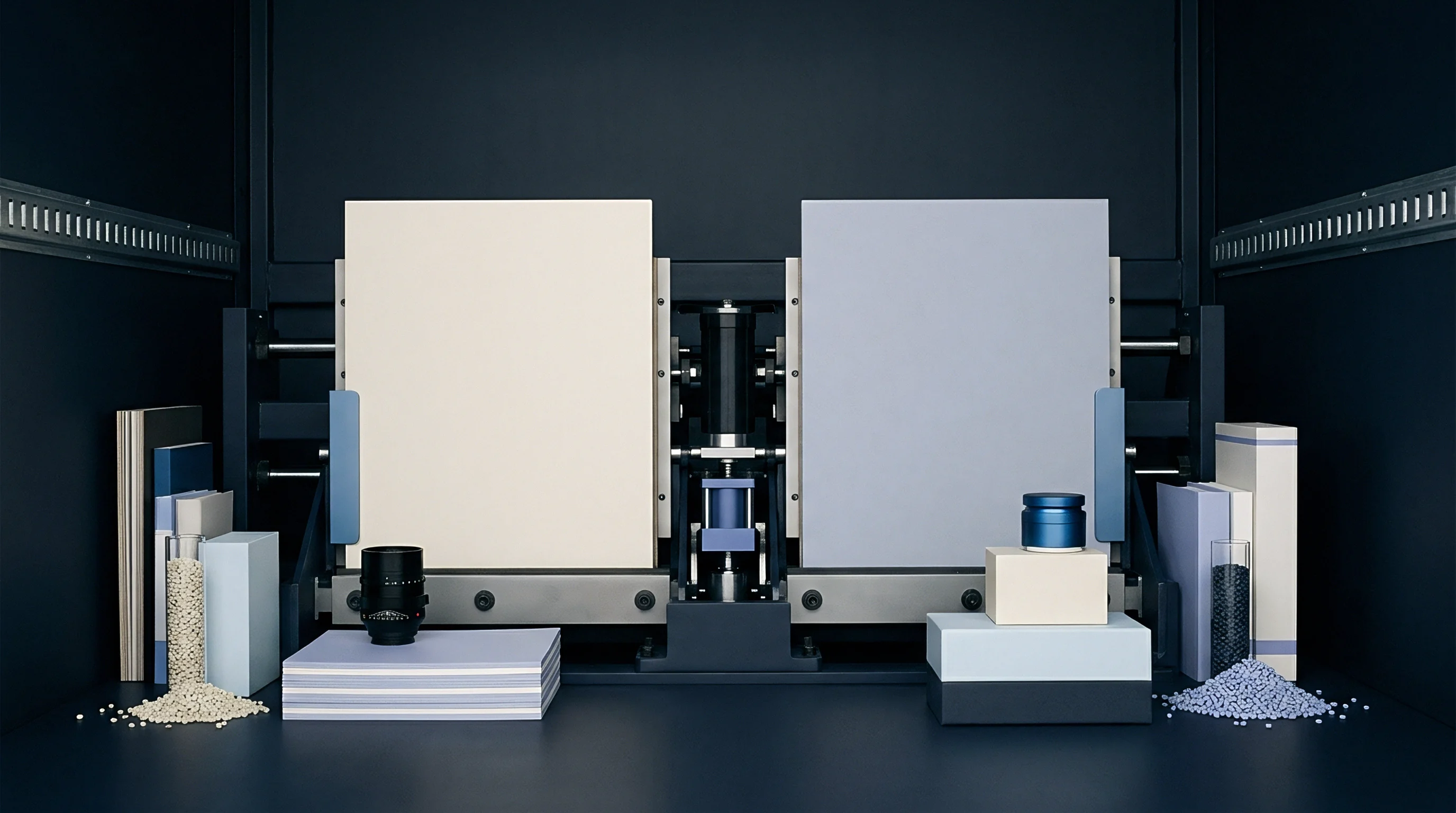
Quality assurance protocols for barrier packaging dictate precise sampling frequency and acceptable defect thresholds under ISO 2859-1 sampling frameworks. Decision criteria for selecting inline and offline inspection technology depend on specific operational capabilities:
- Line-scan vision inspection processes up to one thousand blanks per minute, identifying physical fiber tears and top-liner splitting down to fifty micrometers resolution.
- UV fluorescence monitoring measures continuous chemical coating coverage along crease channels, flagging local coat weight drops below six grams per square meter.
- Ultrasonic edge wave testing evaluates subsurface ply separation along score lines without destroying the blank, verifying crease depth uniformity across varying board densities.
- Offline vacuum decay testing quantifies gross leak rates on fully glued cartons under negative pressure, establishing absolute seal performance for liquid-tight packaging formats.
Tooling alignment protects barrier layers. Statistical process control charts tracking score line defect frequency display clear trends linked to tooling wear and temperature shifts inside the finishing plant. Defect rates spike at high speed.
As male scoring rules wear or matrix inserts loosen under continuous high-frequency impacts, score depth drifts out of tolerance, triggering immediate increases in dye penetration failure rates.
A statistical sampling protocol establishing an Acceptable Quality Limit of zero point four percent for barrier pinholing demands that thirty-two samples be pulled and vacuum-tested per ten thousand converted blanks. Quantified uncertainty persists regarding the exact relationship between sub-micron micro-crazing observed in lab microscopic assays and long-term shelf-life degradation in commercial distribution environments. Published studies establish that micro-fissures under five hundred nanometers width restrict liquid moisture pass-through while permitting slow gas exchange, yet existing industrial test instruments cannot measure this boundary condition inline at full machine speed.
The exact physical threshold where sub-micron micro-crazing inside dispersion coatings transitions into continuous gas permeation channels under long-term refrigerated storage conditions remains unquantified across board supply batches.

Charge

Extended Producer Responsibility Fees and Recyclability Modulations
Substrate degradation during folding directly influences carton scrap rates and EPR waste category assessments. Under the EU Packaging and Packaging Waste Regulation and national waste framework directives, packaging materials are assessed financial contributions based on material composition and repulpability performance under standard testing schemes like Cepi or 4evergreen protocols.
Polymer selection controls waste fees. Extruded polyolefin layers exceeding five percent total package weight trigger significant financial surcharges under Eco-modulation fee structures across European jurisdictions. Converting operations utilizing paperboard with eighteen grams per square meter LDPE extrusion coatings face higher base EPR fees per tonne compared to operations utilizing aqueous dispersion coatings applied at eight grams per square meter.
However, if an aqueous dispersion coating micro-fissures during high-speed scoring and causes liquid product leakage on retail shelves, the resulting product waste and carton rejection costs erase all upfront material fee savings.
Scrap packaging reduces gross margin. Running poorly optimized creasing dies on barrier board generates high internal waste during gluer bring-up and shift execution. Spoilage rates on difficult biopolymer-coated boards often reach four to six percent of total run volume, compared to baseline spoilage rates below one point five percent on standard virgin board grades.
Yield Losses and Downtime Economics
Consider a production run of five hundred thousand folding cartons manufactured from four hundred micrometer bleached paperboard carrying a functional barrier coating. The job runs on a folder-gluer at four hundred and fifty meters per minute, producing thirty thousand cartons per hour. Material cost for virgin board carrying an eighteen gram per square meter extruded polyolefin layer sits at one thousand eight hundred and fifty Euros per tonne, yielding a net substrate cost of forty-six Euros and twenty5 Cents per thousand blanks.
An initial setup using an unoptimized two-point scoring rule induces severe micro-fissuring along the principal fold line, resulting in a twelve percent failure rate during dye penetration quality audits. Stopping the finishing line to adjust scoring matrix inserts incurs ninety minutes of line downtime, priced at four hundred and fifty Euros per hour in lost machine capacity. Correcting the setup by installing a three-point rule with a widened matrix channel drops the defect rate below zero point two percent, saving thirty-five thousand defective cartons from reaching the customer packing hall.
| Barrier Specification | Coat Weight (g/m²) | Material Cost per 1,000 Blanks (€) | Scrap Rate during Run (%) | EPR Eco-Surcharge per Tonne (€) | Net Delivered Cost per 1,000 Cartons (€) |
|---|---|---|---|---|---|
| Extruded Polyethylene (LDPE) | 18 | 46.25 | 1.8 | 180.00 | 52.10 |
| Extruded Polybutylene Succinate (PBS) | 20 | 58.40 | 4.2 | 95.00 | 67.30 |
| Aqueous Dispersion (Styrene-Acrylic) | 10 | 49.10 | 2.5 | 20.00 | 51.80 |
| High-Barrier Aluminum Laminate | 6 (Alu) / 12 (PE) | 72.00 | 1.2 | 380.00 | 86.50 |
Recycling surcharges alter substrate economics. Factoring substrate purchase price, converting scrap losses, machine downtime charges, and end-of-life eco-modulation fees establishes total financial commitment. Aqueous dispersion barriers provide attractive EPR fee discounts under mono-material repulpability rules, but demand tighter scoring tolerances and specialized counter-die tooling to survive folder-gluer folding without micro-cracking.
Over-scoring to achieve flat carton stacking damages fragile barrier interphase networks, whereas under-scoring forces folder-gluer belts to apply high lateral pressure that scuffs exterior printed surfaces. Balancing tooling investment against waste penalties establishes the true operating margin for barrier packaging converting.