Cylinder Pressure
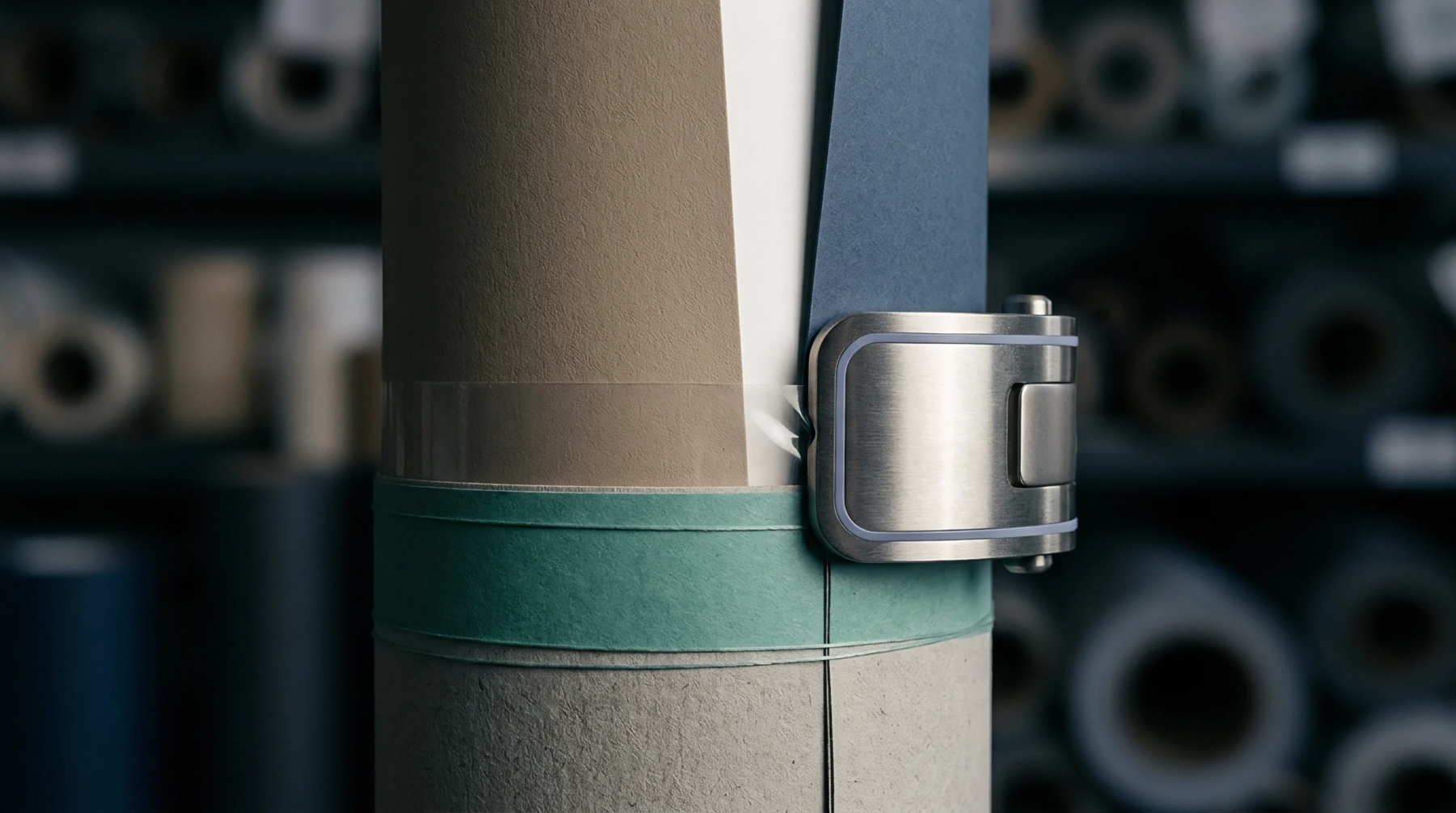
High-speed scoring relies on precise mechanical indentation to weaken heavy folding boxboard along a designated crease line before final packaging conversion. Rotary creasing cylinders apply concentrated linear force against a matching female groove to displace surface fibres without fracturing the internal structure. Operators adjust the radial clearance between the upper steel rule and the lower resilient counter die to match the caliper and moisture content of the incoming substrate.
Excessive penetration severs the bottom linerboard, while insufficient depth leaves the board too stiff for clean folding on high-speed gluing lines.
Creep Resistance
Fibre orientation and lignin distribution dictate how a scored corrugated sheet withstands sustained bending stress during automatic erector operations. Board elasticity allows the compressed hinge to spring back slightly toward its original flat plane immediately after leaving the nip point. Humidity fluctuations alter this recovery rate by softening hemicellulose bonds within the paperboard matrix, which changes the required crease depth.
Production managers monitor batch bending moments to ensure finished blanks maintain square geometry when fed into high-speed cartoning machinery.
Fracture Tolerance
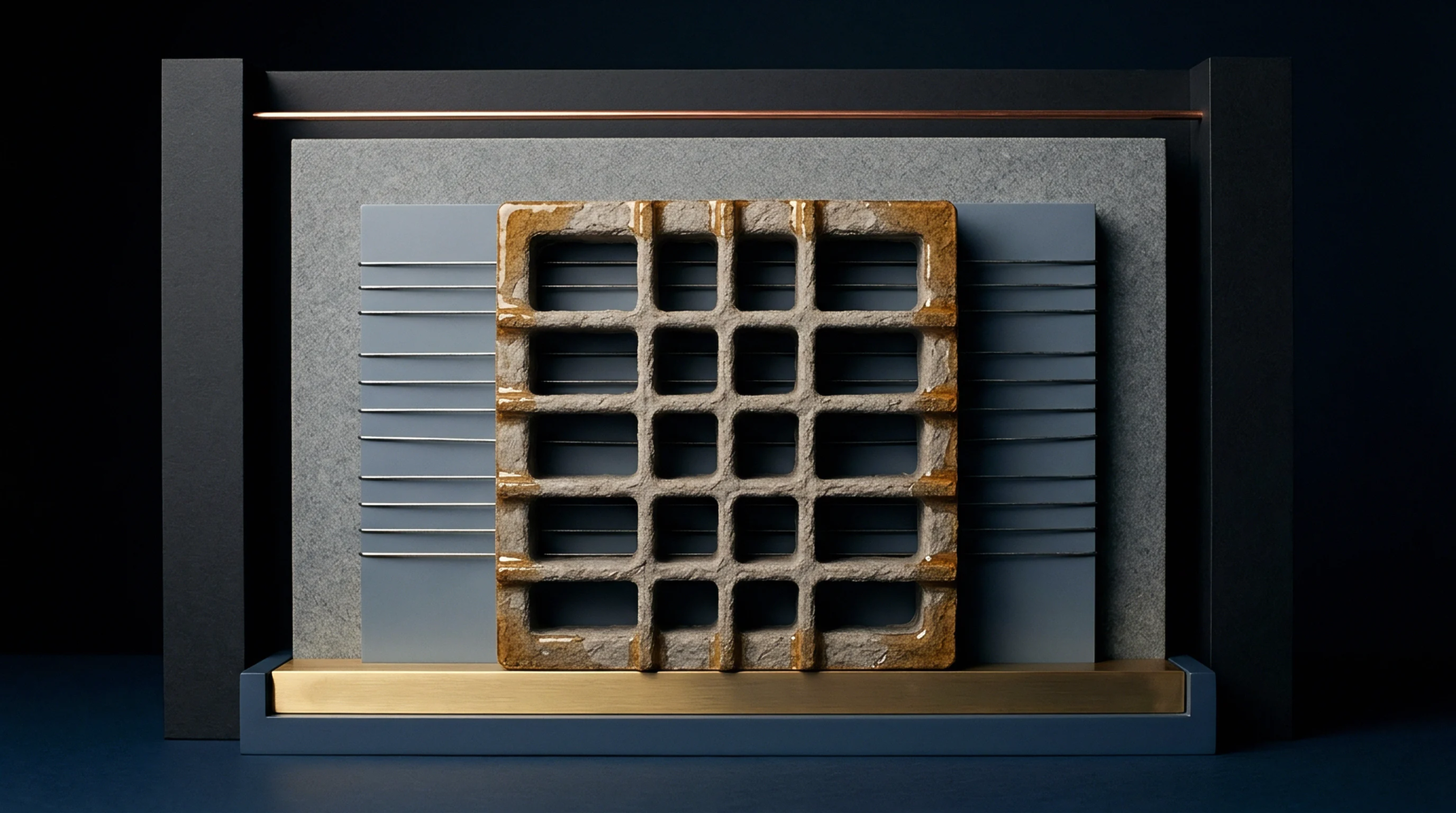
Surface tension across the outer radius of a score determines whether brittle paper grades crack under rapid mechanical loading. Tensile strain concentrates on the convex side of the fold while the inner ply undergoes intense compression during blank erection. Laboratory drop tests verify that structural failure initiates at microscopic micro-fissures created by improper tool alignment rather than inherent fibre weakness.
Proper tool selection prevents edge delamination on laminated barrier coatings applied during prior converting passes.