Physical Dimension
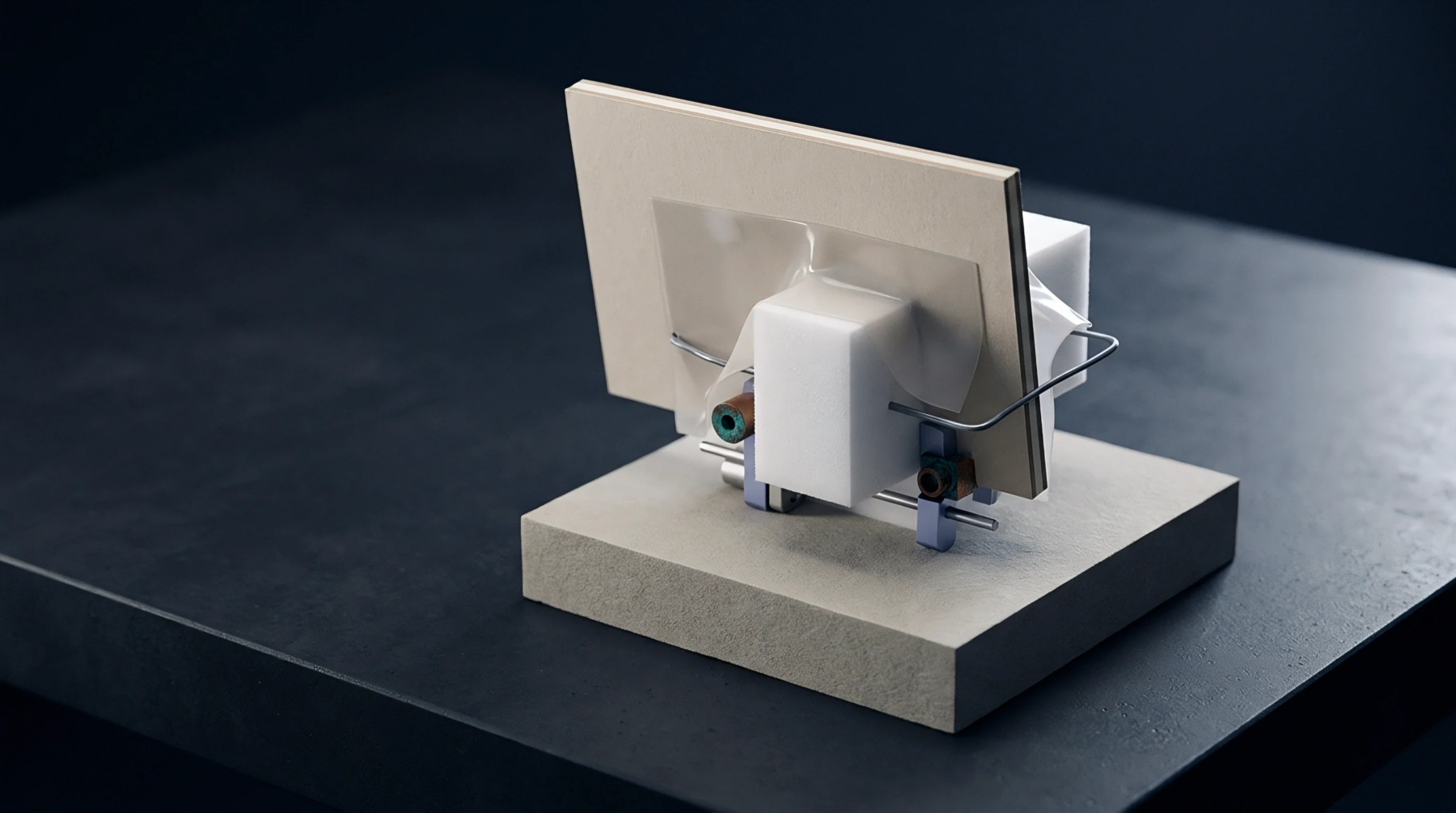
Standard thickness measurements evaluate a sheet of paper or board under specific pressure conditions to ensure uniformity for converting processes. Maintaining a consistent substrate caliper is essential for the performance of high speed printing presses and automated packaging lines. This property directly affects the stiffness of the material and the volume it occupies when wound onto a reel or stacked on a pallet.
Measurement Standard
International testing protocols specify that the thickness must be determined using a dead weight micrometer with a defined foot area and pressure. A substrate caliper reading is typically expressed in microns or thousandths of an inch. Variations in this measurement often indicate problems with the wet end consistency or the pressure settings in the calender stack.
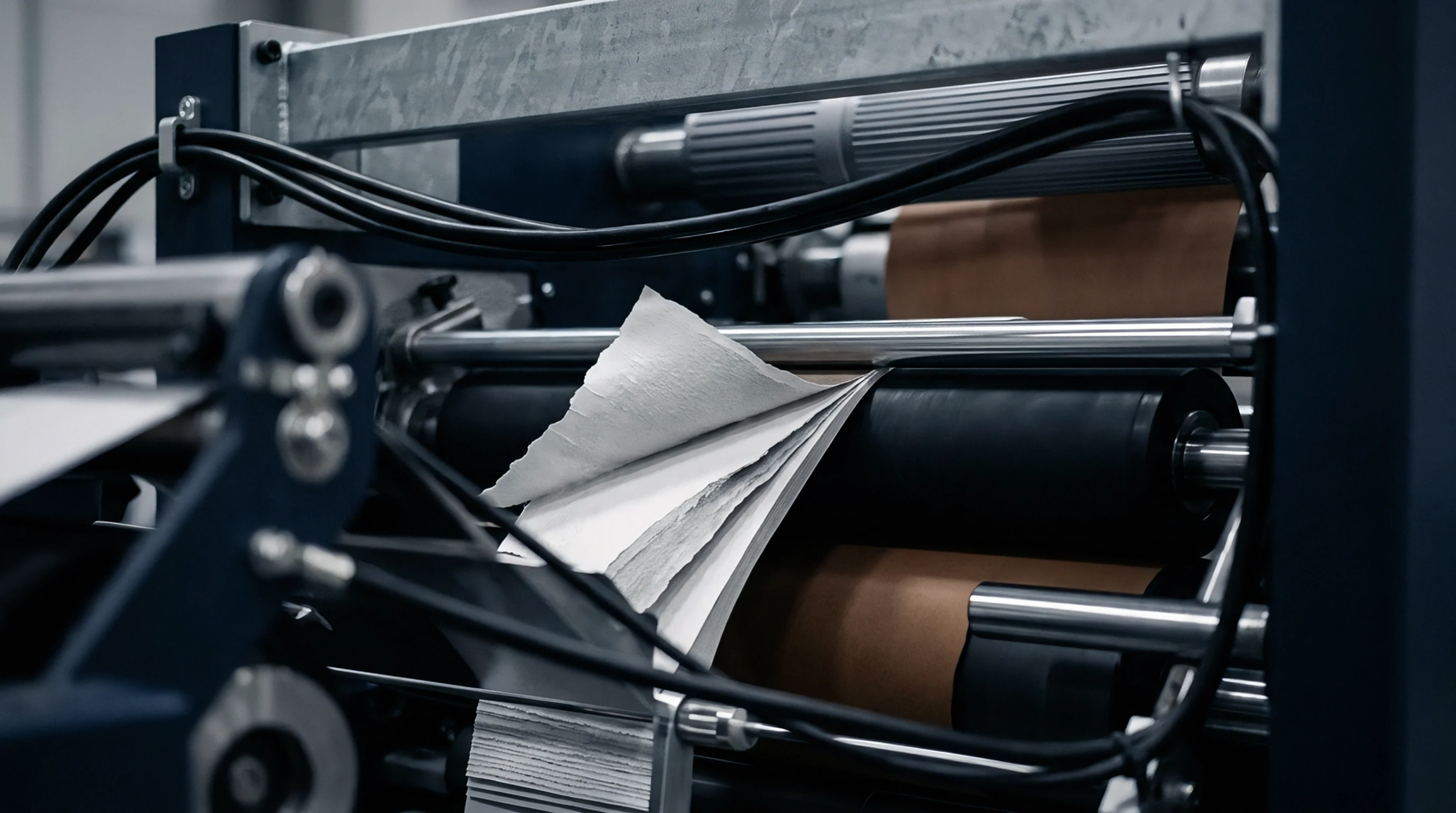
If the thickness fluctuates, the winding tension on the reel becomes uneven, which leads to defects such as bursts or wrinkles.
Converting Impact
Die cutting and creasing operations rely on a predictable thickness to achieve clean edges and accurate folds without cracking the outer fibers. If the substrate caliper exceeds the tolerances of the tooling, the increased pressure can damage the equipment or cause the ink to flake off the surface. For multi layer corrugated boards, the thickness determines the stacking strength and the protective qualities of the box.
Precise control of this parameter allows for the optimization of fiber use while meeting the structural requirements of the final package.