Mechanical Velocity
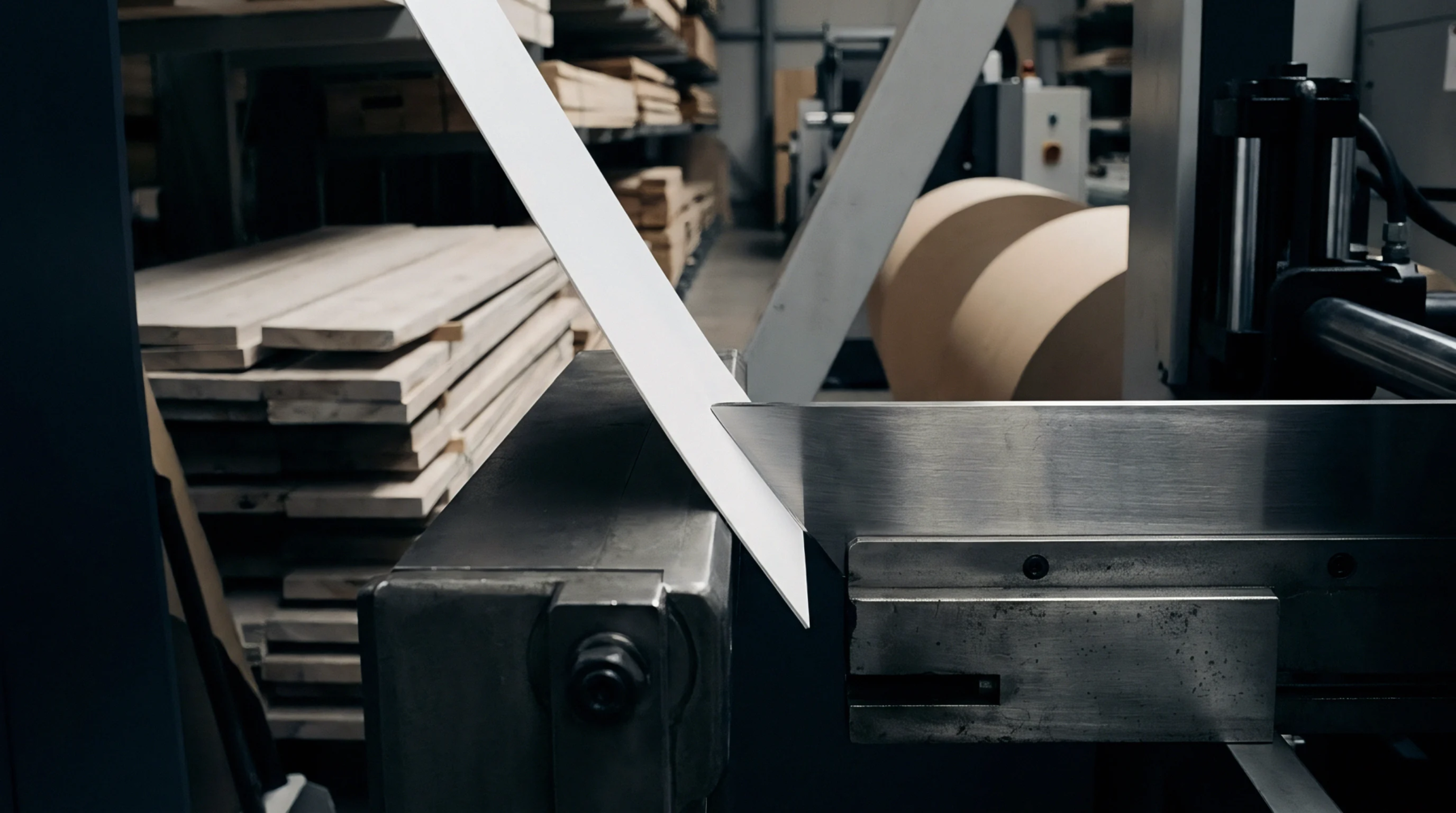
Packaging machinery operates at linear web velocities above traditional rotary die-cutting thresholds to transform flat paperboard substrates into creased cartons or folded sleeves. High speed converting demands rigorous control over substrate stiffness and tensile energy absorption to prevent web breaks during rapid direction changes. The process includes mechanical creasing, rotary die-cutting, gluing and high-velocity folding steps executed in continuous motion.
Substrates must maintain structural integrity while passing through nip rolls and scoring stations without fiber rupture or coating delamination. Operational boundaries are marked by the physical limit of the board matrix to absorb shear stresses without surface checking or edge cracking.
Dynamic Tension
Web tension must remain uniform across the entire cross-direction profile to prevent register shift or skewing. Variable modulus across paperboard reels causes localized tension spikes, which induce micro-tears at pre-scored creases or micro-flute tips. High speed converting requires automated dancer rolls and load cells that adjust brake torque within milliseconds during speed transitions.
When coating formulations lack sufficient elasticity, high shear forces during rapid folding cause microscopic fractures along the score line, compromising barrier properties against moisture vapor and grease.
Operational Boundary
Mechanical stability declines rapidly when machine speeds exceed the viscoelastic recovery rate of the paperboard fibers. High speed converting becomes unviable if creasing depth settings cut into internal plies rather than delaminating them cleanly.