High-Speed Shearing
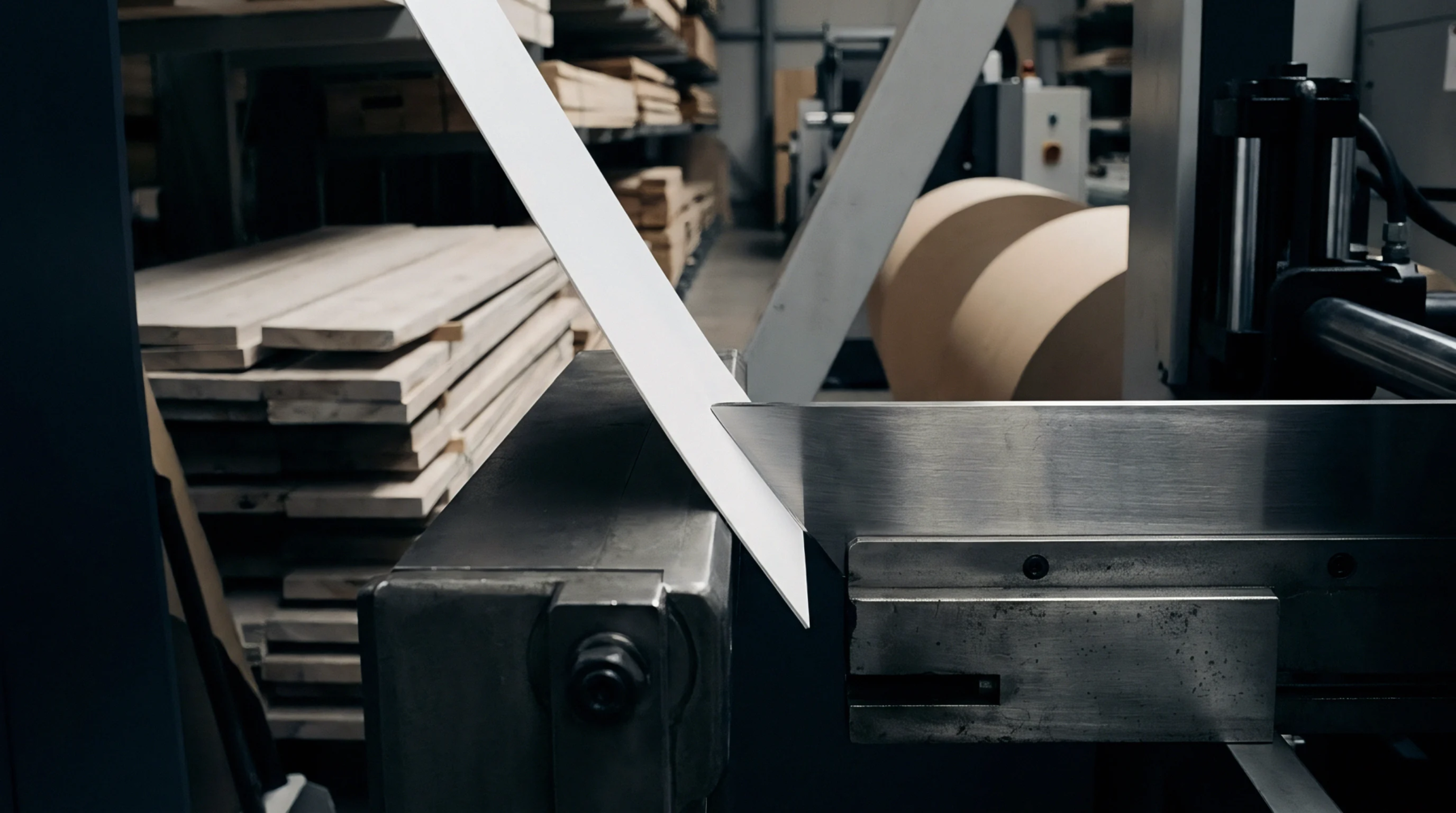
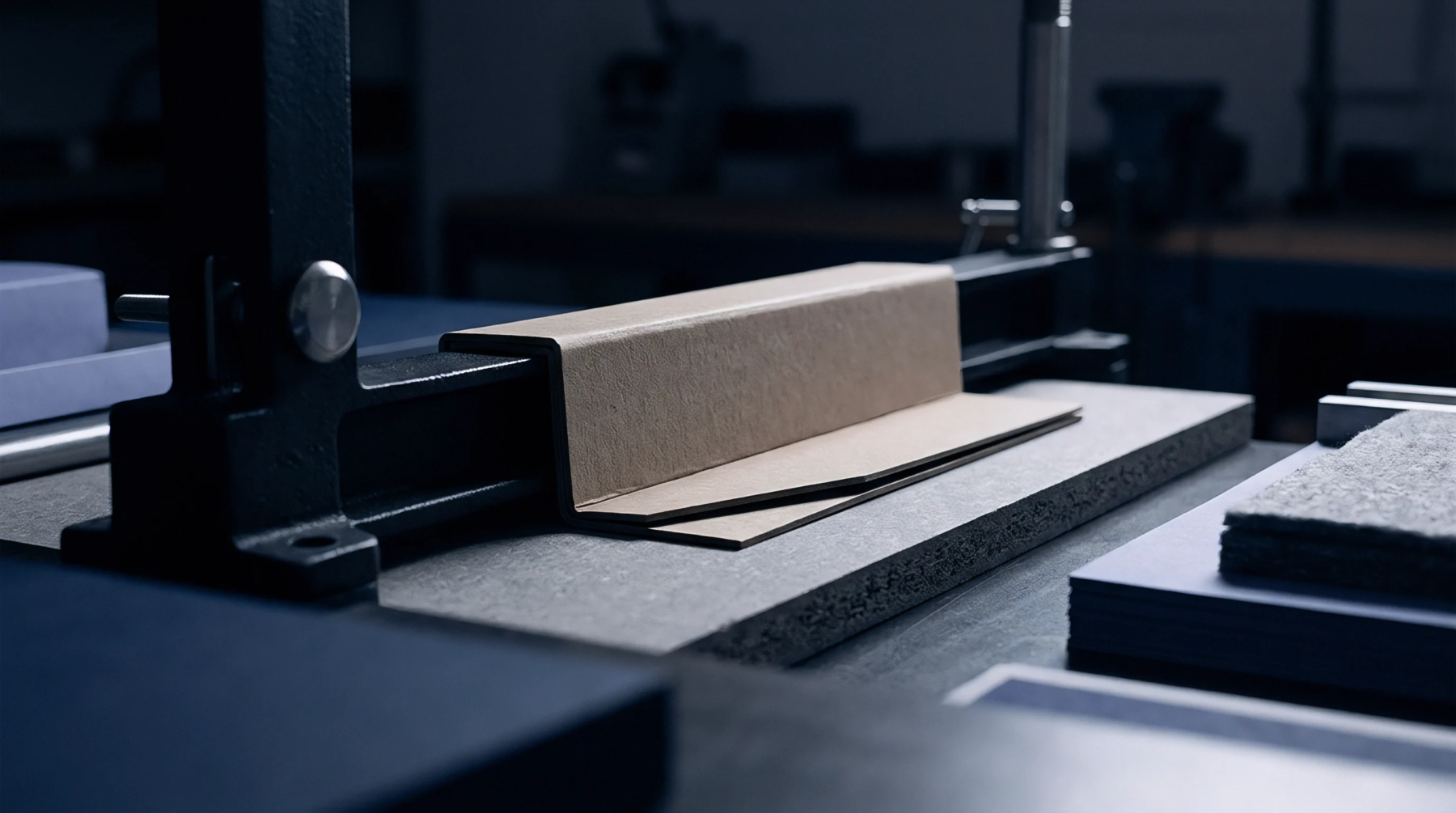
Converting processes use cylindrical tools to punch shapes and crease lines into a continuous web of material. In rotary die cutting, the substrate passes between a rotating cylinder carrying sharp steel blades and a smooth anvil roll. This method allows for much higher production speeds than flatbed systems because the movement is continuous rather than stop-and-start.
Tooling Configuration
Cylinders are engineered with precision to ensure that the blades cut through the top layers of the laminate without marking the release liner. During rotary die cutting, the waste material, known as the matrix, is pulled away from the finished labels as they move through the machine. The blades are either chemically etched into a flexible steel plate or machined directly into a solid metal drum.
Flexible dies are wrapped around a magnetic cylinder, allowing for quick changes between different jobs. Solid dies are more expensive but last longer for high-volume work. The pressure between the rolls must be monitored constantly to prevent the blades from wearing down too quickly.
Waste Extraction
Efficient removal of the scrap material is necessary to keep the line running without interruptions. When rotary die cutting is performed correctly, the finished pieces are uniform and have clean edges. This technology is the standard for the production of self-adhesive labels and folding cartons.