Interlaminar Shear Strength
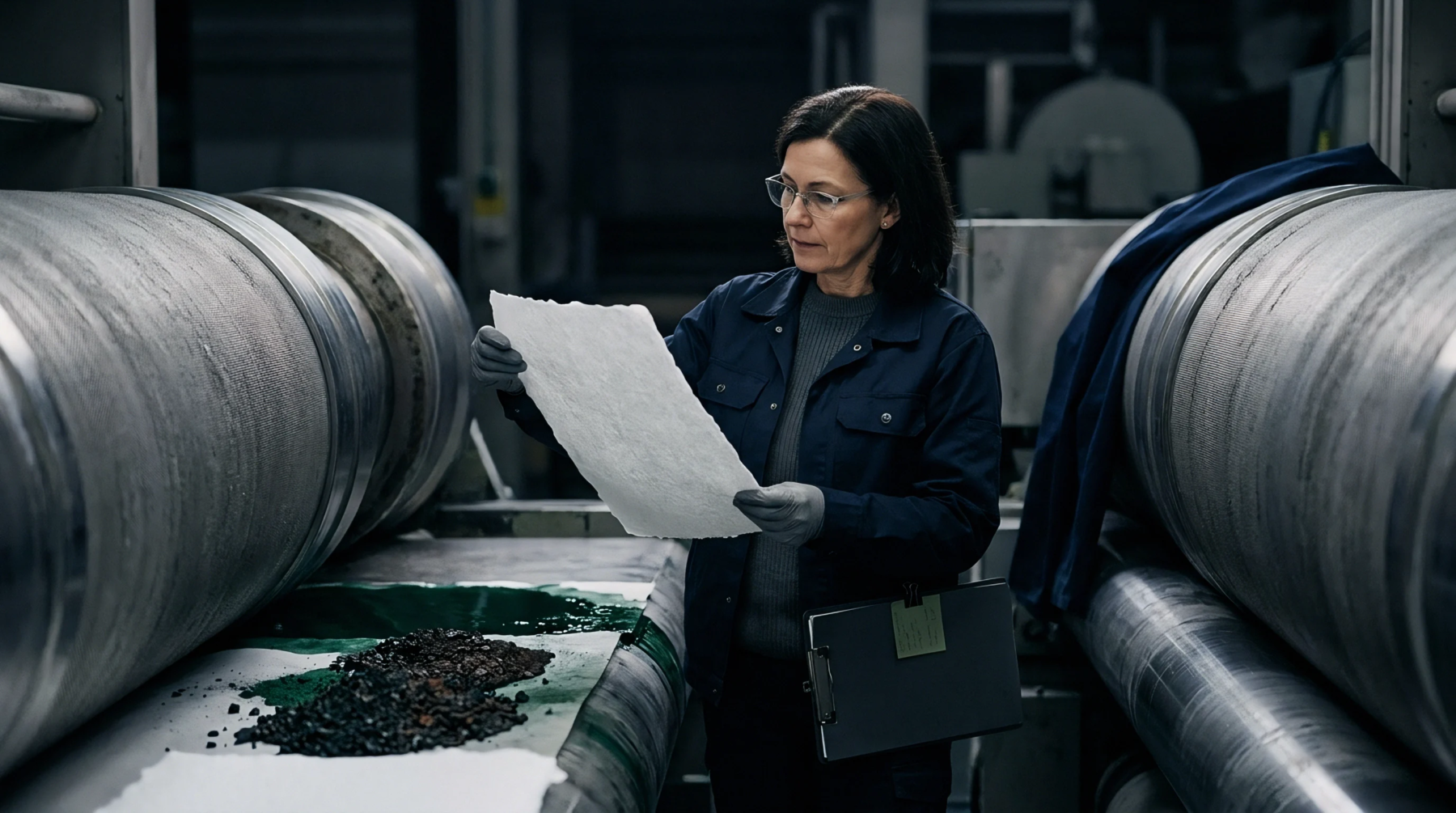
Mechanical property testing defines interlaminar shear strength as the maximum stress a multi-ply paperboard or laminated packaging substrate withstands before horizontal failure between internal structural layers occurs under a bending load. Corrugated converters and box manufacturers measure interlaminar shear strength to verify that combined structural boards resist delamination during high speed creasing, folding, and die cutting operations. Board mills control this internal bond value through refined fiber bonding chemistry, controlled refining energy applied to hardwood and softwood pulp furnishes, and precise pressing pressures during wet web consolidation on the paper machine.
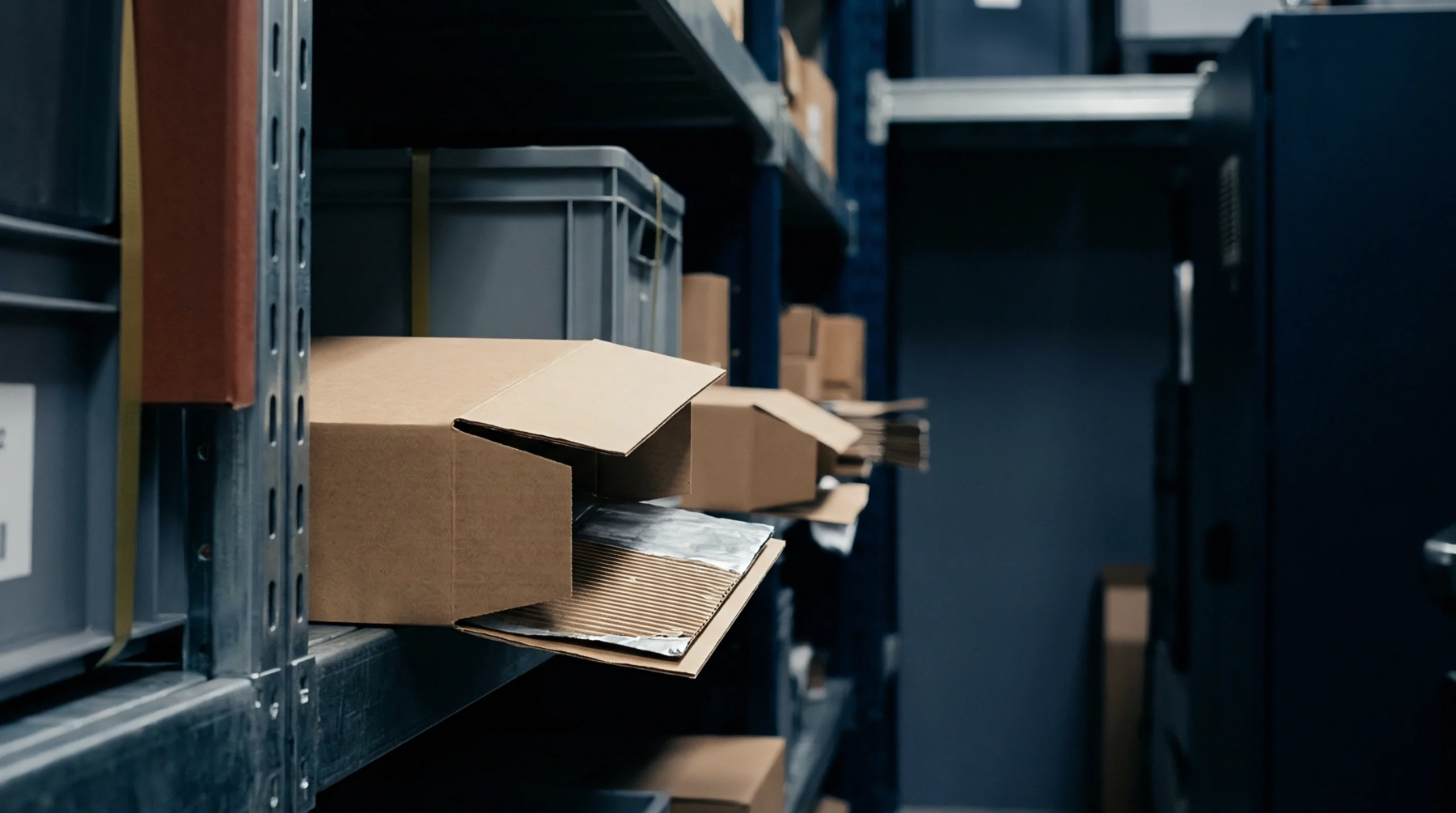
When convertors apply aggressive bending angles to thick linerboards or solid bleached boards, inadequate internal bonding allows shear stresses to force premature separation of the individual plies before the outer fibers fracture. Structural integrity fails completely once internal shear stresses exceed the specific adhesive energy holding adjacent plies together.
Ply Bond Limits
Standard short beam shear tests evaluate interlaminar shear strength by supporting a rectangular substrate specimen and applying a centered transverse load until horizontal cracking develops between the internal layers. Packaging engineers rely on these empirical values to predict box compression performance and prevent container wall collapse during static pallet storage. Low interlaminar shear strength causes blistering during rapid thermal drying cycles in flexographic printing units and damages carton creasing channels on high speed folding carton lines.
Paperboard grades destined for liquid packaging containers require higher internal bond minimums than standard commercial folding boxboards to withstand the hydraulic pressures of automated filling machinery and prolonged moisture exposure. High density refining of secondary fiber furnishes improves interlaminar shear strength by increasing fiber contact areas, but excessive refining reduces tearing resistance and diminishes overall folding endurance.
Delamination Mechanics
Tensile stresses concentrated at the neutral axis during carton blank conversion convert directly into horizontal shear forces that test the limits of interlaminar shear strength within the core plies of multilayer paperboard. Multi-ply cylinder machine manufacturing distributes distinct mechanical pulps and chemical pulps across separate forming cylinders to optimize stiffness while maintaining the required interlaminar shear strength through controlled couch roll pressing. Substrates exhibiting high thickness often demonstrate lower core density values, which concentrates interlaminar shear stresses within the central unrefined plies and accelerates internal delamination during high speed blank feeding.
Converters adjust machine tolerances and scoring rule widths to minimize peak shear forces whenever raw material batches display lower interlaminar shear strength values at the lower boundary of mill specifications. Laboratory optimization confirms that targeted starch add levels at the size press improve interlaminar shear strength without requiring excessive drying energy increases on the paper machine.