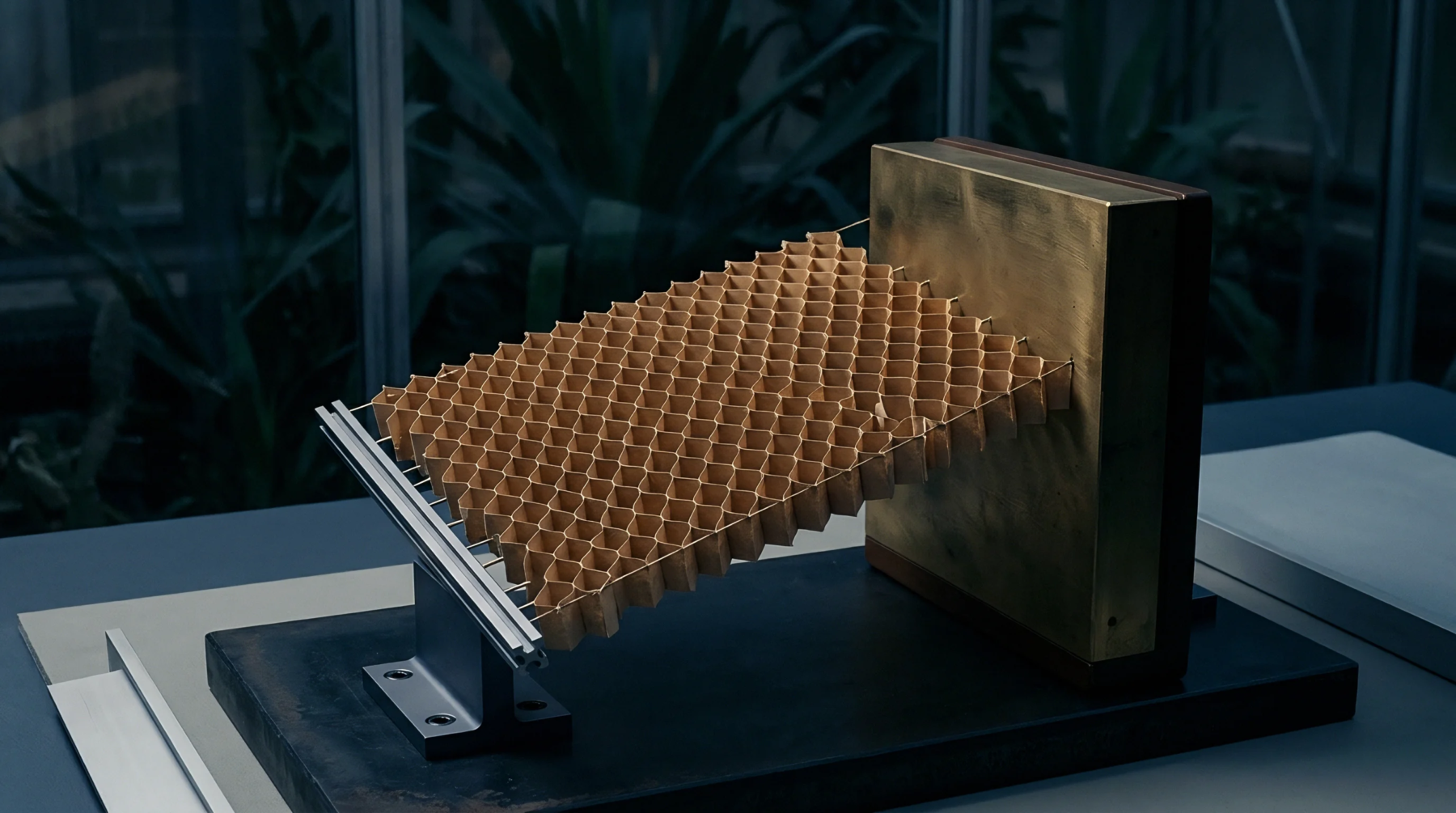
Dynamic Mechanical Analysis Caliper Retention Testing for Multi-Layer Boxboards
Dynamic Mechanical Analysis quantifies z-axis caliper loss under dynamic converting loads to prevent carton collapse and protect structural bending stiffness.
Dynamic Mechanical Analysis quantifies z-axis caliper loss under dynamic converting loads to prevent carton collapse and protect structural bending stiffness.
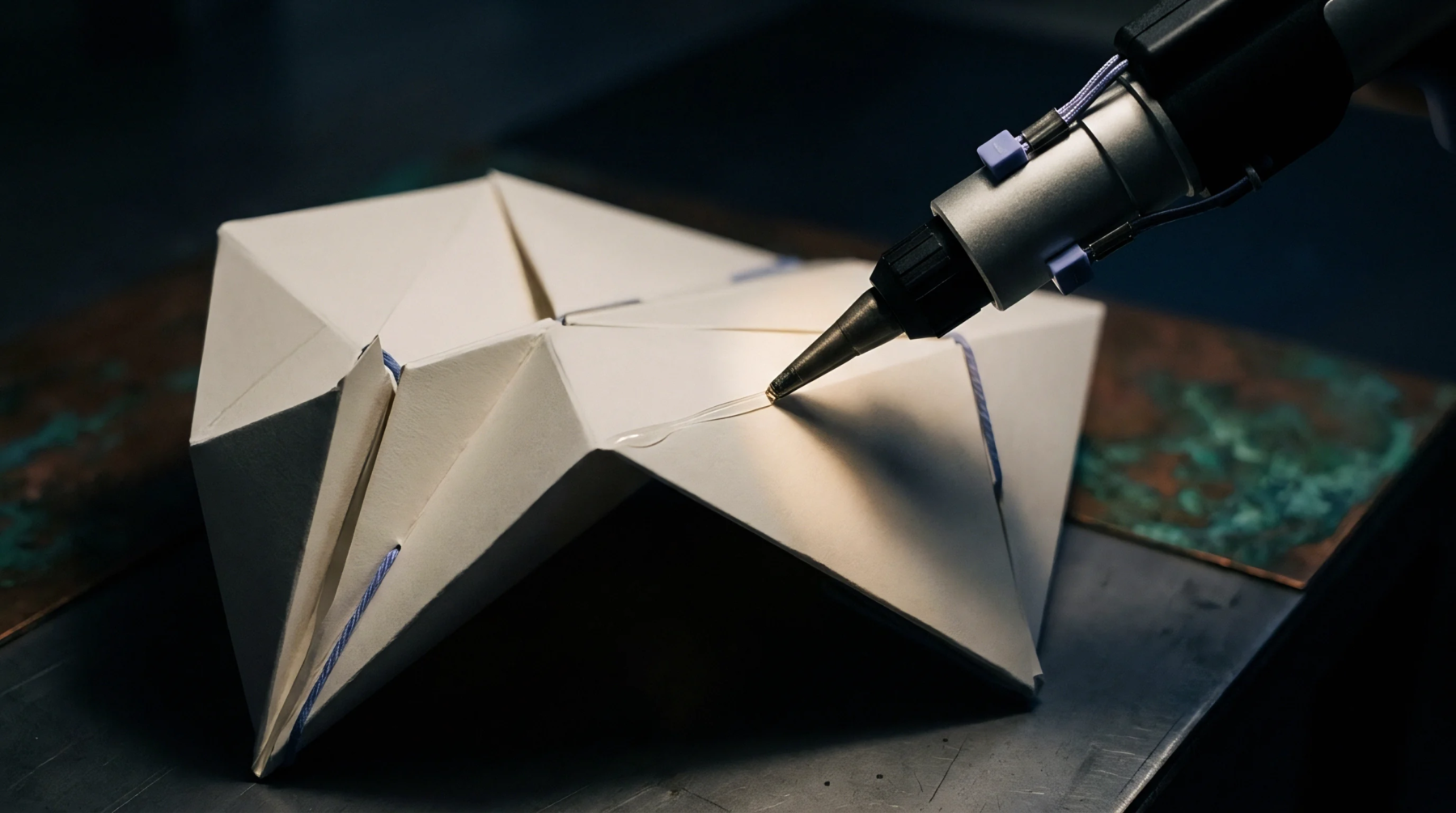
Polycarbonate polyurethane adhesives provide high fatigue limits and moisture resistance in barrier laminates by eliminating hydrolytic cleavage.
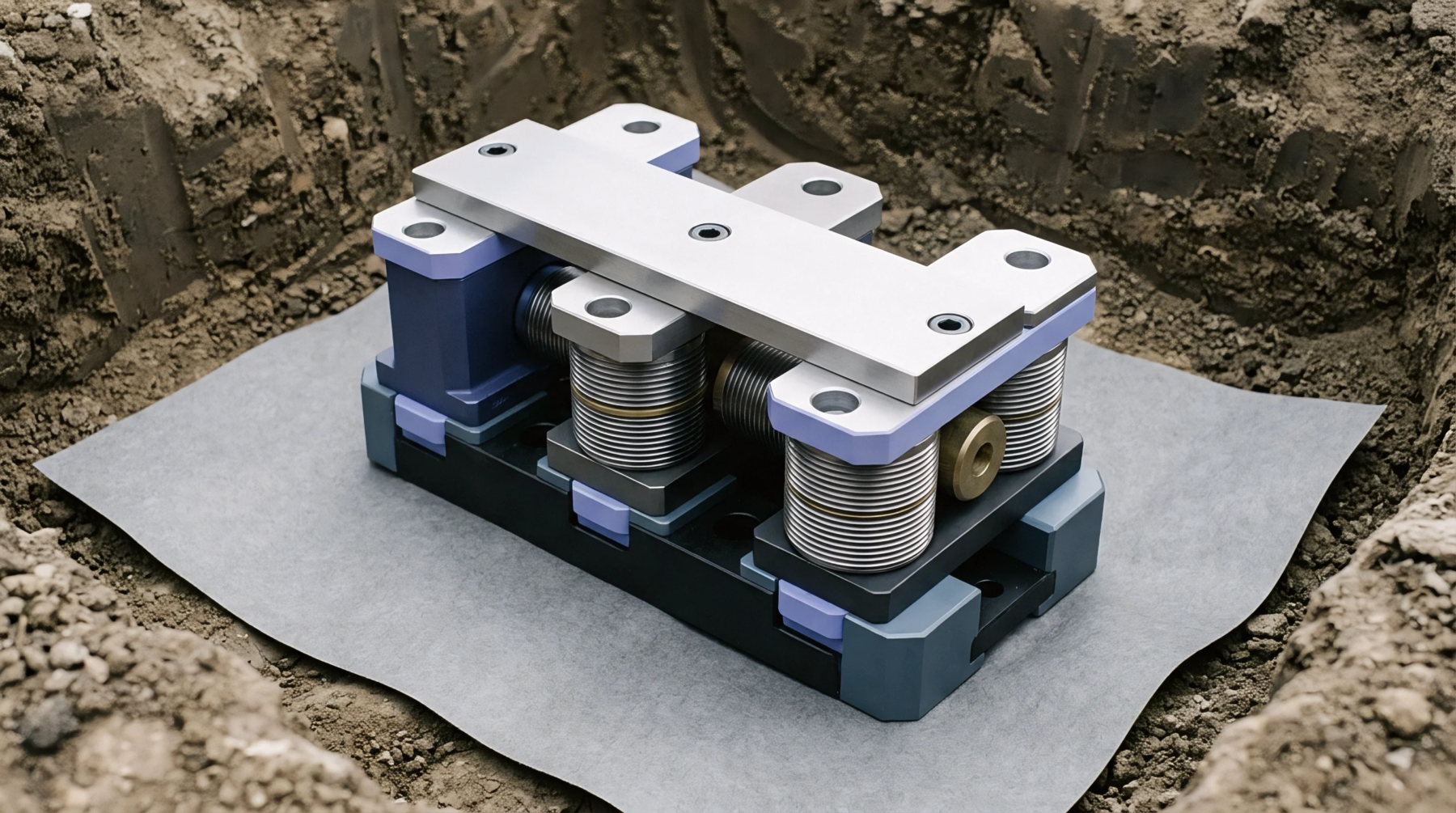
Hydrolytic scission in polyester polyurethane adhesives accelerates under dynamic heat and humidity, requiring polyether or aliphatic systems for shelf-stable barrier packaging.
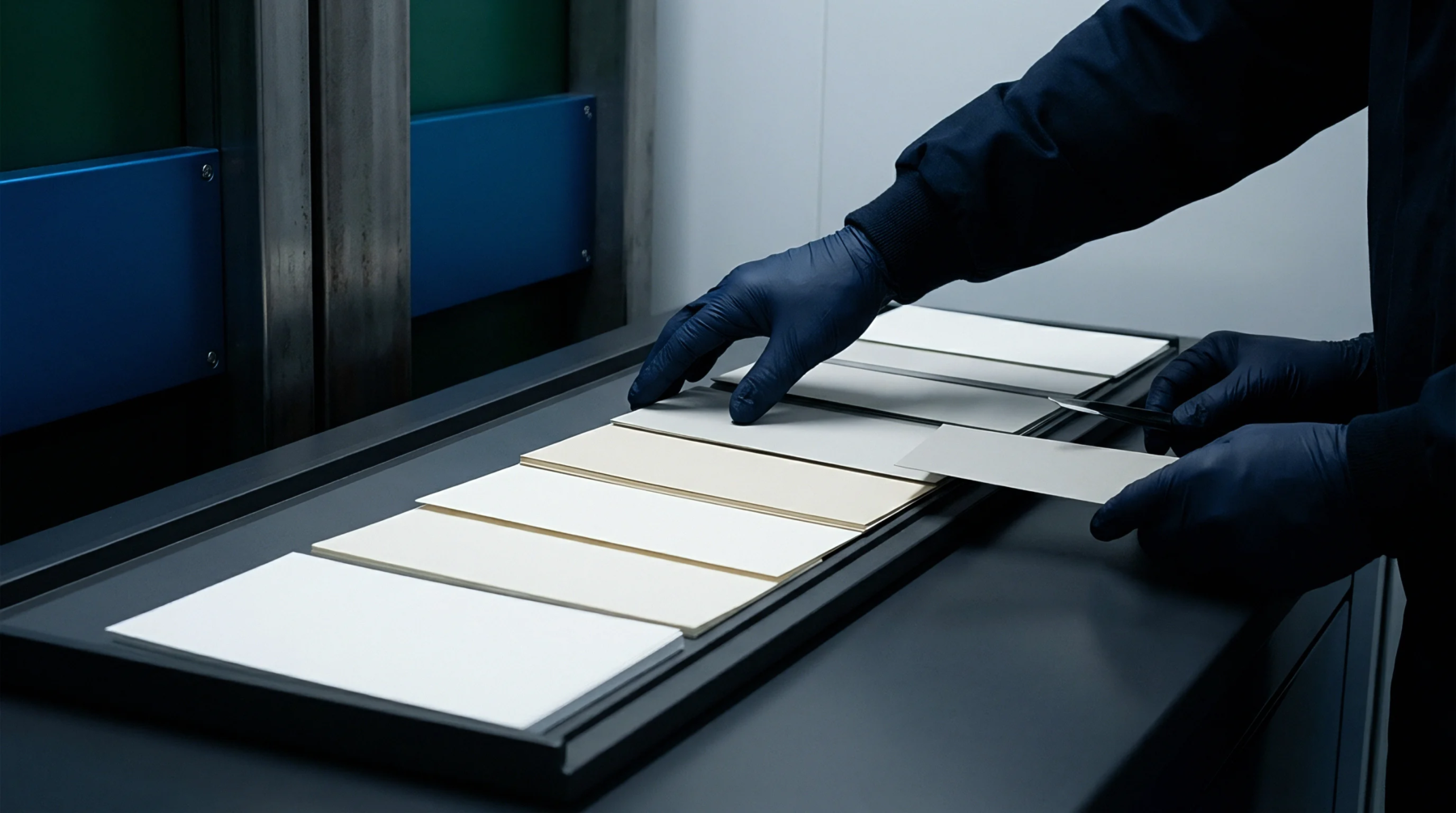
Polyurethane tactile coating crosslink density variance directly drives localized abrasion failure, requiring strict stoichiometric and thermal profile control.

Cyclic microclimates degrade recycled paperboard inter-ply shear strength through moisture expansion mismatch and starch bond mechanical fatigue.
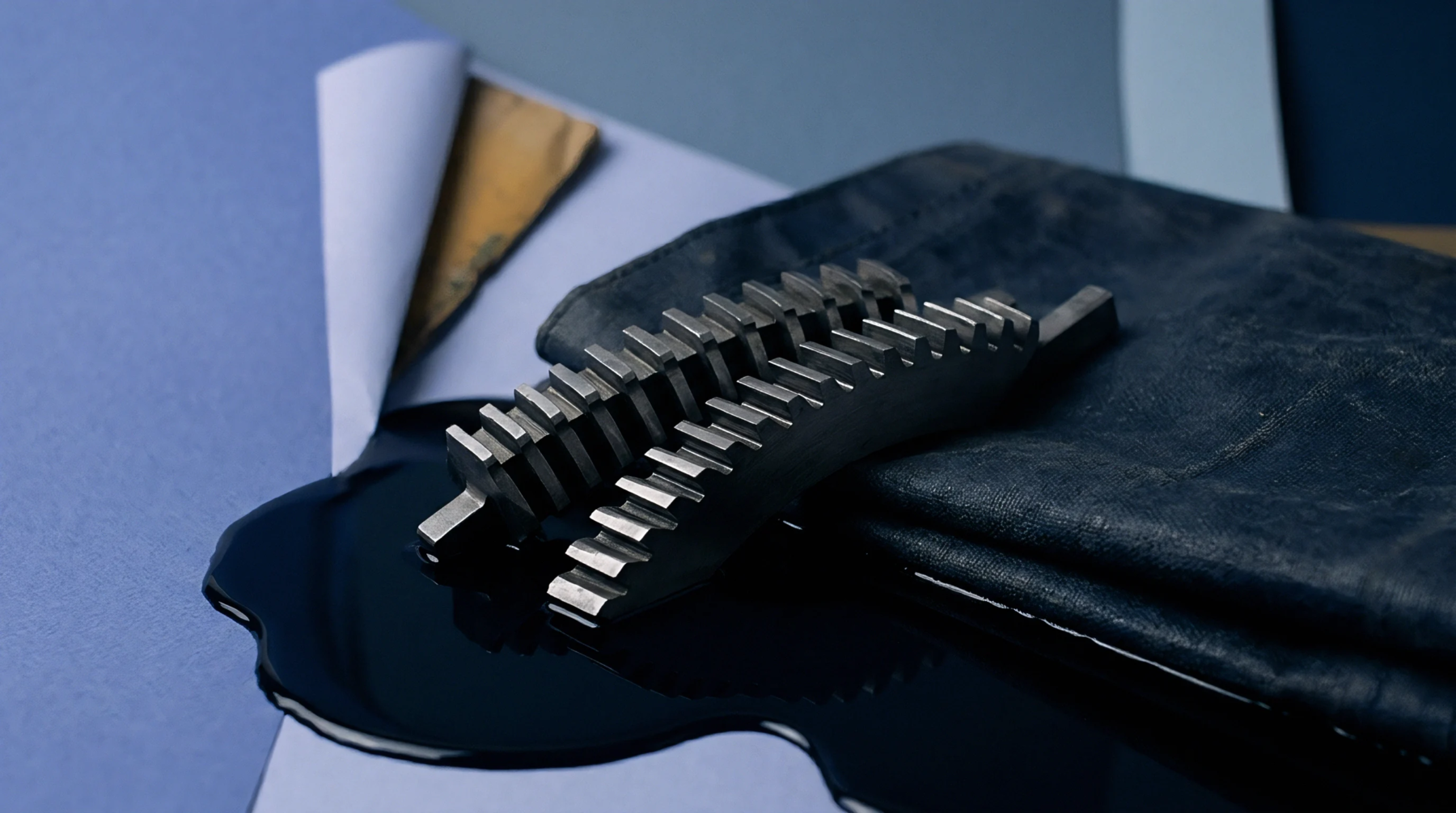
Selecting ductile resin binders with glass transition temperatures below minus five degrees Celsius prevents coating micro-cracking during paperboard crease folding.

Heat embossing above lignin glass transition temperature locks paperboard relief depth, while controlled dwell time minimizes post-press viscoelastic creep.
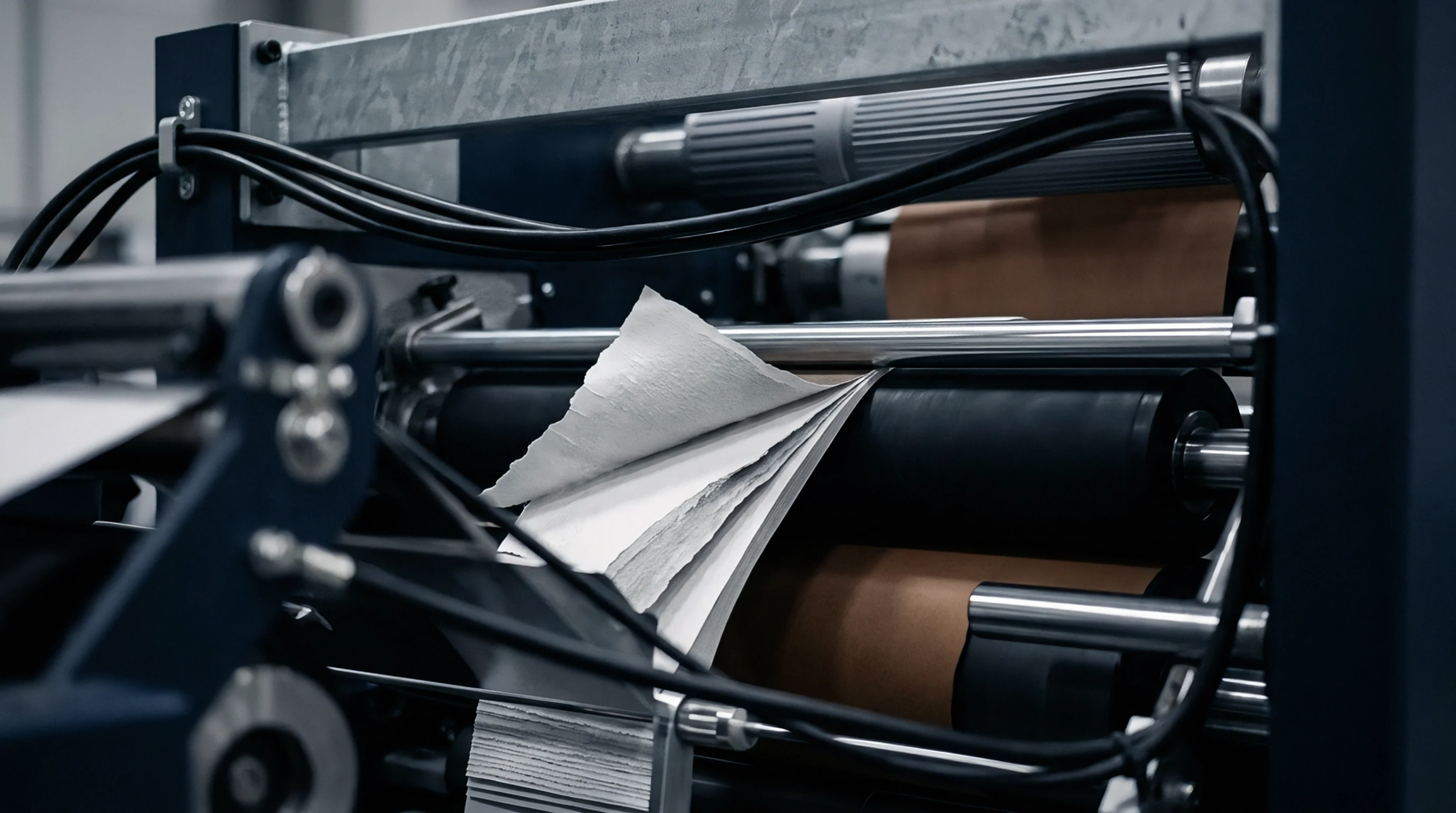
Dynamic mechanical analysis identifies hemicellulose moisture thresholds that prevent score cracking during high speed converting of mechanical pulp middle plies.

Moisture and thermal stress during converting plasticize aqueous latex coatings, reducing storage modulus and causing fold delamination unless web tension is optimized.

Resin yield stress thresholds govern score line micro-elevation profiles, where controlling matrix clearance and coat weight prevents optical edge defects.
Low relative humidity elevates dispersion binder Tg, converting viscoelastic flow into brittle fracture during millisecond creasing and breaching barrier performance.

High strain rate board creasing requires matching tool clearance to middle-ply shear yield to prevent surface fracture.
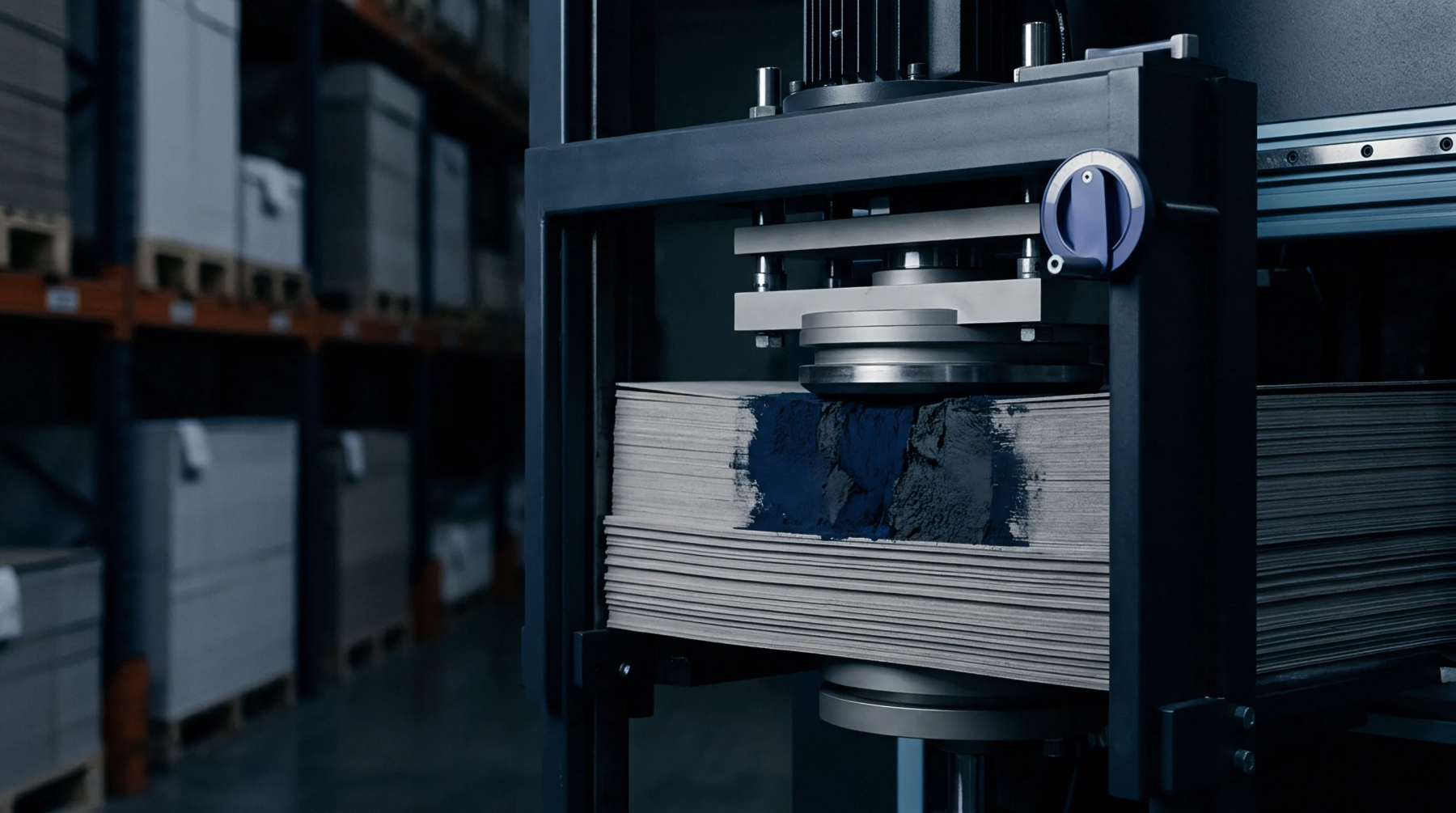
Dynamic Mechanical Analysis reveals high-speed converting nips collapse high-bulk BCTMP middle plies, dropping bending stiffness up to twenty-six percent.
Expertise is a utility, not a secret. sentiention™ publishes its working knowledge as open reference: intelligence layer covering the materials it sources, the markets it enters, and the reference that serves both.