Thermal Response
Small oscillations applied to a substrate determine the storage modulus and loss modulus of polymers under controlled temperature ramps or frequency sweeps. Through dynamic mechanical analysis, technicians quantify how molecular architecture dictates the rigidity of a coating or a film when subjected to periodic deformation. This measurement defines the viscoelastic region where the material transitions from a glassy state to a rubbery flow.
Polymers exhibit distinct energy dissipation profiles based on the orientation of chains within the polymer matrix. Precise identification of the glass transition temperature ensures that a laminate maintains dimensional stability during subsequent thermal processing or heat sealing operations.
Modulus Precision
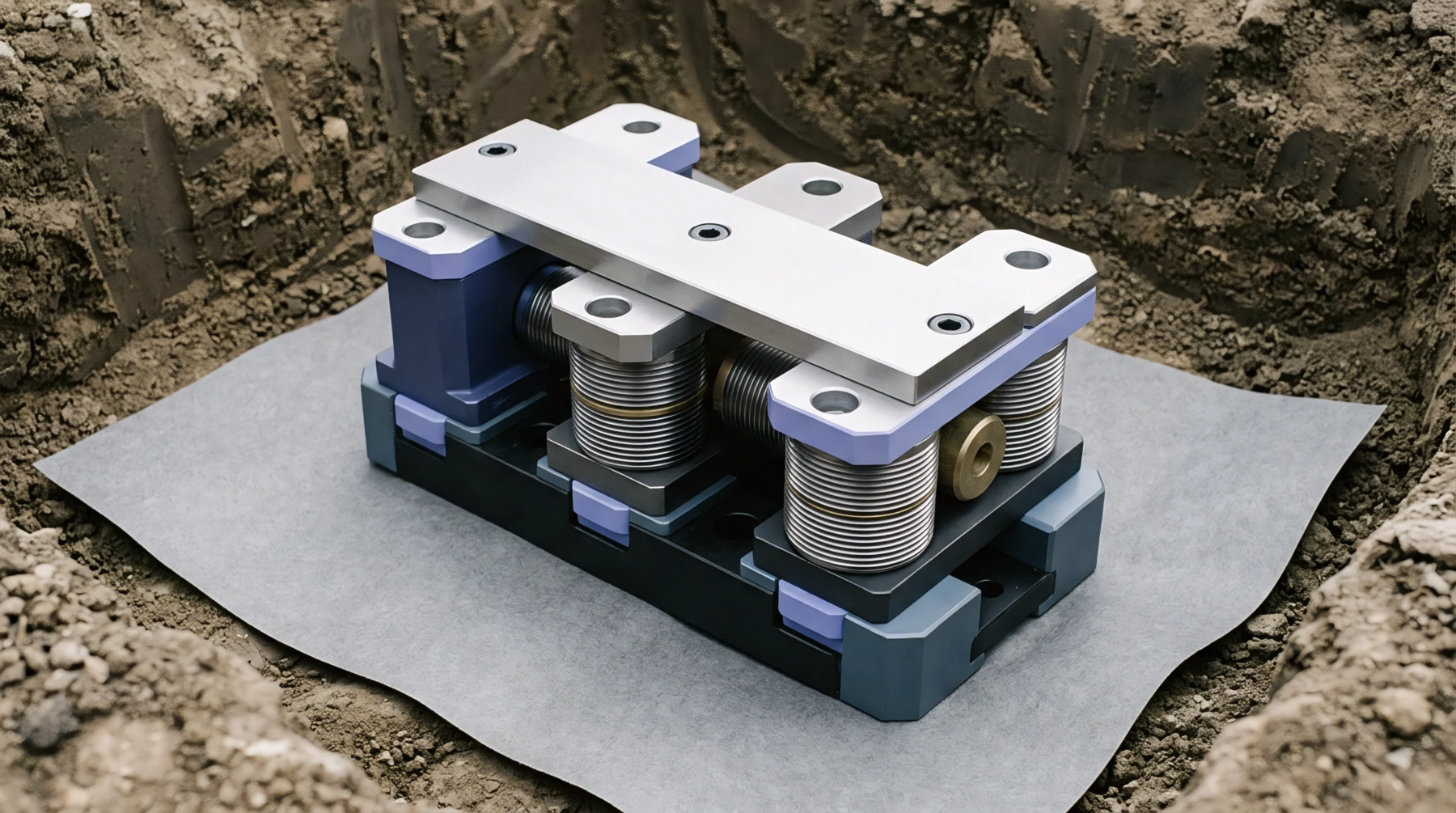
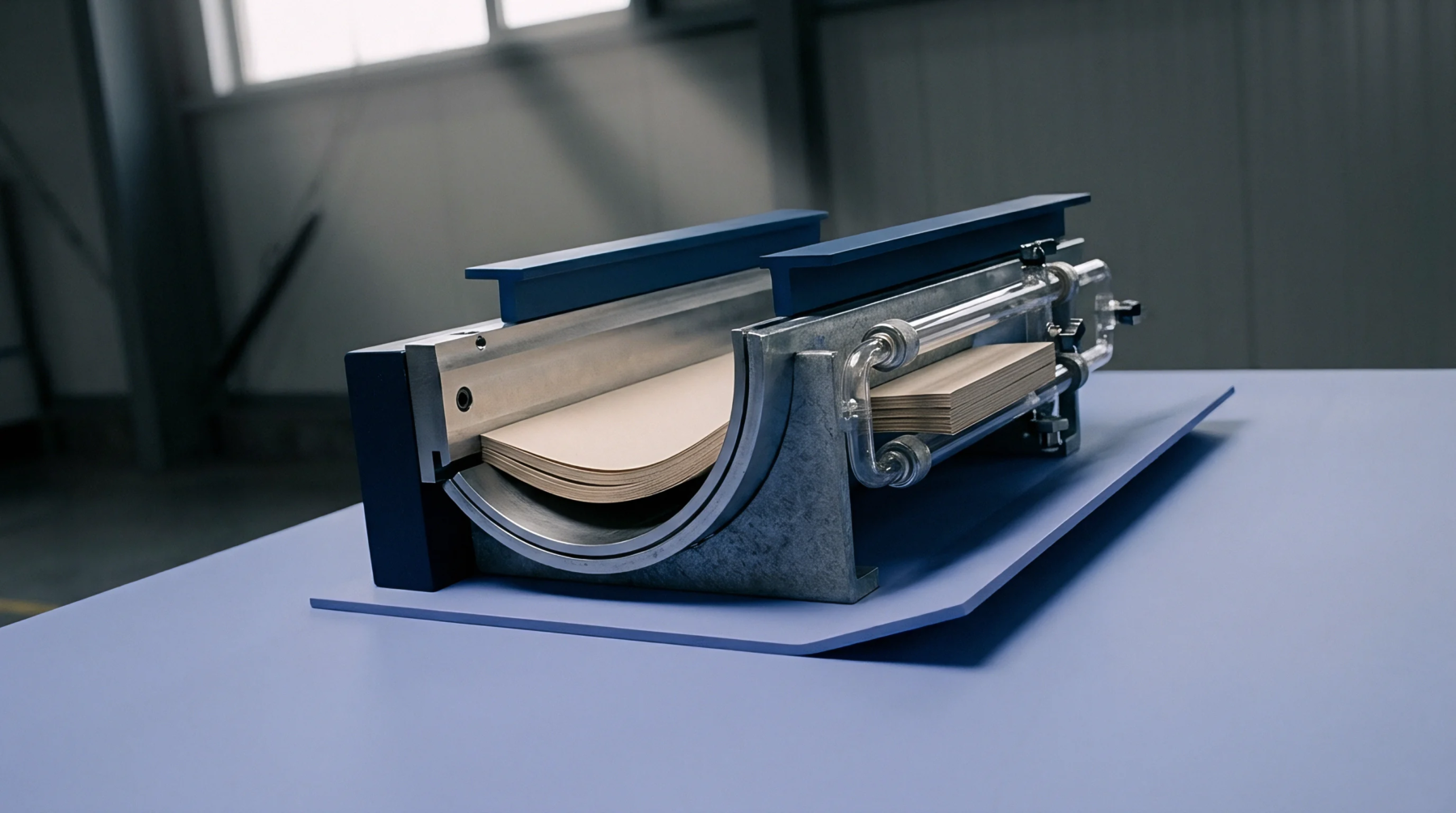
Engineers calibrate the instrument to detect minute variations in stiffness as the specimen undergoes cyclic stress. The test probe exerts a sinusoidal force upon the substrate and records the phase lag between the stimulus and the physical displacement. This phase angle provides an accurate ratio between the elastic energy stored by the sample and the viscous energy lost as heat.
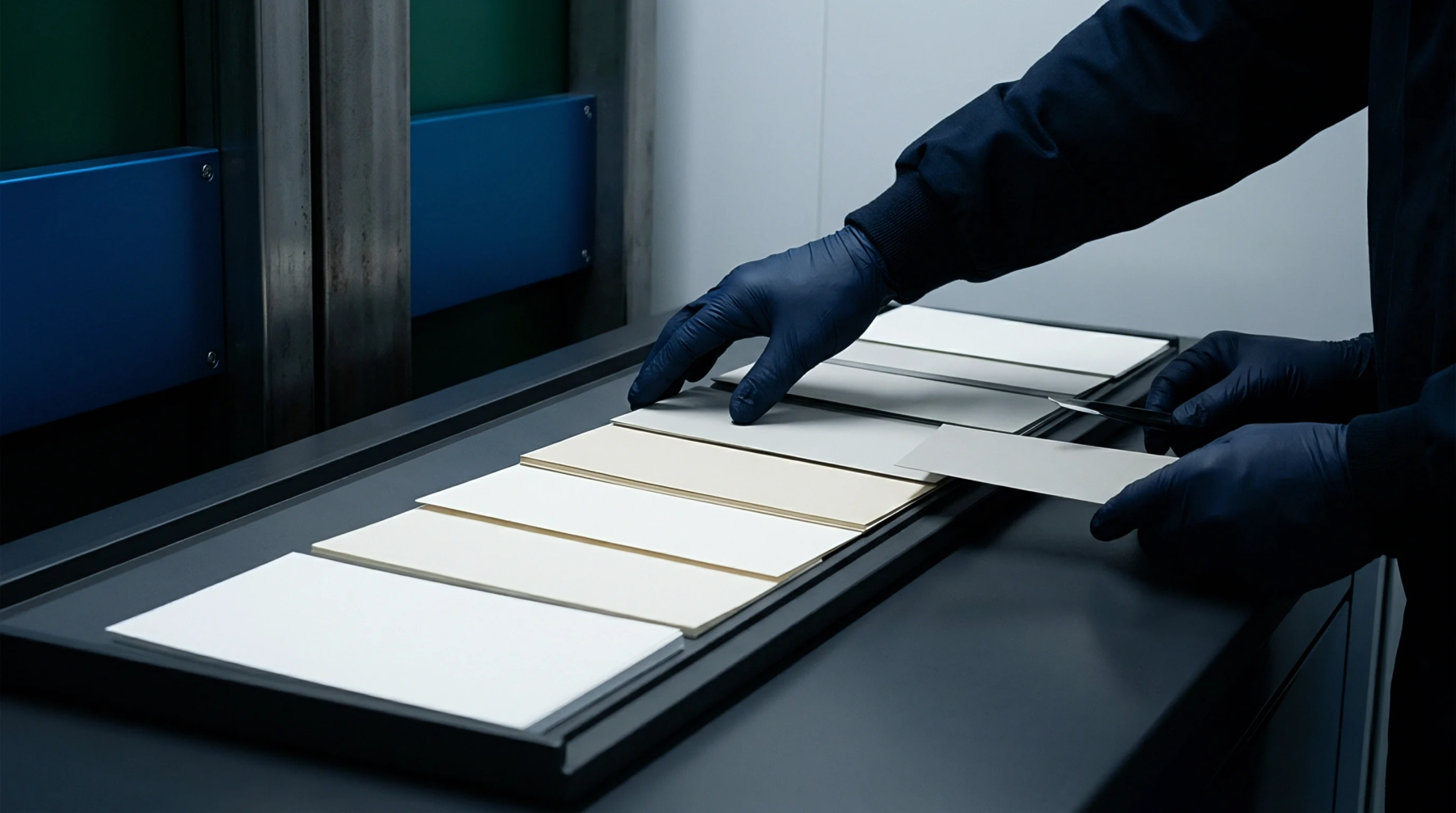
Standard practice requires careful sample preparation to minimize edge effects that skew the measurement of the shear modulus. High performance packaging films often necessitate a specific modulus profile to resist puckering during automated filling and high speed transport. Any deviation from these predefined stiffness thresholds suggests structural imperfections or incorrect additive concentrations within the resin blend.
Boundary Condition
Operation of the testing apparatus stops once the material reaches its degradation point or melts beyond the range of the instrument sensors. Data collection relies on maintaining contact between the clamp and the film throughout the oscillation cycle to avoid signal noise. A loss of contact happens when a sample loses enough integrity to sag, which renders the resulting modulus readings inaccurate for the intended application.
Converting lines require consistent mechanical properties across every roll to avoid web breaks and registration errors during intricate printing tasks. Proper thermal characterization prevents costly downtime by ensuring that the selected stock withstands the heat environment of a drying tunnel. Final quality of the output depends on the ability of the material to sustain these measured stresses without permanent deformation.