Material Response
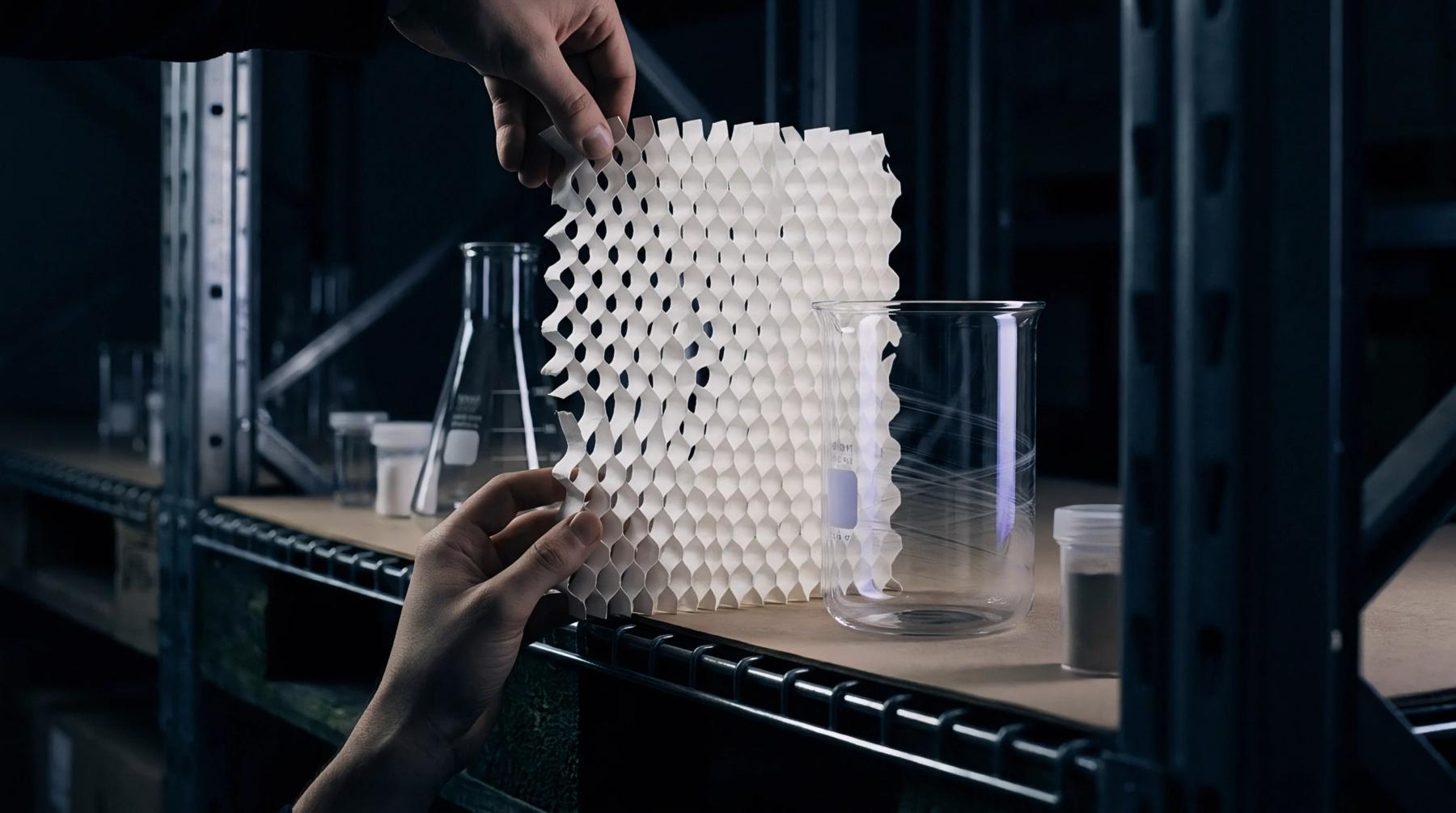
Polymers and cellulose structures exhibit viscous flow characteristics when subjected to high-speed converting operations such as rotary die cutting or continuous web lamination. Strain rate kinetics quantifies the relationship between the applied deformation velocity and the resulting internal resistance of the substrate. This metric defines the limit of viscoelastic recovery before permanent structural degradation occurs in the sheet.
Production equipment maintains web integrity by ensuring that input tension remains within the boundaries defined by the material response curve. Failure to account for these dynamics results in micro-fractures along the shear lines of packaging blanks.
Processing Limit
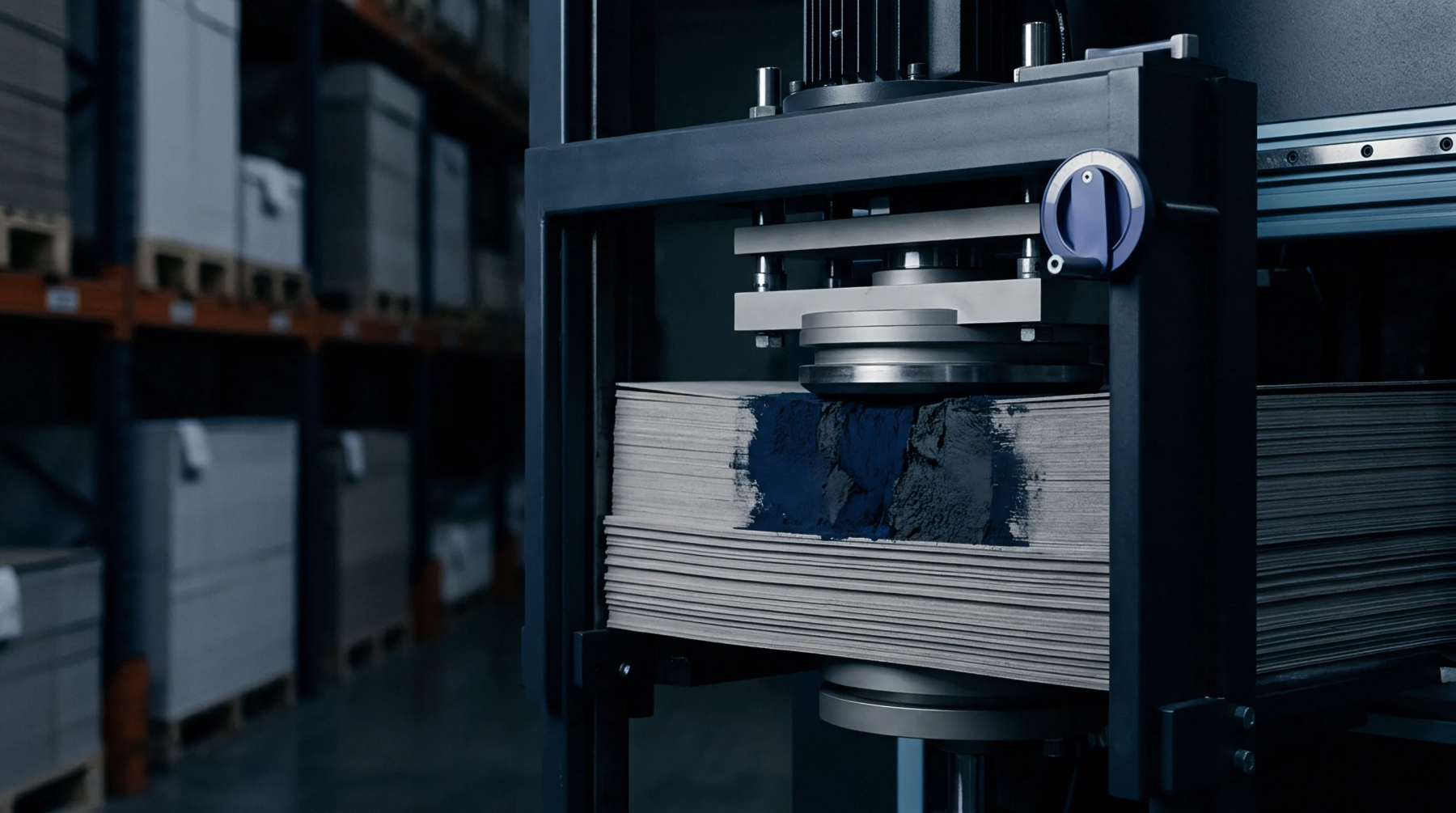
Die clearance and anvil hardness directly influence the velocity at which a substrate undergoes separation during conversion. Rapid deformation accelerates the strain rate kinetics of paperboard and synthetic film layers, potentially exceeding the threshold for clean fiber shear. Converters adjust the drive synchronization to mitigate sudden energy spikes that propagate through the machine direction of the substrate.
Precise control of this interaction prevents edge fraying and ensures consistent geometry in finished folding cartons. Manufacturers calibrate these settings against the yield point of the material to avoid intermittent splitting of the coated surface.
Equipment Calibration
Dynamic load testing provides the basis for selecting appropriate cutting geometries in high-speed rotary presses. Operators analyze the strain rate kinetics during pilot runs to determine the maximum permissible web velocity for a given grammage. Sensors mounted on the cutting cylinders detect harmonic vibrations that indicate the onset of material instability.
Software algorithms modulate the motor torque to compensate for the varying resistance patterns observed throughout a production shift. Stable velocity profiles maintain uniform cut quality across the entire width of the web. This optimization ensures that mechanical stress remains below the critical failure point of the substrate throughout the conversion cycle.